The number of registered businesses in Kazakhstan increased by more than 20% during the first half of 2026, according to government data, easing earlier concerns that the country’s new Tax Code would trigger widespread business closures. The growth came despite higher value-added tax (VAT) rates and tighter registration requirements introduced this year.
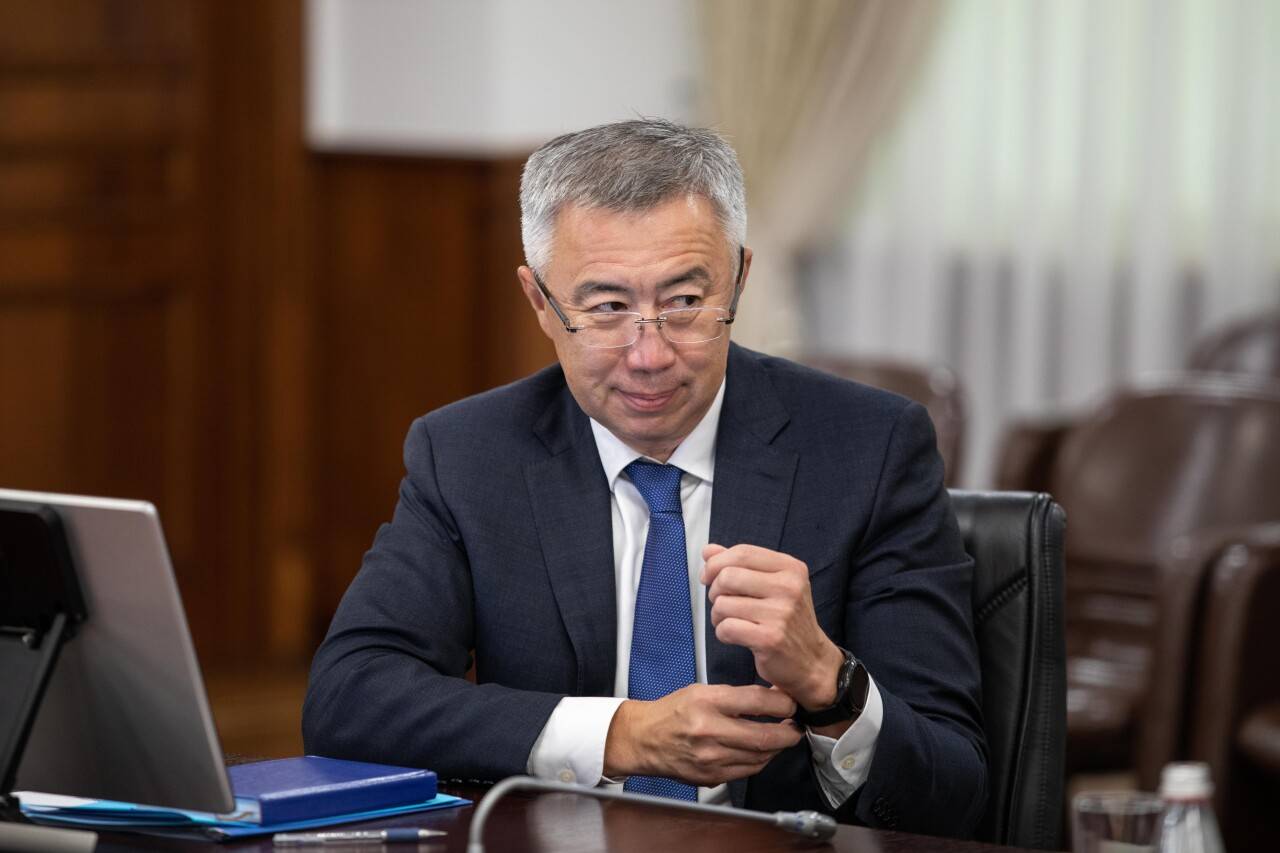
During a government meeting, Deputy Prime Minister and Minister of National Economy Serik Zhumangarin said the number of registered business entities had reached 2.939 million by the end of June, up by nearly 499,000, or 20.4%, from the beginning of the year.
The strongest increase came from individual entrepreneurs and self-employed workers. Their combined number rose from 1.86 million to 2.352 million over six months, while the number of self-employed workers reached 688,597.
The expansion also coincided with improved fiscal performance. Government revenues increased by almost 16% during the reporting period, while VAT receipts were nearly 1.5 times as high as a year earlier, according to official figures.
Growth was also recorded among corporate businesses. The number of registered legal entities increased from 579,756 to 587,117 during the first half of the year, while the number of VAT payers rose from 135,845 to 158,194. The figures indicate that businesses have largely adapted to the new tax environment despite concerns voiced before the reforms took effect.
Earlier this year, analysts warned that higher taxes and stricter registration rules could force many small businesses to close, but the first six months of data have not supported those expectations.
The structure of Kazakhstan’s small and medium-sized business sector also remained largely unchanged. More than 60% of all SMEs continue to operate in trade and agriculture, as well as other services. These remain the country’s largest entrepreneurial sectors.
Growth varied across industries, reflecting differences in business activity. Among small legal entities, the mining sector recorded the fastest increase at 2.9%. Construction and agriculture both grew by 2.5%, while information and communications expanded by 2.4%. The figures indicate continued investment in traditional industries and digital services.
Among medium-sized enterprises, real estate posted the strongest growth at 5.8%, nearly double the pace of the next-fastest sector. Finance and insurance grew by 3.2%, while other service industries expanded by 3.1%, reflecting continued demand in domestically oriented sectors.
The figures also point to the growing role of small and medium-sized businesses in Kazakhstan’s economy. SMEs accounted for 40.9% of gross domestic product in 2025, up from 33.5% in 2021, according to official data. The sector has become an increasingly important source of investment and regional development, while contributing to economic diversification.
Employment data reflect the same trend. During the first quarter of 2026, Kazakhstan had 9.4 million employed people, including 4.5 million working in small and medium-sized businesses. This means that nearly one in two employed people now works in the SME sector.
The first-half data indicate that Kazakhstan’s business sector continued to expand despite a more demanding tax environment. While it remains too early to assess the long-term impact of the tax reform, the increase in registered businesses and VAT payers indicates that entrepreneurial activity has so far remained resilient.
The Times of Central Asia previously reported that Kazakhstan’s tax reform had sparked concerns that higher VAT and new tax rules could force some small businesses to shut down or relocate. However, the first-half 2026 figures indicate that those fears have not materialized, as the number of registered entrepreneurs and companies has continued to grow despite the tougher tax environment.