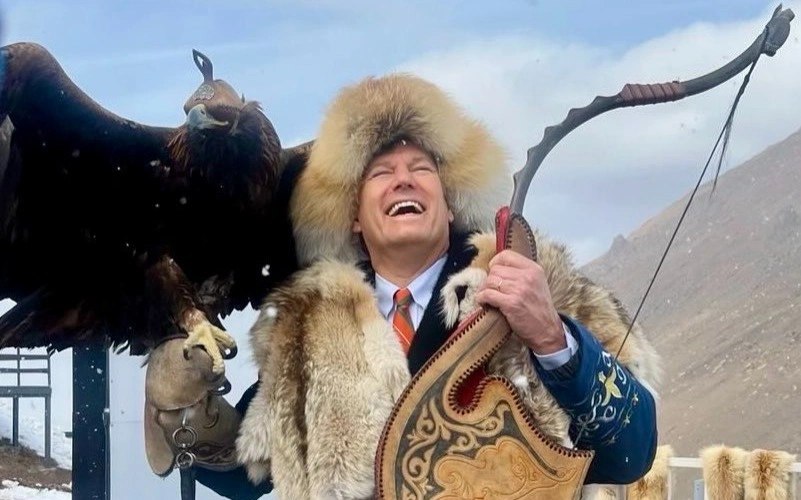
U.S. Special Representative for South and Central Asia Sergio Gor and Deputy Secretary of State Christopher Landau recently visited Kazakhstan as part of preparations for the upcoming C5+1 summit. While official releases highlighted meetings on regional cooperation and stability, local media also noted cultural engagements showcasing Kazakhstan’s living nomadic traditions.
While in Almaty, the U.S. delegation also toured the Shymbulak ski resort and the Medeu high-altitude skating rink. Amidst the picturesque alpine scenery, they participated in traditional archery, an enduring symbol of the nomadic peoples’ skill and heritage.
Archery: A Living Legacy
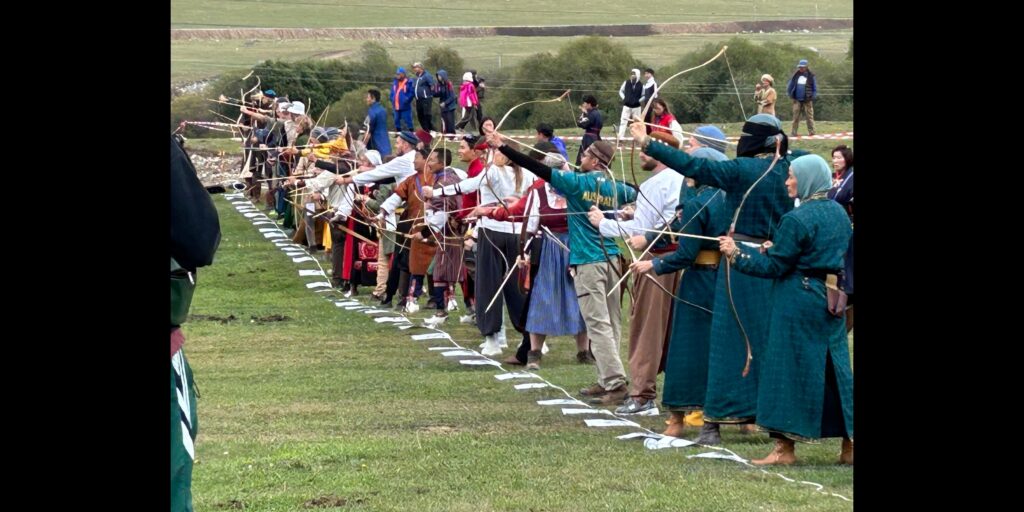
Traditional archery, known as sadak atu, is experiencing a revival in Kazakhstan. As in the past, both boys and girls train in the discipline, a tradition rooted in the realities of steppe life, where women were equally taught to hunt and defend their communities.
Far more than a sport, archery reflects a nomadic philosophy. In ancient times, the bow served both as a hunting tool and a weapon of war, requiring intricate craftsmanship using wood, bone, and animal tendons. Archers learned to shoot from horseback, relying on instinct and experience rather than sights.
Today, this heritage is inspiring a resurgence of interest among young Kazakhs. Archery clubs are opening across the country, competitions are being held, and the traditional art is gaining popularity.
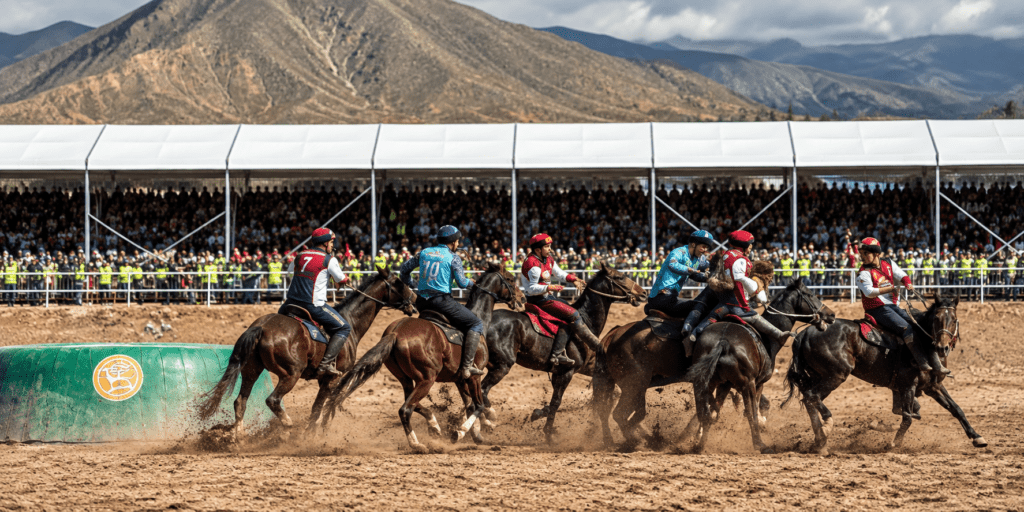
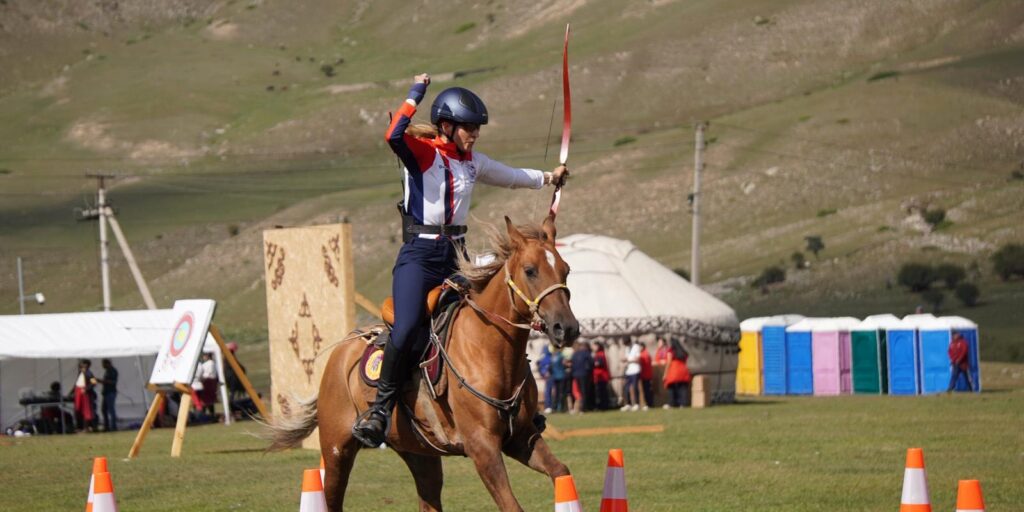
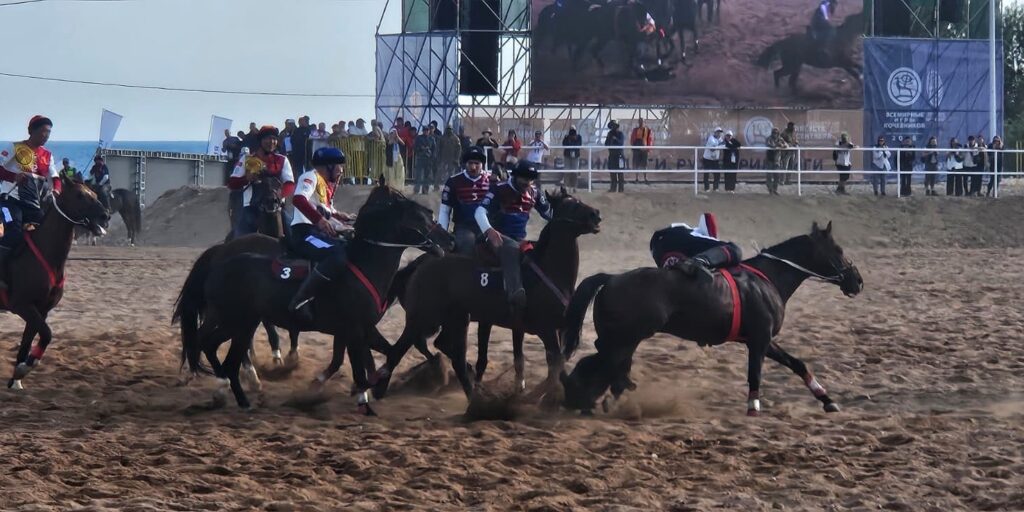
The 5th World Nomad Games, held in Astana in 2024, prominently featured sadak atu among other ethnic sports. Petropavl also hosted the Kazakhstan Youth Traditional Archery Championship, drawing 400 participants aged 10 to 17, many in national attire. Meanwhile, Uralsk hosted the 4th Republican Traditional Archery Championship, with 270 athletes from 18 regions competing. Coaches expect the popularity of sadak atu and zhamba atu, mounted archery, to grow, offering Kazakhs a tangible link to their ancestral culture and a spectacle that continues to impress international visitors.
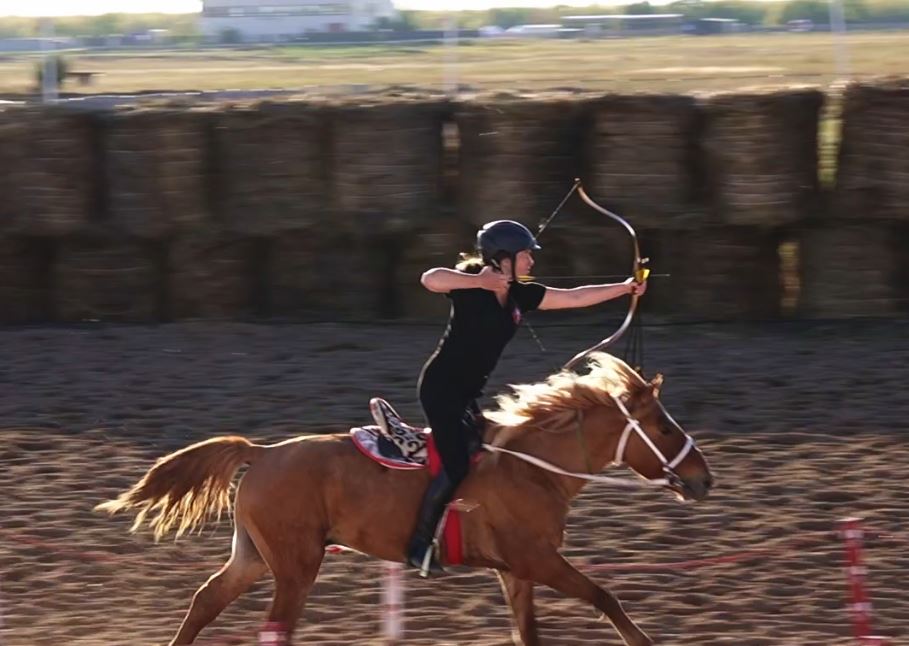
Horseback archery at the World Nomad Games 2024; image: TCA, Ilyas Otan
The Tazy: A National Symbol
The Tazy dog, sometimes referred to as the Kazakh or Central Asian greyhound, holds a special place in Turkic heritage. Once indispensable to nomadic hunters, the breed’s cultural and historical value is now protected by state policy.
In 2023, Kazakh President Kassym-Jomart Tokayev was gifted a Tazy puppy called Nauryz, which is named after the spring festival celebrating renewal. The president emphasized the importance of promoting the Tazy and Tobet breeds internationally and called on the Ministry of Foreign Affairs to participate in preservation efforts. A special law was adopted to support this cause.
By 2024, President Tokayev had three Tazy dogs under his care. He is known to walk them personally in his free time. That same year, he gifted two Tazy puppies to French President Emmanuel Macron. Delivered to Paris, the puppies were named Jules and Jeanne.

The Tazy; image: TCA, Stephen M. Bland
Hunting with Birds of Prey: The Wings of Victory
The tradition of hunting with birds of prey, kusbegilik, has deep roots in Turkic culture, dating back millennia. Archaeological evidence from burial mounds confirms its ancient origins. Today, national competitions in kusbegilik are regularly held in Kazakhstan, with top berkutchi (also known as kusbegi) vying for national titles.
Often passed down through generations, kusbegilik is a family tradition. Young hunters typically start with hawks and falcons before progressing to golden eagles, renowned for their power and difficulty to train. According to legend, during times of hardship, skilled eagle hunters helped entire villages survive by providing food.
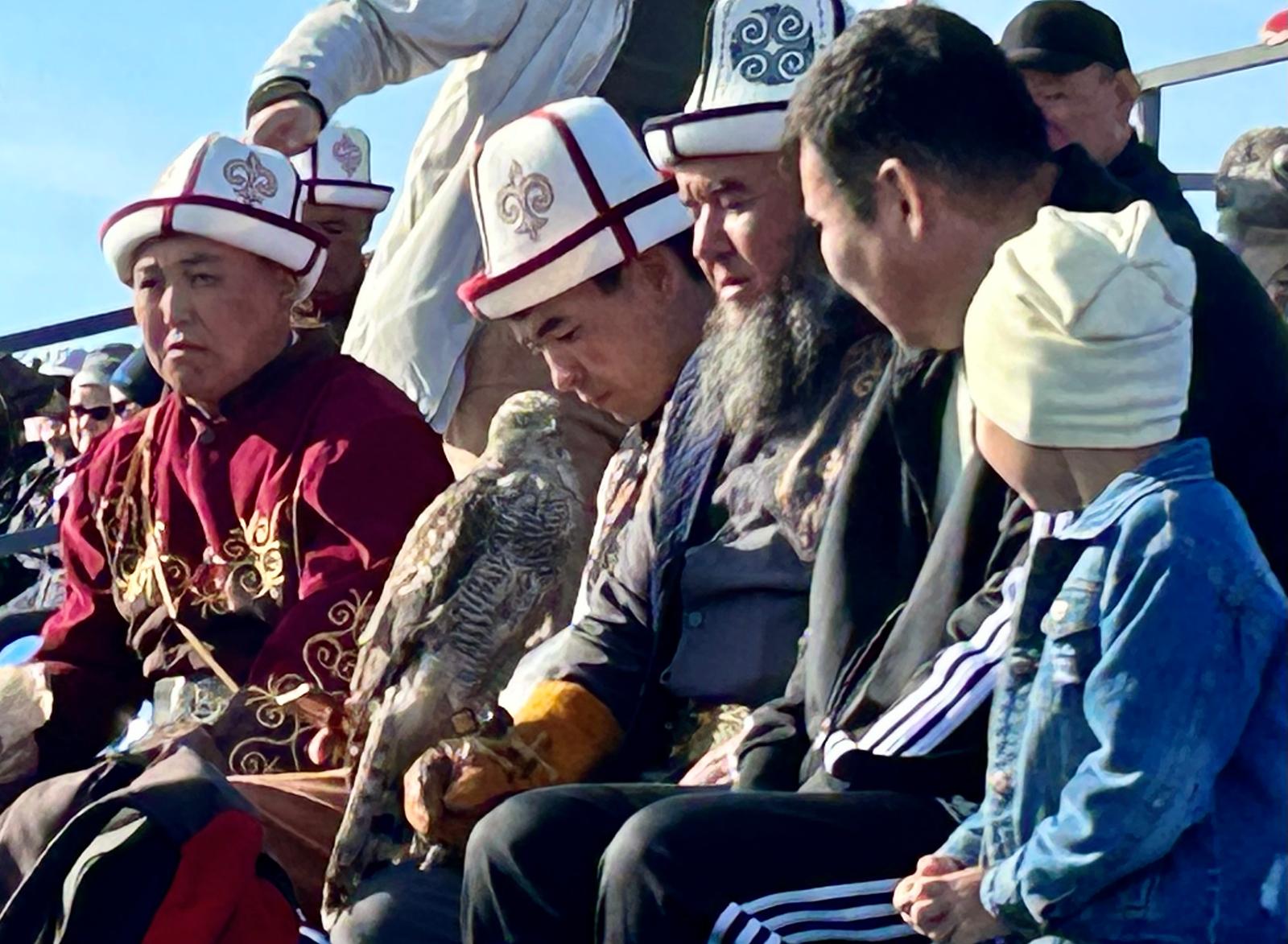
Participants prepare to compete at the World Nomad Games 2024; image: TCA, Stephen M. Bland
Golden eagles, alongside the Tazy and the swift horse, are considered treasured symbols of Kazakh identity. At the 5th World Nomad Games, Kazakhstan took first place in the “Hunting with a Golden Eagle” and “Hunting with a Hawk” categories, while Kyrgyzstan won gold in “Hunting with a Falcon.”
Experts say the revival of these ancient hunting practices does more than preserve cultural heritage; it also supports sports development and boosts tourism.