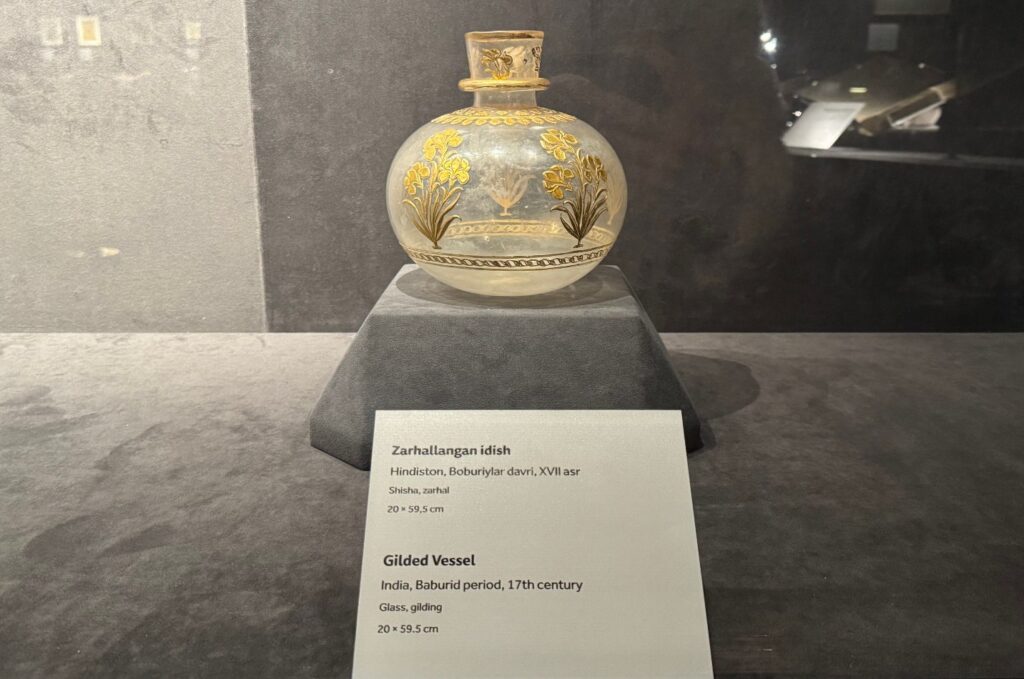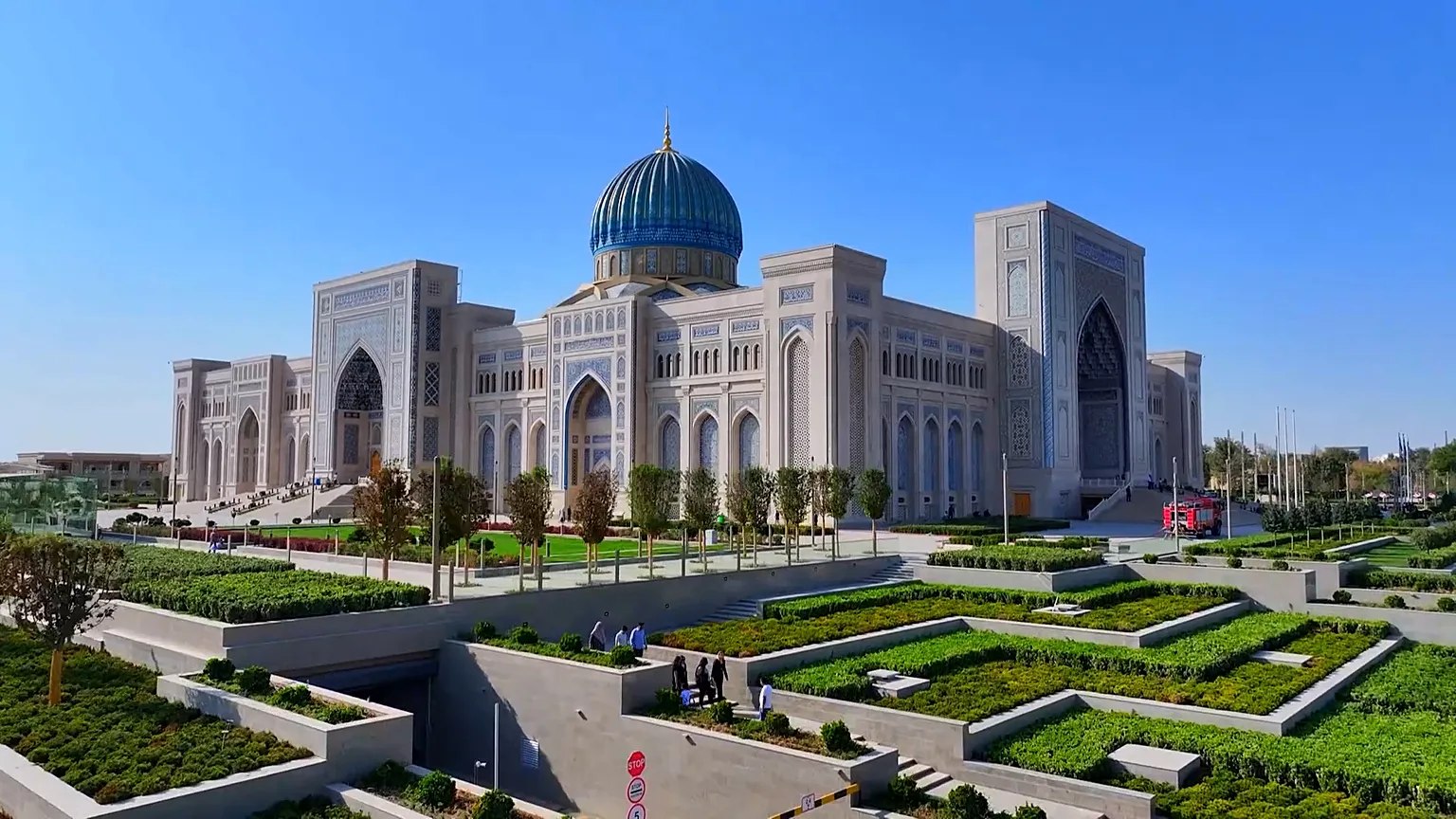
The Center of Islamic Civilization in Uzbekistan has been officially recognized as the world’s largest museum dedicated to Islamic civilization, receiving a Guinness World Records title on April 13.
The recognition was confirmed by Guinness World Records adjudicator Şeyda Subaşı Gemici, who attended the ceremony alongside project architects, designers, and members of the Center’s Scientific Council. The award followed a detailed verification process. The recognition comes as Uzbekistan continues to invest in large-scale cultural infrastructure as part of a broader effort to present its historical narrative and reshape its international image.
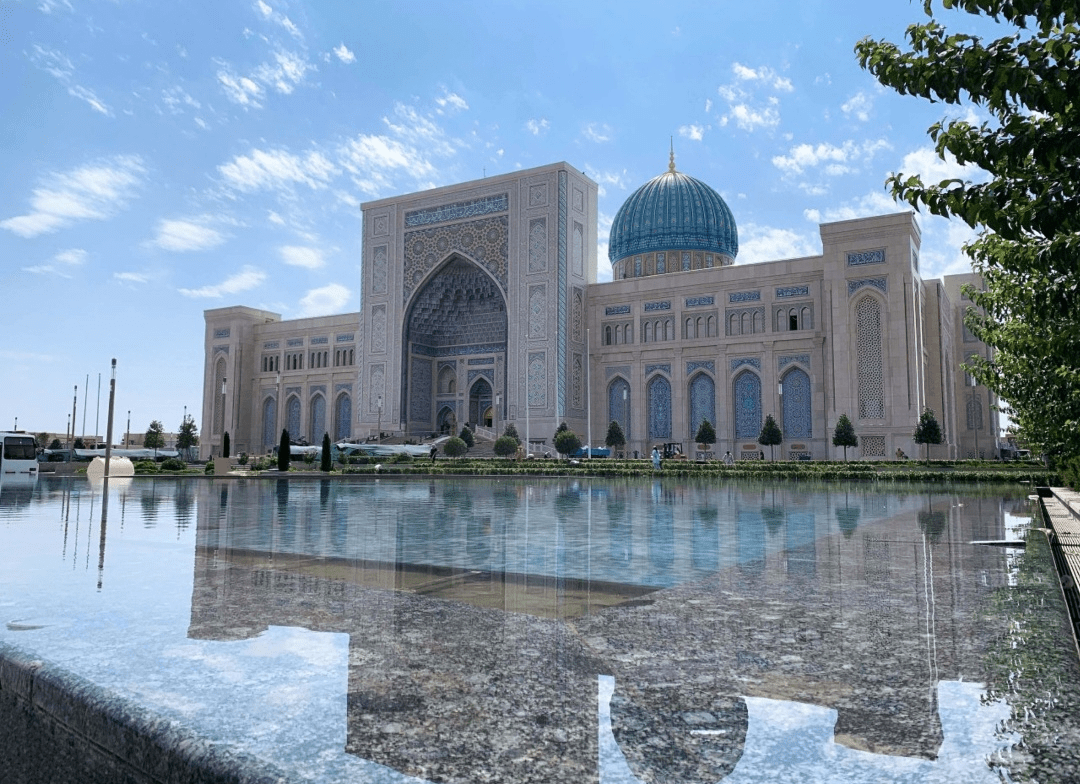
“As an official Guinness World Records adjudicator, I can state that every corner of the museum and every exhibit possesses its own uniqueness and cultural value,” Gemici said. “The evaluation process strictly followed established procedures… every exhibit was recorded and verified by specialists in Islamic archaeology, art, and science.”
She added that the scale and depth of the project left a strong impression, describing it as “an outstanding achievement” and, in Guinness terminology, “Officially Amazing.”
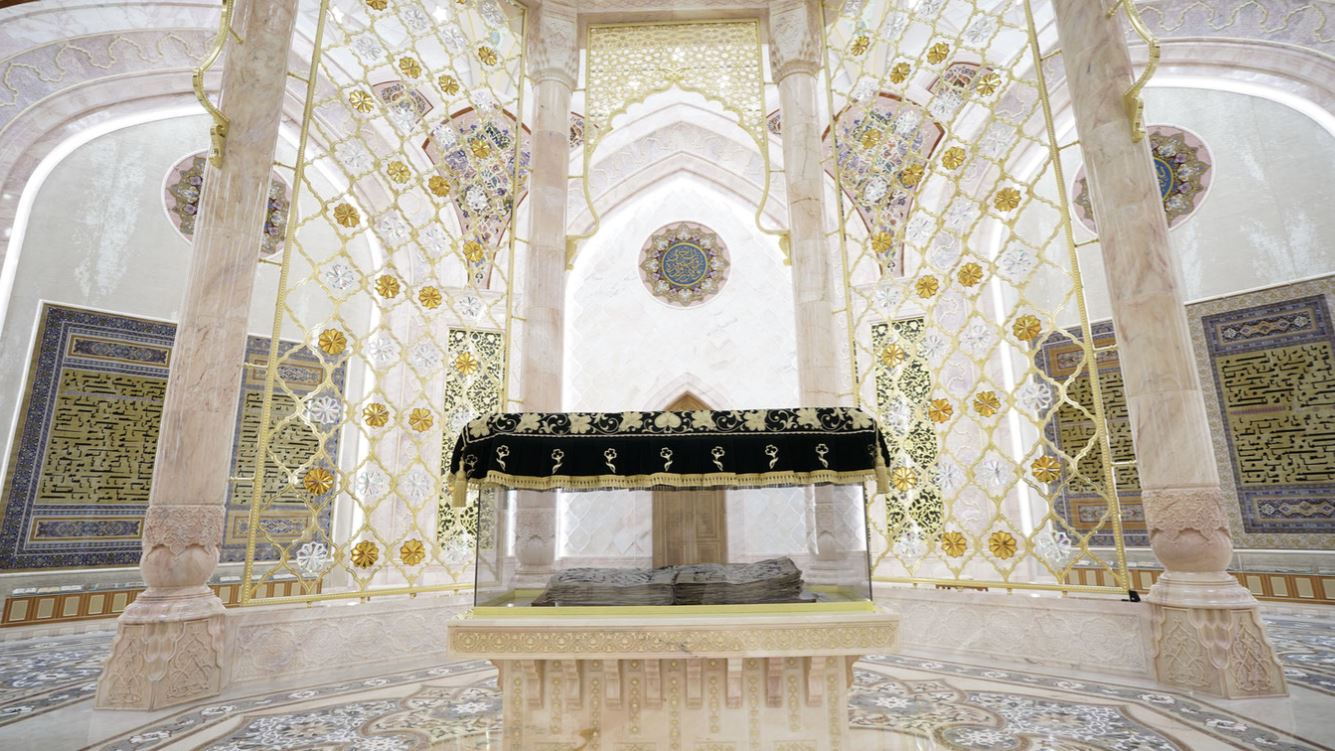
The Center is a large-scale scientific, educational, and museum complex initiated in 2017 under the leadership of President Shavkat Mirziyoyev and completed on March 17, 2026. It was conceived as a platform combining research, cultural heritage, and modern technologies, aimed at showcasing the history and contributions of Islamic civilization. The project reflects a wider policy under Mirziyoyev of positioning Uzbekistan not only as a historical center of Islamic scholarship but as a modern platform for its study and interpretation.
Chief architect, Abdukakhor Turdiev, said the project reflects Uzbekistan’s historical and cultural legacy. “The uniqueness of the Center lies in the fact that its architecture reflects the rich culture and heritage of Uzbekistan,” he said, adding that the country is increasingly positioning itself as an active participant in global cultural dialogue.
Across Central Asia, governments have increasingly used large cultural projects to reinforce national identity and attract international attention, but Uzbekistan has placed particular emphasis on linking heritage with scholarship and global engagement.
According to officials, the complex has quickly become one of the most visited cultural sites in the region, receiving up to 5,000 visitors daily, including both locals and international tourists. That scale suggests the Center is intended not only as a museum, but as a flagship institution shaping how both domestic and international audiences understand the region’s intellectual and cultural history.
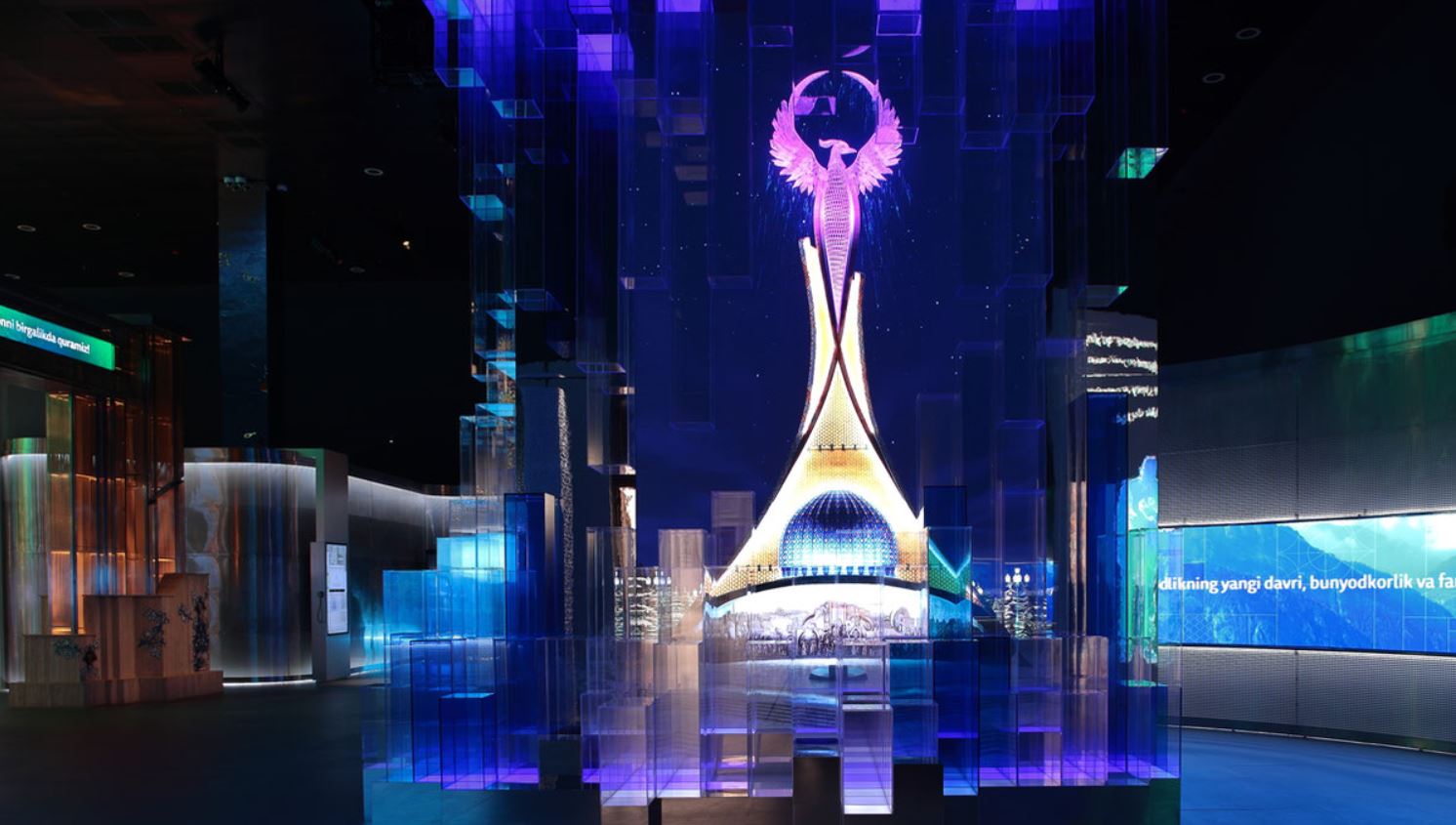
Director Firdavs Abdukhalikov described the award as recognition of years of work by hundreds of specialists. He said the Center’s primary goal is to support scientific and educational projects while preserving and promoting Uzbekistan’s cultural heritage.
Beyond its record-setting size, the Center reflects Uzbekistan’s broader effort to reclaim and reinterpret its place in the history of Islamic civilization. By combining scholarship, state backing, and public accessibility, it positions cultural heritage as both a foundation of national identity and a tool of international engagement.