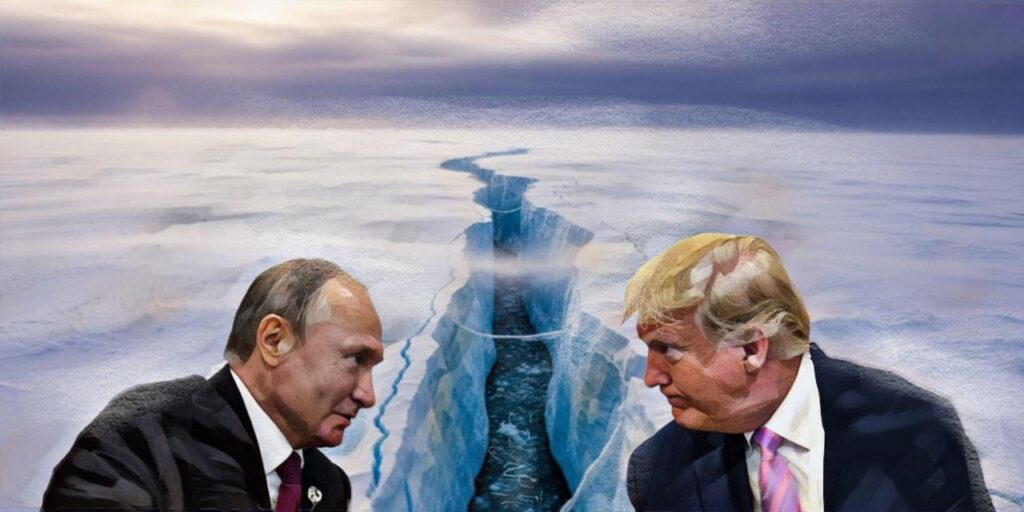
U.S. President Donald Trump and Russian President Vladimir Putin met on Friday in Alaska for their first face-to-face summit since the start of the Ukraine war. Despite optimism from the U.S. side, the talks ended without an agreement on a ceasefire.
The leaders met for nearly three hours at Joint Base Elmendorf-Richardson in Anchorage, following a red-carpet welcome and military flyover. Only a handful of aides joined the private session. Afterward, Trump called the exchange “extremely productive” and said “some headway” had been made, but stressed that “there’s no deal until there’s a deal.” Putin described “progress” and “agreements,” though neither leader offered specifics, and neither took questions.
No Ceasefire, Continued Dialogue
Ending Russia’s invasion of Ukraine dominated the agenda. Trump had vowed to bring the war to a close quickly, but the Alaska talks produced no ceasefire. Ukrainian officials noted that Putin appeared to have “bought more time” as fighting continues. Air raid sirens sounded in Ukraine, and Russian border regions came under drone attack even as the summit unfolded.
Having previously said on the way to his summit with Russian President Vladimir Putin that he wouldn’t “be happy if I walk away without some form of a ceasefire,” U.S. President Donald Trump walked away from the talks with no agreement in place, instead urging Ukrainian President Volodymyr Zelenskyy to “make a deal.”
“I believe we had a very productive meeting,” Trump stated. “There were many, many points that we agreed on… I will call up NATO… I’ll of course call up President Zelenskyy and tell him about today’s meeting… We really made some great progress… I’ve always had a fantastic relationship with President Putin – with Vladimir…We were interfered with by the ‘Russia, Russia, Russia’ hoax,” he added.
“Again, Mr. President, I’d like to thank you very much, and we’ll speak to you very soon and probably see you again very soon,” Trump said. “Thank you very much, Vladimir.”
“Next time in Moscow,” Putin replied, chuckling, with a rare use of English, before Trump abruptly ended his press event, refusing to take any questions.
Both leaders said the dialogue would continue. Trump claimed he and Putin agreed on “most things” and floated the idea of joining a future meeting between Putin and Ukrainian President Volodymyr Zelenskyy. Putin, while not referencing direct talks with Kyiv, urged Ukraine and its allies not to “derail” what he called constructive progress.
Signals from Washington and Moscow
Trump emphasized his desire to stop the fighting, stating, “I want the killing to stop,” and suggested he believed Putin wanted peace as well. He also said he would hold off on imposing new “severe” measures on Russia, a shift from earlier rhetoric. Trump also revealed that he would pause plans to levy tariffs on Chinese imports over Beijing’s purchases of Russian oil, saying progress in Alaska made that step unnecessary for now.
Putin, meanwhile, repeated his long-standing demands that NATO expansion and other “root causes” be addressed before peace can be achieved. He warned that provocations from Ukraine or its partners could undermine what he portrayed as emerging momentum from the summit.
Central Asia on Watch
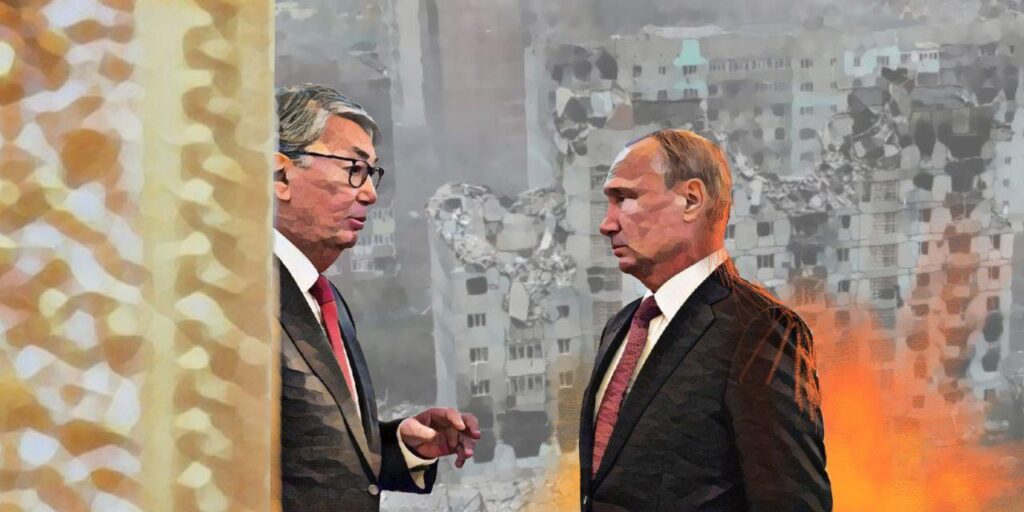
While Europe remains at the center of the conflict, the outcome in Alaska is being closely monitored in Central Asia. The five former Soviet republics of the region have sought to remain neutral while adjusting to the war’s ripple effects. As previously reported by The Times of Central Asia, any outcome could have dramatic repercussions for the region.
The conflict has already reshaped economic and security outlooks. Inflation across emerging Europe and Central Asia spiked to a two-decade high of nearly 16% amid surging food and energy prices. A genuine peace could ease those pressures, reopening trade routes and stabilizing markets. But a prolonged or frozen conflict would leave these states balancing between Moscow, Beijing, and Western powers, walking a fine line to avoid sanctions while diversifying partnerships.
No Central Asian country has commented on the outcome of the summit. For now, Central Asia is watching carefully. Whether the Alaska summit leads to concrete steps toward peace or simply marks another stage in drawn-out diplomacy, its implications will extend well beyond Europe’s battlefields.