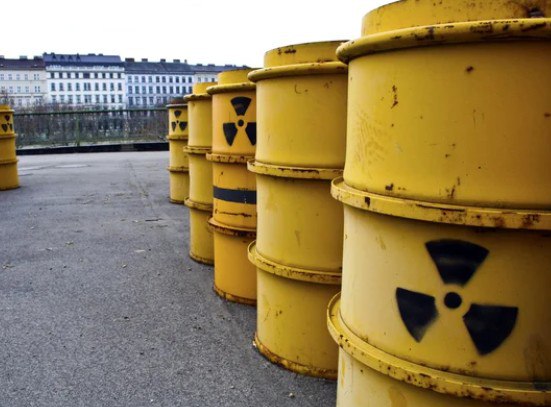
Kazakhstan’s soil is contaminated with radioactive waste, heavy metals, oil, and petroleum products, according to the Central Asia Climate Change and Green Energy Project Office (CACF). The total volume of radioactive materials is estimated at approximately 200 million tons.
These findings are based on the 2024 National Report on the State of the Environment and Natural Resource Use. The document identifies widespread zones of excessive contamination with radionuclides, toxic substances, and heavy metals across the country.
A Radioactive Legacy
Radiation exposure to soil is considered the most hazardous form of contamination. Kazakhstan is home to six major uranium provinces, along with dozens of smaller deposits and ore occurrences, contributing to naturally elevated levels of radioactivity.
Over the full operational period of the country’s uranium mining industry, an estimated 200 million tons of radioactive waste have been generated.
Military infrastructure further compounds the environmental burden. Kazakhstan has four military test sites and the Baikonur rocket and space complex. The zones where rocket booster stages fall span vast areas of Karaganda, Ulytau, Akmola, Pavlodar, and East Kazakhstan regions. According to scientific data, approximately 9.5 million hectares of land are contaminated with the byproducts of rocket fuel combustion and debris.
Elevated levels of radionuclides, heavy metals, and toxic compounds have been recorded in areas surrounding these facilities.
Heavy Metals Intensify the Pressure
Soil contamination is also acute near major cities and industrial centers, exacerbated by the growing number of motor vehicles.
Additional pollution originates from metallurgical and mining operations. In areas around the towns of Ust-Kamenogorsk, Ridder, Zhezkazgan, Shymkent, and Karaganda, the concentrations of lead, copper, zinc, and cadmium significantly exceed permissible limits.
In the Syr Darya River plains of the Kyzylorda region, lead concentrations are double the legal threshold, while nickel levels exceed standards by roughly 1.5 times. Soil degradation is further aggravated by salinization caused by the discharge of highly mineralized drainage water.
Billions of Tons of Industrial Waste
All of Kazakhstan’s industrial regions now contain ecologically hazardous zones, including slag heaps, tailings ponds, mining dumps, and quarries. These collectively cover more than 60,000 hectares.
Enterprises in the non-ferrous metallurgy sector alone have generated over 22 billion tons of industrial waste, including around 4 billion tons of mining byproducts. Of this, more than 1 billion tons consist of toxic enrichment waste, and over 100 million tons are metallurgical waste.
According to the Ministry of Ecology and Natural Resources, Kazakhstan’s total industrial waste volume has reached 31.5 billion tons. More than 1 billion tons of new waste are produced each year, with roughly 70% consisting of man-made mineral formations such as overburden and ash.
Oil Pollution: A Persistent Challenge
Oil contamination is another major environmental threat. In western Kazakhstan, nearly 200,000 hectares of land are affected by oil and petroleum products. The total volume of oil spills exceeds 5 million tons.
The highest levels of pollution have been recorded in the Atyrau region near the Makat field, where petroleum concentrations in soil surpass regulatory limits by more than 1,000 times. Severe pollution has also been reported near the Dossor, Komsomolskoye, Tanatar, Tentexor, and Iskene fields, with exceedances ranging from tens to hundreds of times over permissible levels.
Future Risks Amid Nuclear Expansion
Environmental concerns are gaining urgency in light of Kazakhstan’s nuclear energy plans. The country aims to build at least three nuclear power plants, with construction already underway on the first facility.
In this context, the government is considering the former Semipalatinsk nuclear test site as a potential location for radioactive waste storage.
The accumulation of radioactive and industrial waste over decades now constitutes a critical long-term risk to Kazakhstan’s sustainable development.