Kyrgyzstan chess development is a priority of state social policy, according to a decree signed by the country’s president, Sadyr Japarov. Through measures such as after school clubs and training a new generation of teachers, Kyrgyzstan to the sport known as the “Game of Kings”.
The decree, titled “On Urgent Measures for the Development and Popularization of Chess in the Kyrgyz Republic for 2026-2030,” calls for creating conditions to broaden access to chess and strengthen the country’s system for training players and coaches.
Under the decree, the Cabinet of Ministers and the Kyrgyz Chess Union have been tasked with drafting a National Program for the Development and Popularization of Chess by September 1, 2026. A Chess Development Fund is also envisaged to provide financial backing for the sport.
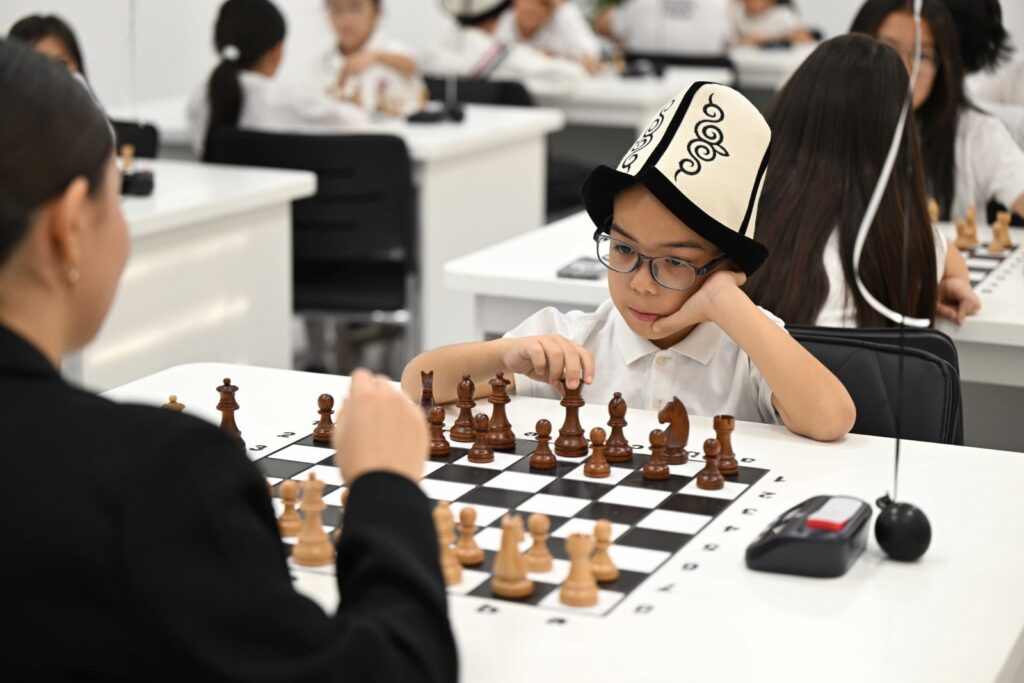
One of the centerpiece projects is “Chess in Schools,” a pilot program that will introduce after-school chess clubs at 500 schools across the country for students in Grades 3-5 .
The decree also establishes annual presidential awards for the country’s best chess player and best chess coach, with nominees to be proposed by the Kyrgyz Chess Union.
The initiative has been welcomed by Aida Salyanova, the newly elected president of the Kyrgyz Chess Union and a former prosecutor general of Kyrgyzstan.
Salyanova said government support creates an opportunity to turn chess into one of Kyrgyzstan’s intellectual brands and a tool for developing strategic thinking, discipline, and decision-making skills amongst young people.
In a statement published after her election on May 23, she described state support for chess as an investment in human capital rather than merely support for a sport.
“Chess should become part of the country’s modern educational, digital, and intellectual environment,” Salyanova said, adding that the long-term goal is to create a sustainable system extending from school chess programs to international competitive success.
Kyrgyzstan has an active chess scene, though it remains a modest player internationally. At the 2025 national championship, the open title was won by International Master Eldiyar Orozbaev, while Woman FIDE Master Begimai Zairbek Kyzy won the women’s event. Five of the top 10 finishers in the open tournament were under 20, suggesting the country already has a young competitive base on which the new program can build.
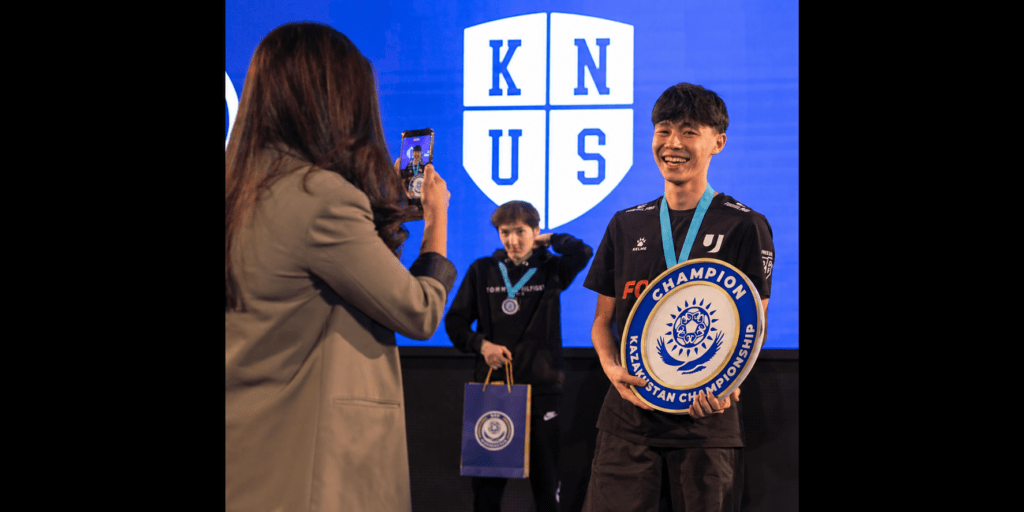
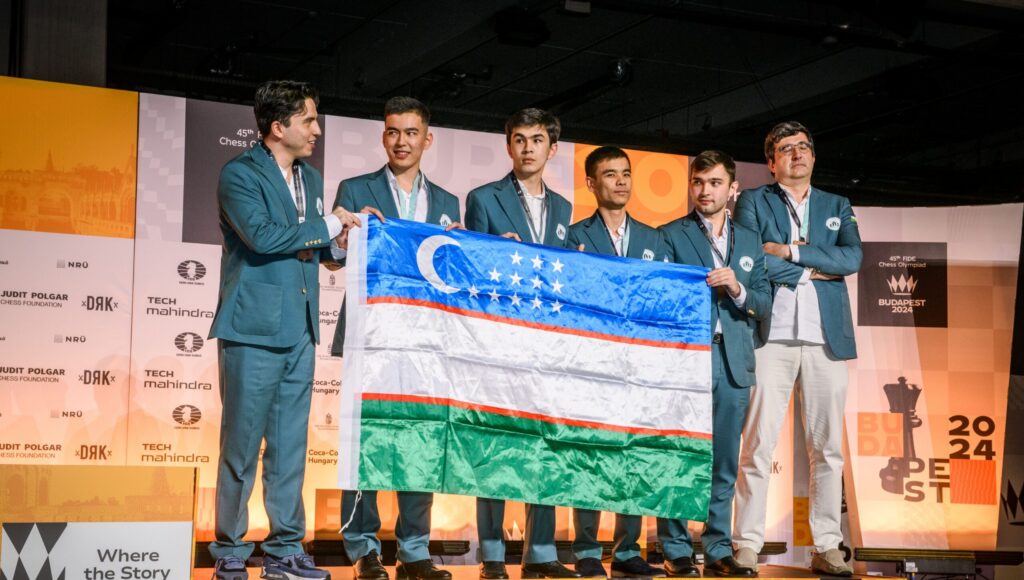
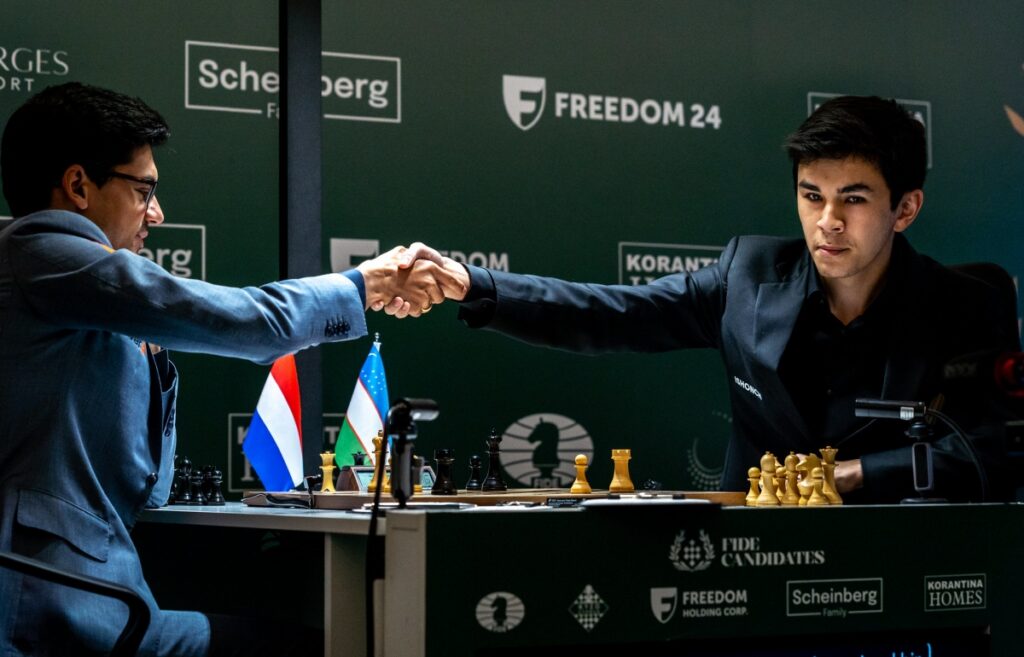
The decree comes as chess is attracting wider attention across Central Asia. Uzbekistan’s Nodirbek Abdusattorov won the elite Tata Steel Chess Tournament in the Netherlands in early 2026 and later rose to fourth in the live world rankings after victory at the Prague Chess Festival Masters. Kazakhstan has also been investing in chess education, including through KazChessLab, a program designed to train chess teachers for secondary schools.