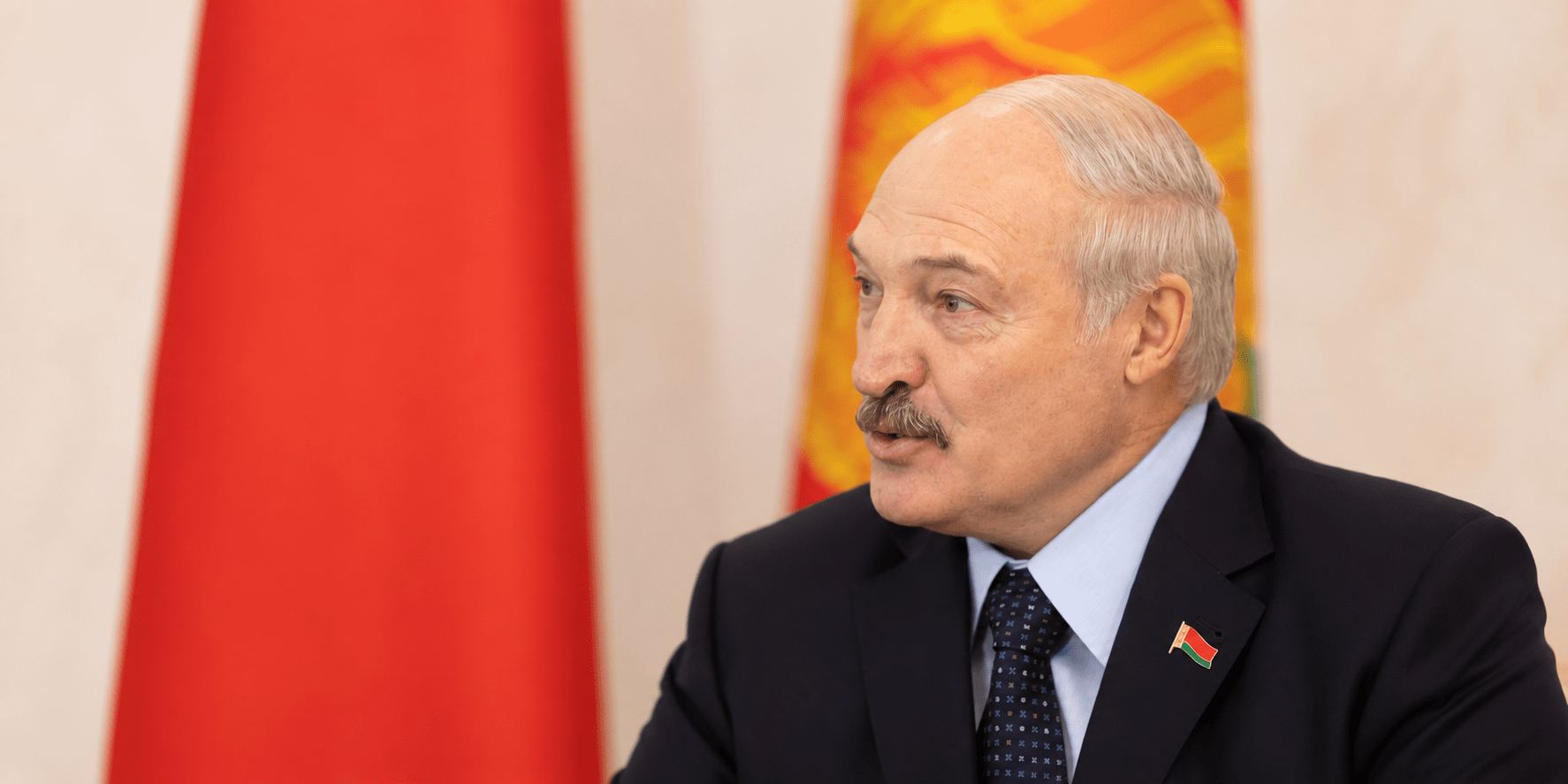
Belarusian President Alexander Lukashenko has said Uzbek citizens coming to Belarus should not expect to earn several thousand dollars, suggesting that those seeking significantly higher salaries would be better off working in Russia instead. His remarks come as Belarus expands labor recruitment from Uzbekistan following complaints from some Uzbek workers about low wages.
Speaking during a nationwide government meeting on July 21, Lukashenko returned to the issue of recruiting workers from Uzbekistan following recent agreements between the two countries to expand labor cooperation. Earlier this month, he invited Uzbek citizens to move to Belarus with their families, saying the country was ready to provide jobs as well as access to healthcare and education.
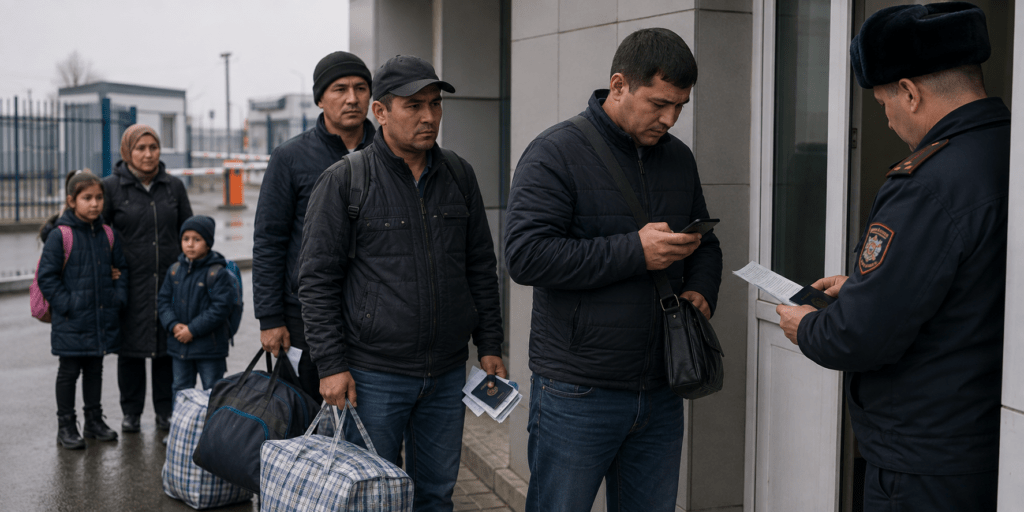
Following those agreements, more than 250 residents of Uzbekistan’s Andijan Region traveled to Belarus to take temporary jobs in agriculture and livestock farming.
However, shortly after arriving, some workers publicly complained about wages and working conditions. In videos circulated online, they said they had been offered monthly salaries of around $500, adding that they could earn similar incomes without leaving Uzbekistan.
Addressing the issue, Lukashenko said labor cooperation was driven not only by Belarus’ need for workers but also by plans to expand agricultural trade between the two countries.
“The President of Uzbekistan asked not only about employing people but, first of all, about supplying meat and milk,” Lukashenko said. “They do not have enough land and they lack water resources. We have enough land and enough water. We can produce meat and milk.”
According to Lukashenko, Uzbek workers would help increase agricultural production, enabling Belarus to export more food products to Uzbekistan.
“If your people from Uzbekistan come through our system which is fully under control; we will employ them in Belarus as our own people,” he said. “Not only so they can earn money and receive a good salary, but to produce meat and milk. We will then sell that meat and milk on their markets. That is where the wages come from.”
The Belarusian leader nevertheless acknowledged that some workers might have different financial expectations.
“If someone wants to come to Belarus to earn huge money,several thousand dollars, it is better to go to Russia,” Lukashenko said. “There they can work in the oil industry or other sectors and receive very high salaries.”
He said Belarus was offering stable employment in agriculture rather than exceptionally high wages.
“The higher the productivity and the more goods they produce, the higher their salaries will be,” he said.
Lukashenko also said foreign workers would receive the same access to healthcare and education as Belarusian citizens, while emphasizing that regional authorities should recruit migrant workers only where there was genuine demand.
Concluding the meeting, he called on officials to focus on the harvest campaign and meeting export commitments, urging regional authorities and law enforcement agencies to assist farmers during the agricultural season rather than acting solely as inspectors.
The Times of Central Asia previously reported that labor migration patterns across Central Asia are gradually becoming more diversified as Russia faces growing competition for foreign workers. Alongside traditional destinations, countries including Belarus, South Korea, the Gulf states, the United Kingdom, and Poland have stepped up efforts to recruit workers from the region, reflecting a gradual shift in migration routes rather than a complete departure from Russia’s dominant role.