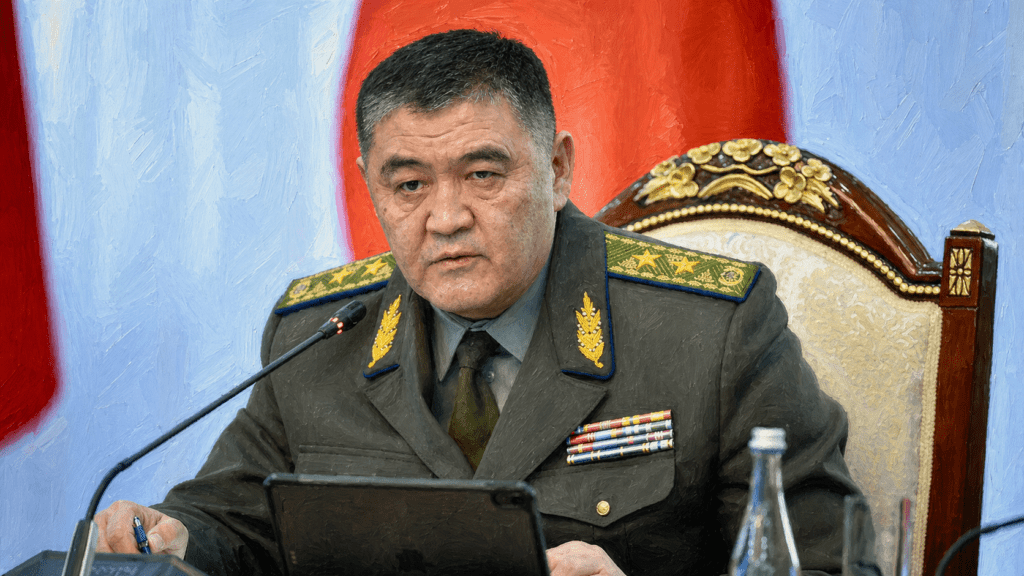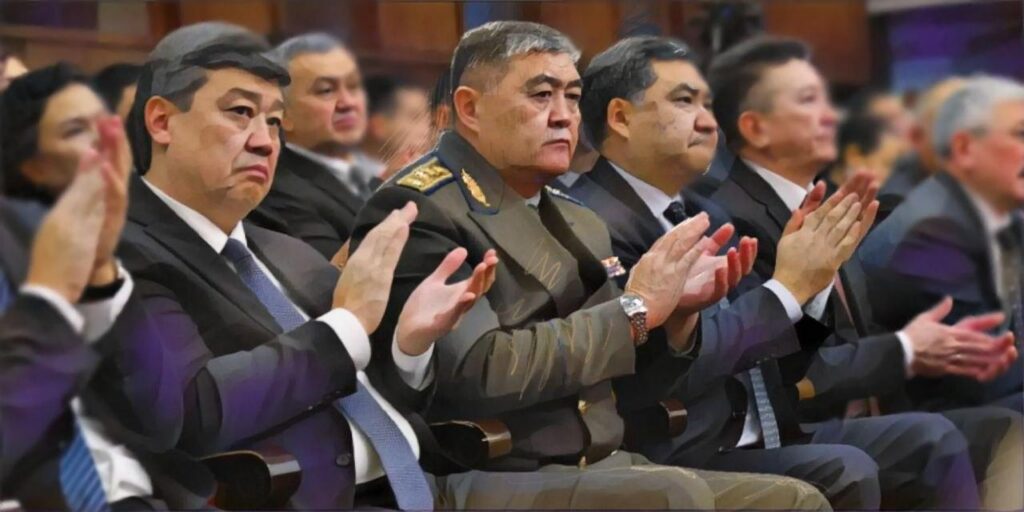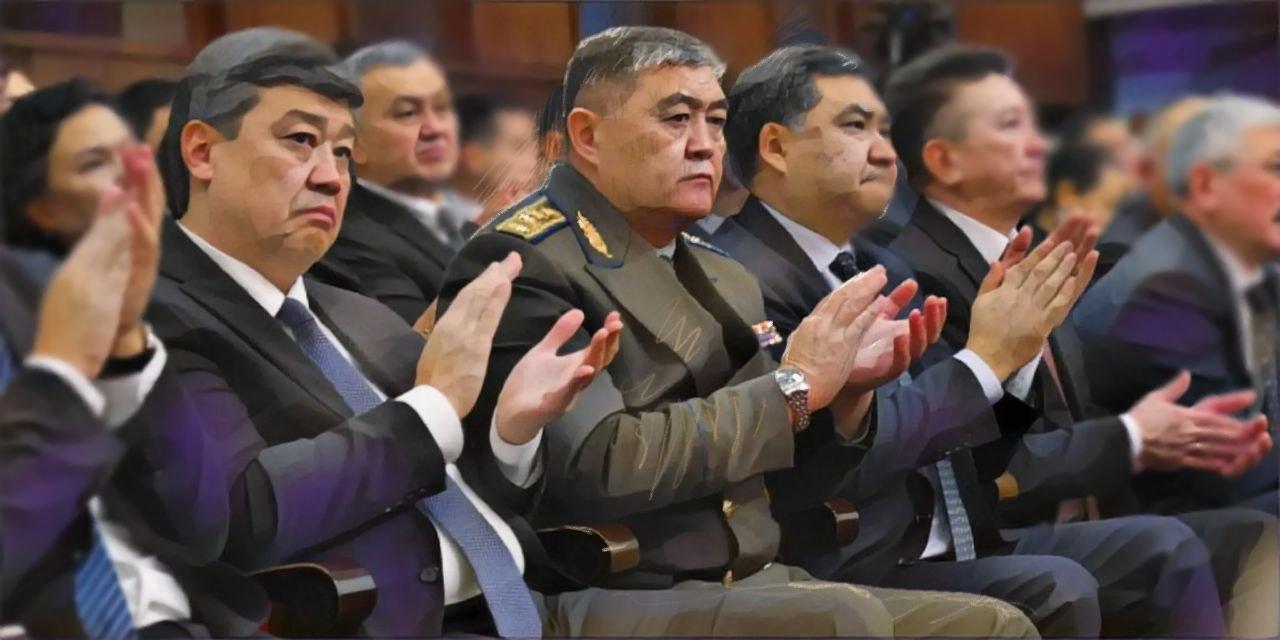
Kyrgyz prosecutors are asking an appeals court to send former security chief Kamchybek Tashiyev and seven other defendants to prison. A lower court convicted all eight in July of preparing to seize power by force, but allowed them to remain free on probation.
The appeal is being heard by the Bishkek City Court, with the hearing taking place behind closed doors. Prosecutors are challenging the sentences handed down by the trial court.
The “Letter of 75” case arose from an open letter signed on February 9 by 75 politicians, former officials, and public figures. The authors called for an early presidential election amid a dispute over when President Sadyr Japarov’s current term should end. Five of the signatories were among the eight people later charged with preparing to seize power by force.
Before his dismissal, Tashiyev had been one of Kyrgyzstan’s most powerful officials and a central figure in Japarov’s government. Japarov appointed his longtime ally to lead the State Committee for National Security (GKNB) after coming to power in 2020, but dismissed him on February 10, 2026, saying the move was needed to “prevent a split in society” and state institutions. The dismissal ended a five-year governing partnership and was followed by personnel changes across the GKNB and other state bodies.
Eight people eventually stood trial, including Tashiyev, former Prosecutor General Kurmankul Zulushev, and former parliamentary speaker Nurlanbek Turgunbek uulu. The trial court found all eight guilty and sentenced them to four years in prison with confiscation of property, but exempted them from serving the prison terms and placed them under supervised probation for three years. They were acquitted of the separate charge of abuse of office. The Times of Central Asia previously reported in detail on the verdict and the circumstances surrounding the case.
Prosecutors had sought nine-year prison terms at the original trial. According to defense lawyers, they are now asking the appeals court to impose the same terms on all eight defendants.
Some of the defendants have also appealed their convictions and are seeking acquittal. During the appeal, the defendants again raised one of the disputed issues in the case: why criminal proceedings targeted only some of the people involved when the open letter had 75 signatories.
Five defendants who had signed the letter asked the court to give a legal assessment of the actions of the other 70 signatories. The appeals panel granted the request and agreed that the other signatories could be called for questioning, with the defense responsible for securing their attendance.
If prosecutors prevail, the appeal would reverse the main practical outcome of the July trial: all eight defendants were convicted of preparing to seize power by force, but none was sent to prison.