Zhandos Sabit spent more than 15 years in Kazakhstan’s public service, including the Ministry of National Economy, a regional akimat, and the Prosecutor General’s Office. He now works in the private sector.
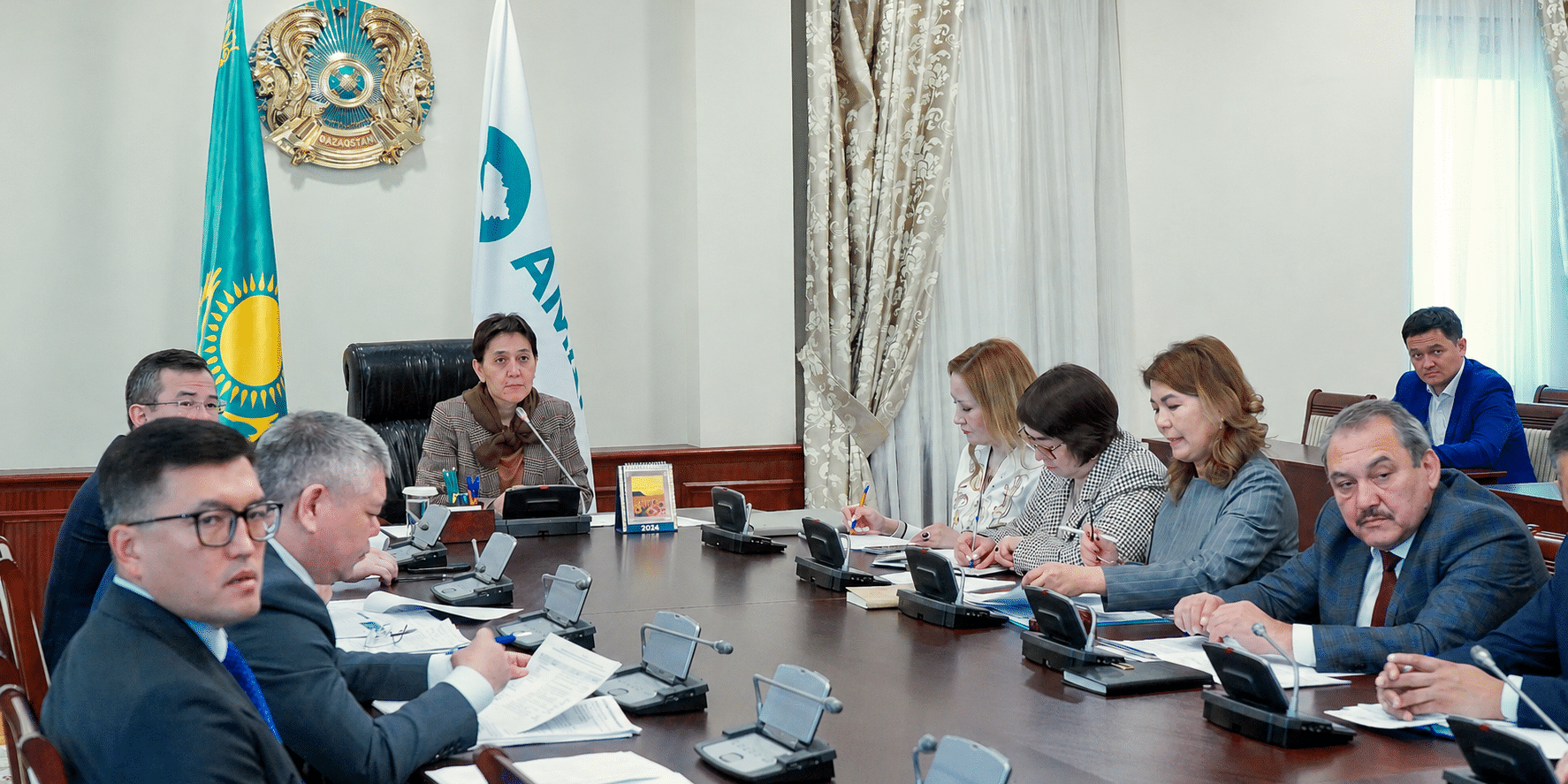
In March 2014, I went to a meeting in Astana on the development of the machine-building industry. It was held at the then Ministry of Industry and New Technologies. Officials from central and local bodies came, along with the National Chamber of Entrepreneurs and several business owners. I was there as a representative of a state body. When the entrepreneurs began to talk about problems in the industry that we had never heard of, and about how to solve them, I was surprised. They were asking how to increase local content. We were asking whether a proposal complied with current legislation. It turned out that we civil servants knew the resolutions and laws of the sector, and not much beyond that. We sat at one table and spoke about different things. I have seen the same in other sectors since.
My former colleagues may take offense, but I will say what I think: many civil servants, myself included in those years, were lawyers and bureaucrats first. That is how the system trains us. Faced with a problem, the first question is whether an idea contradicts the law, and only rarely whether the idea works. Nobody can be blamed for this, because the rules are what an official is held responsible for. It does mean that civil servants should lean on people who know a sector from the inside and take their suggestions seriously.
I saw another side of this when I worked in a regional akimat. We prepared a road map for developing the communications sector in the region and agreed it with the central body. Wherever an item needed a decision from the center or money from the republican budget, the central body either struck it out or rewrote it as “study the issue”, with “provide information” as the expected result. I understand why: the center answers for the budget and for every precedent it sets. But how long can an issue be studied? Colleagues in the region put it bluntly: go and fight for the money from the republican budget yourselves. An idea can sit for years between two levels of government, and nobody has done anything wrong.
Kazakhstan’s “Listening State” concept raises a question: what happens to what the state hears? I spent more than 15 years in public service, and my proposal comes from that work.
Kazakhstan already has channels for individual appeals, and eOtinish is one of them. They are there to answer a person. My proposal is the next step: a platform for solving problems that keep coming back. Its unit would be a problem together with a proposed solution, not a letter. Appeals, petitions, input from business associations, and regional statistics are kept in separate places today, and an AI-assisted system could read them together. If dozens of complaints about delayed services come from different regions, they may trace back to one outdated procedure. Instead of dozens of replies, the responsible ministry would receive one question: why does this procedure exist, and can it change? People would still make every decision.
Entrepreneurs, researchers, civic activists, and local communities could bring their own proposals to the same platform. I would like working groups of qualified specialists from each sector to examine them. The people who know the sector would shape the ideas, and the ministries would check them against the law and the budget. Young and old, scientists and critics should all be able to take part.
What happens after that is crucial, and the road map shows why. A proposal that needs a decision from the center or money from the republican budget should get a clear answer within a fixed time: either it goes ahead, perhaps as a pilot, or it is declined, with reasons. “Study the issue” should not be an acceptable outcome.
I would place responsibility for monitoring deadlines with a designated body in the Presidential Administration or the Prime Minister’s Office. Once a working group endorses a proposal, the responsible ministry should have 60 days to approve it, possibly as a pilot, or decline it with written reasons. Overdue responses would be escalated to the coordinating body, with each proposal’s status and deadline published.
When a proposal looks promising, one region could test it for a year under a special regime, so that the decision rests on results. Once a year, the results would be published, together with a list of what changed because of citizens’ proposals, and the best of them would go into a nationwide plan.
I am not saying that we lack strategies and programs. We have plenty, and the country has gained from them. Many were prepared together with foreign experts, who bring valuable experience. But an expert in Europe cannot know what is happening in a remote village, and the real capacities of our regions are best known to the people living there. Local specialists should take a larger part in drafting.
There is also the matter of continuity. The “Ak Bulak” program for 2011–2020 was folded into the Regional Development Program to 2020 in 2014. There may have been good reasons. Still, it sometimes looks as if a new program takes over before the old one has been fully assessed, and the goals that were not met quietly drop out of view. A public record of what each program achieved would help the next one, and would give credit to the people who carried out the first.
The law and the budget set limits on what can be done, and a citizen should be able to see how each decision was reached.
The views expressed in this article are those of the author and do not necessarily reflect the official policy or position of the publication, its affiliates, or any other organizations mentioned.