Kazakhstan’s science ministry plans to revise how it measures the commercial success of publicly funded research. The Supreme Audit Chamber found that only 38 of 141 completed projects generated steady sales over the past three years. The other 103, worth a combined 22 billion tenge (about USD 49 million), missed their production and sales targets.
Alikhan Smailov, the chamber’s chairman, presented the findings at a November 11 session of the Kurultai, Kazakhstan’s unicameral parliament. He said research institutions often cite publications, patents, and reports that a technology has been put to use as evidence of success. Auditors found no record of an agreement to use any of the 60 patents they examined.
Kazakhstan, Central Asia’s largest economy, is seeking to reduce its dependence on exports of oil, uranium, and metals by developing its own technologies and expanding manufacturing. Between 2022 and 2025, annual spending on research and development (R&D) more than doubled, from 122 billion tenge (about $273 million) to 262 billion tenge ($585 million). Even so, R&D spending in 2025 accounted for just 0.16% of gross domestic product, against a target of 1%. The government’s share of funding rose from 55% to 82%, which auditors attributed in part to weak business demand for domestic research.
One effort to bring research into industry is a rare metals research center in Almaty that opened in October with South Korean support. Backed by a five-year funding program worth about $15 million, the center plans to develop mineral processing technologies and test them with Kazakh mining and metallurgical companies.
Auditors also found problems with how the government selects and funds research. Of 393 scientific and technical assignments approved for 2023–2025, 149 worth 67 billion tenge (about $150 million) were never carried out. In 2025, calls for funding applications went out up to 208 days late, delaying research. The national scientific councils that review those applications also faced potential conflicts of interest. Of their 225 members, 84 belonged to research teams working on 127 projects, and 27 council members were principal investigators.
Seventy-nine projects received 62 billion tenge (about $139 million) without detailed spending plans. Researchers could receive 96% to 98% of a project’s funding before its final evaluation and keep that money even if the final report was rejected.
Mining companies are required to set aside 1% of the previous year’s extraction costs for R&D. Smailov said weak oversight had allowed some of the money intended for industrial research to go into bank deposits, securities, and repurchase agreements, in which an asset is sold with a commitment to buy it back.
Overall, the chamber identified 51 billion tenge (about USD 114 million) in financial irregularities and another 47 billion tenge (about USD 105 million) in inefficient planning and spending. Smailov said 13 billion tenge had to be repaid. The remaining 38 billion tenge could be accounted for by correcting records, delivering goods, or completing outstanding work. The chamber referred 36 cases to the authorities for possible administrative penalties and decided to refer three others to law enforcement.
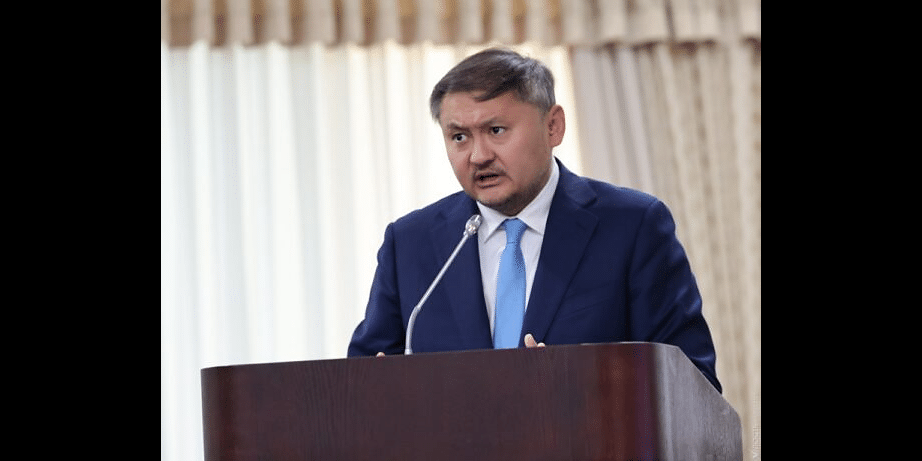
At the same parliamentary session, Minister of Science and Higher Education Sayasat Nurbek cited figures for a larger group of projects. Of the 386 that received support from the state-run Science Fund to bring their research to market, 241 had begun making sales, 31 had entered export markets, and nine had recorded sales of more than 1 billion tenge (about $2.2 million) each.
A lawmaker asked Nurbek why the fund reported a commercialization rate of 43.6% when the auditors calculated 15.7%.
“We use a somewhat different methodology that evaluates various indicators. The Supreme Audit Chamber takes a very direct, rigorous approach: Are there sales? What is the sales volume? How much money was invested, and how much profit is the company making?” Nurbek said.
He acknowledged the case for stricter criteria and pledged to bring the ministry’s assessments closer to the auditors’ approach.