Pakistan has invited Turkmenistan to participate in the Central Asia–South Asia Electricity Transmission and Trade Project (CASA-1000), which would facilitate electricity trade between the Central Asian countries of Tajikistan and Kyrgyzstan, and the South Asian countries of Afghanistan and Pakistan.
Awais Leghari, Pakistan’s energy minister, suggested the idea to Annageldi Saparov, his Turkmen counterpart, during a meeting in Islamabad on Monday.
“He also shared that Pakistan has encouraged Tajikistan and Kyrgyzstan to explore extending the CASA-1000 transmission line to Uzbekistan and Turkmenistan,” the Pakistani government’s information service said.
Leghari also commented on another power transmission project called TAP, which stands for Turkmenistan-Afghanistan-Pakistan. He said Pakistan had already provided three of seven technical data sets required for progress, and that Turkmenistan needs to expedite the information. The Pakistani side proposed a meeting of technical working groups of both countries as soon as possible, in order “to chalk out a clear roadmap within a few weeks.”
Pakistan, which has suffered severe electricity shortages, high costs and other problems over the years, believes the two power transmission projects with Central Asia can help to meet its needs and develop its economy. There are various challenges, including security concerns and geopolitical shifts, the tense relationship between Pakistan and Afghanistan, as well as the possible impact of climate change and growing local demand on hydropower resources in mountainous Tajikistan and Kyrgyzstan.
Work on the Afghan portion of the CASA-1000 project stopped for several years after the Taliban returned to power in Afghanistan in 2021. Then work resumed under a process overseen by the World Bank. Additionally, CASA-1000 was approved in 2014 as primarily a one-way electricity transmission system – Central Asia to South Asia — and Pakistan is now looking to adjust terms of the deal because it currently has a domestic surplus of electricity.
“Converting it into a two-way flow will enable power exchange during mutual times of need. It will also make the project economically and financially more sustainable,” Leghari said, according to the Pakistani government statement.
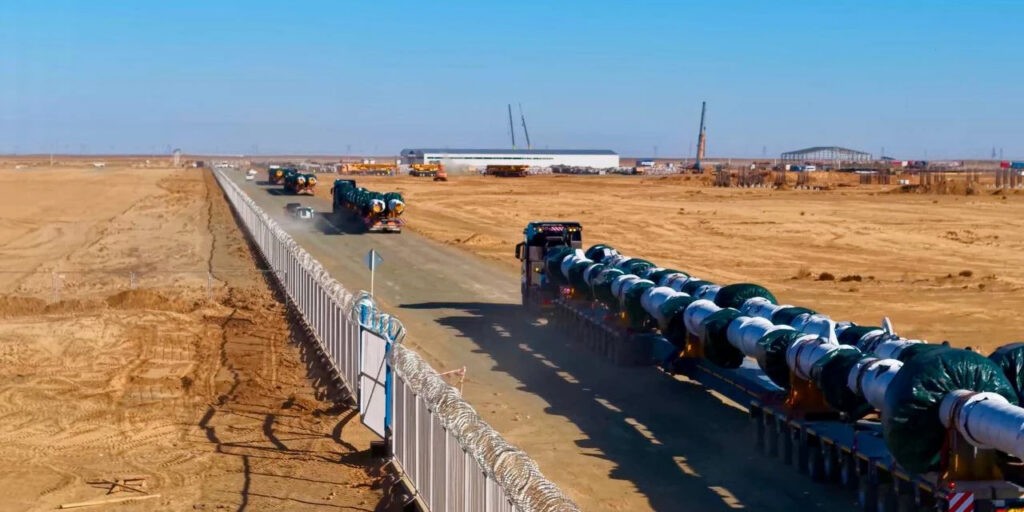
Saparov, the Turkmen energy minister, told Leghari that Turkmenistan would soon share the required data for the TAP power transmission project and that Ashgabat had completed laying the transmission line up to the Afghan border, according to the Pakistani statement.
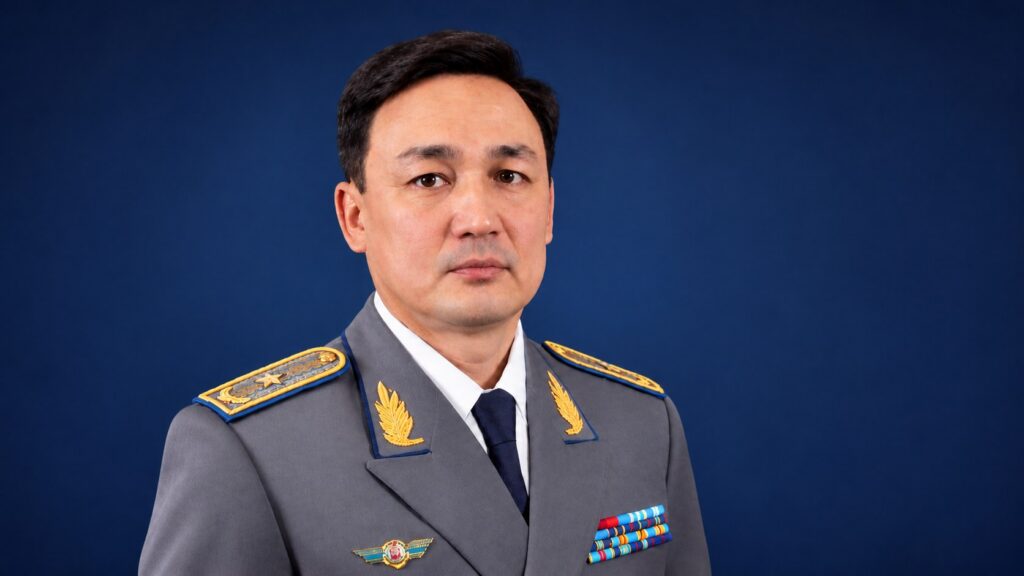
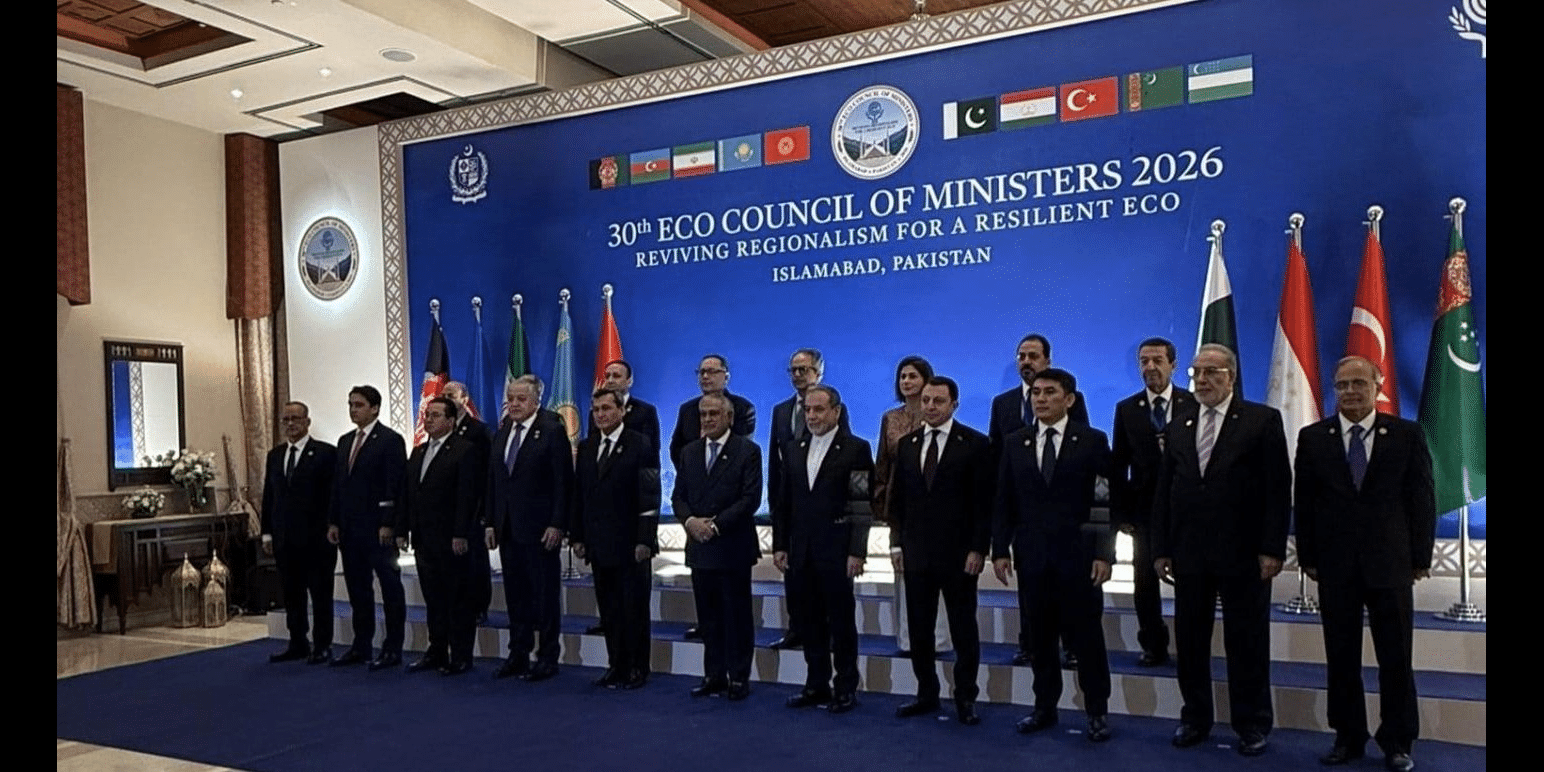
Rashid Meredov, Turkmenistan’s foreign minister, was leading his country’s delegation in Islamabad for discussions with other countries on Eurasian economic issues. Turkmenistan noted the strategic importance of another energy project, the Turkmenistan–Afghanistan–Pakistan–India (TAPI) gas pipeline, as well as Turkmenistan’s readiness to increase electricity exports, according to the foreign ministry.
“The need to involve Afghanistan in regional economic processes was also highlighted,” the Turkmen ministry said.