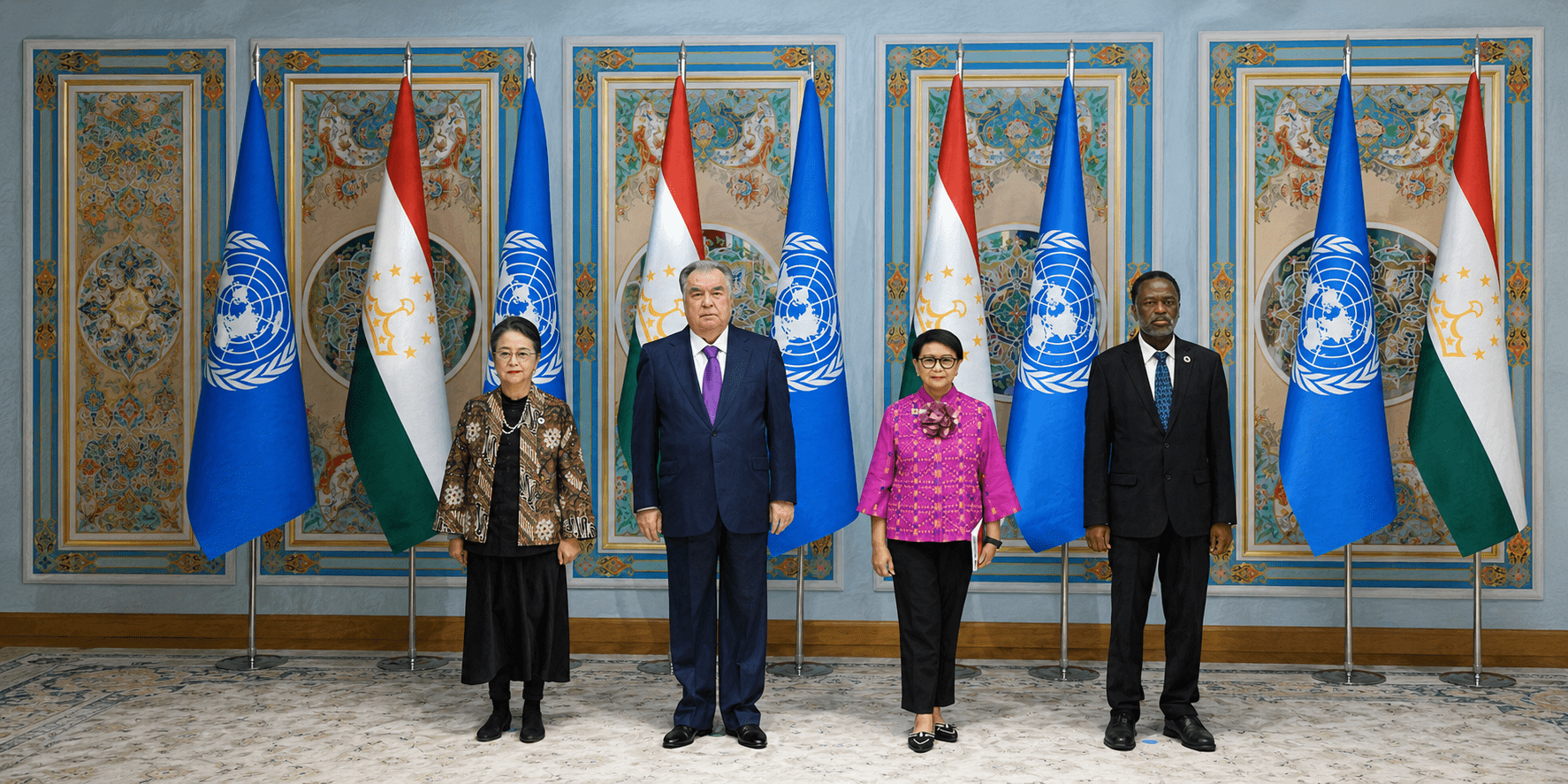
Conference-related events began in Dushanbe on Monday, May 25, as Tajikistan hosts the Fourth High-Level International Conference on the International Decade for Action “Water for Sustainable Development,” 2018-2028. The week gives Tajikistan a fresh stage for a role it has built for years: using water, climate risk, and glacier protection as its clearest route into global diplomacy.
President Emomali Rahmon gave the week an early political signal when he met three senior U.N. officials in Dushanbe: Armida Salsiah Alisjahbana, U.N. Under-Secretary-General and Executive Secretary of ESCAP; Retno Marsudi, U.N. Under-Secretary-General and Special Envoy on Water; and Tshilidzi Marwala, Rector of the United Nations University and U.N. Under-Secretary-General. Their arrival tied the conference directly to the Dushanbe Water Process, a platform Tajikistan has used to keep water on the international agenda.
The Tajik presidential press service said 14 U.N. resolutions on water resources have been adopted at Tajikistan’s initiative. For a small, mountainous country with limited geopolitical weight, that record has become a useful diplomatic asset. Tajikistan can convene governments, U.N. agencies, development banks, and water experts around a topic shaped by its geography.
The conference runs from May 25 to 28, with Monday set aside for forums, side events, and regional consultations. The main high-level sessions are set to take place on May 26 and 27 at the Kohi Somon Complex, followed by field visits on May 28. Asia-Plus reported that more than 2,500 participants were expected, including representatives from 31 countries and 33 international organizations and financial institutions.
The agenda links Tajikistan’s national concerns to a wider U.N. timetable. The Dushanbe events are designed as a preparatory step before the 2026 United Nations Water Conference, now scheduled for December 8-10 in Abu Dhabi, and co-hosted by the United Arab Emirates and Senegal. Tajik officials are also presenting the process as a bridge towards 2028, when the Water Action Decade reaches its final year.
Tajikistan has spent more than two decades building this diplomatic niche. The International Decade for Action “Water for Sustainable Development,” 2018-2028 began on World Water Day in 2018 and ends on World Water Day in 2028. The Dushanbe Water Process was then shaped as a regular follow-up platform, including for voluntary commitments made under the U.N. Water Action Agenda. That structure has given Tajikistan repeated opportunities to host, frame, and guide discussion rather than appear only as a country seeking aid.
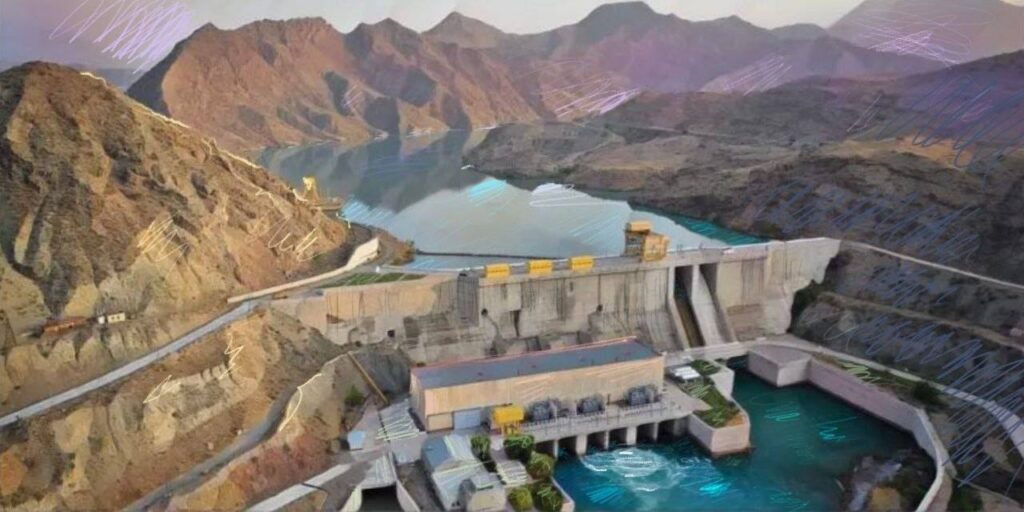
Tajikistan’s glaciers, rivers, hydropower system, and mountain communities all face pressure from climate change. The U.N. glaciers initiative has put new attention on glacier retreat, and Tajikistan has pushed glacier preservation as part of its global water agenda. In Central Asia, melting glaciers and shifting river flows affect more than one country; they shape energy supply, irrigation, disaster risk, and food security.
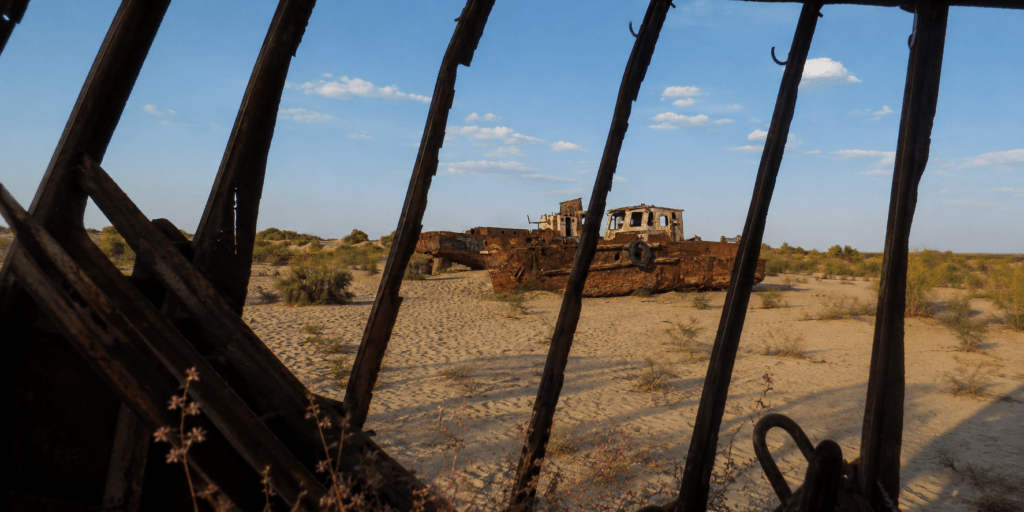
Water also connects Tajikistan to its neighbors. The region’s major rivers cross borders, and upstream water use affects downstream farms and cities. Tajikistan and Kyrgyzstan hold much of the mountain headwater geography, while Uzbekistan, Kazakhstan, and Turkmenistan depend heavily on reliable flows for agriculture and other uses. That geography has long made water cooperation both necessary and difficult.
Monday’s side events showed how wide the agenda has become. A regional consultation for Asia and the Pacific brought more than 100 participants to discuss priorities for the Abu Dhabi conference. A forum on transboundary cooperation brought Central Asian water ministers, the European Union, the World Bank, U.N. representatives, scientists, and basin-management experts together. Another forum on private investment and innovative financing focused on water infrastructure in landlocked developing countries.
Water is one of the few subjects on which Tajikistan can speak from direct experience and still draw a global audience. Its rivers, glaciers, reservoirs, and hydropower system sit at the center of the country’s economy and its relations with its neighbors. By hosting the Dushanbe Water Process, Tajikistan gives itself a practical diplomatic role, bringing governments and institutions to the table on an issue it knows well.
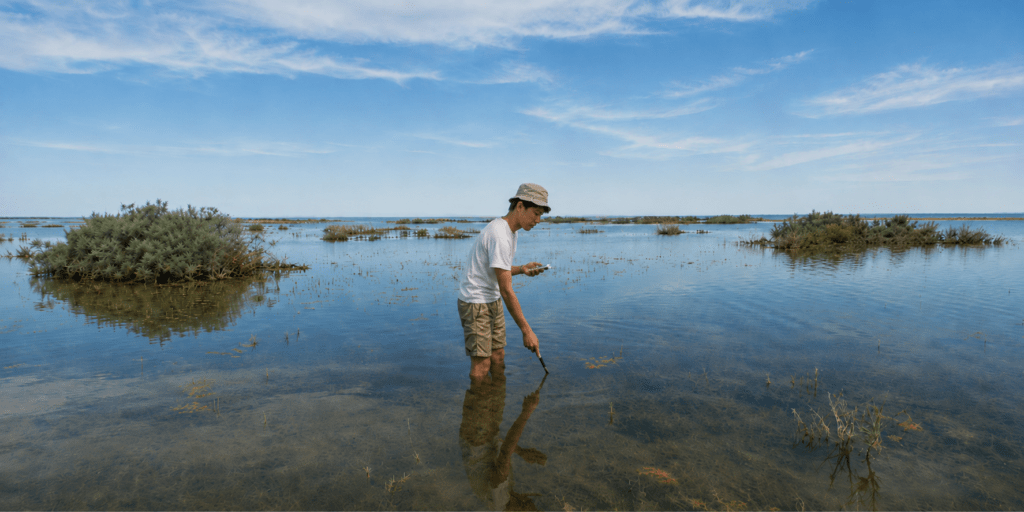
Still, declarations and conference summaries do not fix aging irrigation networks, uneven data sharing, or seasonal tensions between water storage and downstream demand. The UNECE has noted recent progress on shared rivers in Central Asia, while also pointing to weaker cooperation on transboundary aquifers. The World Bank’s Central Asia Water and Energy Program frames water and energy security as regional challenges made harder by climate change.
The test now is whether the Dushanbe talks lead to anything beyond conference language. The documents expected this week, including a Dushanbe Declaration and a co-chairs’ summary, will carry weight only if they help move money, data, and cooperation into the next stage of U.N. water talks in Abu Dhabi in December.
For Tajikistan, that is also the point of hosting. The country cannot solve Central Asia’s water pressures alone. But it can keep them on the agenda, bring governments and institutions to Dushanbe, and make the case that the region’s rivers and glaciers belong in global climate discussions. That gives the Dushanbe Water Process a clear role: turning Tajikistan’s water vulnerability into a sustained diplomatic agenda.