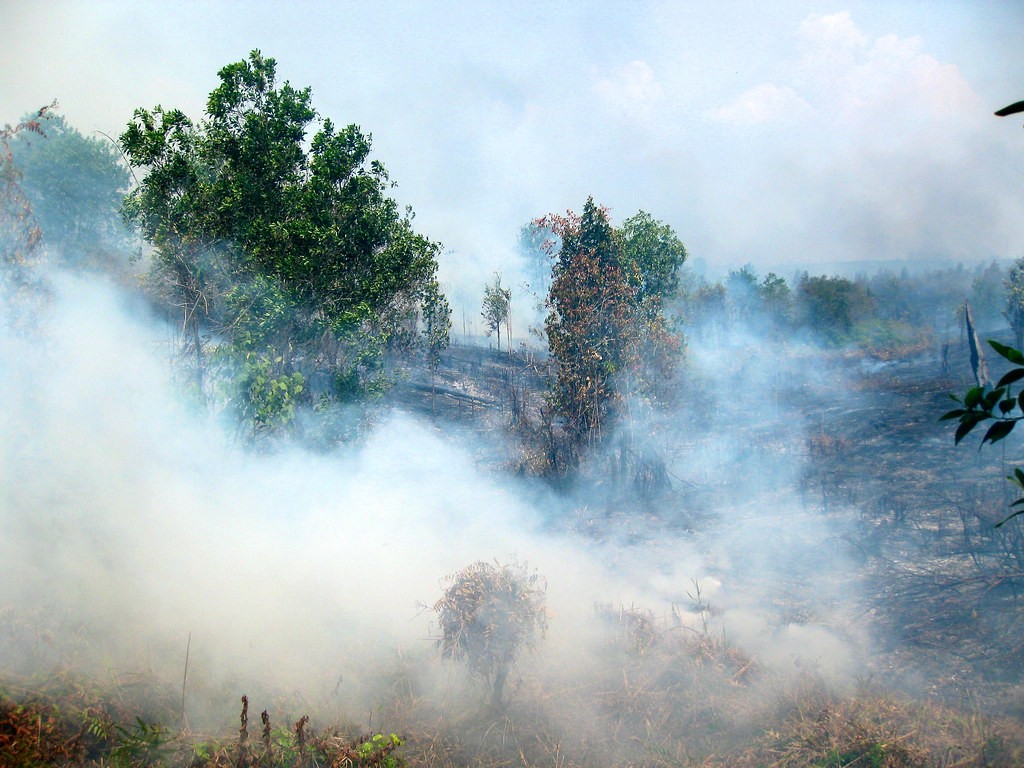
In 2023, wildfires destroyed more than 60,000 hectares of forest in the Semey Ormany State Forest Nature Reserve in eastern Kazakhstan’s Abai Region. The restoration effort now underway is not simply about replacing what was lost. It is about rebuilding forests in a way that can survive, mature and support future generations.
That is the purpose of Halyk Ormany, a five-year reforestation program supported by the Halyk Charitable Fund, co-founded by Timur Kulibayev and Dinara Kulibayeva in 2016. With 1 billion tenge committed, the project plans to plant 9 million trees across three ecologically significant locations: Semey Ormany, Ile-Alatau National Park and the green belt of Astana.
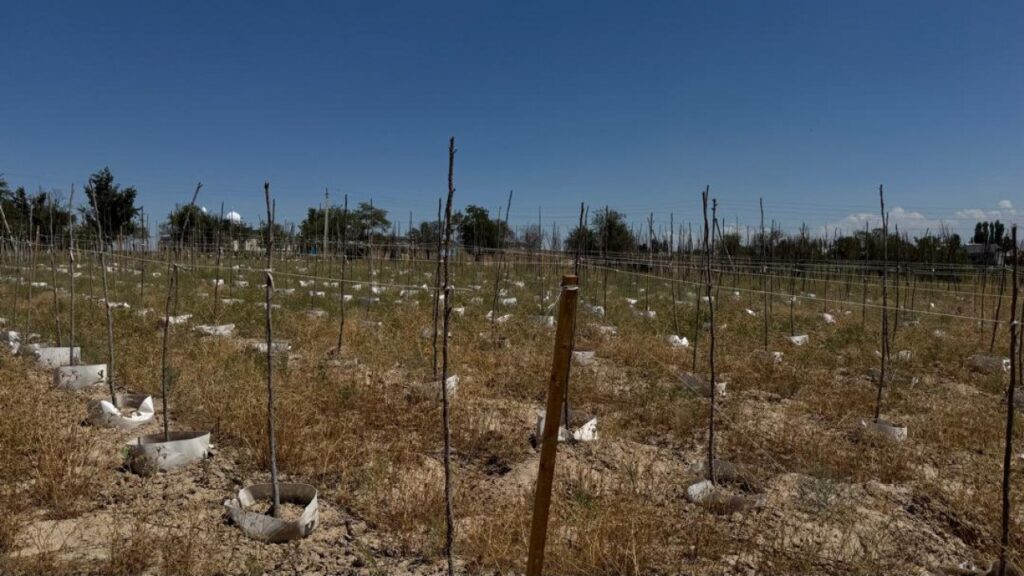
Since its launch in autumn 2025, more than one million seedlings have already been planted across 400 hectares in Semey Ormany alone, with a further 1,600 hectares to follow as part of the wider program.
Building forests designed to endure
The question is no longer “How many trees can we plant?” but rather “How can we nurture forests that endure for decades to come?” Halyk Ormany is designed to maximize survival rates and long-term ecological impact, including through optimal site selection, high-quality planting material and implementation led by forestry experts.
In Semey Ormany, the project uses two-year-old Scots pine seedlings because the species is native to the area and suited to local soil, climate and precipitation conditions. The process begins long before planting: cones are collected locally, dried and processed, seeds are quality-tested and classified, and seedlings are grown in nurseries before being hardened for transfer to forest sites.
Planting is then carried out and closely monitored by forestry specialists. Expected survival rates are between 70% and 90%, with failed seedlings replaced.
The infrastructure behind lasting restoration
The project also looks beyond planting, focusing on the nursery, irrigation and maintenance systems required to help young trees survive. The Fund has funded a major irrigation modernization program in Semey Ormany, worth more than KZT 146 million ($321,000), including new water-storage tanks, pipelines, pumps and sprinkler systems.
Nursery staff also monitor water temperature to avoid damaging young seedlings and use a hardening process to prepare them for harsher forest conditions. An experiment found that locally grown seedlings achieved a 97% survival rate, compared with 25% for non-local stock tested elsewhere.
A delivery model built for impact
The delivery model is central to the project’s credibility. As a pilot ESG partnership between the state and private sector, it is designed to combine scale with clear responsibilities, transparent funding and measurable environmental results. Funding is channeled through a dedicated mechanism with oversight at each stage, while planting work is carried out and monitored in partnership with the Ministry of Ecology.
This addresses one of the persistent challenges in reforestation: ensuring that projects are not judged simply by the number of trees planted, but by whether those trees survive, mature and deliver lasting environmental benefits.
Restoration as a shared national effort
Corporate partners, volunteers and communities are also integrated into the process, supporting the long-term approach rather than delivering a one-off intervention. During the 2025 autumn planting season, approximately 850,000 seedlings and saplings were planted using the Fund’s funds, and approximately 1,500 people, including activists, families and government representatives, participated in the planting events.
A living legacy for future generations
The legacy of wildfires is often measured in loss. In Semey Ormany, that loss includes not only more than 60,000 hectares of forest destroyed in the 2023 fires, but also the lives of 14 forestry workers who tragically died protecting it.
Halyk Ormany is more than replacement planting. It is a long-term system designed to rebuild forests in a way that can survive, mature and support future generations.
The project is not only about restoring damaged landscapes. It is about creating a living legacy: forests that future generations can benefit from and protect.