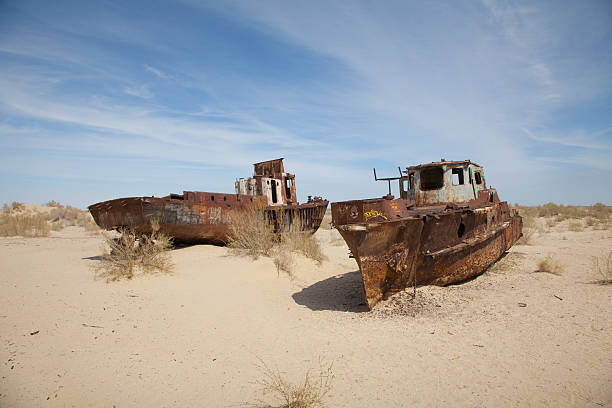
On October 29, a new initiative titled “Improving the Ecosystem of the Aral Seabed” was launched by Korkyt Ata Kyzylorda University, the University of California, Berkeley, the Kazakh Directorate of the International Fund for Saving the Aral Sea (IFAS), and the Bulat Utemuratov Foundation.
The project seeks to rehabilitate the dried Aral Sea bed using innovative E-seed technology developed by scientists at UC Berkeley. The method involves aerial seeding with drones that distribute self-burying seeds encased in biodegradable material, an approach designed to accelerate greening, increase plant survival rates, and reduce labor costs.
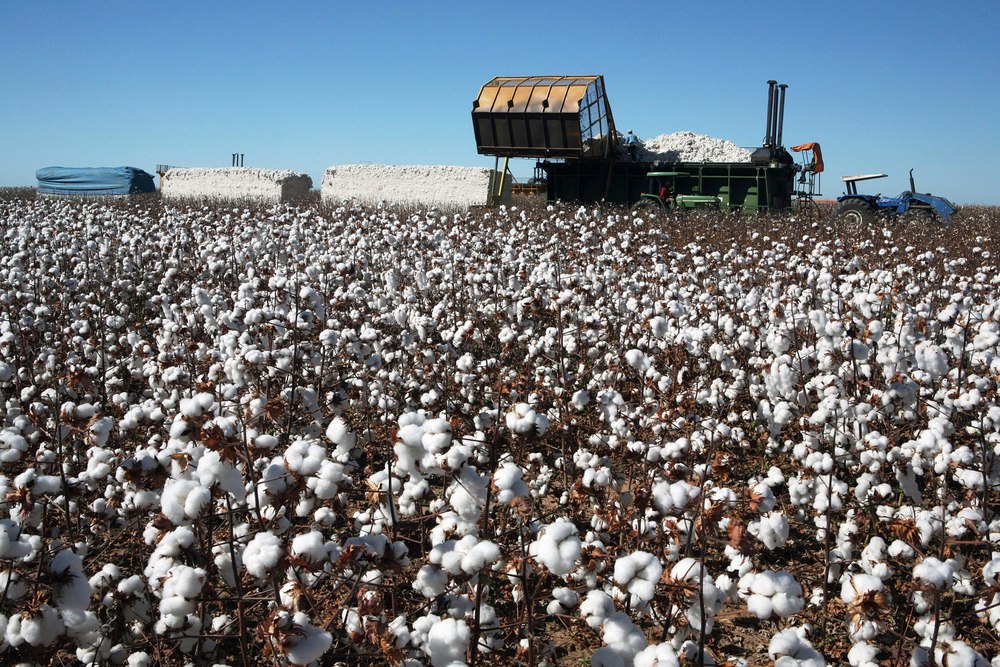
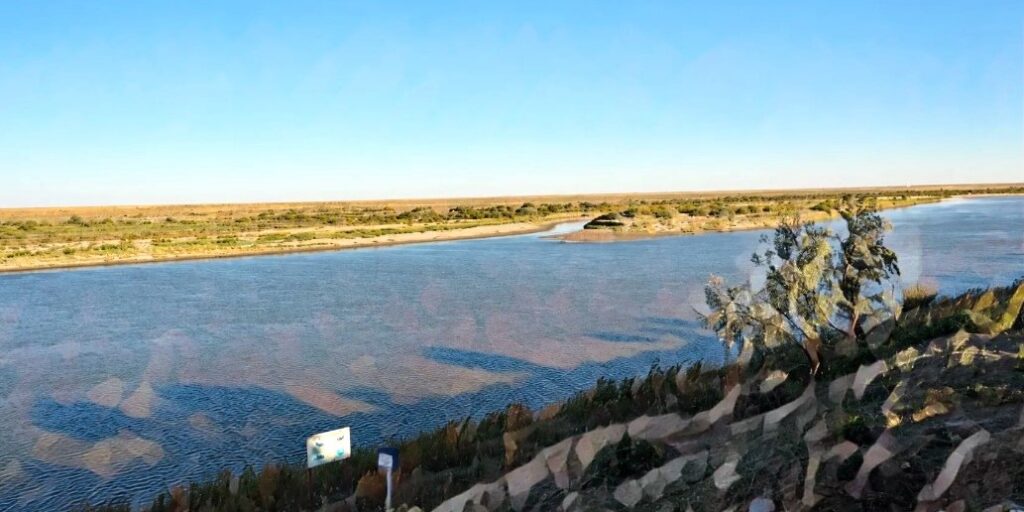
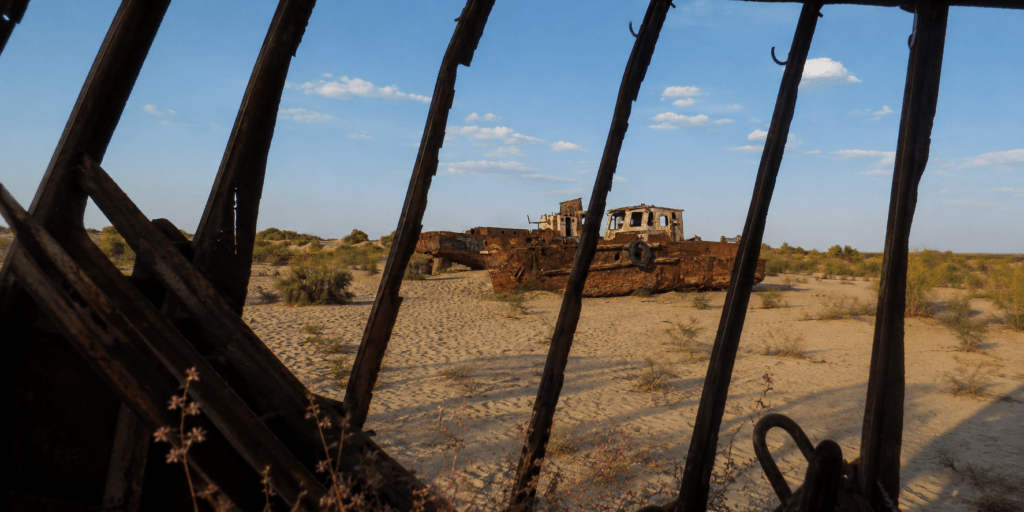
Once the world’s fourth-largest inland sea, the Aral Sea covered 68,000 square kilometers across Kazakhstan and Uzbekistan. Beginning in the 1960s, large-scale irrigation projects diverted water from the Amu Darya and Syr Darya rivers to support cotton farming. By 2007, the sea had shrunk to just 10% of its original size.
Today, the Aral Sea is a symbol of one of the world’s most severe environmental disasters. Salt-laden dust from the exposed seabed, estimated in the tens of billions of tons, is carried by wind as far as the Arctic and the Himalayas. This toxic dust, infused with pesticides and heavy metals, contaminates soil, water, and air, threatening regional public health and food security.
“The Aral Sea is a wound on the planet that cannot be ignored. We are launching a project that will create a barrier against salt and toxic dust, improve human health, and contribute to the future of the entire Earth,” said Ainur Karbozova, Director of the Bulat Utemuratov Foundation. “The uniqueness of this technology is that it can be applied worldwide from restoring burned-out forests to transforming deserts into green oases.”
A test planting on a one-hectare site is planned for March-April 2026. In 2027, the second phase will expand the pilot to 50 hectares.
“The use of the innovative E-seed technology will strengthen the soil structure, reduce dust and salt emissions, and ultimately increase the region’s biodiversity,” said Rakhat Kurmanbayev, Associate Professor at Korkyt Ata Kyzylorda University. “By 2040, we plan to stabilize the ecosystem over at least 50 square kilometers. The project will reduce air temperatures by 1-2°C and improve the microclimate.”
The initiative aligns with broader environmental goals outlined under Kazakhstan’s 2024-2026 chairmanship of IFAS, during which large-scale afforestation efforts aim to green more than 1 million hectares of the Aral seabed.
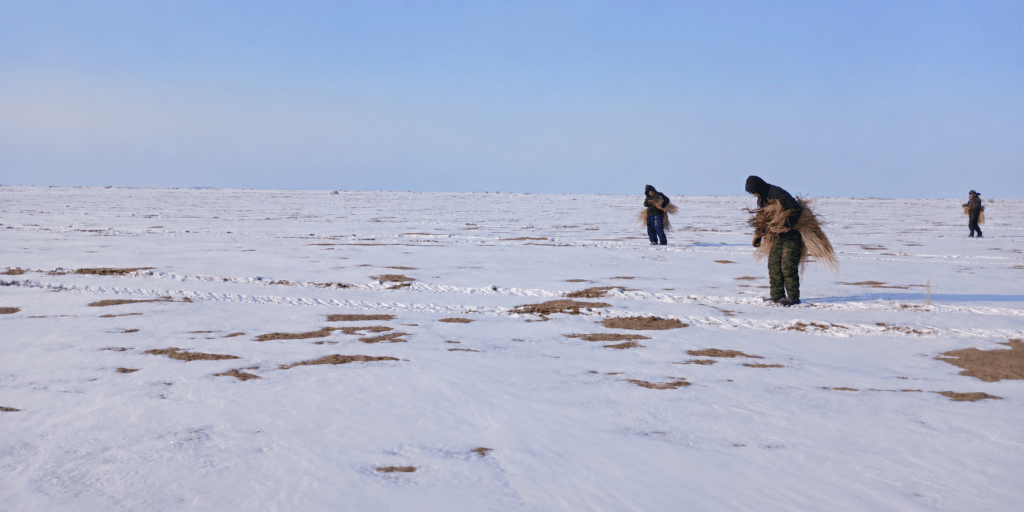
The Times of Central Asia previously reported the construction of a saxaul nursery in the Kyzylorda region. Located directly on the former seabed, the facility is expected to produce 1.5 million drought-resistant saxaul saplings per year.
According to the Ministry of Ecology and Natural Resources, Kazakhstan plans to afforest 1.1 million hectares of the dried seabed with saxaul. Between 2021 and 2024, 475,000 hectares were afforested, including 127,000 in 2024 alone. An additional 428,000 hectares are scheduled for planting in 2025.
By the end of 2025, Kazakhstan expects saxaul to cover approximately 40% of its portion of the dried Aral seabed.