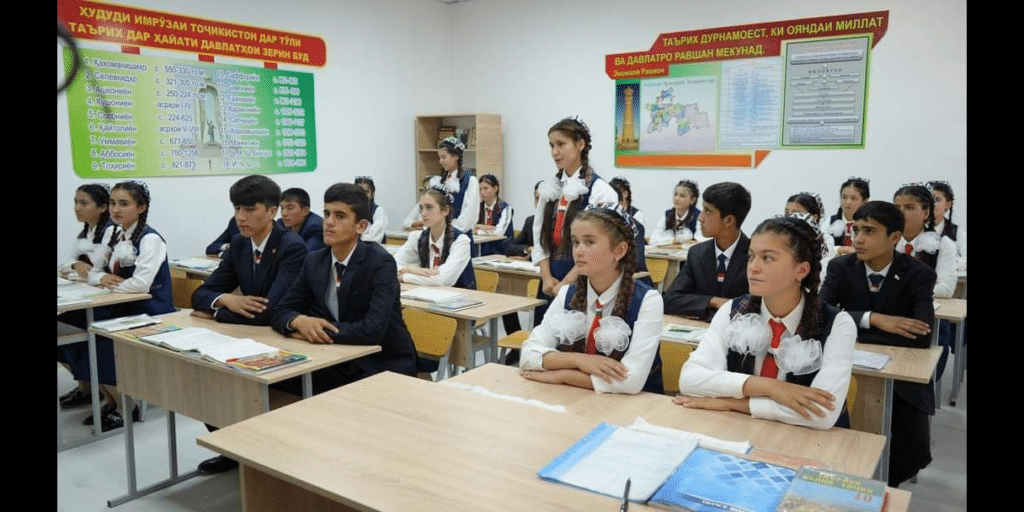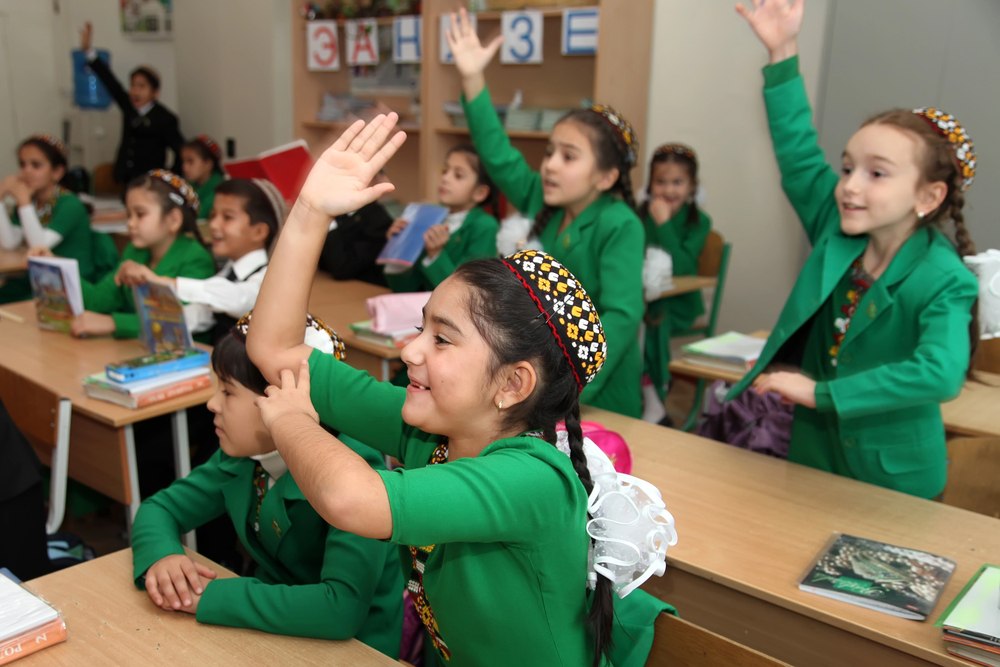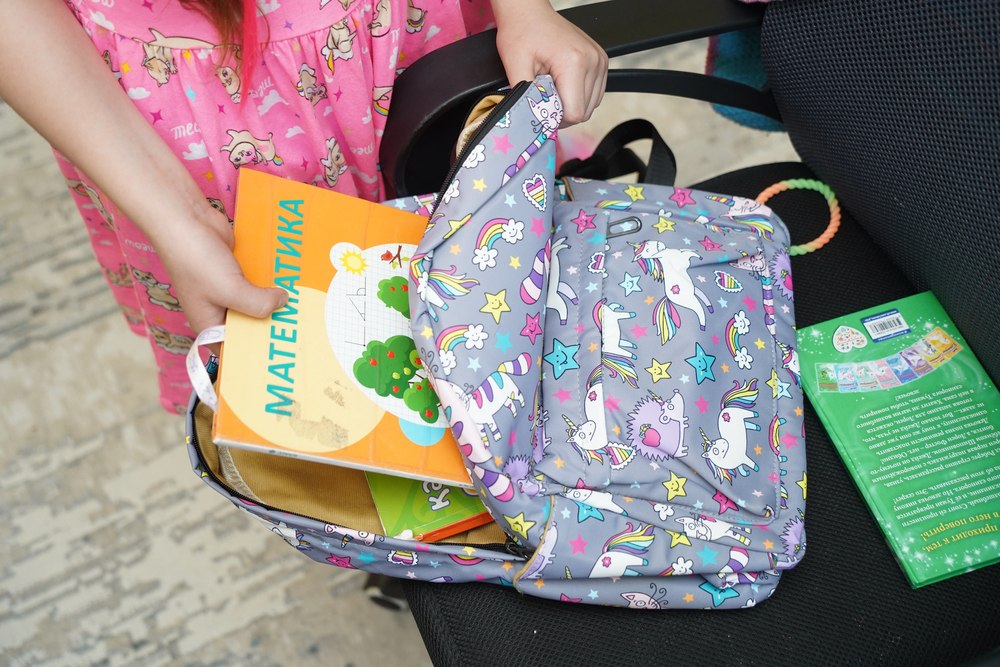
Kazakhstan is testing artificial intelligence (AI) as part of an overhaul of school textbooks after the Education Ministry identified around 700 errors in existing educational materials. A pilot digital textbook platform is already being used in 40 schools while the authorities consider how AI could improve future editions.
One of the more striking errors is in an 11th-grade history textbook, which still refers to the capital as Nur-Sultan, even though the name Astana was restored in September 2022. Education Minister Zhuldyz Suleimenova confirmed on September 8 that the textbook, last updated in 2024, will be reissued next year.
Suleimenova referred to the pilot as AI-oqulyq, a name combining AI with oqulyq, the Kazakh word for textbook. It brings school textbooks together on a single platform and incorporates AI tools for working with their content.
The ministry’s review covered educational materials from different publishers across 16 subjects. The problems identified include outdated information and factual inaccuracies.
Publishers are required to correct and reissue problematic books at their own expense. The ministry has also referred the matter to the Department of Economic Investigations, part of the Financial Monitoring Agency, because some of the same errors remained despite an earlier allocation of public funds.
President Kassym-Jomart Tokayev publicly raised the issue of textbook quality in August. He was particularly critical of history materials containing unreliable information and accounts of supposed heroes and events that, he said, never existed. Tokayev argued that patriotic education should not be based on falsified history.
AI is also becoming part of Kazakhstan’s school curriculum. Digital Literacy in grades 1–4 is being expanded to include artificial intelligence, while Computer Science in grades 5–11 is becoming Computer Science and Artificial Intelligence. In grades 10–11, students are expected to study machine learning and neural networks and learn how to analyze data.
Separately, Kazakhstan has begun piloting a national AI-powered education platform intended to personalize learning by adapting assignments to students’ abilities and identifying gaps in their knowledge. The first stage began in September in 10 small rural schools, with further expansion planned.
At university level, Qazaq AI Research University in Astana is admitting around 600 students in its first intake for the 2026–27 academic year.
Kazakhstan is moving relatively quickly to introduce the technology into schools, while education systems elsewhere continue to debate how generative AI should be used. UNESCO recommends a human-centered approach, with teacher training and safeguards to protect children and their personal data.
Using the technology to check textbooks carries its own risk because generative AI can produce convincing text containing false information or incorrect dates. AI may help identify inconsistencies across large amounts of material, but expert review remains necessary before textbooks are published.
For the Education Ministry, however, the more immediate challenge is correcting the hundreds of errors already found in school materials. The AI-oqulyq pilot will test whether the technology can help prevent similar mistakes from reaching classrooms.