Kazakhstan’s fishing industry continues to show steady growth, reinforcing its role as a key contributor to economic development, job creation, and food security.
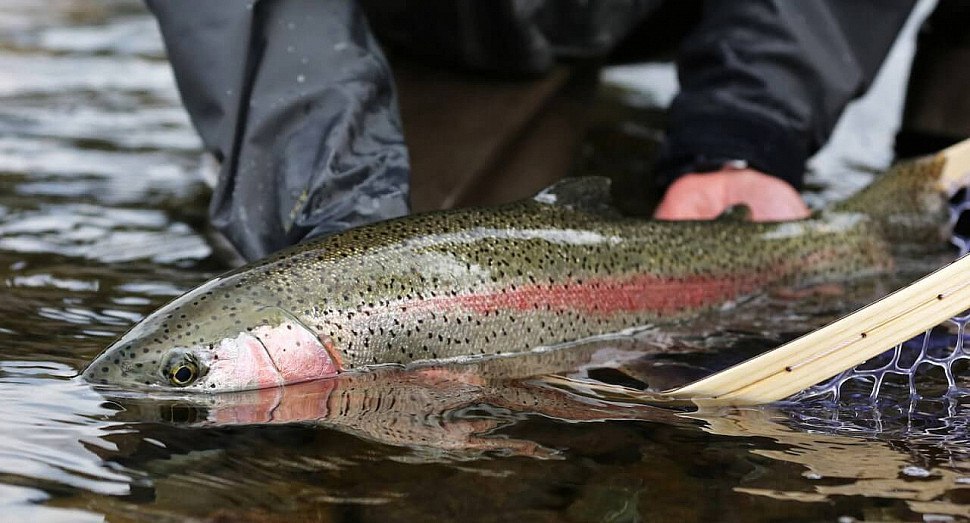
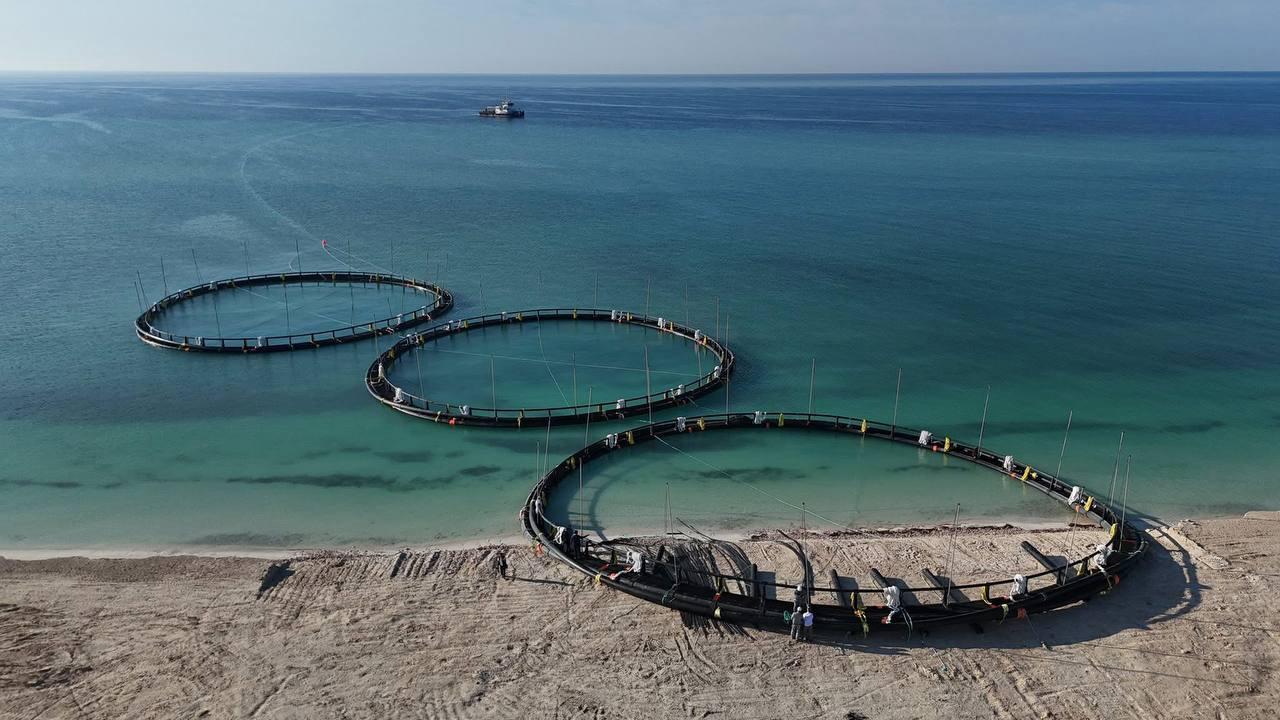
According to the Ministry of Agriculture, Kazakhstan produced 76,800 tons of fish between January and November 2025, marking a 10% increase compared to the same period in 2024. Of this, 38,500 tons were sourced from natural water bodies, also a 10% rise, while aquaculture accounted for 20,900 tons, reflecting a 22% year-on-year increase.
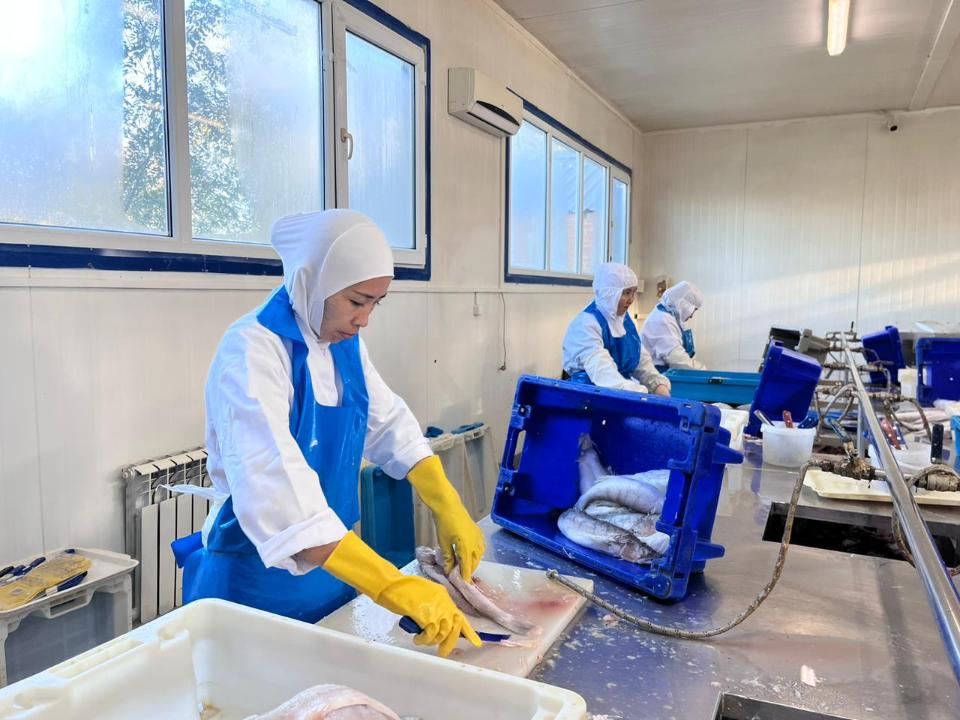
The country currently operates 72 fish processing plants with a combined annual capacity of around 120,000 tons. Of these, 20 facilities are certified to export to the European Union. Kazakhstan exports fish products to 21 countries, including Germany, the Netherlands, Russia, and China.
In 2024, Kazakhstan exported 23,400 tons of fish products valued at $74.7 million. Data for 2025 is not yet available.
During the first 11 months of 2025, the country produced 59,400 tons of processed fish products. This was supported by state-backed measures, including a 70% reduction in VAT and preferential loans at 5% annual interest, aimed at expanding the fish processing sector.
Investment in the industry also continues to grow. Between 2021 and 2024, Kazakhstan implemented 87 aquaculture projects totaling 21.4 billion tenge (USD 41.9 million). An additional 4.6 billion tenge (USD 9 million) was invested in fisheries development during the first 11 months of 2025.
One of the key projects under development is the modernization of the Atyrau Sturgeon Farm, which aims to increase the annual production of sturgeon fry from 5 million to 7.5 million.
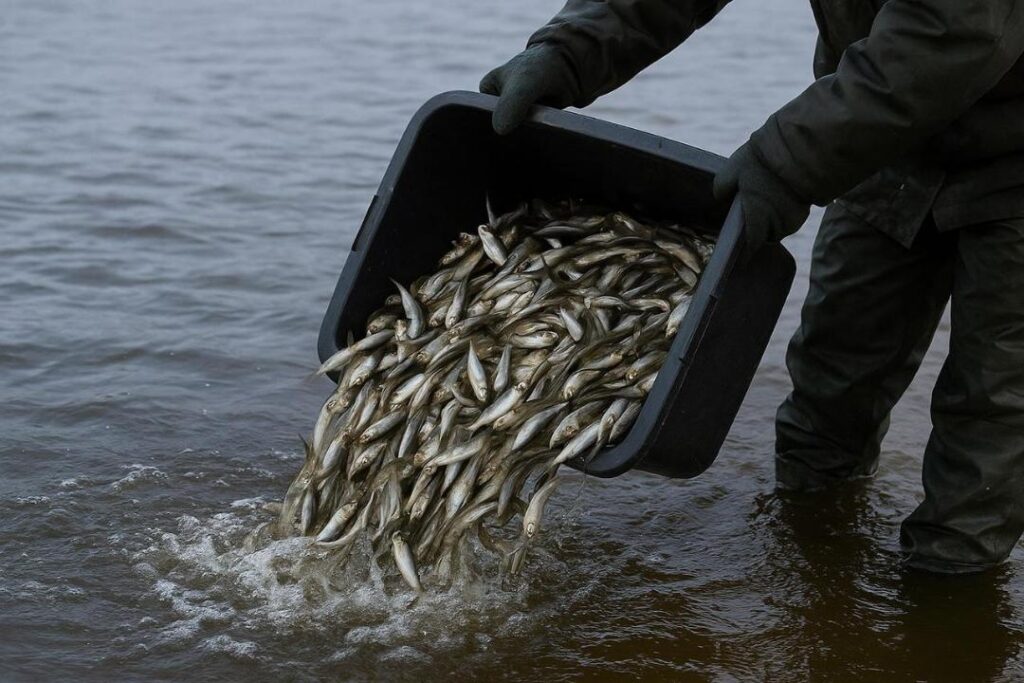
In 2025, 21.92 million juveniles of valuable fish species, including sturgeon, were released into natural and artificial water bodies across the country. With ongoing modernization of state-run hatcheries, total production capacity is expected to rise significantly from 18.4 million to 80.5 million fry per year.
Kazakhstan’s fishing sector has entered a stage of sustainable growth. Increased government support, rising investment, and infrastructure modernization are laying a strong foundation for further expansion in fish production and processing, while also contributing to the conservation of aquatic ecosystems and improving access to high-quality fish products for the population.