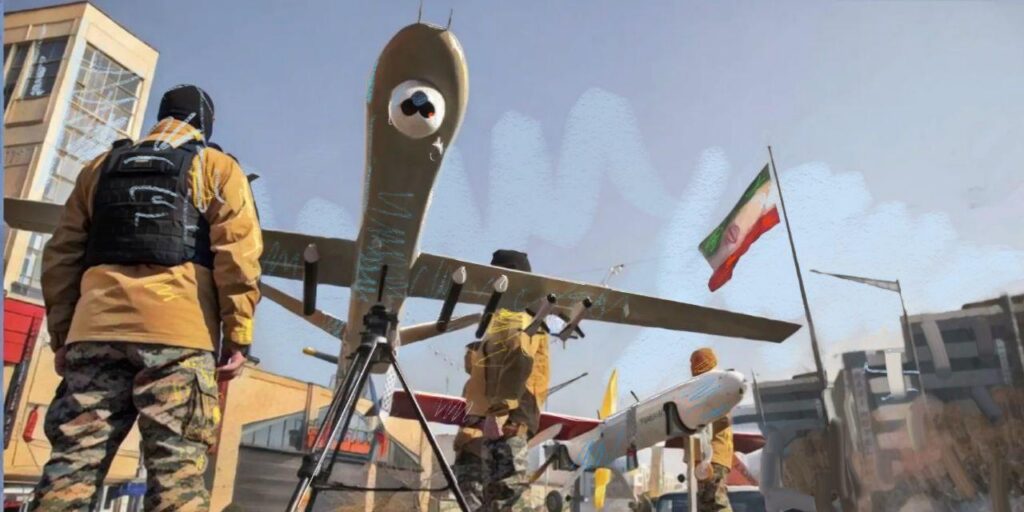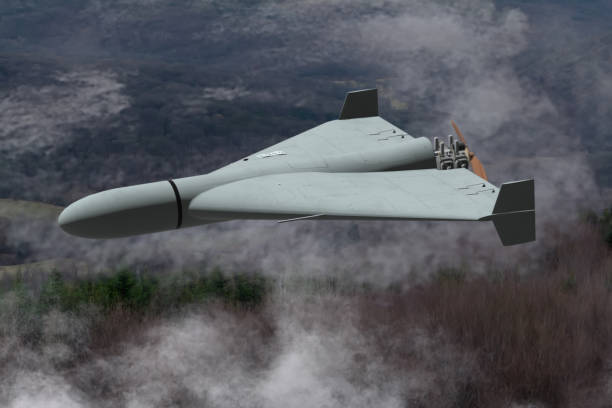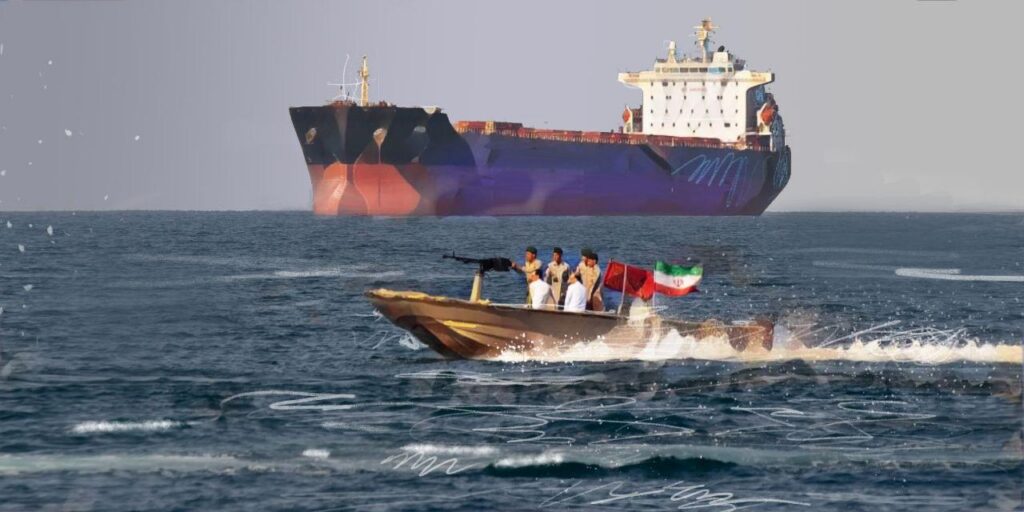
Iran’s widening war has now reached the institutional space linking Turkey, the South Caucasus, and Central Asia. Turkey said on March 4 that NATO air defenses destroyed an Iranian ballistic missile entering Turkish airspace, while Azerbaijan said the next day that four Iranian drones crossed into Nakhchivan, injuring four people, and damaging civilian infrastructure at the exclave’s airport. Iran denied targeting Nakhchivan; in the Turkish case, the missile’s intended target has not been fully clear in public reporting. Even so, the combined effect was unmistakable. By March 7, the Organization of Turkic States (OTS) had become more than a bystander to a Middle Eastern war that had earlier seemed outside its main agenda.
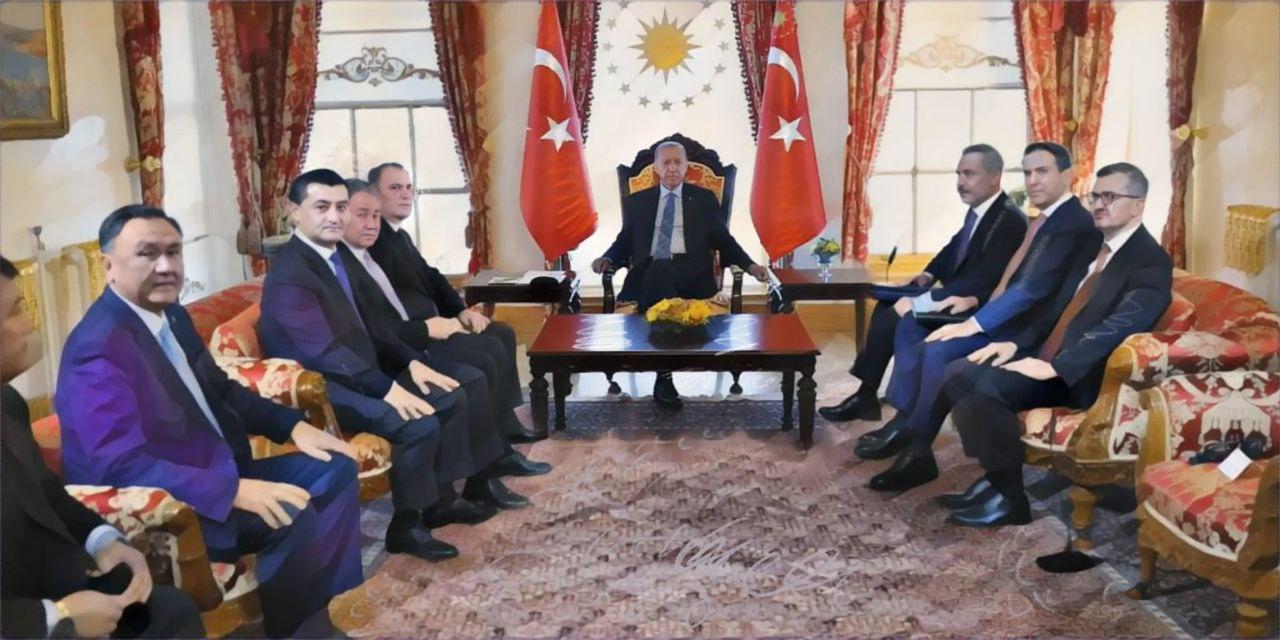
This is what gave the OTS foreign ministers’ meeting in Istanbul its significance. The Turkish Foreign Ministry announced on March 6 that the informal meeting of the OTS Council of Foreign Ministers would be held in Istanbul on March 7, with Foreign Minister Hakan Fidan hosting. After the meeting, the ministers adopted a joint statement declaring that threats to the security of any OTS member are a matter of concern for the whole organization. That language does not make the OTS a military alliance. It does, however, show the organization moving more openly into collective political-security signaling when member states come under attack.
Why Nakhchivan Matters
Nakhchivan is central to the logic of this story. The exclave is an integral part of Azerbaijan, but is separated from the rest of the country. It borders Armenia, Iran, and Turkey, making it significant out of proportion to its size. A military strike there is not a routine border incident. It reaches one of the most sensitive nodes in the wider Turkic political space: it is a meeting point for Azerbaijani sovereignty, Turkish strategic concern, and Iranian proximity.
Until recently, Nakhchivan’s special status and borders were anchored in the 1921 Moscow and Kars treaties, which gave Turkey and Soviet Russia a formal say over the exclave’s autonomy and, it could be argued, its external security. But last year, Baku folded Nakhchivan more tightly into Azerbaijan’s domestic legal order by removing those references (along with other changes) from the constitution of the exclave, which has suddenly become a target in a much wider regional confrontation.
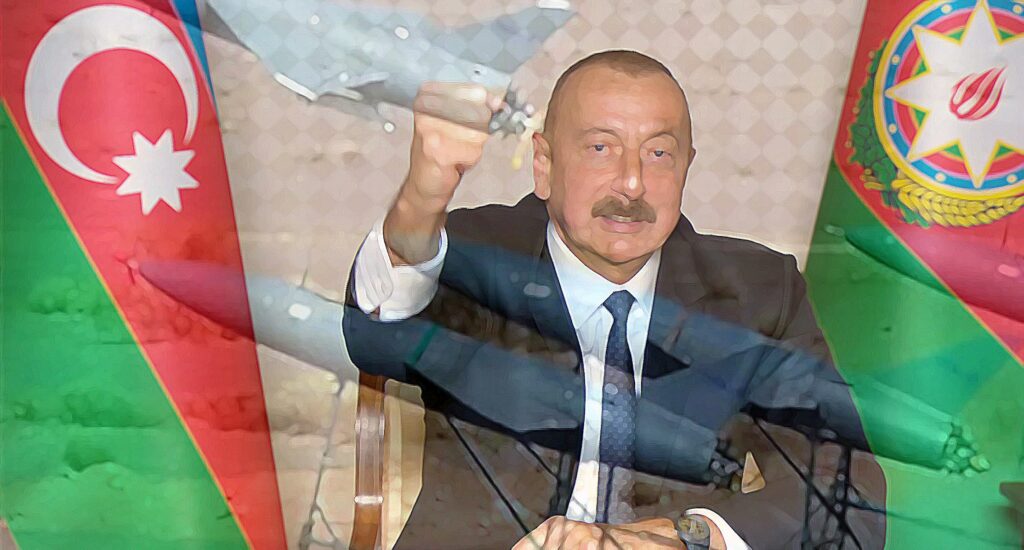
Baku’s response to the Iranian attack showed that it saw the incident in political as well as tactical terms. President Ilham Aliyev said Azerbaijan would prepare retaliatory measures. Reuters later reported that Azerbaijan had ordered the evacuation of its diplomats from Iran, citing safety concerns. This is understandable, particularly in light of the January 27, 2023, incident when an armed attacker entered Azerbaijan’s embassy in Tehran and opened fire, killing the head of the embassy’s security and wounding two other staff. Baku called this a terrorist attack, evacuated most of its diplomatic personnel, and suspended embassy operations. Azerbaijani officials also said the March 5 attack on Nakhchivan violated international law, rejecting any implication that it could have been a technical mishap.
The stakes widened further after that. On March 7, Azerbaijan said that it had foiled several sabotage plots linked to Iran’s Islamic Revolutionary Guard Corps (hardly being the first of their kind), including an alleged plan to attack the Baku-Tbilisi-Ceyhan (BTC) pipeline, which was, according to one Indian report, subsequently attacked by a drone in Georgia. Reuters reported that other targets in Azerbaijan included the Israeli embassy, an Ashkenazi Jewish synagogue, and a leader of Azerbaijan’s Mountain Jews community. Beyond this, once infrastructure such as the BTC enters the picture, questions arise concerning corridor security, energy transit, and regional economic exposure.
What the OTS Response Means
Central Asia enters the story more clearly with that in mind. No Central Asian OTS member was directly struck. But the March 7 joint statement said that threats to any OTS member’s security concern the entire organization. It warned that continued hostilities could disrupt trade routes, energy markets, food security, and migratory flows. Central Asia’s exposure to threat is not directly from military engagement but indirectly through OTS member-state security, regional stability, and the wider consequences of conflict.
The OTS secretariat, for its part, moved quickly. On March 5, the secretary general condemned the UAV attacks on civilian facilities in Nakhchivan, saying they had been carried out from the territory of Iran. He also called for restraint and for avoiding further deterioration in the regional situation. The OTS’s own institutional center thus already elevated the issue beyond bilateral diplomacy before the ministers assembled in Istanbul. It necessarily became an OTS matter, not just a Baku–Tehran confrontation.
The ministers’ joint statement on March 7 gave that instinct a clearer political form. The text declared that any threats to the security of member states concern the entire organization. It condemned attacks targeting Turkey and Nakhchivan, including civilian facilities, and it expressed support for the sovereignty, territorial integrity, and security of Turkey and Azerbaijan. These formulations create a collective political frame for what might otherwise have remained two separate national incidents. They show that the OTS is willing to speak in the language of solidarity when violence reaches one of its members.
At the same time, the ministers emphasized restraint, diplomacy, and a return to negotiations. The OTS did not evoke a military response but answered by widening the political scope of the problem. This is still an institutional development worth noting. The organization is not becoming like NATO, but it is becoming more explicit about the security implications of regional instability for its member states.
The Next Test
That brings Central Asia onto the stage. The March 7 statement does not create any formal security obligations for the Central Asian states, but it does establish a precedent. If threats to one member’s security concern the whole organization, then future crises involving transport corridors, border violence, or attacks on critical infrastructure will be harder to treat as purely local matters. The expectation of organization-wide consultation has now been created.
The immediate question is whether the Iran-related incidents stop here or widen further. Turkey’s missile episode and Nakhchivan’s drone strike may still prove to be limited spillover events rather than the beginning of a sustained pattern. How quickly a new Supreme Leader is selected in Iran will make a difference here. But the institutional threshold has already shifted: The OTS has publicly stated, during ongoing military hostilities, that member-state security concerns are collective concerns. That statement will outlast the news cycle.
For that reason, the most important result of the Istanbul meeting may not be any operational step taken today. It may be that the OTS has defined its own political horizon somewhat more broadly than before. The organization now finds itself speaking about attacks, sovereignty, corridor vulnerability, and regional instability in one connected register. The next test will show whether that language remains episodic solidarity or develops into more regular coordination from Turkey to Central Asia.