• KGS/USD = 0.01144 0%
  • KZT/USD = 0.00205 0%
  • TJS/USD = 0.10784 0%
  • UZS/USD = 0.00008 0%
  • TMT/USD = 0.28490 0%
  • KGS/USD = 0.01144 0%
  • KZT/USD = 0.00205 0%
  • TJS/USD = 0.10784 0%
  • UZS/USD = 0.00008 0%
  • TMT/USD = 0.28490 0%
  • KGS/USD = 0.01144 0%
  • KZT/USD = 0.00205 0%
  • TJS/USD = 0.10784 0%
  • UZS/USD = 0.00008 0%
  • TMT/USD = 0.28490 0%
  • KGS/USD = 0.01144 0%
  • KZT/USD = 0.00205 0%
  • TJS/USD = 0.10784 0%
  • UZS/USD = 0.00008 0%
  • TMT/USD = 0.28490 0%
  • KGS/USD = 0.01144 0%
  • KZT/USD = 0.00205 0%
  • TJS/USD = 0.10784 0%
  • UZS/USD = 0.00008 0%
  • TMT/USD = 0.28490 0%
  • KGS/USD = 0.01144 0%
  • KZT/USD = 0.00205 0%
  • TJS/USD = 0.10784 0%
  • UZS/USD = 0.00008 0%
  • TMT/USD = 0.28490 0%
  • KGS/USD = 0.01144 0%
  • KZT/USD = 0.00205 0%
  • TJS/USD = 0.10784 0%
  • UZS/USD = 0.00008 0%
  • TMT/USD = 0.28490 0%
  • KGS/USD = 0.01144 0%
  • KZT/USD = 0.00205 0%
  • TJS/USD = 0.10784 0%
  • UZS/USD = 0.00008 0%
  • TMT/USD = 0.28490 0%

Our People > Charles van der Leeuw

Charles van der Leeuw's Avatar

Articles

Terrorism in Central Asia: different names, same outcome

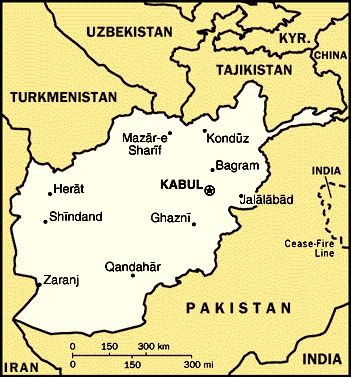
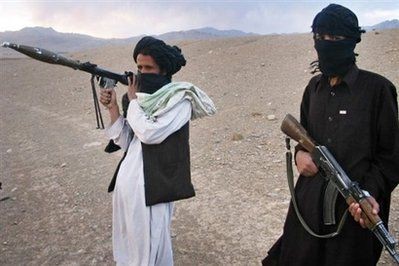
OSH, Kyrgyzstan (TCA) — Russia’s sudden move to draw down its military presence in Syria has put some cards on the table regarding Central Asia’s exposure to Daesh terror in months if not years to come. As long as things stay as they are, the scenario will be limited to occasional threats demanding preventive measures to thwart “incidental” attacks. Ironically, the eventuality of Daesh being swept out of Syrian and Iraqi territory could drive tens of thousands of “fighters”, armed to the teeth and experienced in battle, to Afghanistan and northern Pakistan, capable of carrying out full-scale military campaigns towards the north. This will involve military capabilities that are not available in the states of the region. Continue reading

10 years ago

Organised crime in Central Asia: Uzbekistan and Tajikistan*

LONDON (TCA) — Lebanon, former Yugoslavia, Africa and Latin America where large-scale civil armed conflicts took place generate mobs and mobsters. While in Kazakhstan and Kyrgyzstan such conflicts have been avoided, Tajikistan’s leading crime chiefs seem to have come very close indeed to sharing power with legitimate authorities while Uzbekistan seems to be balancing on the edge. Both post-Soviet republics appear to be in need of a national consolidation of public support for legitimacy, rather than letting criminal gangs control the economy first and possibly the state itself later. Continue reading

10 years ago

Organized crime in Kazakhstan and Kyrgyzstan

LONDON (TCA) — When in late summer 2014 Kyrgyzstan’s then Interior Minister Abdulla Suranchiyev revealed names of local people’s representatives accusing them of “ties with organised crime,” a shockwave went through the country and beyond. Crime in Central Asia is a long ignored fact that is a deadly danger for the society. Of course, everyone knew about the organized crime groups and their ringleaders dubbed “avtoritety,” an equivalent for the western “godfathers,” but hardly anyone so far had realised that their power over the economy and indeed society itself had become so dangerously strong, exceeding that of the much-feared terrorism made in Afghanistan and the Near East. Continue reading

10 years ago

A test for EEU: expansion or consolidation

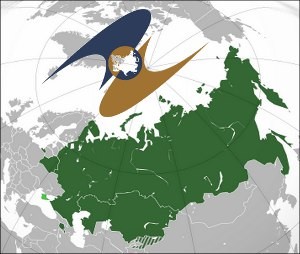
BISHKEK (TCA) — Back in 2014, then minister of economic affairs of Kazakhstan Kairat Kelimbetov stated at the Astana Economic Forum that the Eurasian Economic Union (EEU) in the course of its formation “is learning a lot from the European Union – not just from the latter’s successes, but also from its mistakes”. Today, that statement is being put to the test – especially concerning the admission of Kyrgyzstan and Armenia by the bloc’s three founding members: Russia, Belarus and Kazakhstan. Continue reading

10 years ago

Central Asia and the nuclear proliferation all around

LONDON (TCA) — It is hardly a secret any longer: both Saudi Arabia and Turkey are becoming atomic powers and their plans stretch further than just Kurds and Syria. The consequences for Central Asia’s post-Soviet republics can become extremely grave sooner than it looks – not in the least because numerous cases of “disappeared” radioactive waste point in the direction of the “enemy within” – meaning Daesh, Al-Qaeda and similar groups. Put together, the facts as far as known show that the world is now closer to a nuclear military adventure, and Central Asia is not outside the danger zone. Continue reading

10 years ago

Central Asia between ‘extremists’ and ‘moderates’: fundamentalism on the rise

OSH, Kyrgyzstan (TCA) — A growing number of commentators and other observers, both in the west and in the former USSR, are casting doubt on the distinction between “radicals” and “moderates” among “Muslim activists” both in Syria and the world outside it. If there is one place in the world that shows how justified such suspicions are to some extent, it must be Central Asia. Continue reading

10 years ago

Central Asia: dynasties and power succession in autocratic regimes

LONDON (TCA) — May 22 is the date set for the final nod by the people of Tajikistan through a referendum to change the Constitution to allow the present head of state take part in presidential elections for as many terms as he wishes. Continue reading

10 years ago

‘Peace’ with the Taliban: an open invitation to sheer terror

KABUL (TCA) — By the end of this month a four countries meeting between Afghanistan, Pakistan, China, and United States should take place in Kabul to consider a direct talks with the Taliban about peace. Will this type of “peace” in Afghanistan rehabilitate those malefactors that cause tremendous damage giving them a chance to spread more terror inside the country and beyond? Continue reading

10 years ago

Kyrgyzstan should give its citizens new opportunities

BISHKEK (TCA) — Kyrgyzstan still holds on to overall economic growth – in contrast to its other major-size partners within the EEU namely Russia, Kazakhstan and Belarus, which have suffered from considerable contractions through the year 2015. In this country, the main question is not just growth, but how to adjust the breakdown of the national economy in such a manner that the staggering 40 per cent of the population consisting of deprived citizens can get the opportunity to improve their lives.   Continue reading

10 years ago

Kazakhstan’s National Bank returns to currency market interventions

ALMATY (TCA) — Kazakhstan’s currency is in a very bad shape. There are various reasons for that, and although President Nazarbayev advises his citizens not to buy imported goods, people on the street feel the pinch and try to switch to dollars as much as they can. The crash in global prices of oil and other commodities has already brought Russia and Azerbaijan currencies to their lowest level losing more than 50%. Kazakhstan is not doing any better with the tenge moving, in about two years, from about 150 tenges per dollar to the incredible low level of close to 400 and the situation has much to do with the ever shifting National Bank policies. Continue reading

10 years ago