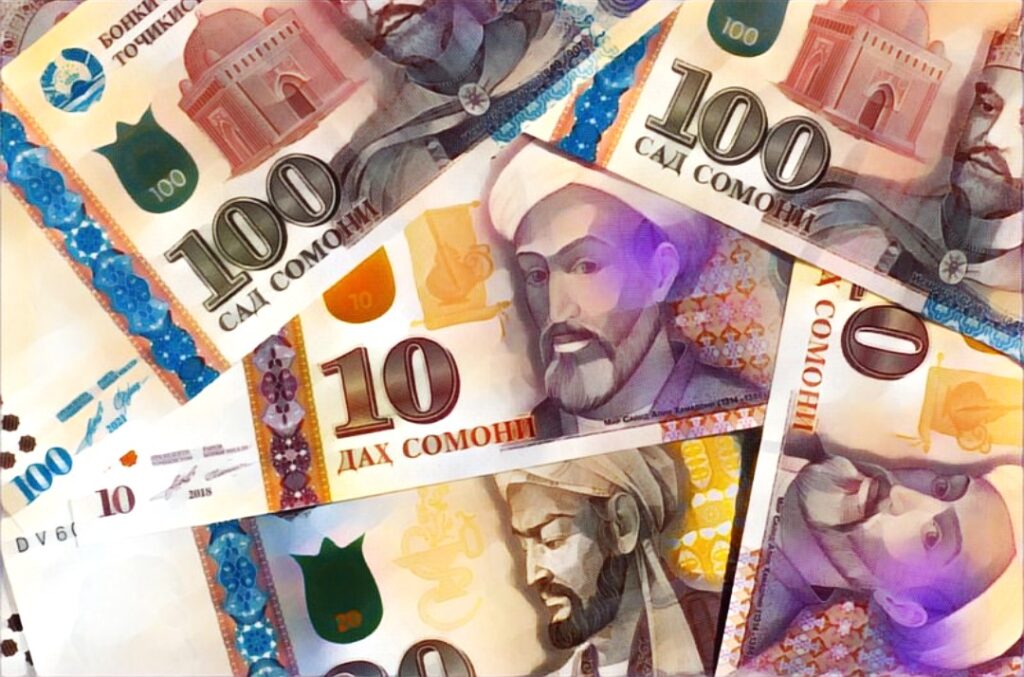
• KGS/USD = 0.01144 0%
  • KZT/USD = 0.00210 0%
  • TJS/USD = 0.10528 0.19%
  • UZS/USD = 0.00008 0%
  • TMT/USD = 0.28571 0.28%
  • KGS/USD = 0.01144 0%
  • KZT/USD = 0.00210 0%
  • TJS/USD = 0.10528 0.19%
  • UZS/USD = 0.00008 0%
  • TMT/USD = 0.28571 0.28%
  • KGS/USD = 0.01144 0%
  • KZT/USD = 0.00210 0%
  • TJS/USD = 0.10528 0.19%
  • UZS/USD = 0.00008 0%
  • TMT/USD = 0.28571 0.28%
  • KGS/USD = 0.01144 0%
  • KZT/USD = 0.00210 0%
  • TJS/USD = 0.10528 0.19%
  • UZS/USD = 0.00008 0%
  • TMT/USD = 0.28571 0.28%
  • KGS/USD = 0.01144 0%
  • KZT/USD = 0.00210 0%
  • TJS/USD = 0.10528 0.19%
  • UZS/USD = 0.00008 0%
  • TMT/USD = 0.28571 0.28%
  • KGS/USD = 0.01144 0%
  • KZT/USD = 0.00210 0%
  • TJS/USD = 0.10528 0.19%
  • UZS/USD = 0.00008 0%
  • TMT/USD = 0.28571 0.28%
  • KGS/USD = 0.01144 0%
  • KZT/USD = 0.00210 0%
  • TJS/USD = 0.10528 0.19%
  • UZS/USD = 0.00008 0%
  • TMT/USD = 0.28571 0.28%
  • KGS/USD = 0.01144 0%
  • KZT/USD = 0.00210 0%
  • TJS/USD = 0.10528 0.19%
  • UZS/USD = 0.00008 0%
  • TMT/USD = 0.28571 0.28%

Trump Reengages Central Asia Amid Tariffs and Rising Competition

In a bid that signals renewed U.S. interest in Central Asia, U.S. President Donald Trump on September 7, 2025, held what he described as a “great conversation” with Kazakhstan’s President Kassym-Jomart Tokayev.

Earlier in the week, Trump also spoke over the phone with Uzbek President Shavkat Mirziyoyev, with both sides highlighting plans to expand their strategic partnership. Commentators have noted that Trump’s rhetoric and transactional approach to foreign policy in his second term create both challenges and opportunities for sustained U.S. engagement in the region.

“Great Conversation” With Tokayev

As he departed the White House for the U.S. Open men’s final, President Trump told reporters, “We had a great conversation,” though he offered no further details on the substance of the discussion.

On Kazakhstan’s side, President Tokayev had reached out in July, expressing his openness to constructive trade talks following Trump’s imposition of 25% U.S. tariffs on Kazakh goods. In that July letter, Tokayev committed to “developing fair, predictable, and mutually beneficial trade relations.” He also emphasized his readiness for “constructive dialogue aimed at finding a rational solution.”

The exchange reflects the broader importance of the U.S.–Kazakhstan relationship, which extends far beyond tariffs. Since 2017, the two nations have maintained an “enhanced strategic partnership,” covering trade, security, and energy cooperation. Kazakhstan is the world’s largest uranium producer and a leading supplier to U.S. nuclear power plants, while American firms such as Chevron and ExxonMobil are deeply invested in the country’s vast oil fields. Strategically located between Russia, China, and Europe, Kazakhstan offers Washington a critical partner in promoting regional stability and developing alternative trade corridors traditionally reliant on Russian land. By engaging closely with Astana, the U.S. strengthens its foothold in Central Asia while securing vital resources and supporting Kazakhstan’s multi-vector diplomacy.

Strategic Outreach to Uzbekistan

Earlier the same week, Trump and Uzbekistan’s Mirziyoyev agreed to broaden their strategic partnership across economic, security, and cultural domains, the Uzbekistan press office reported. According to the office, Trump praised Uzbekistan’s “irreversible reforms” aimed at modernizing its economy and improving living standards, while Mirziyoyev lauded what he termed the “impressive results of the domestic and foreign policy” of the U.S. administration.

This extension of engagement to Tashkent comes against a backdrop of longstanding U.S. involvement in Uzbekistan, including trade under bilateral agreements since the mid-1990s and cooperation on border control and counter-terrorism programs. In late 2024, shortly before Trump’s second term began, Washington reaffirmed its support for Uzbekistan’s bid to join the World Trade Organization, with U.S. Trade Representative Katherine Tai announcing the completion of bilateral market-access negotiations. That same year, U.S. officials also underscored opportunities in critical minerals cooperation with Tashkent through the C5+1 diplomatic framework.

Beyond trade and security, Uzbekistan is strategically important as Central Asia’s most populous nation and a key transit hub between China, Russia, and South Asia. Closer U.S.–Uzbek ties complement Washington’s regional engagement with Kazakhstan, creating overlapping partnerships that strengthen American influence, promote economic diversification, and reinforce stability across Central Asia.

Why Now? Geopolitics, Tariffs, and Regional Recalibration

These calls come at a time when U.S. policy towards Central Asia is undergoing an unmistakable shift. In mid-2025, the Trump administration imposed sweeping new tariffs – including a 25% duty on Kazakh goods (excluding key raw materials) – unsettling regional partners and heightening concerns about supply-chain resilience and inflation. The Times of Central Asia has previously reported that Central Asia stands at a “critical crossroads” as disruptions hit regional supply chains and inflationary pressures rise.

Concurrent cuts to aid programs and soft power tools have also reduced Washington’s presence on the ground, with executive orders slashing 83% of USAID programs and massively downsizing U.S.-funded media.

At the April 2025 EU–Central Asia summit in Samarkand, Brussels unveiled a €12 billion (US$13.2 billion) Global Gateway package for infrastructure and green energy. Two months later, the China–Central Asia Summit in Astana produced wide-ranging agreements in energy, agriculture, and education, deepening Beijing’s role. Regional leaders also gathered in Tianjin for the largest Shanghai Cooperation Organization (SCO) summit to date, where China, Russia, India, and Iran advanced proposals for a development bank and expanded integration. With all five Central Asian presidents in attendance, the SCO projected itself as an alternative to U.S.-led frameworks.

Against this backdrop, Trump’s outreach to Kazakhstan’s Tokayev and Uzbekistan’s Mirziyoyev appears aimed at recalibrating Washington’s influence. Since January 2025, U.S. engagement has leaned heavily on tariffs, law-enforcement cooperation, and migration deals – including the deportation of 131 Uzbek nationals in April – while cutting aid programs to combat child labor in Uzbekistan. These moves signal a pivot from aid-driven diplomacy to transactional leverage. The question now is whether this toolkit can sustain U.S. influence in a region increasingly courted by Europe, China, and Russia.

Implications and outlook

The blend of tariffs, reduced assistance, and selective cooperation has complicated Washington’s regional engagement. For Kazakhstan, sustained dialogue with the U.S. could help ease trade tensions and safeguard critical exports, while for Uzbekistan, American backing for reforms and expanded commerce remains attractive even as aid channels have narrowed. With China and the European Union expanding their economic reach, Central Asian governments are increasingly interested in building deeper trade and investment ties with the United States – not only to reduce reliance on any single power, but also to secure access to technology, capital, and markets that support their long-term development strategies.

The United States stands to benefit from Central Asia’s energy reserves, mineral wealth, and strategic geography, but long-term relevance cannot be secured through tariffs and enforcement tools alone. Washington will need to find common ground with leaders in Kazakhstan, Uzbekistan, and beyond, offering practical avenues for closer economic and security cooperation. If framed around shared interests – from stable energy markets to counterterrorism and diversified trade – such cooperation can sustain U.S. influence while respecting Central Asia’s drive for autonomy in an increasingly multipolar world.
U.S. Deports 39 Uzbek Nationals, Thanks Uzbekistan for Cooperation

Several dozen citizens of Uzbekistan who didn’t have legal authorization to remain in the United States were deported from the U.S. to their home country over the weekend, the U.S. Embassy in Tashkent said

The embassy said the operation to return the 39 nationals concluded on Sunday and it thanked Uzbekistan’s government “for its close cooperation in facilitating U.S. deportation operations.”

Uzbekistan has collaborated with the United States on previous deportations of its citizens this year, funding a similar flight in April though it later said that its repatriated citizens should pay for their travel. 

In a sign of improving relations, U.S. President Donald Trump and President Shavkat Mirziyoyev of Uzbekistan spoke about working together on trade, security and other issues in a telephone conversation on Friday.

The Trump administration has conducted numerous deportation flights, many of them to Central America, as part of what it describes as an effort to secure U.S. borders. Critics describe the U.S. immigration crackdown as heavy-handed. Last week, hundreds of South Korean workers were arrested at a factory in the U.S. state of Georgia and the South Korean government said it would bring them home on a charter flight. 


EDB Estimates Central Asia-China Transport Connectivity Projects at $9 Billion

China has emerged as the principal investor in regional transport infrastructure, with analysts from the Eurasian Development Bank (EDB) estimating that cross-border projects linking Central Asia and China will require $9 billion in funding through 2035.

According to the EDB, 12 projects valued at more than $9 billion are either underway or in the planning stages. These account for 17% of the $52.8 billion allocated to 90 transport corridor projects across Central Asia. The initiatives are expected to significantly boost trade and cargo flows with China, already the region’s largest trading partner.

China-Kyrgyzstan-Uzbekistan Railway

The most ambitious among them is the long-anticipated China-Kyrgyzstan-Uzbekistan (CKU) railway, a $4.7 billion project that will establish the first direct rail link between China and these two Central Asian states.

Half of the funding will come from a Chinese concessional loan, while the remainder will be provided by a joint venture created to build and operate the railway. China will hold a 51% stake in the venture, while Kyrgyzstan’s contribution is valued at $575.75 million.

On August 31 in Tianjin, Kyrgyz President Sadyr Japarov met with Chinese President Xi Jinping. Following the meeting, officials signed a letter of intent regarding China’s preferential loan to finance Kyrgyzstan’s share, according to the Kyrgyz presidency.

The 523-kilometer railway officially broke ground on December 27, 2024, in Jalal-Abad, Kyrgyzstan. Once completed, the CKU will link Kashgar (China) with Torugart, Makmal, and Jalal-Abad (Kyrgyzstan), and Andijan (Uzbekistan). The line is projected to carry up to 15 million tons of cargo annually, significantly reshaping regional trade flows. Currently, Kazakhstan is the only Central Asian country with a direct railway connection to China.

Kazakhstan’s Leading Role

Kazakhstan leads Central Asia in cross-border infrastructure investment with China, accounting for $3.4 billion or 37% of the total. Key projects include:

  • The modernization of the Dostyk-Moiynty railway section (836 km), scheduled for completion in 2025, which will increase freight capacity fivefold.
  • Construction of the Ayagoz-Bakhty railway line and the launch of a third border crossing with China, aimed at further diversifying transit corridors.

Regional Impact

The scale and scope of these initiatives underscore the strategic importance of transport connectivity in China-Central Asia relations, particularly under the Belt and Road Initiative. By 2035, upgraded infrastructure is expected not only to enhance regional logistics and reduce transport bottlenecks but also to strengthen Central Asia’s position as a vital transit corridor between China and Europe, fostering deeper economic integration across the Eurasian continent.

Chinese Mining Firm Lists on AIX in Landmark Belt and Road IPO

China’s Jiaxin International Resources Investment Limited, the world’s leading tungsten mining and production company, has successfully completed an offering of common shares on the Astana International Exchange (AIX) in Kazakhstan.

The listing ceremony took place on September 5 during Astana Finance Days 2025, marking a milestone for Kazakhstan’s capital market. According to the Ministry of Industry and Construction, the transaction represents the first IPO in Central Asia denominated in Chinese yuan (CNY) and the first IPO on AIX’s dedicated Belt and Road Initiative segment.

Strategic Importance of the Boguty Mine

Jiaxin International is currently developing the Boguty tungsten deposit in Kazakhstan’s Almaty region. With reserves of approximately 107 million tons of ore, Boguty is ranked as the fourth-largest tungsten deposit in the world, positioning Kazakhstan as a critical player in the global supply chain for this strategic metal.

At the listing ceremony, Minister of Industry and Construction Ersayin Nagaspayev emphasized the strategic value of the transaction:

“This event once again demonstrates the high level of investor confidence in the Astana International Financial Center. I am confident that the example of such a large and reputable company will significantly increase the investment attractiveness of Kazakhstan and attract new foreign participants.”

AIX, established in 2017 under the Astana International Financial Center (AIFC), counts among its shareholders the AIFC, Shanghai Stock Exchange, Silk Road Fund, and NASDAQ which also provides its trading platform.

Record-Breaking Demand

Ordinary shares of Jiaxin International were admitted to listing on August 28 on both AIX and the Hong Kong Stock Exchange (HKEX).

The final offer price was set at CNY 9.93. Global demand exceeded $34 billion, with the IPO more than 220 times oversubscribed compared to the targeted amount.

Confidence in Kazakhstan’s Market

Assel Mukazhanova, CEO of AIX, highlighted the significance of the deal:

“It has been about 10 years since Jiaxin first entered the Kazakh market with a tungsten investment project, and today we are proud to celebrate the inclusion of its shares into the AIX Official List. This achievement not only demonstrates the trust placed in our market but also sets a strong precedent for other issuers to follow.”

For Jiaxin International, the dual listing underscores the growing economic ties between China and Kazakhstan. Liu Liqiang, Chairman of Jiaxin International Resources Investment Limited, stated:

“This milestone not only marks a significant chapter in the company’s growth journey, but also reflects our solid step forward in deepening China-Kazakhstan economic cooperation in the context of High-Quality Belt and Road Cooperation.”

The Income Gap Between Rich and Poor Kazakhs Is Widening

Analysts at Ranking.kz note that the income gap in Kazakhstan has remained consistently high in recent years. According to the National Statistics Bureau (NSB), from 2019 to 2023, the incomes of the poorest 10% and the wealthiest 10% of Kazakhstani citizens differed by an average factor of 5.9 to 6. In 2024, the gap reached a record high of 6.2 times.

Who Are the Poor and Who Are the Rich?

The NSB divides the population into ten equal income groups, or deciles. Formally, not only the bottom 10% can be classified as poor, but also the four adjacent deciles. Their average per capita income does not even reach the minimum monthly wage of 85,000 KZT ($157). Collectively, this bottom half of the population receives only 30.2% of the country’s total income.

At the other end of the spectrum, the wealthiest 10% account for 24.1% of total income. This group includes individuals with monthly incomes ranging from 181,300 KZT ($336) to 1.6 million KZT ($2,963). However, this wide income range also includes many middle-class earners. Only a small fraction are truly wealthy.

Salaried Employees: Who Earns What

Among salaried employees (excluding the self-employed and those working in small businesses), income disparities remain stark. In 2024:

  • 3.3% of employees (112,100 people) earned over 1 million KZT ($1,852) per month.
  • 6.1% (210,600 people) earned less than 100,000 KZT ($185).

The largest share of employees fell into the following income brackets:

  • 100,000-200,000 KZT ($185-370) – 23.9%
  • 200,000-300,000 KZT ($370-555) – 23.2%

High salaries are more prevalent in sectors with higher nominal wages:

  • Finance and insurance – 13.9% of employees earned over 1 million KZT
  • Information and communications – 12.6%
  • Professional, scientific, and technical fields – 10.1%

Among civil servants, only 0.7% earn this amount.

Meanwhile, low-wage earners (earning under 100,000 KZT) are most concentrated in:

  • Administrative and support services – 18.4%
  • Agriculture – 12.2%

Across most industries, the most common salary level is between 200,000 and 400,000 KZT ($370-740).

Regional Disparities

Unsurprisingly, the highest concentration of “salary millionaires” is found in Kazakhstan’s oil-producing regions:

  • Mangistau – 14.5%
  • Atyrau – 11.5%

In major cities, the numbers are more modest:

  • Almaty – 6%
  • Astana – 4.8%

The regions with the lowest share of low-paid workers (earning under 100,000 KZT) are:

  • Turkestan – 11.1%
  • North Kazakhstan – 10.3%
  • Zhambyl – 10%

However, the Turkestan region remains one of the most economically vulnerable: in the first quarter of 2025, 8.1% of its population lived below the subsistence level, compared to the national average of 4.5%. More than 175,000 families survive on an income of just 52,500 KZT ($97) per person.

Spending Patterns: Common Ground and Divergence

Income inequality is also reflected in spending patterns. Despite the income gap, both poor and relatively affluent citizens spend a disproportionate share of their budgets on food. The lowest-income group spends 60.6% on food, while the wealthiest decile still spends 51.7%. For comparison, in developed European countries, the average is just 8-12%.

However, differences become clearer in other spending categories. Wealthier citizens spend 3.4% on cafes and restaurants and 0.9% on alcohol. Meanwhile, low-income households allocate 0.8% on ready-made food and 0.2% on alcohol.

Spending on paid services is nearly equal, 20.7% for the poorest, versus 21.8% for the wealthiest. However, debt burdens differ significantly. Wealthier individuals allocate 11.5% of their expenses to debt payments, compared to just 3.6% among the poor.

Why Tajikistan Cannot Give Up Remittances from Migrant Workers

Labor migration is no longer a temporary phenomenon in Tajikistan. Remittances from migrants now account for nearly half of the country’s GDP, supporting families, sustaining the national budget, and helping preserve social stability. But at the same time, the country has found itself dangerously dependent on external factors, factors that directly impact the welfare of millions of citizens.

Thirty Years On

Since gaining independence, Tajikistan has undergone a transformation in which labor migration has become a systemic feature of society. While the country remained predominantly agrarian during the Soviet era, over the past three decades, the word “Tajik” has become closely associated, particularly across the post-Soviet space, with low-skilled labor abroad.

This shift traces back to the 1990s, when Tajikistan, unlike its Central Asian neighbors, failed to restructure its economy and descended into civil war. With factories shuttered, jobs scarce, and political instability rampant, tens of thousands of people left the country. The early waves of migrants were mainly working-age men. Some educated professionals moved to Europe or the US, others to Kazakhstan, but most went to Russia, where cultural and linguistic ties remained strong and the labor market was more accessible.

Even after the peace agreement, migration continued and even intensified. Today, more than 30 years later, the annual outflow of the working-age population remains consistently high.

The Economy on the Migrant “Needle”

Official data record up to 600,000 migrant departures per year. However, the real number is likely higher: many migrants do not return home between seasons, and some have settled permanently in Russia. Since the war in Ukraine began in 2022, migration routes have shifted again, some now leave for Europe and the United States, sometimes under refugee status.

According to the World Bank, in 2024, remittances from migrant workers reached $5.8 billion, representing 45.3% of Tajikistan’s GDP, a global record. Over the past 17 years, this figure has dropped below 30% only three times. For the last three years, remittances have consistently made up nearly half of the national economy.

A Hushed-Up Contribution

Despite the critical role of labor migration, the topic is largely avoided by the Tajik authorities. As far back as 2013, then-head of the National Bank Abdujabbor Shirinov refused to disclose statistics, stating that “this issue could take on a political connotation.” In 2019, his successor, Jamshed Nurmahmadzoda, advised journalists “not to focus on migrants’ money.”

Today, the National Bank attributes the lack of up-to-date data to “technical difficulties” linked to electronic and online transfers. Meanwhile, the Ministry of Labor has not published migration figures for Russia in two years, citing discrepancies with Russian data. As a result, one of the main sources of economic stability remains unacknowledged at the official level.

What Keeps the Budget Afloat

Tajikistan’s economy remains structurally fragile. Its export potential is 3-4 times smaller than its import demand. Foreign currency earned through trade covers only about a quarter of the country’s imports, the rest is financed by remittances.

These funds support domestic consumption: families use them to buy food, clothing, medicine, and pay for education and transport. In turn, this spending fuels local businesses and services, which generate tax revenues. Taxes currently account for 70% of the national budget.

Remittances, therefore, play a direct role in funding public services like education, healthcare, and infrastructure. Any drop in remittances can trigger a domino effect: reduced spending, declining tax revenue, and cuts to social programs. The economy quickly slows.

The Price of Dependence

Tajikistan’s reliance on external income carries serious risks. The livelihoods of millions depend on foreign policy developments, shifts in migration rules, and economic conditions in host countries. Migrants in Russia are particularly vulnerable: xenophobia is on the rise, law enforcement pressure is intensifying, and cases of discrimination and violence are increasingly reported. Many workers live in poor conditions and skimp on basic needs just to send money home.

The Asian Development Bank (ADB) has described migration as both a “lifeline” for the economy and a source of high social vulnerability. Experts urge the government to improve consular protection, diversify labor markets, and invest in pre-departure training and education for citizens heading abroad.

Social Dimension

Migration is reshaping the social fabric of Tajik society. Hundreds of thousands of children are growing up without one or both parents, whose absence places significant strain on families. The main burden often falls on women and elderly relatives. While international NGOs are implementing support programs, the scope of the problem remains vast.

“Migration remains a vital means of subsistence for millions of Tajik citizens. Solving the existing problems will benefit not only migrants and their families, but also society and the state as a whole,” the ADB report notes.

Experts increasingly agree: migration is not a temporary compromise, but a deeply embedded economic institution. Until Tajikistan can provide enough decent jobs at home, migration will remain a pillar of survival.

The challenge now is for the state to formally recognize this reality and adopt a strategy, to protect its citizens abroad, ensure the continuity of remittance flows, and convert this financial lifeline from a tool for survival into a catalyst for development. Only then can Tajikistan move from a position of vulnerable dependence toward a sustainable, mature economic policy.