• KGS/USD = 0.01144 0%
  • KZT/USD = 0.00196 -0%
  • TJS/USD = 0.10899 0%
  • UZS/USD = 0.00008 0%
  • TMT/USD = 0.28490 0%
  • KGS/USD = 0.01144 0%
  • KZT/USD = 0.00196 -0%
  • TJS/USD = 0.10899 0%
  • UZS/USD = 0.00008 0%
  • TMT/USD = 0.28490 0%
  • KGS/USD = 0.01144 0%
  • KZT/USD = 0.00196 -0%
  • TJS/USD = 0.10899 0%
  • UZS/USD = 0.00008 0%
  • TMT/USD = 0.28490 0%
  • KGS/USD = 0.01144 0%
  • KZT/USD = 0.00196 -0%
  • TJS/USD = 0.10899 0%
  • UZS/USD = 0.00008 0%
  • TMT/USD = 0.28490 0%
  • KGS/USD = 0.01144 0%
  • KZT/USD = 0.00196 -0%
  • TJS/USD = 0.10899 0%
  • UZS/USD = 0.00008 0%
  • TMT/USD = 0.28490 0%
  • KGS/USD = 0.01144 0%
  • KZT/USD = 0.00196 -0%
  • TJS/USD = 0.10899 0%
  • UZS/USD = 0.00008 0%
  • TMT/USD = 0.28490 0%
  • KGS/USD = 0.01144 0%
  • KZT/USD = 0.00196 -0%
  • TJS/USD = 0.10899 0%
  • UZS/USD = 0.00008 0%
  • TMT/USD = 0.28490 0%
  • KGS/USD = 0.01144 0%
  • KZT/USD = 0.00196 -0%
  • TJS/USD = 0.10899 0%
  • UZS/USD = 0.00008 0%
  • TMT/USD = 0.28490 0%
08 December 2025

Kazakhstan Aims to Double Oil Refining Capacity by 2040

Kazakhstan plans to double its oil refining capacity to 38 million tons by 2040, according to the country’s Minister of Energy, Yerlan Akkenzhenov. The announcement came during a recent meeting with executives from the national oil company KazMunayGas and representatives from the country’s four main refineries: Atyrau, Pavlodar, Shymkent, and the Aktau-based Caspi Bitum plant.

Akkenzhenov said the goal is enshrined in Kazakhstan’s new Oil Refining Industry Development Concept for 2025-2040, which aims to significantly boost the share of refined oil, improve resource efficiency, and increase the production of value-added petroleum products.

Key objectives of the strategy include:

  • Increasing the depth of refining to 94%, aligning with global best practices;
  • A full transition to high environmental standard fuels, such as K5 gasoline and Jet A-1 jet fuel;
  • Expanding the production of petrochemical products for both domestic and international markets;
  • Enhancing the technological sophistication and operational efficiency of Kazakhstan’s refineries.

“We must not just supply the domestic market with fuel today but lay the foundation for technological sovereignty and sustainable development for decades to come,” Akkenzhenov said. “The successful realization of this concept depends on our ability to work efficiently, make bold decisions, and take responsibility for them. There is no time for hesitation, the country expects concrete results: modern plants, quality products, and reliable power supply.”

As part of the initiative, the minister urged the accelerated development of a feasibility study to double the capacity of the Shymkent refinery and called for swift agreement signings with potential partners. He also stressed the need for the Pavlodar petrochemical plant to begin work on its next expansion phase.

Meanwhile, the Atyrau refinery is to focus on implementing approved projects while preparing for further capacity growth. The Caspi Bitum plant has been tasked with completing post-modernization commissioning and ensuring stable operations.

Kazakhstan’s three major oil refineries are located in:

  • Pavlodar (northeast);
  • Atyrau (west);
  • Shymkent (south).

As previously reported by The Times of Central Asia, the national antimonopoly agency proposed in March to privatize state stakes in the Pavlodar and Atyrau refineries, a move that could reshape the sector’s ownership landscape.

Central Asian Leaders To Join Putin at Moscow’s WWII Parade

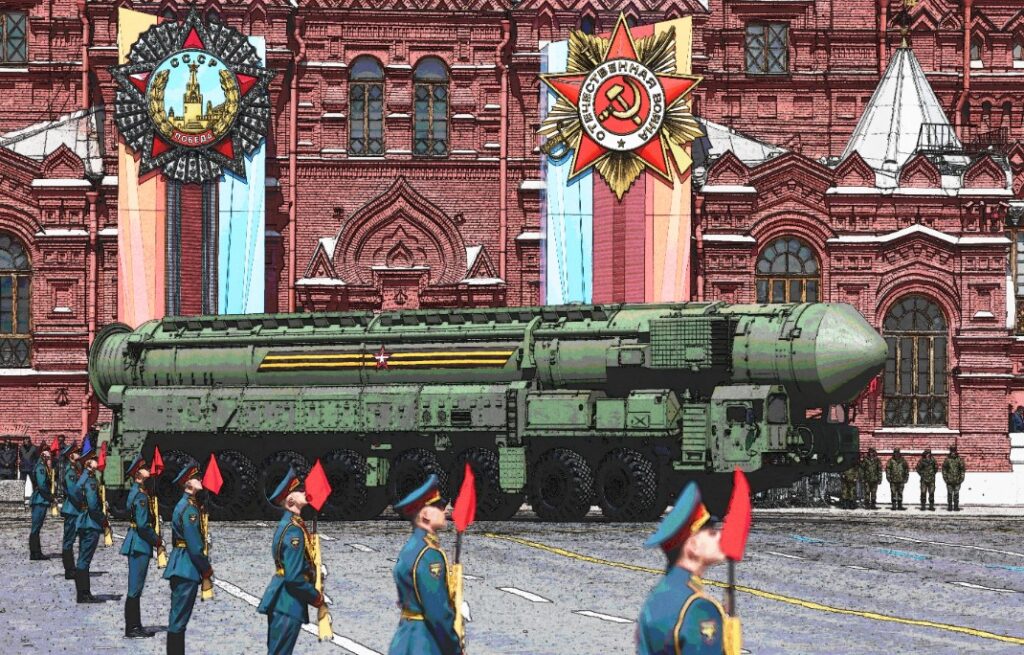
Leaders of the Commonwealth of Independent States, or CIS, will attend the 80th anniversary of the victory over Nazi Germany in Moscow on May 9, Russian state media have reported.

The CIS, a regional group that was set up as the Soviet Union collapsed in 1991, includes the Central Asian countries that were Soviet republics: Kazakhstan, Kyrgyzstan, Tajikistan, Turkmenistan and Uzbekistan. Those leaders have traditionally attended the Moscow parade. But the event drew more international scrutiny in the last few years as Russian President Vladimir Putin tried to showcase diplomatic contacts in the face of Western efforts to isolate him, and display Russian military might as the war in Ukraine dragged on.

“I am happy and pleased, just like you, to announce that all heads of state of the CIS will be at the celebrations in Moscow on May 9,” CIS Secretary General Sergey Lebedev told the council of the group’s inter-parliamentary assembly. He was quoted by Russia’s RIA Novosti news agency. The Russian news outlet TASS issued a similar report.

Kremlin spokesman Dmitry Peskov has said more than 20 heads of state and government are expected to join Putin at the victory parade in Moscow.

Some Central Asian countries, whose ancestors fought for the Soviet Union against Germany in WWII, hold their own events around the anniversary of the end of the war against the Nazis. Kyrgyzstan, for example, plans a parade on May 8 in the capital of Bishkek, allowing President Sadyr Japarov to catch the Moscow parade on the next day. Similarly, the Kazakh capital of Astana will host a military parade on May 7 after canceling several previous commemorations.

Open Wounds: Why a Murder Trial in Talgar Has Gripped Kazakhstan

In recent years, Kazakhstan has begun broadcasting high-profile criminal trials online in a move toward greater transparency in the justice system. The trial of former Minister Kuandyk Bishimbayev, sentenced to 24 years for brutally beating his wife Saltanat Nukenova to death, marked the beginning of this new judicial openness. Now, another trial has captured the public imagination: the case of the killing of teenager Sherzat Bolat in a street fight involving adult men.

The tragic events in Talgar, a small town near Almaty, have resonated across the country, exposing what many see as a long-standing culture of impunity and complacency within law enforcement.

The Talgar Tragedy

While the full chronology of events is still being established in court, several key details were released early in the investigation. Video footage suggests that Sherzat Bolat may have initiated the confrontation, allegedly striking a man he believed hadn’t paid for beer outside a store rented by his father.

The man then summoned reinforcements. A group of eleven men reportedly responded to his call, sparking a violent altercation. During the melee, Bolat was fatally stabbed in the heart. His uncle, who rushed to defend him, was also stabbed and beaten.

The incident occurred on October 4, 2024, in Talgar, a town with untapped tourism potential and historical roots tracing back to the medieval city of Talhiz. But for many, Talgar symbolizes not cultural heritage, but bureaucratic neglect. The town’s overgrown archaeological remnants mirror what residents say is the indifference of local authorities.

When no swift action followed his son’s death, Sherzat’s father, Karzhaubai Nurymov, staged a protest on October 7 alongside several residents. Nurymov demanded a transparent investigation and an open trial, appealing directly to Prosecutor General, Berik Asylov, and calling for visits from senior officials, including the Akim of the Almaty Region. Demonstrators threatened to block roads unless their demands were immediately addressed.

The protest prompted action. With the Minister of Internal Affairs taking the case under his control, the authorities began reviewing the family’s allegations.

Intimidation and Escalation

Just days later, on October 12, Sherzat’s family home was set on fire while relatives gathered at his grandmother’s house for a memorial. Police opened a criminal case for arson and placed the family under protection. According to the family’s lawyer, Askar Kaymakov, they had requested protection a day earlier after receiving threats.

The next day, National Guard units were deployed to patrol Talgar amid rumors of entrenched organized crime networks operating with the complicity of local officials and police. While the government has denied the existence of a “Talgar mafia,” the incident triggered a wave of dismissals in the local police force and administration, seemingly validating public suspicion.

Despite initial skepticism, the investigation appears to have been thorough. Authorities conducted 40 forensic examinations, questioned around 200 witnesses, and recreated the crime scene with the suspects. Confrontations and other legal procedures were carried out, and eight videos were analyzed. The criminal case now spans 62 volumes.

A Nation’s Unresolved Trauma

The Talgar case has reopened psychological wounds for many Kazakhstanis, especially in Almaty, where memories of another brutal killing still linger. On July 19, 2018, Olympic silver medalist Denis Ten was stabbed to death during a confrontation with thieves who had stolen his car mirrors. Despite the incident occurring in broad daylight in central Almaty, no police arrived in time to save him.

Ten’s death sparked national mourning and a wave of anger over the state’s inability to protect its citizens. His funeral drew thousands, transforming into a silent protest. A monument now marks the spot where he died, and his death helped catalyze political changes in 2019.

Today, the trial over Sherzat Bolat’s killing serves as another litmus test for Kazakhstan’s justice system. It is not just a legal proceeding, it is, in the eyes of many, a test of whether the promises of reform, transparency, and accountability have truly taken root.

Video: Challenging Gender Stereotypes in Modern Kazakhstan

From factory workers to female boxing champions and long-distance lorry drivers, The Times of Central Asia explores the growing challenges to long-held gender stereotypes in modern Kazakhstan, as women feel more emboldened than ever to follow their dreams.

This video was made by UNFPA Kazakhstan with the financial support of the UK Government. All views expressed in the video do not reflect the official position of UNFPA or the UK Government.

Uzbek Student Accuses Wizz Air of Discrimination After Being Denied Boarding without Explanation

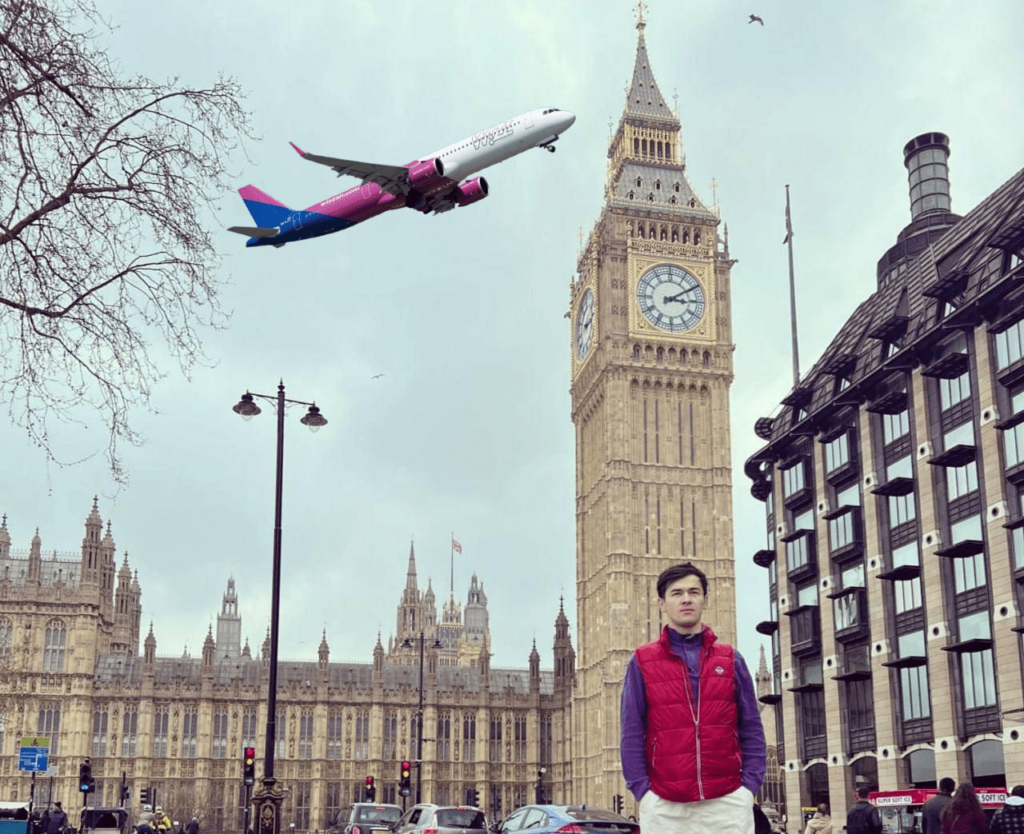
Earlier this year, Uzbekistan’s Competition Committee took action against Wizz Air following complaints about the airline’s failure to offer safety instructions in the Uzbek language on a flight from Samarkand to Abu Dhabi. Now, another troubling incident has come to light, this time, involving an Uzbek student who claims he was denied boarding without explanation, possibly due to his nationality.

——-

Suhrob Ubaydullayev, a University of World Languages student in Uzbekistan, was returning home after completing a Work and Travel program in Europe. He had booked a Wizz Air flight from Rome to Abu Dhabi, with a connection onward to Samarkand. According to Ubaydullayev, despite having all required travel documents — including a valid passport, visa, and certificates from Germany’s Federal Employment Agency — he was inexplicably denied boarding at the gate.

“I had all my documents in order,” Ubaydullayev told The Times of Central Asia. “The staff checked them and gave them back to me, but when I reached the gate, they suddenly said I couldn’t fly. No reason. No explanation.”

He claims the airline staff asked him a single question — “Are you from Uzbekistan?” — and upon hearing his affirmative response, refused to let him on board.

What followed, he says, was a humiliating and deeply distressing ordeal: threats of calling the police, warnings that his embassy wouldn’t be able to assist him, and a refusal to provide any written explanation.

“I was speaking English clearly — communication wasn’t an issue,” he told TCA, “but they treated me like a criminal. I believe it was simply because I’m from Uzbekistan.”

Ubaydullayev says that this incident occurred on 31 August 2023. He has repeatedly sent emails to the company requesting compensation. However, most emails went unanswered, or he was told to wait.

——-

After being left behind in Rome, Ubaydullayev’s troubles worsened. Because he was denied boarding on August 31, Ubaydullayev was at immediate risk of overstaying his visa, which expired on the same day. This meant that any further stay in the Schengen area would make his presence technically illegal under EU immigration law.

He scraped together borrowed funds to fly to Istanbul, where he found himself sleeping on the streets. “I met some Uzbek guys near the Sultan Ahmed Mosque who offered help,” he said. “But they ended up taking my money and disappearing.”

His eventual return home took him through Kazan, Russia, and Osh, Kyrgyzstan, before finally reaching Namangan — emotionally drained, physically exhausted, and over $2,000 in debt.

Now, Ubaydullayev has accused Wizz Air of discrimination, human rights violations, and consumer protection breaches. He has filed a complaint with the European Court of Human Rights and says his lawyers are currently working through the pre-trial phase. “This is about more than me,” he said. “This is a fight for justice — for every Uzbek passenger who deserves to be treated with dignity.”

——-

In giving a legal assessment of Ubaydullayev’s case to TCA, legal expert Azizbek Odilov says the airline’s actions amount to a clear violation of international and European law.

“The refusal to allow an Uzbek citizen to board a flight based solely on his nationality directly violates the principles of non-discrimination,” Odilov said. “This is a breach of the International Covenant on Civil and Political Rights, as well as the Convention on the Elimination of All Forms of Racial Discrimination.”

Article 26 of the International Covenant on Civil and Political Rights (ICCPR), which has been ratified by Italy, Hungary, and Uzbekistan, states: “All persons are equal before the law and are entitled without any discrimination to the equal protection of the law. In this respect, the law shall prohibit any discrimination and guarantee to all persons equal and effective protection against discrimination on any ground such as race, colour, sex, language, religion, political or other opinion, national or social origin, property, birth or other status.”

Odilov emphasized that while state authorities are primarily responsible for upholding such treaties, private entities — including airlines — are also bound by these standards under international law.

Furthermore, Wizz Air, as a European carrier based in Hungary, is subject to European Union law. Article 21 of the Charter of Fundamental Rights of the European Union prohibits discrimination on the basis of nationality or any other status. Airlines, Odilov says, are legally obligated to offer services without arbitrary or unjustified discrimination.

In addition to international human rights violations, Odilov argues that Wizz Air failed to meet its obligations under Regulation (EC) No 261/2004 of the European Parliament. This regulation mandates compensation and assistance for passengers who are denied boarding without justification. In particular, Article 7 provides for the payment of compensation to passengers of between €250 and €600, and for the reimbursement of costs associated with delays.

According to Odilov, Wizz Air was legally required to:

  • Provide an official explanation for denying boarding;
  • Offer an alternative route;
  • Refund the full cost of the ticket;
  • Pay compensation in accordance with the law;
  • Offer food and drink proportional to the delay;
  • Allow two phone calls, faxes, or emails;
  • Provide hotel accommodation and transport if an overnight stay was necessary.

Beyond the European Court, Odilov says Ubaydullayev has the right to file a formal complaint with Italy’s National Civil Aviation Authority (ENAC), one of the bodies tasked with enforcing Regulation (EC) No 261/2004.

“This isn’t just about one person,” Odilov told TCA. “It’s about holding companies accountable when they fail to treat people equally. No airline, no country, has the right to discriminate.”

“I didn’t just lose money,” Ubaydullayev said. “I lost peace of mind. I was humiliated, ignored, and left to survive alone. This case isn’t just mine — it belongs to every Uzbek passenger who deserves respect and fair treatment.”

——-

This is not Wizz Air’s first controversy involving Uzbek citizens. The airline was previously criticized when former Uzbek deputy Rasul Kusherbayev was nearly removed from a flight for requesting safety instructions in Uzbek. That case prompted a national investigation and led to a promise from Wizz Air to include Uzbek-language assistance on flights to and from Uzbekistan starting in 2025.

——-

In a statement, Wizz Air told TCA: “Wizz Air takes all allegations seriously and is currently reviewing the circumstances surrounding this case. At the time of travel in 2023, Uzbekistan citizens were required to hold a valid visa to enter the UAE. As a point-to-point carrier, Wizz Air does not offer connecting flights, and a transit visa would not have been sufficient.

We firmly reject any accusations of discrimination. Wizz Air is committed to inclusivity and equal treatment of all passengers.

Although no official complaint was submitted through our standard claims process, we will contact Mr. Ubaydullayev or his legal representatives to investigate further and work toward a resolution.”

Two Participants Die During Half Marathon in Almaty

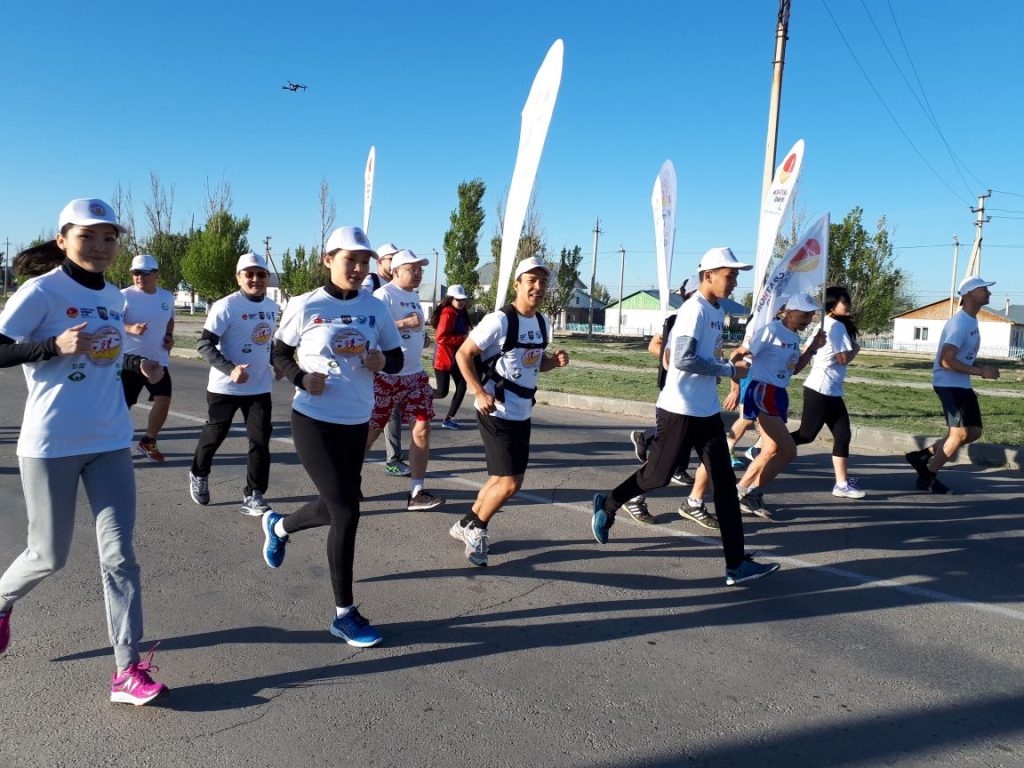
Two runners, one elderly and the other young, died during a half marathon in Almaty, Kazakhstan on Sunday, according to organizers.

The participants were identified as 84-year-old Akkoyan Rsaliyev, who has regularly taken part in races since 2021, and 21-year-old Nurbol Ahmadi, who had participated in a 10-kilometer race and had registered for several long-distance events, including a marathon in Almaty.

Rsaliyev suddenly felt bad in the first kilometer of the 21.1-kilometer run and responders in an ambulance that drove up to him found no pulse, the marathon organizers said in a statement. They quoted Dr. Alibek Khozhanazarov as saying an initial diagnosis was that the runner had a pulmonary embolism and had been suffering from chronic arterial hypertension.

Then Ahmadi lost consciousness at the 16-kilometer mark and doctors arriving at the scene tried in vain to resuscitate him. The preliminary diagnosis was a pulmonary embolism and acute heart failure, according to Dr. Aigerim Yesdauletova.

The Courage to Be the First corporate foundation, which supported the race, expressed its condolences to the families and friends of the runners who died.

The organizers said they “acted according to the regulations: medical services, emergency services and the police worked quickly and in a timely manner. Despite the measures taken, it was not possible to save the lives of the participants.”