• KGS/USD = 0.01143 -0%
  • KZT/USD = 0.00192 -0%
  • TJS/USD = 0.10820 0.19%
  • UZS/USD = 0.00008 0%
  • TMT/USD = 0.28575 0%
  • KGS/USD = 0.01143 -0%
  • KZT/USD = 0.00192 -0%
  • TJS/USD = 0.10820 0.19%
  • UZS/USD = 0.00008 0%
  • TMT/USD = 0.28575 0%
  • KGS/USD = 0.01143 -0%
  • KZT/USD = 0.00192 -0%
  • TJS/USD = 0.10820 0.19%
  • UZS/USD = 0.00008 0%
  • TMT/USD = 0.28575 0%
  • KGS/USD = 0.01143 -0%
  • KZT/USD = 0.00192 -0%
  • TJS/USD = 0.10820 0.19%
  • UZS/USD = 0.00008 0%
  • TMT/USD = 0.28575 0%
  • KGS/USD = 0.01143 -0%
  • KZT/USD = 0.00192 -0%
  • TJS/USD = 0.10820 0.19%
  • UZS/USD = 0.00008 0%
  • TMT/USD = 0.28575 0%
  • KGS/USD = 0.01143 -0%
  • KZT/USD = 0.00192 -0%
  • TJS/USD = 0.10820 0.19%
  • UZS/USD = 0.00008 0%
  • TMT/USD = 0.28575 0%
  • KGS/USD = 0.01143 -0%
  • KZT/USD = 0.00192 -0%
  • TJS/USD = 0.10820 0.19%
  • UZS/USD = 0.00008 0%
  • TMT/USD = 0.28575 0%
  • KGS/USD = 0.01143 -0%
  • KZT/USD = 0.00192 -0%
  • TJS/USD = 0.10820 0.19%
  • UZS/USD = 0.00008 0%
  • TMT/USD = 0.28575 0%
14 December 2025

Kazakhstan’s Southern Region Receives Full Irrigation Water Supply from Kyrgyzstan

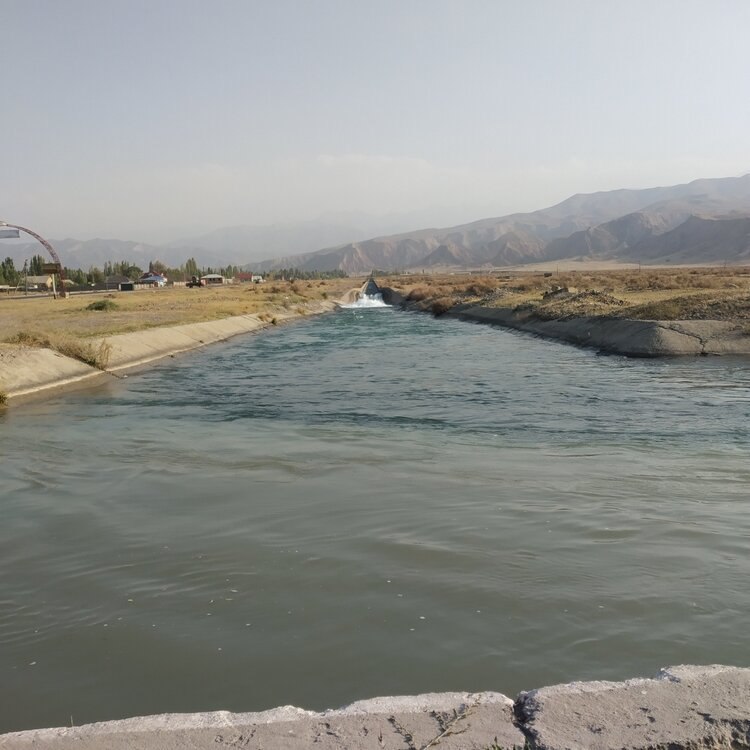
This year, five districts in Kazakhstan’s southern Zhambyl region—Kordai, Merke, Baizak, Zhambyl, and Talas—were fully supplied with irrigation water from the transboundary Shu and Talas rivers, which flow from neighboring Kyrgyzstan. The announcement was made by Kazakhstan’s Ministry of Water Resources and Irrigation.

In April, Kazakhstan and Kyrgyzstan agreed on a joint water intake schedule for the 2024 irrigation season. As part of this agreement, Kazakhstan received 418 million cubic meters of water from the Talas River, exceeding the planned 380 million cubic meters and surpassing last year’s allocation by 94.2 million cubic meters. Additionally, along the Shu River (called Chu in Kyrgyzstan), Kazakhstan was allocated 165.3 million cubic meters, 29.7 million cubic meters more than in 2023.

“Farmers in the Zhambyl region were fully provided with irrigation water according to their needs,” stated Kairat Amanov, director of the Zhambyl branch of Kazvodkhoz. In total, 533.3 million cubic meters of water were delivered, irrigating 90,100 hectares of farmland. Kazvodkhoz, a division of Kazakhstan’s Ministry of Water Resources and Irrigation, is responsible for managing the nation’s irrigation infrastructure, including canals and reservoirs.

Kazakhstan’s agriculture, especially in its arid southern regions, relies heavily on irrigation water from Kyrgyzstan. At the same time, Kyrgyzstan faces its water management challenges. The water level of Lake Issyk-Kul, Kyrgyzstan’s largest lake, has been declining, partly due to the diversion of feeder rivers for local irrigation and to meet downstream agricultural needs in Kazakhstan.

Although the Shu River does not directly feed Lake Issyk-Kul, it originates in the Issyk-Kul region and could have been utilized to irrigate nearby farmland. Instead, it plays a critical role in supporting Kazakhstan’s Zhambyl region. This allocation highlights Kyrgyzstan’s significant role in Central Asia’s water policies and its ongoing efforts to maintain cooperative relations with neighboring countries on key water and energy issues.
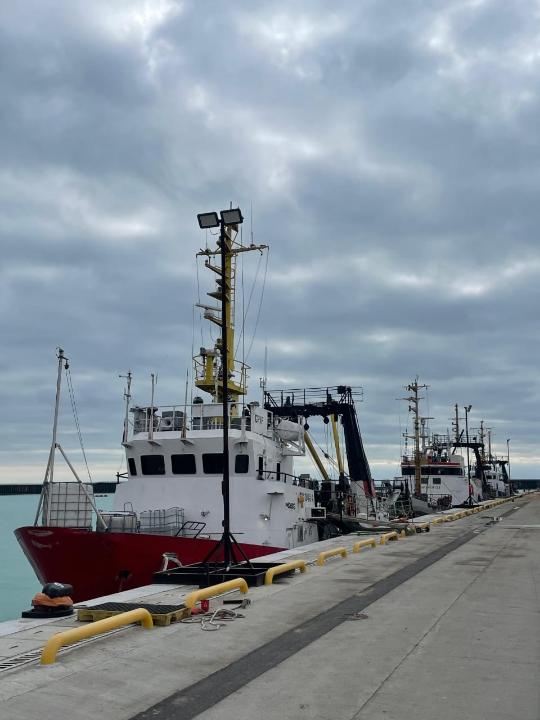
Kazakhstan Takes Bold Steps to Revive Caspian Sea Fishing Industry

For the first time in over 30 years, commercial fishing has resumed in Kazakhstan’s section of the Caspian Sea.

On December 20, Deputy Minister of Agriculture Amangaliy Berdalin attended the ceremonial departure of fishing boats targeting sprat from the port of Sarzha in the village of Kuryk, located in the Mangistau region.

Commercial fishing in the Mangistau region was active before 1991 but declined after the dissolution of the Soviet Union. Its revival is part of Kazakhstan’s broader efforts to develop a sustainable fishing industry and bolster food security.

One of the first steps in this revival was the purchase of two fishing vessels by Aktau Balyk Company LLP. The company aims to catch approximately 10,000 tons of Caspian sprat annually, providing this resource to the domestic market. Plans are already underway to expand operations. Next year, Aktau Balyk intends to acquire four additional vessels, increasing its fleet and boosting its annual catch volume to 30,000 tons.

The government’s commitment to revitalizing the fishing industry is underscored by the Program for the Development of Fisheries until 2030. This initiative prioritizes fish farming as a cornerstone of the sector’s growth. According to the program:

  • Kazakhstan aims to produce 270,000 tons of fish annually through fish farming by 2030.
  • The government seeks to increase domestic fish consumption to 134,000 tons annually.
  • Fish imports are targeted to drop from 45,000 tons to 25,000 tons annually.

This strategic push signals Kazakhstan’s determination to establish a thriving fishing industry to meet domestic demand and position the country as a competitive player in the regional seafood market.

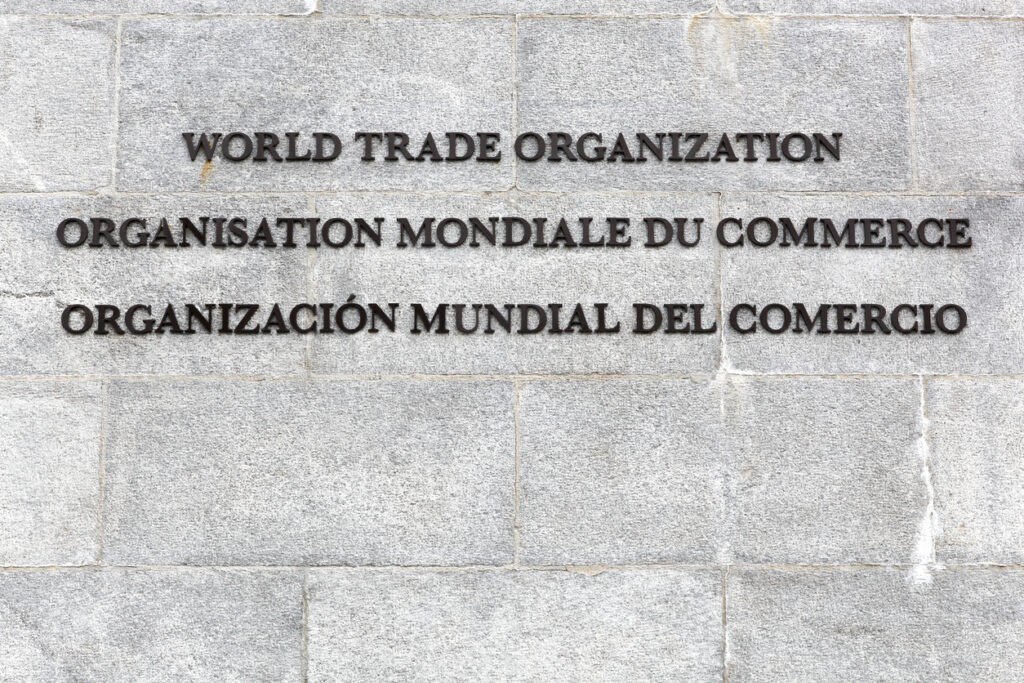
Uzbekistan Completes Bilateral WTO Talks with U.S.

Uzbekistan has successfully concluded bilateral negotiations with the United States as part of its efforts to join the World Trade Organization (WTO), according to Azizbek Urunov, Special Representative of the President of Uzbekistan for the WTO. Urunov announced the milestone on his LinkedIn page.

“Uzbekistan and the United States signed today, on December 19, 2024, the Protocol on the completion of the bilateral market access negotiations within Uzbekistan’s WTO accession,” Urunov wrote.

The protocol was signed by Deputy Prime Minister Jamshid Khodjaev and U.S. Trade Representative Katherine Tai. Urunov described 2024 as a “historic year” for Uzbekistan’s WTO membership process, noting significant progress achieved by the end of the year.

Expressing gratitude, Urunov commended the U.S. negotiating team for its constructive engagement and lauded the dedication of Uzbekistan’s negotiators. He emphasized the country’s commitment to finalizing its WTO accession by 2026, under the leadership of President Shavkat Mirziyoyev.

In addition to the United States, Uzbekistan has also concluded bilateral negotiations with China, signaling accelerated efforts to meet its WTO membership target.

Important Deal Signed for China-Kyrgyzstan-Uzbekistan Railway Project

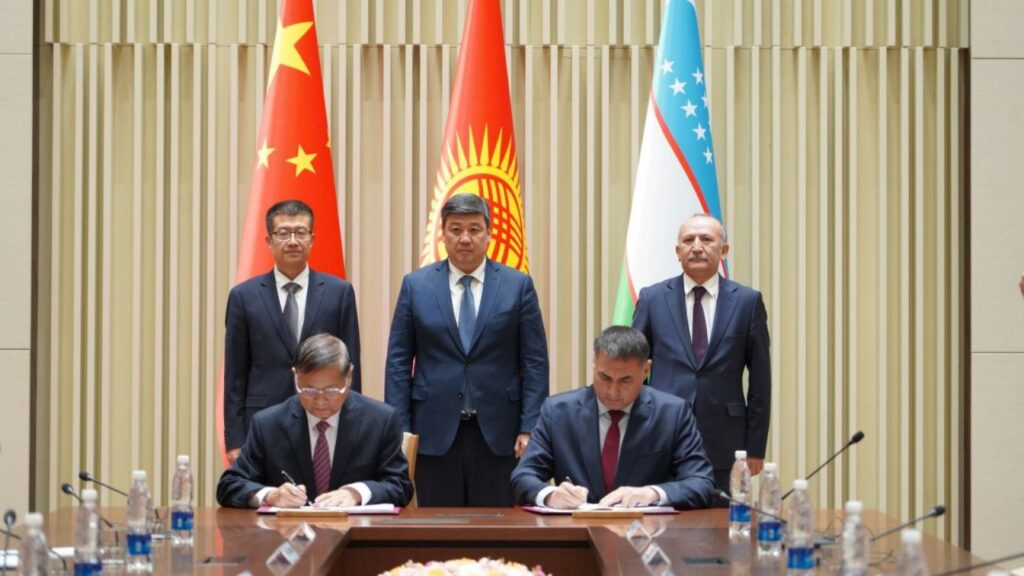
On December 20, Bishkek hosted the signing of an investment agreement between Kyrgyzstan’s Cabinet of Ministers and China-Kyrgyzstan-Uzbekistan Railway Company LLC. The agreement encompasses the design, construction, financing, operation, and maintenance of the China-Kyrgyzstan-Uzbekistan railway.

The announcement came shortly after Kyrgyz President Sadyr Japarov revealed that construction on the strategic railway, which will connect the three nations, is set to begin on December 27.

The agreement was signed by Kyrgyzstan’s Minister of Transport and Communications, Absattar Syrgabaev, and Zhong Shenggui, Chairman of the Board of Directors of China-Kyrgyzstan-Uzbekistan Railway Company LLC.

A Historic Milestone

The signing ceremony was attended by Kyrgyz Deputy Chairman of the Cabinet of Ministers and Minister of Water Resources, Agriculture, and Processing Industry Bakyt Torobayev; Li Baojie, Charge d’Affaires of the Chinese Embassy in Kyrgyzstan; and Saidikram Iyazkhodjaev, Uzbekistan’s Ambassador to Kyrgyzstan.

In his remarks, Torobayev called the agreement a historic achievement for the three nations, marking the conclusion of a lengthy negotiation process and the start of practical implementation. “This large-scale infrastructure project is of both regional and international significance,” he emphasized.

Strategic Importance of the Railway

The China-Kyrgyzstan-Uzbekistan railway is a pivotal development for the transport strategies of the participating countries. Currently, neither Kyrgyzstan nor Uzbekistan has a direct railway link with China, while Central Asia’s rail connection to China is limited to a route through Kazakhstan. Furthermore, Kyrgyzstan and Uzbekistan lack a direct railway link between them.

The project’s significance was cemented on June 6, 2024, when China, Kyrgyzstan, and Uzbekistan signed an intergovernmental agreement in Beijing. The 523-kilometer railway will traverse Kashgar (China), Torugart, Makmal, Jalal-Abad (Kyrgyzstan), and Andijan (Uzbekistan). Transit and logistics infrastructure will be developed along the route to support its operations.

Once completed, the railway is expected to transport up to 15 million tons of cargo annually, significantly enhancing trade and connectivity in the region.

Kazakhstan and Uzbekistan Intensify Efforts to Combat Disinformation

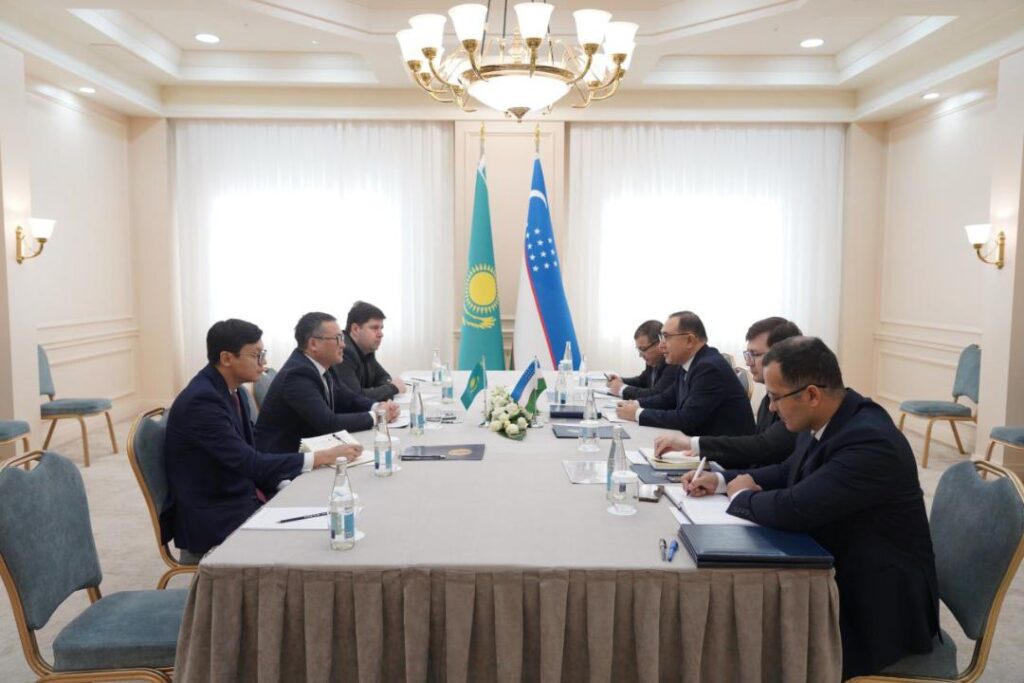
Kazakhstan and Uzbekistan have agreed to deepen their collaboration in the information sector, focusing on combating disinformation and fake news. The agreement was formalized during a meeting between representatives from Kazakhstan’s Ministry of Culture and Information and Uzbekistan’s Agency of Information and Mass Communications under the President’s Administration in Tashkent. A cooperation plan for 2025 was signed, covering several initiatives, including media content exchange, training programs for journalists and press secretaries, and support for young media professionals.

This agreement builds on commitments made during Uzbek President Shavkat Mirziyoyev’s visit to Kazakhstan on August 8, when both nations adopted a joint statement on mass communication cooperation. Kazakhstan’s Ministry of Culture and Information emphasized the importance of establishing robust mechanisms to counter fake news and fostering media integration through collaborative projects.

The meeting also highlighted plans to organize press tours aimed at enhancing journalistic expertise and strengthening professional ties. A key focus was the development of the Silk Way TV channel, presented by Robert Muradyan, Managing Director of Kazakhstan’s Presidential TV and Radio Complex. The channel is envisioned as a platform for expanding content exchange among Central Asian nations.

Additionally, Kazakhstan’s delegation is participating in the VI meeting of ministers and officials responsible for media, hosted by the Organization of Turkic States from December 17 to 19. Both sides expressed their readiness to bolster cooperation, which they see as integral to achieving strategic goals in media development and countering information threats.

Kazakhstan and Uzbekistan are proactively addressing the issue of disinformation through legislative and educational measures.

In Kazakhstan, the dissemination of false information is punishable by administrative and criminal penalties, including fines or imprisonment of up to seven years, with the severity of the punishment determined by the level of harm caused.

Uzbekistan has also taken significant steps. In September 2024, the First Uzbekistan-Azerbaijan Media Forum was held in Tashkent, where participants discussed cooperative efforts to combat disinformation and improve media literacy. Uzbekistan is also implementing projects to establish cooperative mechanisms in the media sphere and organize press tours for journalists to enhance their skills.

Both nations recognize the critical importance of combating disinformation to maintain the integrity of their media landscapes. By prioritizing educational initiatives, international collaboration, and media literacy, Kazakhstan and Uzbekistan are taking meaningful steps to ensure a more informed and resilient public.

Uzbekistan Searches for Two Chechens Accused of Allamjonov Assassination Attempt

Uzbekistan has placed two Chechen residents, Bislan Rasayev and Shamil Temirkhanov, on Interpol’s wanted list in connection with an alleged assassination attempt. According to Vzglyad.uz, the two men are accused of multiple crimes and were allegedly offered $1.5 million to kill Komil Allamjonov, the former head of the Information Policy Department of the Presidential Administration, and Dmitry Li, head of the National Agency for Prospective Projects (NAPP).

Rasayev, 36, and Temirkhanov, 31, reportedly attempted to assassinate Allamjonov. Investigators allege that the pair entered Uzbekistan via separate routes — one crossing the Uzbek-Kyrgyz border illegally and the other entering through the Dostlik checkpoint — while following instructions from their clients.

The case gained attention following reports of an armed attack on October 26. According to the Prosecutor General’s Office, the incident occurred outside Tashkent, on Ifor Street in the Qibray district. Unidentified individuals fired multiple shots at a Range Rover driven by a man identified as “S.S.” before fleeing the scene.

The investigation has revealed material evidence collected at the crime scene, in vehicles used by the suspects, and at their places of residence. These findings have been critical to the case. Authorities have identified seven individuals connected to the crime. While five suspects are currently in custody, Rasayev and Temirkhanov remain at large.

Some media outlets have speculated about possible links to Chechen leader Ramzan Kadyrov, though no official confirmation has been provided.