• KGS/USD = 0.01144 0%
  • KZT/USD = 0.00213 0%
  • TJS/USD = 0.10456 0.19%
  • UZS/USD = 0.00008 0%
  • TMT/USD = 0.28490 0%
  • KGS/USD = 0.01144 0%
  • KZT/USD = 0.00213 0%
  • TJS/USD = 0.10456 0.19%
  • UZS/USD = 0.00008 0%
  • TMT/USD = 0.28490 0%
  • KGS/USD = 0.01144 0%
  • KZT/USD = 0.00213 0%
  • TJS/USD = 0.10456 0.19%
  • UZS/USD = 0.00008 0%
  • TMT/USD = 0.28490 0%
  • KGS/USD = 0.01144 0%
  • KZT/USD = 0.00213 0%
  • TJS/USD = 0.10456 0.19%
  • UZS/USD = 0.00008 0%
  • TMT/USD = 0.28490 0%
  • KGS/USD = 0.01144 0%
  • KZT/USD = 0.00213 0%
  • TJS/USD = 0.10456 0.19%
  • UZS/USD = 0.00008 0%
  • TMT/USD = 0.28490 0%
  • KGS/USD = 0.01144 0%
  • KZT/USD = 0.00213 0%
  • TJS/USD = 0.10456 0.19%
  • UZS/USD = 0.00008 0%
  • TMT/USD = 0.28490 0%
  • KGS/USD = 0.01144 0%
  • KZT/USD = 0.00213 0%
  • TJS/USD = 0.10456 0.19%
  • UZS/USD = 0.00008 0%
  • TMT/USD = 0.28490 0%
  • KGS/USD = 0.01144 0%
  • KZT/USD = 0.00213 0%
  • TJS/USD = 0.10456 0.19%
  • UZS/USD = 0.00008 0%
  • TMT/USD = 0.28490 0%

Kyrgyzstan Seeks €2.7 Billion from UK for Business Development

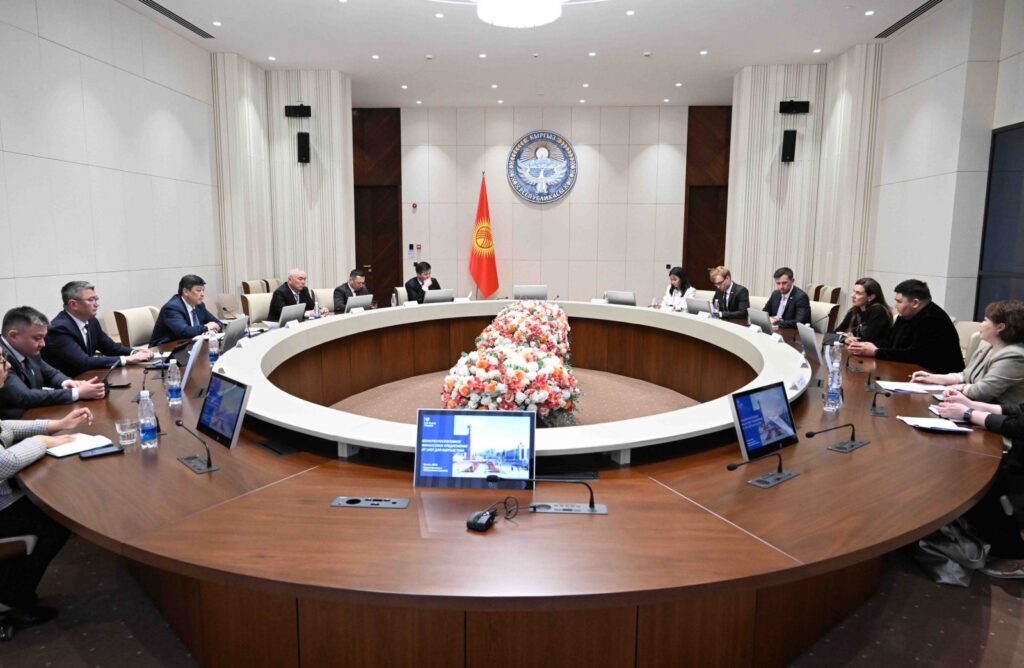
Deputy Chairman of the Cabinet of Ministers of Kyrgyzstan Bakyt Torobaev has held a high-level meeting with Shebn Alp, Regional Director of the UK Export Credit Agency (UKEF), seeking €2.7 billion in financial support to boost the country’s business sector. The meeting was held in accordance with instructions from Kyrgyz President Sadyr Japarov, who has outlined economic modernization as a government priority.

Torobaev emphasized the country’s strategic goals, which include revitalizing the agro-industrial sector, developing critical infrastructure, diversifying export markets, and enhancing Kyrgyzstan’s investment appeal. “The Cabinet of Ministers of Kyrgyzstan is committed to creating added value within the country, promoting environmentally friendly and organic agriculture, modernizing irrigation systems, and transitioning from a raw materials-based to a processing economy,” he stated.

British representatives reportedly expressed interest in cooperation in the mining, construction, and infrastructure sectors, all of which are currently experiencing robust growth in Kyrgyzstan. The construction industry, in particular, is seen as a driving force behind the nation’s economic progress, as previously reported by The Times of Central Asia.

Authorities are also investing in the mining sector, including recent efforts to rehabilitate rare earth element mines in Chui Oblast. These materials are essential for the production of electric vehicle batteries, positioning Kyrgyzstan as a potential player in the global green energy supply chain.

Tajikistan’s Passport Remains Among the World’s Weakest

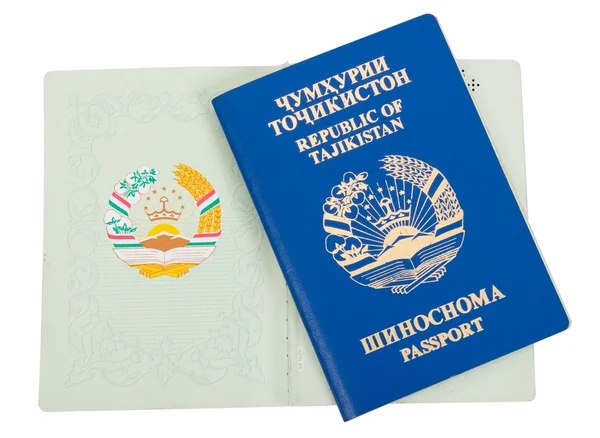
Tajikistan’s passport has once again ranked among the lowest globally in terms of travel freedom, highlighting the country’s ongoing limitations in global mobility. This is according to the updated 2025 Visa Index ranking,

Tajikistan placed 84th out of more than 90 countries surveyed. Holders of Tajik passports can travel visa-free to just 23 countries. An additional 33 countries offer visas on arrival, and two allow electronic travel authorizations (eTAs). Entry into 40 countries requires an e-visa, while advance visas are mandatory for 131 destinations.

Compared to other former Soviet republics, Tajikistan trails significantly behind. Ukraine ranks 28th with 149 visa-free destinations, Georgia 45th (125 countries), Kazakhstan 63rd (82), Kyrgyzstan 79th (63), and Uzbekistan 80th (62). The only country in the region with a weaker passport is Turkmenistan, which ranks 92nd, offering access to just 48 countries.

An alternative ranking by Passport Index places Tajikistan 66th, counting 23 visa-free countries, 47 with visa-on-arrival options, and four that accept eTAs. These slight differences arise from variations in methodology and recognition of visa regimes.

Official data from Tajikistan’s Ministry of Foreign Affairs partially supports these findings, listing 35 visa-free destinations. These include 23 countries that offer unrestricted entry to Tajik citizens, regardless of passport category. Among them are Russia, Iran, Ukraine, Georgia, Armenia, Malaysia, Belarus, the Philippines, Uzbekistan, and Kyrgyzstan.

Despite modest improvements, Tajik citizens still face significant challenges when traveling to most developed countries. Entry into the European Union, the United Kingdom, the United States, Canada, Japan, and Australia, 131 countries in total, requires advance visa processing.

Experts note that visa liberalization depends on numerous factors, including political and economic stability, diplomatic engagement, and international trust. Rankings like Visa Index and Passport Index evaluate travel freedom based on the number of countries accessible via visa-free entry, visa-on-arrival, or eTA. The highest-ranked passports provide access to over 180 destinations without the need for prior visas.

For citizens of countries with “weak” passports, some turn to citizenship-by-investment programs to circumvent travel restrictions, especially businesspeople or frequent international travelers seeking broader mobility.

Tajikistan’s passport remains one of the least mobile in the world. While visa-free travel to CIS and selected Asian countries provides some leeway, broader global access remains limited. Improving this situation will require intensified diplomatic negotiations and stronger economic partnerships that could eventually influence international visa policies.

Central Asia Creates a Rift in the Turkic World Over Cyprus

Since the beginning of the Russian invasion of Ukraine, the five Central Asian republics have been performing a very complex balancing act. In some cases, this dynamic has forced them to make difficult decisions from a geopolitical point of view. This is the case with what has happened in recent weeks regarding diplomatic recognition of the Republic of Cyprus, a member of the European Union since 2004.

Between December 2024 and the end of March 2025, Uzbekistan, Kazakhstan and Turkmenistan have each appointed diplomatic representatives in the Republic of Cyprus. Kazakhstan has decided to open its own embassy in Cyprus directly, while Uzbekistan and Turkmenistan have accredited their respective ambassadors in Italy as diplomatic representatives for the Eastern Mediterranean Island also.

Looking at the calendar, it doesn’t seem to be a coincidence that these decisions were taken in the weeks leading up to the first historic summit between the European Union and Central Asia at the level of heads of state and government. The fourth point of the official joint declaration issued at the end of the meeting clarifies the matter: the text clearly states the support of the parties involved – the European Union and Central Asia – for United Nations Security Council Resolutions 541 (1983) and 550 (1984). These two resolutions make it clear that the only recognized authority on the island is that of the Republic of Cyprus.

In recent years, there has been no shortage of explicit references to the Cyprus issue in relations between the European Union and Central Asia. This was the case, for example, in September 2023: during a conference in Brussels, Kazakhstan, Uzbekistan, Turkmenistan, Kyrgyzstan, and Tajikistan were warned against officially accepting the Turkish Republic of Northern Cyprus (TNRT) as an observer member of the Ankara-led Organization of Turkic States (OTS). Dietmar Krissler, head of the European External Action Service’s Central Asia desk, spoke of the possible “negative effects” for the Central Asian members if they were to ratify TRNT’s access to the Organization as an observer.

Returning to the summit held in Samarkand at the beginning of April, the President of the European Commission, Ursula von der Leyen, announced during the discussions that €12 billion would be invested in Central Asia in various sectors. By also using the prospect of these investments, the European Union’s diplomatic pressure on the Central Asian republics over Cyprus has been successful. As BBC Türkçe reports, this is not just a formal declaration of intent: in the official joint statement, future cooperation is in fact closely linked to compliance with the principles contained in the two UN resolutions, a very clear position.

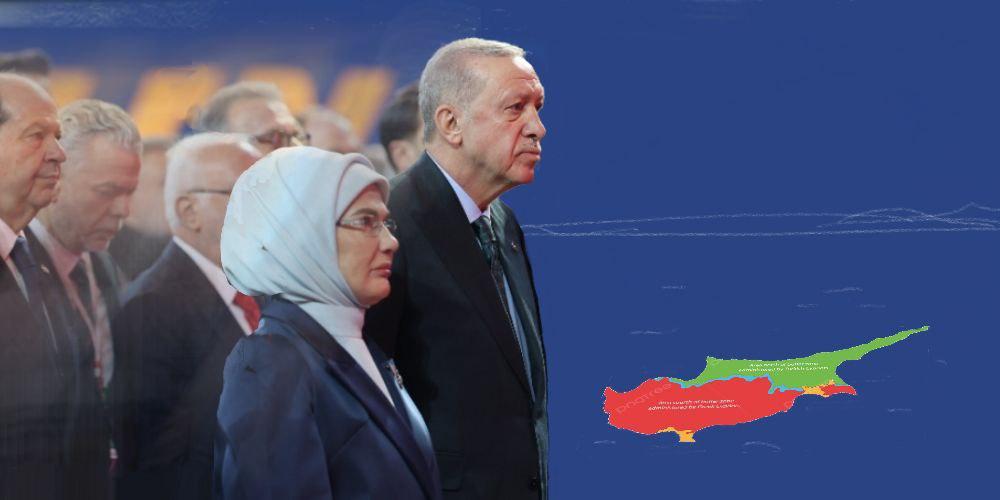
From Turkey’s point of view, however, the picture is quite different. Turkey is the only country in the world to officially recognize the TRNC, which became a self-proclaimed independent entity in 1984 after Turkey invaded part of the island in 1974. Over the years, Ankara’s pressure has succeeded in preventing relations between the Central Asian republics and the Republic of Cyprus from going as far as the appointment of official diplomatic representatives. But now the situation has changed.

The move by Kazakhstan, Uzbekistan, and Turkmenistan is particularly significant from another point of view: The three countries, with Turkmenistan only as an observer, are part of the abovementioned Organization of Turkic States, of which the TRNC has also been an observer since 2022. From the Turkish perspective, therefore, the position adopted by Astana, Tashkent, and Ashgabat can be interpreted as a betrayal of Turkish President Recep Tayyip Erdoğan’s efforts on the pan-Turkic front, one of his key foreign policy doctrines.

At the latest meeting in November last year, the Turkish President called on the Organization’s member states to give more support to the TRNC. The occasion was the summit in Kyrgyzstan, which was also attended by the president of the self-proclaimed entity, Ersin Tatar. This year, the summit of the OTS will be held in Azerbaijan, and it will be interesting to see how the issue of the appointment of Ambassadors from Kazakhstan, Uzbekistan and Turkmenistan to the Republic of Cyprus will be handled.

So far, the Turkish authorities have made no official statement on the move by the three Central Asian republics. Although the OTS has made progress in terms of economic integration among its members through initiatives such as the launch of the Turkic Investment Fund, repercussions cannot be ruled out. During an interview on Turkish television, the TRNC Minister of Transport, Erhan Arıklı, clearly stated that he expects Turkey to take effective countermeasures. The Turkish press has highlighted the nature of the decision as a real diplomatic slap in the face for President Erdoğan and also emphasized the concurrence with the announcement of European investment in Central Asia. The message to the country’s public is that countries formally allied to Turkey have sold the unity of the Turkish world to Brussels.

The Cyprus issue shows how difficult it can be for Central Asian republics to maneuver in the current international context. The pressure exerted by the European Union and Turkey also highlights the diplomatic importance of the region. This is true not only for Russia, which is facing international isolation following its invasion of Ukraine. It is a situation that offers opportunities but also contains risks. The main opportunity is the possibility of using this increased diplomatic relevance on various fronts to obtain concessions, as in the case of European investments related to critical sectors such as minerals and regional logistics. On the other hand, the main risk is the inability to maintain a balance between the different demands of the various partners of the Central Asian republics. This is a key match for the geopolitical and diplomatic relevance of Central Asia, a match for which cooperation between the regional republics, to be perceived as a united bloc, becomes even more fundamental

Jewelry Factory Opens in Tajikistan with Chinese Investment

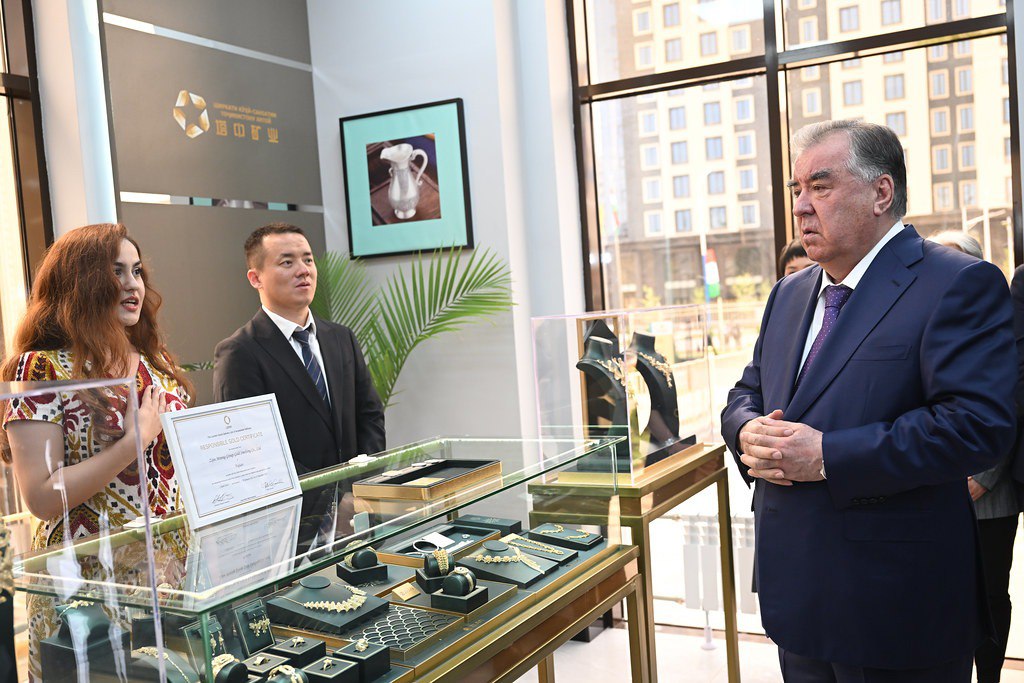
A new jewelry factory operated by China-Tajikistan Mining Industry Company LLC officially opened in Dushanbe on April 10. The inauguration ceremony was attended by President Emomali Rahmon of Tajikistan.

Construction of the facility began in 2023. The complex now includes modern production facilities and a two-story gold sales center. Utilizing the latest Chinese technology, the factory is capable of processing up to one ton of gold and 30 tons of silver annually. It will also produce a variety of goods, including jewelry, home decorations, and household items.

On the same day, President Rahmon laid the foundation stones for two additional jewelry factories, also backed by Chinese investment. One will be operated by TBEA Dushanbe Mining Industry Company LLC, and the other by Pakrut Company LLC. Both are slated for completion within a year and will be located in Dushanbe.

China currently controls over 75% of Tajikistan’s gold production. While Chinese investment has helped develop Tajikistan’s mining infrastructure, it has also raised concerns. Critics point to potential environmental risks and labor rights issues associated with the expanding influence of Chinese firms in the sector.

Transit of Russian Gas to Uzbekistan Through Kazakhstan Continues to Grow

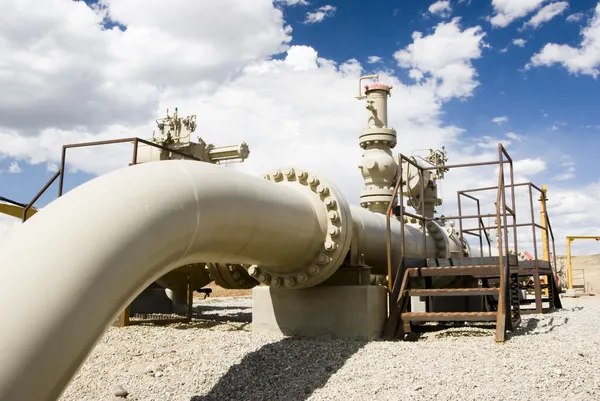
The volume of Russian natural gas transiting through Kazakhstan to Uzbekistan is on the rise, reflecting deepening regional energy cooperation. Kazakhstan’s Deputy Minister of Energy, Alibek Zhamauov, shared the update during a speech at the international Energy Trends forum, according to Interfax.

Gas transit to Uzbekistan via Kazakhstan began in October 2023. In 2024, 5.6 billion cubic meters of Russian gas were delivered through Kazakhstan, surpassing earlier forecasts of 3.8 billion cubic meters. The volume is projected to increase to 7.3 billion cubic meters in 2025, with further plans to reach 11 billion cubic meters per year starting in 2026.

The growing volumes highlight Kazakhstan’s emerging role as a vital transit hub for Central Asia. In 2023, the initial year of operation, 1.28 billion cubic meters of gas were transported along this route.

Zhamauov stated that the project is part of a broader strategy to enhance regional energy security and develop cross-border gas infrastructure. Kazakhstan’s Ministry of Energy has committed to expanding and upgrading the country’s gas transportation network to accommodate long-term supply agreements with neighboring states.

Uzbekistan’s Production Decline Raises Concerns

The rising reliance on imported gas comes amid a continued decline in Uzbekistan’s domestic natural gas production. In the first two months of 2025, output fell by 4.2% compared to the same period in 2024. This trend follows a steep drop in production from 61.59 billion cubic meters in 2018 to 44.59 billion in 2024.

The shrinking output has sparked concerns over Uzbekistan’s energy security and its broader economic implications. The country’s increasing dependence on regional gas flows highlights the strategic importance of projects like the Russia-Kazakhstan-Uzbekistan transit corridor.

Ice Cream Flavored with Kurt, Tara, and Balkaymak Presented in Almaty

An Almaty-based company, UMAMI, has launched a new line of ice cream inspired by traditional Kazakh flavors. The collection features three distinct varieties: kurt, tary, and balkaymak.

Balkaymak is a rich, creamy dessert, sometimes prepared with flour and honey, and typically served warm alongside bread or pastries. Tary refers to roasted millet, a staple often enjoyed with tea. Kurt is a protein and mineral-rich dried fermented milk product, deeply rooted in Kazakh culinary heritage.

UMAMI’s project aims not only to surprise the palate but also to integrate national gastronomy into a modern context, creating what the team hopes will become a new symbol of Kazakh culture. “You’ll find it interesting in your mouth,” promises brand co-founder and technologist Oksana Kim-Flayosk.

A Flavor Journey in Every Scoop

Among the standout offerings is the cream kurt ice cream, made using authentic kurt. The UMAMI team sampled dozens of variations from different producers before selecting the ideal base. The flavor unfolds in stages: a brackish start, followed by a sour note, and ending in a sweet finish.

To elevate the experience, UMAMI recommends serving the kurt ice cream in a baursak, a traditional Kazakh fried dough delicacy. Kim-Flayosk likens this combination to a local version of the Italian dessert maritozzo, where a sweet bun is filled with cream. “We put a ball of ice cream in the baursak, and that’s our national version of maritozzo,” she explained.

While all three flavors were tested in baursaks, kurt was the undisputed favorite among tasters.

Nauryz Roots and Steppe Spirit

The Tary & Talkan flavor, originally created for the Nauryz holiday five years ago, was so well received that it earned a permanent spot in UMAMI’s lineup. The recipe combines black tea infused with milk, roasted millet ground into talkan, and a dairy base, evoking the spirit of the Kazakh steppe.

The third offering, Balkaymak & Irimshik, is rich and textured, featuring bits of irimshik (a type of curd) to accentuate the contrast between its caramel and creamy elements. “I wanted there to be texture, to be able to chew. First creamy, then caramel, and then creamy again,” said Kim-Flayosk.

Prior to finalizing the recipe, UMAMI conducted a public survey to better understand what balkaymak means to different people. Responses varied widely, from cream skimmed from spring milk to a boiled mixture of sour cream, flour, and sugar.

Modernizing Tradition

Kim-Flayosk emphasized UMAMI’s commitment to preserving and popularizing Kazakh culinary identity. “We are a local brand. We see society’s interest in traditions and want to be part of a culture that popularizes Kazakhstani products,” she said.

The company plans to launch souvenir boxes featuring all three flavors in the coming month, offering a gastronomic symbol of Kazakhstan to locals and tourists alike.

Non-standard ice cream flavors are increasingly part of a global trend. Around the world, producers are experimenting with combinations like mustard and dill, eel, black pepper, garlic, chili, and even beer. In this diverse international context, UMAMI’s Kazakhstani creations stand out not just for their originality, but for their role in preserving and celebrating national culture.