• KGS/USD = 0.01144 0%
  • KZT/USD = 0.00192 -0%
  • TJS/USD = 0.10849 0.37%
  • UZS/USD = 0.00008 0%
  • TMT/USD = 0.28490 0%
  • KGS/USD = 0.01144 0%
  • KZT/USD = 0.00192 -0%
  • TJS/USD = 0.10849 0.37%
  • UZS/USD = 0.00008 0%
  • TMT/USD = 0.28490 0%
  • KGS/USD = 0.01144 0%
  • KZT/USD = 0.00192 -0%
  • TJS/USD = 0.10849 0.37%
  • UZS/USD = 0.00008 0%
  • TMT/USD = 0.28490 0%
  • KGS/USD = 0.01144 0%
  • KZT/USD = 0.00192 -0%
  • TJS/USD = 0.10849 0.37%
  • UZS/USD = 0.00008 0%
  • TMT/USD = 0.28490 0%
  • KGS/USD = 0.01144 0%
  • KZT/USD = 0.00192 -0%
  • TJS/USD = 0.10849 0.37%
  • UZS/USD = 0.00008 0%
  • TMT/USD = 0.28490 0%
  • KGS/USD = 0.01144 0%
  • KZT/USD = 0.00192 -0%
  • TJS/USD = 0.10849 0.37%
  • UZS/USD = 0.00008 0%
  • TMT/USD = 0.28490 0%
  • KGS/USD = 0.01144 0%
  • KZT/USD = 0.00192 -0%
  • TJS/USD = 0.10849 0.37%
  • UZS/USD = 0.00008 0%
  • TMT/USD = 0.28490 0%
  • KGS/USD = 0.01144 0%
  • KZT/USD = 0.00192 -0%
  • TJS/USD = 0.10849 0.37%
  • UZS/USD = 0.00008 0%
  • TMT/USD = 0.28490 0%
11 December 2025

Kyrgyzstan to Impose Fines for Online Insult and Libel

The Jogorku Kenesh, Kyrgyzstan’s parliament, has approved a bill in its second reading to impose fines for insult and libel on the Internet. Initially criticized for its steep penalties, the fines have been reduced fivefold following public backlash.

The bill was first introduced to the parliamentary committee in June. Public dissatisfaction arose over the high penalties it proposed, which included fines of 100,000 KGS ($1,200) for individuals and 200,000 KGS ($2,400) for legal entities.

Kyrgyz Ombudsman Jamilya Dzhamanbaeva was among the first to voice opposition, arguing that the fines were “unreasonably high” and violated the principle of proportionality. Media representatives also demanded public consultations, emphasizing that laws affecting citizens’ rights and media freedom require parliamentary hearings under Article 115 of Kyrgyz law.

Responding to the widespread criticism, lawmakers amended the bill to reduce the fines by 80%.

“It is every citizen’s absolute right to criticize the authorities. But every criticism must have a ‘red line’ that no one is allowed to cross. Constructive criticism should never be perceived as an offense by government bodies,” said social activist Alisher Tashmatov, speaking to The Times of Central Asia. Tashmatov supported the need for libel laws, pointing out that false information, particularly targeting high-ranking officials during election seasons, is a growing concern in Kyrgyzstan.

Guli Almambetova, former head of the Bishkek City Hall press service, shared her perspective, having faced numerous online insults during her tenure. While unpleasant, she said such criticism often provided valuable insights into municipal shortcomings.

“This kind of unflattering feedback helped us analyze the performance of city services and address specific issues,” Almambetova explained. Known for her blunt social media commentary, she also acknowledged that her sharp exchanges with citizens spurred her to establish press services within municipal agencies to handle complaints more constructively.

Almambetova stressed the importance of balancing responsibility and freedom of expression: “A system of accountability for one’s words is essential. Citizens should channel their grievances about poor public service through proper contacts. That’s how we grow as a society and find the balance between insult and constructive criticism.”

Until such a balance is achieved, however, the state is adopting stricter measures to curb online hostilities toward public officials and institutions.

Global Human Rights Body Condemns Inaction of Turkmenistan’s Ombudsman

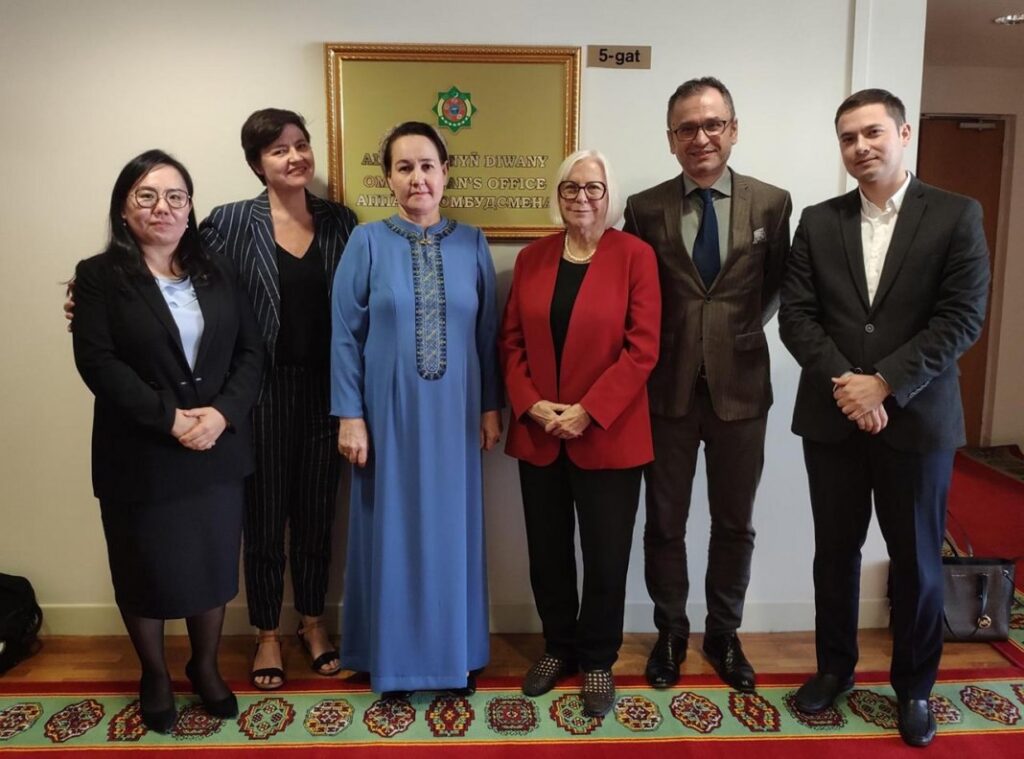
The Global Alliance of National Human Rights Institutions (OHCHR-SCA) has issued sharp criticism of Turkmenistan’s Ombudsman Office. According to the Sub-Committee on Accreditation (SCA), the institution has failed to actively protect human rights despite credible reports of serious violations by state entities.

One major concern highlighted by the SCA is the Ombudsman’s lack of responsiveness to appeals from human rights organizations. This raises doubts about its ability to engage in meaningful dialogue and cooperation with key stakeholders.

The SCA also expressed alarm over the absence of transparency in how civil society is involved in ensuring the independence and impartiality of the Ombudsman’s operations. Furthermore, limited access for applicants and a poorly maintained website—last updated in February—underscore deficiencies in the institution’s functionality.

The controversy surrounding Human Rights Ombudsman Yazdursun Gurbannazarova further fuels criticism. Last year, Gurbannazarova reportedly pressured journalist Soltan Achilova to cancel a planned trip to Geneva, a move widely condemned by observers. These actions reinforce the SCA’s assessment that the Ombudsman’s Office is not fulfilling its mandate.

Turkmenistan has long faced scrutiny from human rights organizations for systematic violations. Amnesty International has reported widespread use of torture, denial of medical care to political prisoners, and persecution of opposition figures within and outside the country. Human Rights Watch has documented cases of intimidation, including threats against the families of dissidents living abroad.
The SCA’s findings shed light on Turkmenistan’s ongoing challenges in addressing human rights concerns and underscore the need for reforms in its Ombudsman Office to meet international standards.

Kyrgyzstan Tackles Decreasing Water Levels in Lake Issyk-Kul

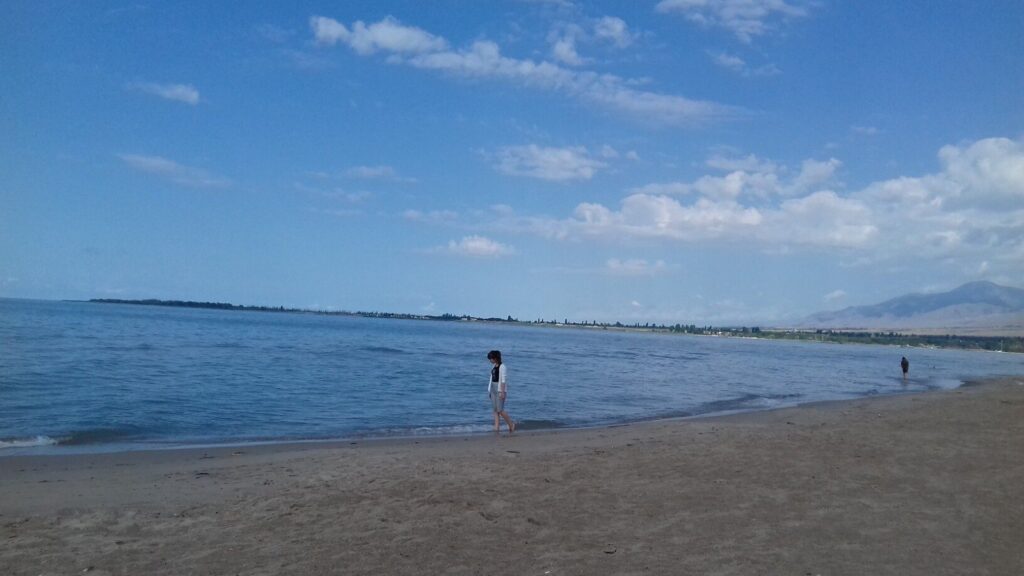
Kyrgyzstan’s Ministry of Water Resources, Agriculture, and Processing Industry, with support from the World Bank, hosted a National Water Forum on November 29 to address the country’s water resource challenges. The forum focused on the impacts of climate change and strategies to preserve Lake Issyk-Kul, the country’s largest lake and a key tourist destination.

Lake Issyk-Kul is under significant threat due to climate change, overuse of natural resources, and ecosystem degradation. The most urgent issue is the declining water level, largely caused by the diversion of water from rivers that feed the lake. These rivers are heavily utilized for local irrigation and redirected to support agricultural needs in downstream Central Asian countries.

Government Action Plan
At the forum, Bakyt Torobaev, Kyrgyzstan’s Deputy Chairman of the Cabinet of Ministers and Minister of Water Resources, Agriculture, and Processing Industry, urged collective action to safeguard Issyk-Kul. “Climate change, growing water shortages, preserving the unique ecosystem of Issyk-Kul – all this requires us to make urgent and coordinated decisions,” Torobaev stated.

To address the issue, the Kyrgyz government has committed $392 million to stabilize the lake’s water level. Key measures include:
• Allocating $200 million to implement modern water-saving irrigation technologies on 100,000 hectares of farmland in the Issyk-Kul region. This initiative aims to reduce water losses and redirect water from local rivers back to the lake.
• Modernizing existing irrigation systems.
• Installing 2,200 automatic sensors to monitor and control water consumption.

These efforts are expected to redirect up to 200 million cubic meters of water to Lake Issyk-Kul.

Regional Cooperation
Torobaev highlighted Kyrgyzstan’s critical role in Central Asia’s water policy. “Kyrgyzstan plays a central role in Central Asia’s water policy, providing water and energy to neighboring countries. To maintain stability in the region, it is necessary to develop effective management of our waters, modernize infrastructure, and strengthen international cooperation,” he said.

He stressed that water should unite the region rather than divide it, emphasizing the need for cooperation based on mutual respect, equality, and recognition of each country’s role.

Torobaev also pointed to the joint construction of the Kambarata-1 hydropower plant by Kyrgyzstan, Uzbekistan, and Kazakhstan as an example of regional collaboration. This project aims to address shared water and energy challenges, paving the way for further cooperative initiatives in Central Asia.

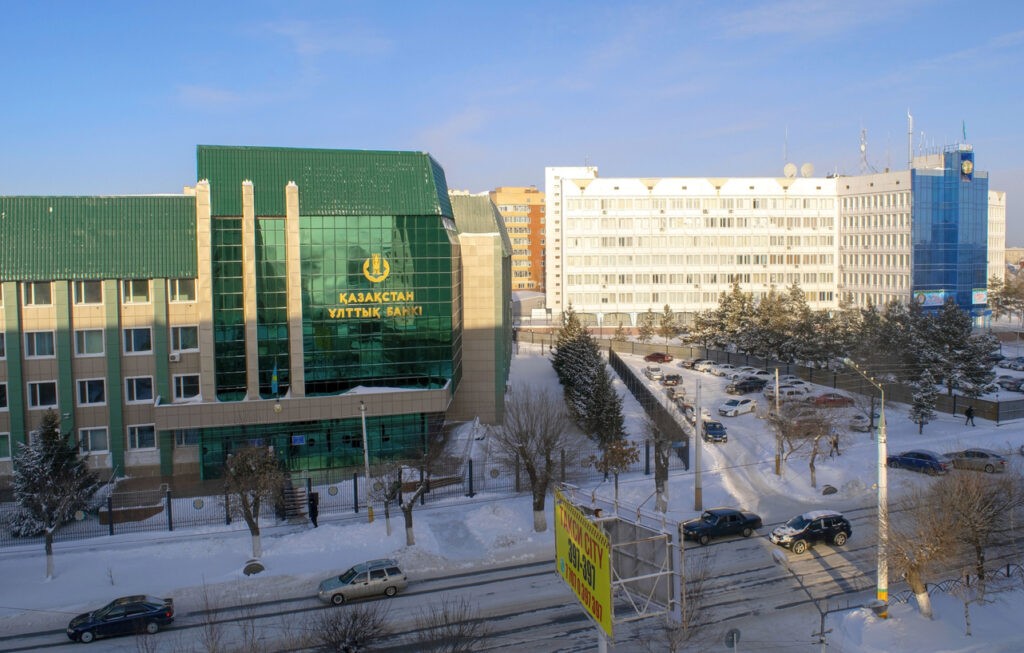
Kazakhstan’s National Bank Raises Prime Rate to 15.25% Annually

The Monetary Policy Committee of Kazakhstan’s National Bank has raised the prime rate to 15.25% per annum, with an allowable deviation of 1 percentage point. This adjustment comes in response to the sharp weakening of the national currency, the tenge.
The decision is grounded in updated forecasts and assessments of inflationary risks. The National Bank cited easing monetary conditions—driven by the tenge’s depreciation, declining real interest rates, and heightened inflation expectations—as key factors behind the rate increase. Financial market volatility has further underscored the need for this measure.

The National Bank emphasized its commitment to closely monitoring market dynamics and taking additional measures if needed to stabilize inflation. The central goal remains returning inflation, which has risen to 8.5%, to a target of 5%. The next decision on the prime rate is scheduled for January 17, 2025.

Role of the Prime Rate
The prime rate is a critical economic tool, directly influencing credit costs for banks and shaping inflation trends. Determined through an analysis of economic conditions, it regulates the money market. While a lower prime rate may temporarily weaken the tenge, it can boost production and economic growth in the medium term.

Recent Adjustments
The latest hike follows a series of previous adjustments. In February 2024, the prime rate was reduced to 14.75%, followed by another decrease to 14.25% in July. The rate was maintained at this level in October before this recent increase.

Looking ahead, the National Bank has also published a schedule of rate decisions for 2025, underscoring its transparent approach to monetary policy.

Kyrgyzstan’s Airlines Could Be Removed from EU Blacklist in 2025

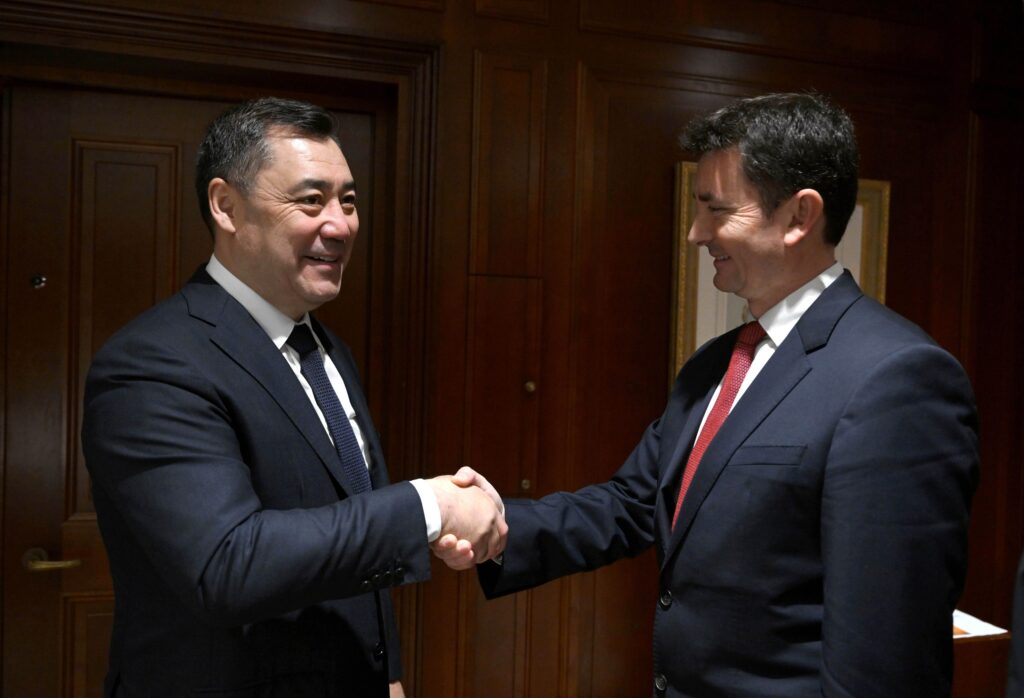
Kyrgyzstan’s airlines may soon achieve a significant milestone by being removed from the European Union’s Air Safety List, which currently bans them from operating flights to Europe. Kyrgyz President Sadyr Japarov made this announcement on November 27 during a meeting in Berlin with Johan Pelissier, the head of Airbus Europe, where they discussed the future of Kyrgyzstan’s aviation sector.

Japarov emphasized the government’s concerted efforts to enhance aviation safety, implement international standards, and modernize infrastructure. He expressed optimism that these measures have significantly improved the likelihood of lifting restrictions on Kyrgyz airlines.

As part of these developments, Japarov highlighted the government’s support for the national carrier, Asman Airlines. Under an initial agreement with Airbus, the airline plans to lease two A320 or A321 aircraft to establish direct routes to Europe, including destinations such as Paris, Berlin, and London. This initiative marks a critical step toward integrating Kyrgyzstan into the global aviation network.

Looking ahead, Kyrgyzstan aims to expand its fleet and deepen cooperation with Airbus, fostering stronger connections with the international aviation community. At the conclusion of the meeting, Japarov extended an invitation to Pelissier to visit Kyrgyzstan for further discussions with local aviation representatives.

Background: A Longstanding Ban
Kyrgyz airlines was added to the EU’s Air Safety List in 2006 after failing to meet international safety standards. This decision, based on assessments that the country’s legal framework did not adequately ensure flight safety, has prohibited Kyrgyz airlines from flying to EU destinations for over 18 years. The ban has had a profound impact on the aviation sector, limiting its operational scope and market reach.
Efforts to address these shortcomings represent a turning point, with the potential removal from the blacklist signaling a new chapter for Kyrgyz aviation. If successful, this move could open up significant opportunities for growth and international collaboration.

CSTO Leaders Tackle Regional Security, Nuclear Energy, and Afghan Border Concerns

Astana hosted a summit of the Collective Security Treaty Organization (CSTO), gathering heads of member states to discuss pressing regional and international issues. Kazakh President Kassym-Jomart Tokayev chaired the session of the CSTO Collective Security Council. Attendees included Belarusian President Alexander Lukashenko, Kyrgyz President Sadyr Japarov, Russian President Vladimir Putin, Tajik President Emomali Rahmon, and CSTO Secretary-General Imangali Tasmagambetov.

In his address, President Tokayev highlighted the CSTO’s pivotal role in maintaining peace and stability in Eurasia. “Amid modern challenges, the CSTO consistently demonstrates its relevance as a guarantor of security for all member states. Our coordinated actions, mutual trust, and support strengthen our collective ability to tackle complex and large-scale tasks. The CSTO is not merely a military partnership but a unique mechanism that unites our efforts and resources to safeguard sovereignty and territorial integrity,” Tokayev stated.

CSTO’s Response to Kazakhstan’s 2022 Crisis

Tokayev reflected on the CSTO’s rapid deployment in January 2022, when Kazakhstan faced unrest over rising gas prices, which escalated into violent confrontations. Within 24 hours, CSTO forces were deployed to stabilize the situation. Russian troops secured strategic facilities in Almaty, while Kazakh forces restored order, marking a critical demonstration of the organization’s operational capability.

Putin Unveils “Oreshnik” Missile System

Russian President Vladimir Putin addressed ongoing tensions with Ukraine, signaling the potential use of the Oreshnik medium-range ballistic missile system in response to Western-supplied long-range missiles targeting Russian territory.

According to Putin, the Oreshnik has the destructive power of nuclear weapons, and can penetrate heavily fortified targets. “The temperature of the striking elements reaches 4,000 degrees. At the explosion’s epicenter, everything is reduced to elementary particles, essentially turning to dust,” he explained. Putin also announced that serial production of the missile had begun, with several units ready for deployment.

Kazakhstan’s Nuclear Power Project

Discussions also turned to Kazakhstan’s plans to build its first nuclear power plant. Tokayev has proposed an international consortium, and Putin expressed Russia’s willingness to participate through Rosatom, emphasizing its extensive experience with international collaborations. “Rosatom is ready to work with specialists from other countries,” Putin remarked, leaving the door open for multilateral cooperation.

Armenia’s Absence and CSTO’s Future

Noticeably absent from the summit was Armenian Prime Minister Nikol Pashinyan, following Armenia’s decision to freeze its CSTO membership earlier this year. Yerevan cited concerns over its sovereignty as the reason for the suspension. Secretary-General Tasmagambetov remained optimistic about Armenia’s return, calling it a valued ally.

“This is the decision of an independent and sovereign state, which no country or organization can influence. Nevertheless, we view Armenia as an ally and hope it will return to full participation in the CSTO in the foreseeable future,” Tasmagambetov stated.

Key Summit Outcomes

During the session, the Collective Security Treaty Organization (CSTO) also reflected on Kazakhstan’s presidency in 2024, highlighting significant milestones achieved under its leadership. President Tokayev reported that approximately 60 activities were conducted within the CSTO’s statutory areas of cooperation during Kazakhstan’s presidency. This included advancing coordinated approaches to key international issues in collaboration with member states, as noted by political analyst Marat Shibutov.

One of the most notable achievements of the summit was the adoption of a pivotal document over a decade in the making – a targeted interstate program for the development of the Tajik-Afghan border. Shibutov emphasized that this program will facilitate a collaborative approach among CSTO member states to enhance border security, thereby bolstering the stability of the entire Central Asian region.

Political scientist Daniyar Ashimbayev also highlighted an important remark by Russian Security Council Secretary, Sergei Shoigu, ahead of the summit. Shoigu is said to have commented that Russia’s “nuclear umbrella” extends to protecting all CSTO allies.

The CSTO countries also underscored the importance of addressing the Afghan situation. On the one hand, they acknowledged the need for economic integration and interconnection with Afghanistan, viewing this as a means to foster regional peace and stability. On the other, the formal adoption of the targeted program for the Tajik-Afghan border represents a decisive step toward enhancing collective security measures.