• KGS/USD = 0.01144 0%
  • KZT/USD = 0.00192 -0%
  • TJS/USD = 0.10849 0.37%
  • UZS/USD = 0.00008 0%
  • TMT/USD = 0.28490 0%
  • KGS/USD = 0.01144 0%
  • KZT/USD = 0.00192 -0%
  • TJS/USD = 0.10849 0.37%
  • UZS/USD = 0.00008 0%
  • TMT/USD = 0.28490 0%
  • KGS/USD = 0.01144 0%
  • KZT/USD = 0.00192 -0%
  • TJS/USD = 0.10849 0.37%
  • UZS/USD = 0.00008 0%
  • TMT/USD = 0.28490 0%
  • KGS/USD = 0.01144 0%
  • KZT/USD = 0.00192 -0%
  • TJS/USD = 0.10849 0.37%
  • UZS/USD = 0.00008 0%
  • TMT/USD = 0.28490 0%
  • KGS/USD = 0.01144 0%
  • KZT/USD = 0.00192 -0%
  • TJS/USD = 0.10849 0.37%
  • UZS/USD = 0.00008 0%
  • TMT/USD = 0.28490 0%
  • KGS/USD = 0.01144 0%
  • KZT/USD = 0.00192 -0%
  • TJS/USD = 0.10849 0.37%
  • UZS/USD = 0.00008 0%
  • TMT/USD = 0.28490 0%
  • KGS/USD = 0.01144 0%
  • KZT/USD = 0.00192 -0%
  • TJS/USD = 0.10849 0.37%
  • UZS/USD = 0.00008 0%
  • TMT/USD = 0.28490 0%
  • KGS/USD = 0.01144 0%
  • KZT/USD = 0.00192 -0%
  • TJS/USD = 0.10849 0.37%
  • UZS/USD = 0.00008 0%
  • TMT/USD = 0.28490 0%
11 December 2025

Uzbekistan and EU Look to New Areas of Cooperation

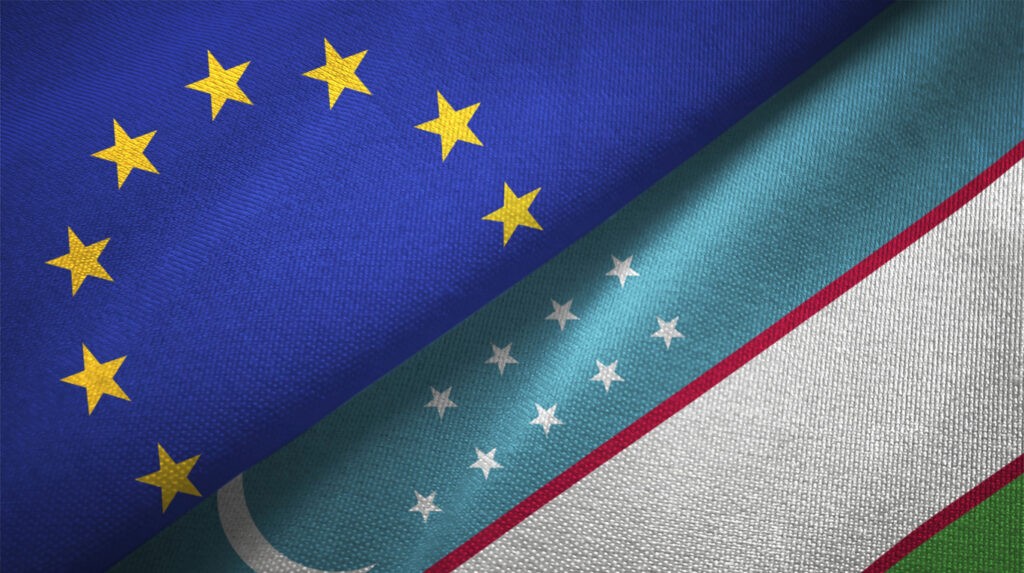
On November 5, the government of Uzbekistan and the European Union held the 7th meeting of their Subcommittee for Development Cooperation in Tashkent, Uzbekistan. The parties reviewed the EU’s ongoing projects in Uzbekistan and agreed to closer cooperation in transport, critical raw materials, digitalization, and territorial planning.

As reported by the EU Delegation to Uzbekistan, the parties discussed the progress of the ongoing EU-funded project, “Further Improvement of Public Services Delivery in Uzbekistan,” which has increased Uzbek citizens’ access to public services in rural areas; projects addressing corruption; and budget support and expertise worth 27 million euro for agricultural reforms.

The EU and the Uzbek government also addressed potential new areas of cooperation, such as critical raw materials, transport, territorial planning of urban and rural areas, and women’s economic empowerment.

As part of the Multi-annual Indicative Program for 2021-2027, the EU will allocate around 43 million euros for new bilateral programs to be launched between 2025 and 2027. An additional 30 million euros will be allocated to regional programs supporting border security, digitalization, including access to the Internet, and national migration policies.

The Multi-annual Indicative Programme for 2021-2027 sets the priorities for the EU-Uzbekistan cooperation. The priority areas are effective governance, green and digital growth, and sustainable agri-food sector.

In April 2024, the European Commission and Uzbekistan signed a Memorandum of Understanding for a strategic partnership on critical raw materials (CRMs), which marked a significant step towards a diversified and sustainable supply of CRMs for green and digital transitions in both the EU and Uzbekistan.

Rich in copper, molybdenum, and gold, Uzbekistan has the second-largest reserves of CRMs in Central Asia (after Kazakhstan).
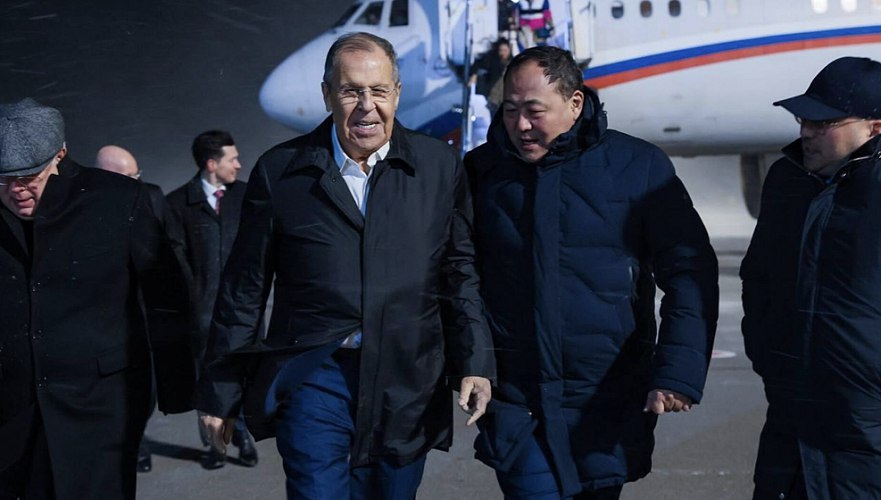

Russian Foreign Minister Sergey Lavrov Arrives in Astana

Russian Foreign Minister Sergey Lavrov has arrived in Astana to talk with Kazakhstan’s Deputy Prime Minister and Foreign Minister Murat Nurtleu.

The visit, which began on the evening of November 6, will last two days. A key meeting topic will be preparations for Russian President Vladimir Putin’s upcoming visit to Kazakhstan.

According to Russian Foreign Ministry spokeswoman Maria Zakharova, the parties plan to discuss strategic partnership and alliance, including bilateral and international issues, and cooperation on integration platforms such as the EAEU, CSTO, CIS, and SCO.

During the visit, the foreign ministers will sign an action plan on cooperation for 2025-2026. In addition, Lavrov will deliver a lecture at the Diplomatic Institute of the Academy of Public Administration and visit the Holy Dormition Cathedral to commemorate the 25th anniversary of the Astana and Alma-Ata Diocese of the Kazakhstan Metropolitan District.

Lavrov and Nurtleu last met on September 26 at the UN General Assembly, where they discussed current issues of Russia-Kazakhstan relations, upcoming contacts, and interaction on international platforms. Russia and Kazakhstan have an extensive treaty and legal framework, and the upcoming talks may focus on new interagency documents.

In late October, Russian presidential spokesman Dmitry Peskov said that Putin’s visit to Kazakhstan is being actively prepared and is tentatively scheduled for November 27, according to the protocol of the intergovernmental commission.

Kazakhstan Begins Export of New Harvest Grain

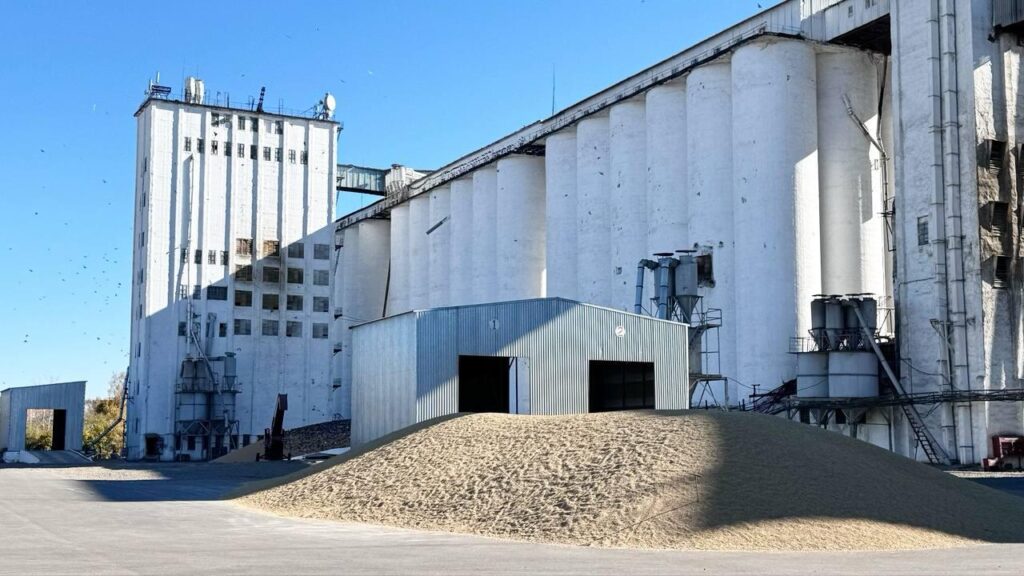
Kazakhstan has begun exporting grain from the new harvest, which totaled 26.6 million tons this year, 56% higher than in 2023.

In September-October, Kazakhstan’s national railway company, Kazakhstan Temir Zholy (KTZ), transported 1.8 million tons of grain for export, 48% more than in the same period last year (1.2 million tons).

During the two months, grain exports to Uzbekistan amounted to 738,000 tons (49% more than in September-October 2023), and 298,000 tons were shipped to Tajikistan (a 48% increase).

Increasing grain exports were also reported to China, Afghanistan, Iran, and Kyrgyzstan.

The Kazakh Ministry of Agriculture expects a significant increase in grain exports in the first half of 2025.

According to KTZ, Afghanistan is ready to import about 200,000 tons of Kazakh grain, which will be transported via Turkmenistan.

According to the Ministry of Agriculture, Kazakhstan plans to export about 12 million tons of the new harvest grain to traditional markets—Central Asia and Afghanistan—and new ones, such as Pakistan, Indonesia, Brazil, and Malaysia.

Uzbekistan remains the primary importer of Kazakh grain, followed by Tajikistan, Afghanistan, Turkmenistan, and China.

Mirziyoyev Calls for Independent Palestinian State with East Jerusalem as Capital

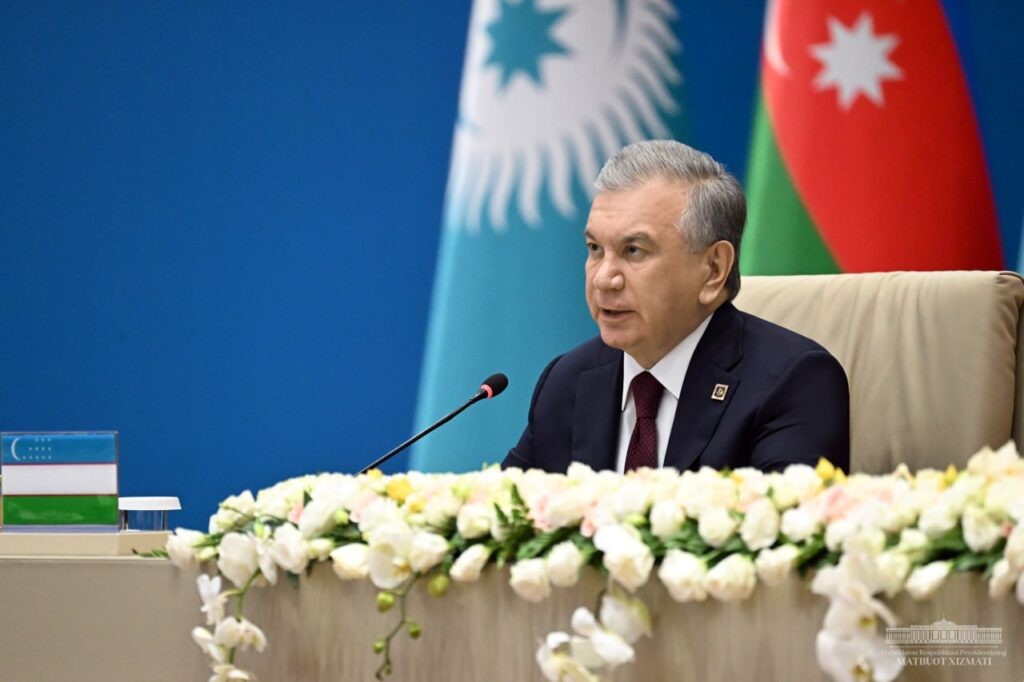
Speaking at this week’s summit of the Organization of Turkic States in Bishkek, Uzbekistan’s president Shavkat Mirziyoyev has once again discussed the situation in the Middle East.

Mirziyoyev noted that global geopolitical processes have become increasingly complex since the start of the war in the region. The atmosphere of competition and mistrust between countries is intensifying, the hotbeds of conflict and war are increasing, and various dangers are growing.

“These problems are a severe obstacle to our joint plans and big projects in trade, investment, transport, energy, agriculture, and other fields; this is the truth,” Mirziyoyev said.

“It is, first and foremost, about the ongoing war in the Middle East and the double standards that we see. Nothing can justify the unprecedented humanitarian tragedy in Gaza and Lebanon, the devastating attacks against civilians, especially the death of innocent children, the elderly, and women. We strongly condemn the actions aimed at restricting the activities of the United Nations Relief and Works Agency for Palestine Refugees.

The only solution to this long-standing conflict is the establishment of an independent State of Palestine with East Jerusalem as its capital, based on the 1967 borders, by international regulations and resolutions,” noted Mirziyoyev.

He hoped the Arab-Islamic Summit in Riyadh next week would find a clear political solution to this problem.

He also highlighted the importance of Afghanistan’s stability: “When it comes to security, we believe Afghanistan should always be at the focus of our Organization. In this regard, it is crucial to establish a regular dialogue mechanism at the ministerial and expert levels.
We believe that the issues of providing support to de facto authorities in addressing acute problems in Afghanistan, integrating this country into regional economic processes, and implementing social and infrastructure projects should be considered.”

Von der Leyen Affirms EU’s Commitment to Uzbekistan

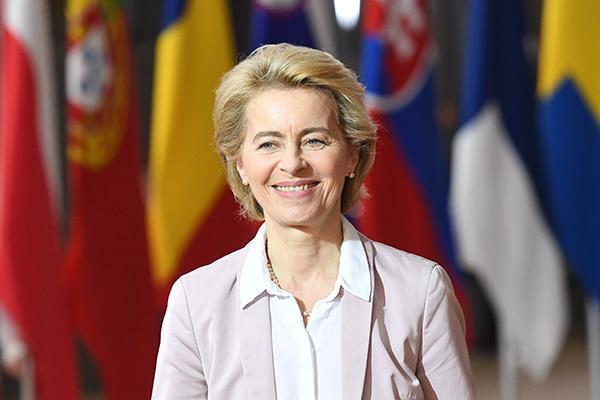
On November 6, the European-Uzbekistan Economic Cooperation Association opened the European Economic Days 2024 in Tashkent. At the ceremony, the President of the European Commission, Ursula von der Leyen, sent a video message to the event participants expressing her support for Uzbekistan’s efforts to restore its central position on Asian and world trade routes.

More than 300 representatives from Uzbek and European governments and business sectors participated. Von der Leyen highlighted three main areas of cooperation between the European Union and Uzbekistan, which have grown significantly in recent years.

She began by emphasizing Uzbekistan’s historical role as a “beating heart” of global trade. “For centuries, European merchants traveled to Samarkand, Bukhara, and Khiva for clothing and ceramics,” she said, recalling the stories these merchants would bring back of Uzbekistan’s palaces, landscapes, and vibrant culture. She noted that Uzbekistan seeks to open to the world once again.

Her first example of collaboration focused on trade: “Since 2021, we opened the European market to Uzbek goods, and exports, especially in textiles and metallurgy, have rapidly increased,” she said, adding that there is still vast growth potential.

Von der Leyen then turned to investment, mentioning the EU’s Global Gateway program, which supports Uzbekistan’s goal of global connectivity. She highlighted the EU’s investment of up to 10 billion euros, alongside international partners, in the Trans-Caspian Corridor—the shortest, safest route from Europe to East Asia, connecting Central Asia and Europe in less than 15 days. Additionally, she noted efforts to connect Uzbekistan to the EU satellite network to bring advanced digital communications to even the country’s most remote areas.

Her final example centered on expanding EU cooperation in Uzbekistan’s strategic sectors. She referenced an agreement signed in April 2024 to bolster supply chains for critical minerals, a project that aims to create jobs and add value locally. “While some global investors focus solely on raw material extraction, that’s not us,” she emphasized, reaffirming Europe’s commitment to supporting domestic industry, job creation, and value-added production in line with high standards.

Concluding her speech, Von der Leyen expressed hope that the forum would establish effective cooperation, new business opportunities, and strong relations between Europe and Uzbekistan. She also announced plans for the first-ever “Central Asia—EU” summit in Samarkand next year, marking another step in the region’s evolving relationship with the EU.

Kazakhstan Grasslands Project Wins Environmental Prize Backed by Prince William

The Altyn Dala Conservation Initiative, a group dedicated to restoring and protecting Kazakhstan’s grasslands and wildlife, is one of several winners of a prize launched by Britain’s Prince William in 2020 to highlight solutions to the world’s environmental challenges.

The group is among five 2024 Earthshot Prize winners that will receive 1 million British pounds each to continue and expand their work. The British royal praised the winners at an awards ceremony on Wednesday in Cape Town, South Africa.

The Altyn Dala group won the prize in the category for protecting and restoring nature. It has played a leading role in the recovery of the saiga antelope in recent years, marking a major conservation success in Central Asia that followed a devastating disease outbreak and fears that the species would become extinct.

The prize is “the result of years of patient, collaborative and effective partnership between government & NGOs, saving a unique species and ecosystem,” Kathy Leach, Britain’s ambassador to Kazakhstan, said on X.

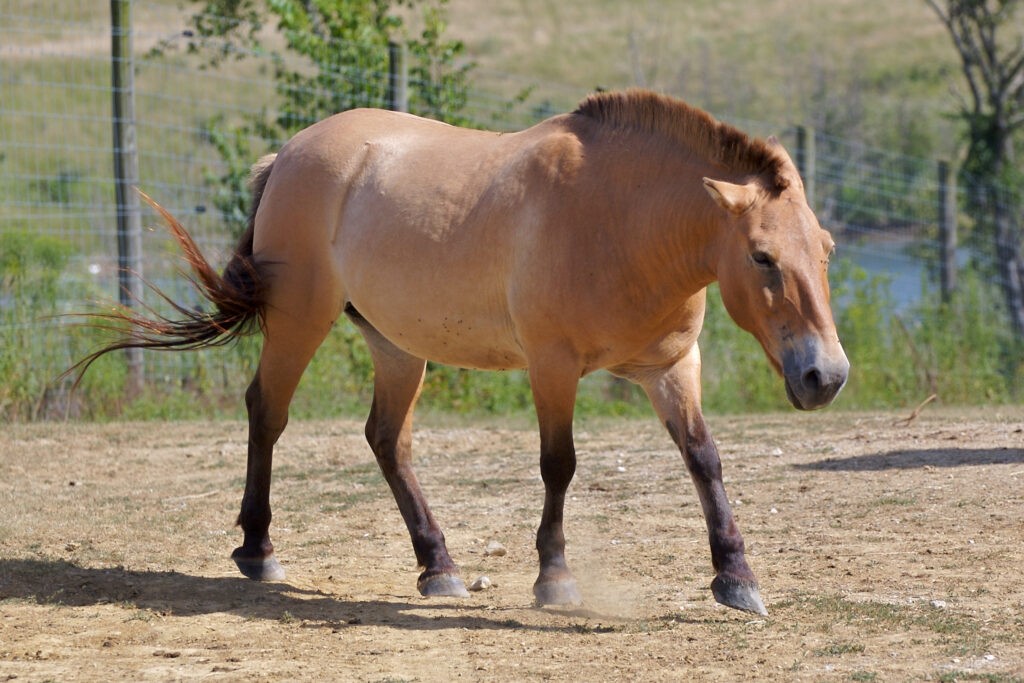
This year, the Altyn Dala group was also involved in the transfer of several wild horses from European sanctuaries to the “Golden Steppe,” as the vast grasslands in Kazakhstan are known. The Przewalski’s horses is an endangered species that had been absent from the region for generations.

Founded in 2005, Altyn Dala is a joint project involving Kazakhstan’s Ministry of Ecology & Natural Resources, the Association for the Conservation of Biodiversity of KazakhstanFauna & Flora, the Frankfurt Zoological Society, and the Royal Society for the Protection of Birds.

“Beyond Kazakhstan, due to the multiple problems facing temperate grasslands globally, Altyn Dala is collaborating with other major grassland initiatives in the Mongolian steppe, the American prairie, and Patagonian pampas regions,” Altyn Dala said in a statement. It said the prize would ensure that its own knowledge and experience would “benefit nature restoration across the globe.”