• KGS/USD = 0.01144 0%
  • KZT/USD = 0.00194 0%
  • TJS/USD = 0.10841 0%
  • UZS/USD = 0.00008 0%
  • TMT/USD = 0.28571 0%
  • KGS/USD = 0.01144 0%
  • KZT/USD = 0.00194 0%
  • TJS/USD = 0.10841 0%
  • UZS/USD = 0.00008 0%
  • TMT/USD = 0.28571 0%
  • KGS/USD = 0.01144 0%
  • KZT/USD = 0.00194 0%
  • TJS/USD = 0.10841 0%
  • UZS/USD = 0.00008 0%
  • TMT/USD = 0.28571 0%
  • KGS/USD = 0.01144 0%
  • KZT/USD = 0.00194 0%
  • TJS/USD = 0.10841 0%
  • UZS/USD = 0.00008 0%
  • TMT/USD = 0.28571 0%
  • KGS/USD = 0.01144 0%
  • KZT/USD = 0.00194 0%
  • TJS/USD = 0.10841 0%
  • UZS/USD = 0.00008 0%
  • TMT/USD = 0.28571 0%
  • KGS/USD = 0.01144 0%
  • KZT/USD = 0.00194 0%
  • TJS/USD = 0.10841 0%
  • UZS/USD = 0.00008 0%
  • TMT/USD = 0.28571 0%
  • KGS/USD = 0.01144 0%
  • KZT/USD = 0.00194 0%
  • TJS/USD = 0.10841 0%
  • UZS/USD = 0.00008 0%
  • TMT/USD = 0.28571 0%
  • KGS/USD = 0.01144 0%
  • KZT/USD = 0.00194 0%
  • TJS/USD = 0.10841 0%
  • UZS/USD = 0.00008 0%
  • TMT/USD = 0.28571 0%
18 December 2025

Kyrgyzstan to Introduce New Measures to Curb Noise Levels

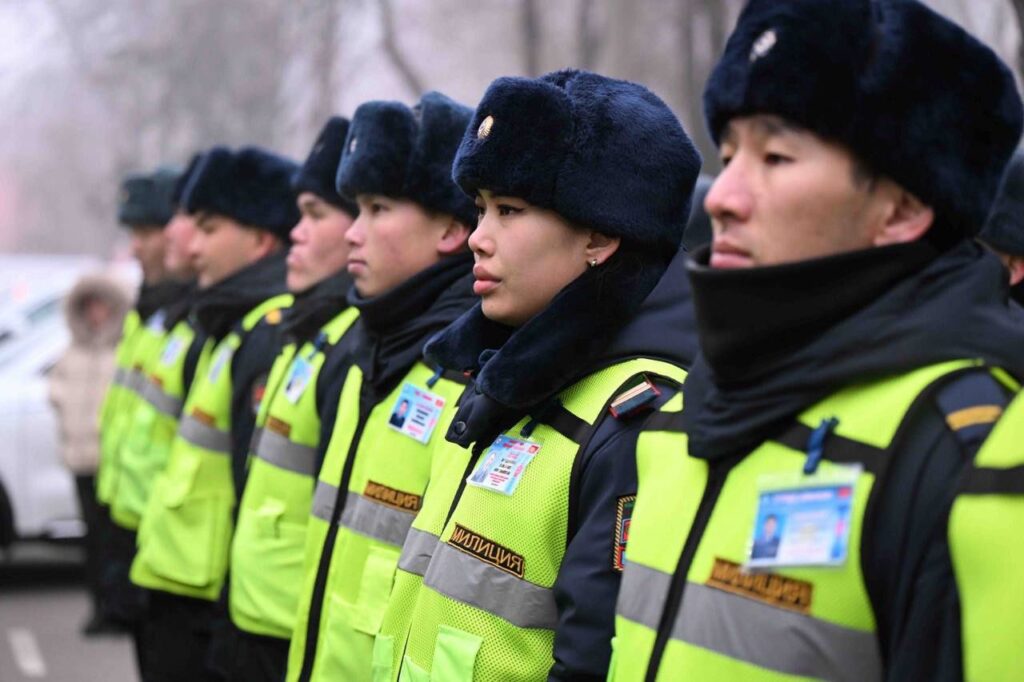
During a parliamentary session, deputies determined that the Interior Ministry should be authorized to collect fines for excessive noise.

According to the republic’s law, fines for exceeding acceptable levels of  noise were previously issued by the Department of Health Prevention. However, according to the deputies, the department was not properly equipped to measure levels of noise on the streets or on premises. In addition, the department’s employees do not work at night, when violations are most likely to occur.

“Individuals believe their rights should not be violated if they want to invite a noisy company home to an apartment building at night, put on music, start construction or repair work, or watch television at a volume that exceeds the maximum permissible noise levels. Entertainment or construction work in one apartment can become a nightmare or sleepless nights for many living there. But complaints to the police due to the lack of the necessary law have no proper effect,” said the Kyrgyz Interior Ministry.

According to the civil code of offenses, loud noise is prohibited from 10 p.m. to 7 a.m. on weekdays and to 9 a.m. on non-working days and holidays. The only exception is during New Year’s Eve celebrations. Violation of the rules in settlements or public places is punishable by a fine of 10 thousand KGS ($120) for individuals and 28 thousand KGS ($330) for legal entities.

Daewoo To Invest $730 Million in Turkmenistan

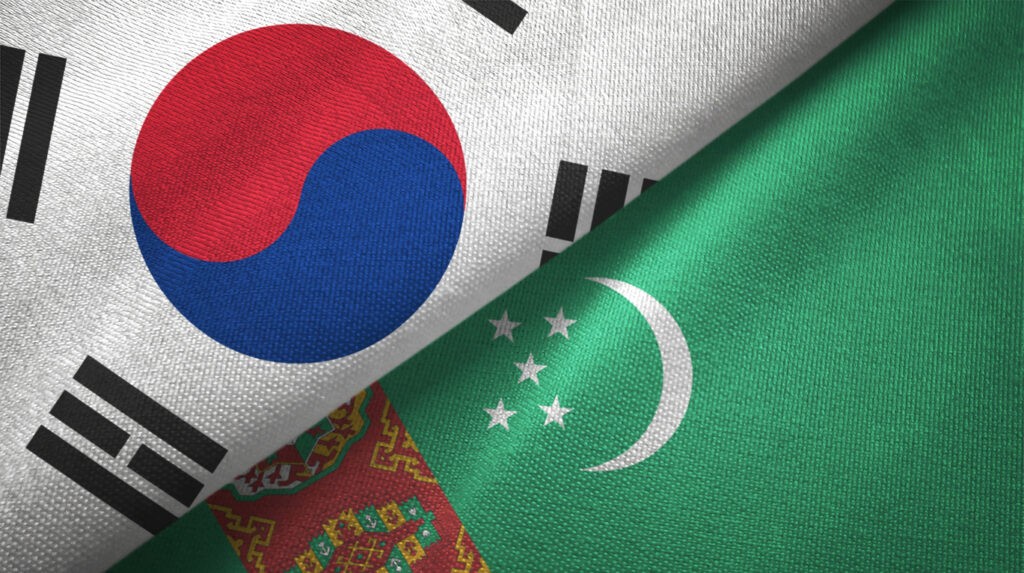
South Korean company Daewoo Engineering & Construction has won a tender to build a fertilizer plant in Turkmenistan. The project is estimated to cost a trillion won (about $730 million).

According to the company, the new plant will be located in Turkmenabat, 450 km east of Ashgabat. It will have an annual capacity of 350,000 tons of phosphate fertilizer and 100,000 tons of ammonium sulfate, and will include additional auxiliary facilities. After the completion of the main contract, final data on the contract’s value and implementation terms will be published.

The company has stated that implementing the project will allow Daewoo E&C to strengthen its presence in Central Asia and expand its activities in the petrochemical and agricultural sectors, infrastructure, and urban projects. In the future, the company intends to offer environmentally friendly technological solutions to further cooperate with Turkmenistan.

Daewoo E&C noted that winning the tender was possible thanks to the support of the South Korean government, including during the official visit of President Yun Seok Yeol to Turkmenistan in June. The company’s Chairman, Jeong Won-ju, also met with the Chairman of the People’s Council of Turkmenistan, Gurbanguly Berdimuhamedov, in November 2022 during his visit to South Korea. The two sides signed a memorandum of understanding, cementing an agreement on close cooperation. Jeong Won-ju has visited Turkmenistan three times since then, which helped strengthen ties and successfully conclude negotiations.

Daewoo E&C is aiming to become a leader in the global EPC (engineering, procurement, and construction) market. “We strive to participate in projects that contribute to a sustainable future,” a company representative stated.

Turkmenistan is implementing several major projects with the participation of South Korean companies. Hyundai Engineering has agreed with state-owned Turkmengas to expand the Galkynysh gas field. This project includes the construction of a fourth gas desulfurization facility, making it the largest in the country’s history. Korean companies have also been actively constructing and developing an oil refinery in Kiyanly. Projects to create “smart cities” are also being discussed.

Kazakhstan Listed as a Top Destination by Lonely Planet

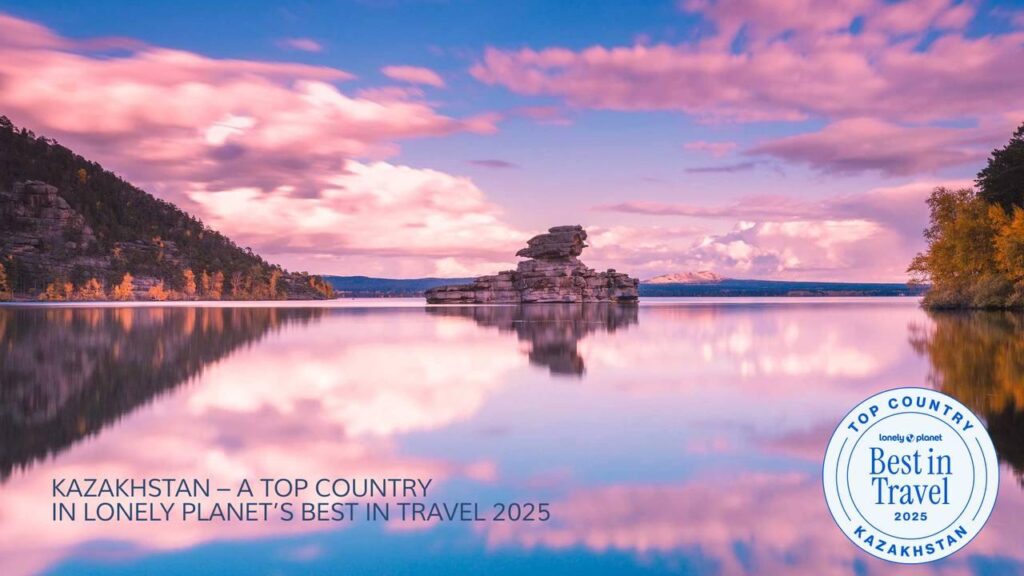
Kazakhstan has been included in Lonely Planet’s prestigious “Best in Travel 2025” ranking, earning it recognition as one of the year’s best travel destinations.

Lonely Planet, a leading international publisher, was established in 1973 and since then, has published comprehensive travel guides in 14 languages, covering 195 countries. Aimed to inspire people to explore the world, the organisation also publishes articles, lists, and rankings of the best places to visit, based on recommendations from experts and travelers and according to their unique cultures and natural diversity.

Kazakhstan’s high ranking in ‘Best in Travel 2025’, is largely attributed to its ancient traditions and modern achievements, and especially, its rich history and varied landscapes. Vice Minister of Tourism and Sports of the Republic of Kazakhstan Yerzhan Erkinbayev warmly welcomed the country’s inclusion in the list as validation of the growing international interest in Kazakhstan and stated that it emphasised the importance of promoting sustainable tourism.

Lonely Planet’s executive editor, Nitya Chambers, said the publication is proud of its choice and confident that this list will inspire travelers to make new discoveries. In its description of Kazakhstan, Lonely Planet focuses on the intertwining of ancient traditions and modern culture, hailing  the country a place where every visitor can discover something unique. The publication also mentions echoes of the ancient Silk Road, tangible in the vast steppes.

Tourism in Kazakhstan has been actively developing in recent years, and the country is becoming increasingly popular among international travelers. Popular destinations include Almaty, Astana, and national parks. In the first six months of 2024 alone, 566,500 foreign tourists visited Kazakhstan, an increase of almost 10% compared to the same period in 2023. The demographics of foreign tourists is also on the rise.

In the first quarter of this year, the average revenue of Kazakh companies working in the tourism sector – tour operators, travel agencies, and other organizations – increased five-fold. For January-March, it exceeded 160.3 billion tenge; the highest quarterly income indicator of tourism companies since the beginning of 2022.

Kazakhstan’s tourist potential has also been praised by other well-known travel publications. Earlier, “Conde Nast Traveler” and “Wanderlust” included Kazakhstan as one of the top world destinations for travel in 2024, and Almaty was included in a list of the 52 best tourist destinations issued by The New York Times.

EDB Releases Finance for Kazakhstan’s Digital Investment Platform

Following an agreement signed by the EDB and  the Investment Committee of Kazakhstan’s Ministry of Foreign Affairs and National Information Technology JSC, in July, the Eurasian Development Bank’s Fund for Digital Initiatives has allocated the first tranche for a project to establish a National Digital Investment Platform in Kazakhstan.

The platform aims to provide comprehensive support to investors and investment projects by streamlining interactions between government authorities and the quasi-government sector to promote investments in Kazakhstan’s economy, and will coordinate and optimize the selection and registration of investment projects, the conclusion of investment agreements, and their monitoring. In addition, the project is expected to serve as a digital transformation model for attracting and supporting investment which can be  implemented in other EDB member states: Armenia, Belarus, Kyrgyzstan, Russia, and Tajikistan. The platform which already has 755 registered investment projects, will  become fully operational by 31 July 2025.

Back in March, The Times of Central Asia reported Kazakhstan’s Prime Minister Olzhas Bektenov’s announcement that to achieve the target of increasing the Kazakh economy to $450 billion by 2029, at least $150 billion of foreign investment was required during the interim period.

Turkmenistan’s Unexplained Shortage of Gasoline

For months now, areas in eastern Turkmenistan have been facing a severe gasoline shortage.

The lack of fuel at the pumps is having a knock-on effect that is raising food prices and shutting down public transportation.

Turkmen officials have not acknowledged there is any problem, so the people of the affected regions have no idea why this happening or for how long this situation will continue.

Gasoline shortages are not new to Turkmenistan. They have been occurring sporadically in recent years, usually during in late summer when harvesting of crops starts.

This latest deficit is unprecedented for Turkmenistan in its duration and severity.


Long lines and purchase limits

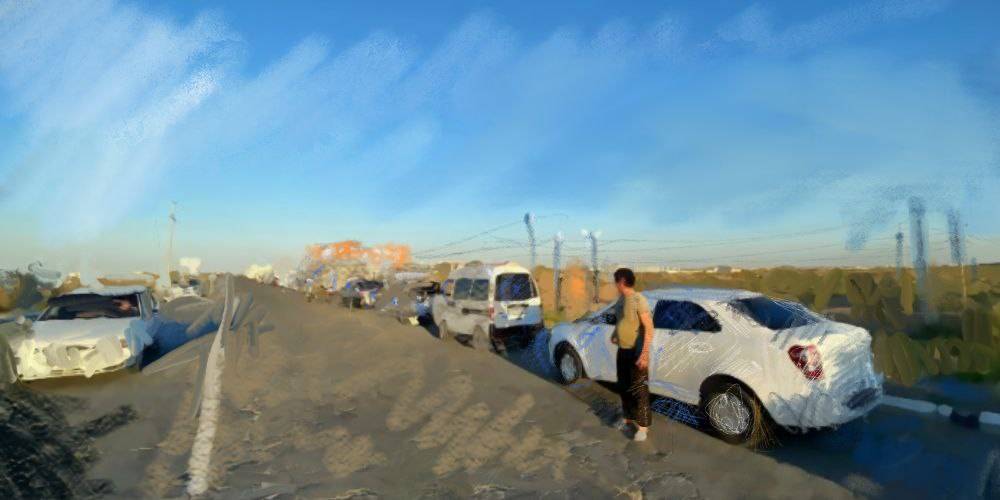
By late June, there reports from Lebap and Mary provinces about lines of cars of waiting at petrol stations. Often there was not enough gasoline for everyone.

By mid-July, filling stations in at least five districts and several of the big cities in Lebap Province were often completely out of higher-grade gasoline – A92 and A95.

Before the end of July, Lebap authorities imposed a 10-liter limit per customer, per day on gasoline purchases.

At the start of July there were areas in the northeastern Dashoguz Province that were totally without gasoline, even the cheapest and most environmentally harmful A-80 grade (which is banned in many countries, including Kyrgyzstan and Tajikistan) was unavailable.

In Mary Province, A-92 and A-95 gasoline ran out in July and by early August authorities had limited purchases of A-80 to 20 liters per customer, and even that was unavailable in many areas of the province.

In October, Radio Free Europe’s Turkmen service, known locally as Azatlyk, posted a video of a line of vehicles some three kilometers long outside one of the few filling stations operating along the Turkmenabad-Mary highway. Azatlyk’s sources in the region said there were similar lines at filling stations throughout the province and in the provincial capital Turkmenabad.

Some people are reportedly arriving at filling stations at 4am to get a place in line as close to the pumps as possible when the stations open.

In Mary Province, some car owners said they were phoning family members to bring them food and water while they waited in line.


Prices going up at the pumps and other areas

Turkmenistan has some of the least expensive gasoline in the world with an average of $0.428 per liter, roughly a third of the world average of $1.30 per liter.

The official rate of Turkmenistan’s national currency, the manat, is 3.5 to $1.

The state regulated cost of one liter of gasoline is 1.15 manat for A-80, 1.35 for A-92, 1.5 for A-95, and 1 manat for diesel.

There have been incidents where filling station employees have been illegally selling gasoline at 5-6 manat per liter to those who can afford it.

The shortage is having an effect on public transportation.

Most buses are assigned to bringing people to and from the cotton fields once harvest starts toward the end of August or early September until harvesting ends in late October or early November. These buses apparently are receiving all the gasoline they need, whilst the few city buses still operating face the gasoline deficit.

One person in Turkmenabad – who spoke under the condition of anonymity for fear of repercussions, as did all respondents – said buses were not operating at all in his neighborhood and even cars passing by were rare. “It feels like being in a cemetery,” he said.

A teacher in Turkmenabad confirmed buses had stopped running and complained it complicated arriving at school on time.

The teacher explained his tardiness to the school director. “There are no buses on the roads at all,” the teacher said, “The government is not addressing the problem at all, so what can we do?”

The director replied, “Are you against the policy of our [president]?”

The privately-owned vans that are used as buses in nearly every city across Central Asia are still operating but the cost has doubled, and in some cases tripled for passengers. Taxis in many places in Lebap, Mary, and Dashoguz provinces have also at least doubled their fares due to the problems obtaining gasoline.

Even those who do not need a vehicle are affected.

The shortage of gasoline has increased prices for transporting food. In Turkmenabad, the price of sugar has increased from 16 to 19 manat, sunflower oil from 20 to 30, and goods like macaroni, butter, and cereals are all two or three manat more expensive than in the spring.


The cause

Turkmen officials have not mentioned the gasoline shortage, and the reply of the director to the teacher in Turkmenabad is an example of the pressure all Turkmen citizens feel about complaining over anything in Turkmenistan.

In Turkmenistan, public displays of discontent are often severely punished.

Turkmenistan is known for having vast reserves of natural gas, at least 18 trillion cubic meters, but the country also has oil reserves of some 600 million barrels, easily enough for a country with a population of some 5-6 million people.

However, the Turkmen government has a reputation of putting profits ahead of the plight of the country’s people.

There have been frequent shortages of basic goods, including bread, for nearly a decade in Turkmenistan.

In March 2022, authorities told farmers and agricultural businesses to prepare for an increase in exports of fruits, vegetables, meat, and other goods to Russia, which had just come under international sanctions for its full-scale war on Ukraine.

The situation is similar now with gasoline.

In 2023, Turkmenistan’s oil sales to the European Union amounted to some 1.05 billion euros, up from some $165 million euros in 2022. In the first quarter of 2024, the amount was 107.2 million euros.

The State Commodity and Raw Materials Exchange reported at the end of July that the previous week it “recorded 21 trading operations for a total amount of more than $38.723 million,” most of which was gasoline and other petroleum products.

On September 11, Turkmen and Afghan officials gathered at the border for a ceremony launching the start of several bilateral projects, including power transmission lines, fiber optic cables, and a gas pipeline. The Turkmen side of the border was Mary Province, one of the areas hit by the gasoline shortage.

As a gesture of good will, the Turkmen authorities announced they were sending humanitarian aid to Afghanistan in the form of food, gasoline, and other goods. It is unclear how much gasoline Turkmenistan sent to Afghanistan. Residents of Turkmenistan’s Dashoguz, Lebap, or Mary provinces might say any was too much, as that gasoline is needed at home.

This current gasoline shortage is already unusually long and since the government has not officially recognized there is a problem, there is no telling when, or if, the petrol problem will end soon or become a common feature of life.

It is curious that in Balkanabad and Ahal, the other two of Turkmenistan’s five provinces, there does not seem to be any problem with supplies of gasoline. Why the issue seems confined to the northeast and eastern part Turkmenistan remains unclear.

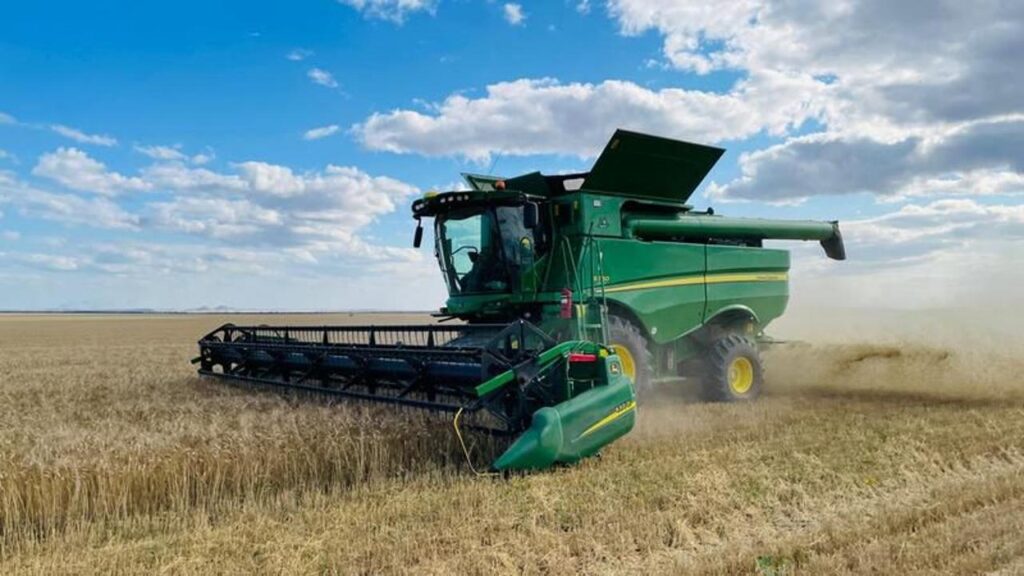
Kazakhstan to Increase Grain and Wheat Exports

According to Kazakhstan’s Ministry of Agriculture, Aidarbek Saparov, 16.7 million hectares of cereals were sown in Kazakhstan this year. Harvesting is 99.7% complete, and 26.5 million tons of grain have been threshed. Kazakhstan plans to export about 12 million tons of the new harvest to traditional markets—the countries of Central Asia and Afghanistan—and new ones, such as Pakistan, Indonesia, Brazil, and Malaysia.
At a government meeting on October 23, Deputy Minister of Trade and Integration Kairat Torebayev reported that Kazakhstan’s export potential for cereals is estimated at 12 million tons, including 7-7.5 million tons of wheat, 1.4 million tons of barley, and 300,000 tons of corn.Torebayev stated that in 2023, Kazakhstan exported 1.43 million tons of cereals to China, marking a 5.5-fold increase over the previous year. Wheat exports alone surged to 538,800 tons, representing nearly a 15-fold increase compared to 2022.

Torebayev said Kazakhstan could increase its wheat exports to China and other Asian countries to 1.6 million tons, adding that its export potential to Turkey and Middle Eastern countries is almost 1 million tons.

Preliminary agreements have been reached on the export of 600,000 tons of wheat to Armenia and 1 million tons to Italy. Negotiations on exporting 200,000 tons of grain to North African countries are underway.

According to APK-Inform, in the 2022/23 grain season, Kazakhstan exported more than 7.3 million tons of wheat, a record-high volume for the last few seasons. Uzbekistan remained the primary importer of Kazakh grain, followed by Tajikistan, Afghanistan, Turkmenistan, and China.

In 2022, Kazakhstan’s wheat exports totaled $1.91 billion, making it the 11th largest wheat exporter globally.