• KGS/USD = 0.01144 0%
  • KZT/USD = 0.00196 -0%
  • TJS/USD = 0.10899 -0%
  • UZS/USD = 0.00008 -0%
  • TMT/USD = 0.28490 0%
  • KGS/USD = 0.01144 0%
  • KZT/USD = 0.00196 -0%
  • TJS/USD = 0.10899 -0%
  • UZS/USD = 0.00008 -0%
  • TMT/USD = 0.28490 0%
  • KGS/USD = 0.01144 0%
  • KZT/USD = 0.00196 -0%
  • TJS/USD = 0.10899 -0%
  • UZS/USD = 0.00008 -0%
  • TMT/USD = 0.28490 0%
  • KGS/USD = 0.01144 0%
  • KZT/USD = 0.00196 -0%
  • TJS/USD = 0.10899 -0%
  • UZS/USD = 0.00008 -0%
  • TMT/USD = 0.28490 0%
  • KGS/USD = 0.01144 0%
  • KZT/USD = 0.00196 -0%
  • TJS/USD = 0.10899 -0%
  • UZS/USD = 0.00008 -0%
  • TMT/USD = 0.28490 0%
  • KGS/USD = 0.01144 0%
  • KZT/USD = 0.00196 -0%
  • TJS/USD = 0.10899 -0%
  • UZS/USD = 0.00008 -0%
  • TMT/USD = 0.28490 0%
  • KGS/USD = 0.01144 0%
  • KZT/USD = 0.00196 -0%
  • TJS/USD = 0.10899 -0%
  • UZS/USD = 0.00008 -0%
  • TMT/USD = 0.28490 0%
  • KGS/USD = 0.01144 0%
  • KZT/USD = 0.00196 -0%
  • TJS/USD = 0.10899 -0%
  • UZS/USD = 0.00008 -0%
  • TMT/USD = 0.28490 0%
08 December 2025

Kazakhstan Bans Apple Imports to Support Domestic Producers

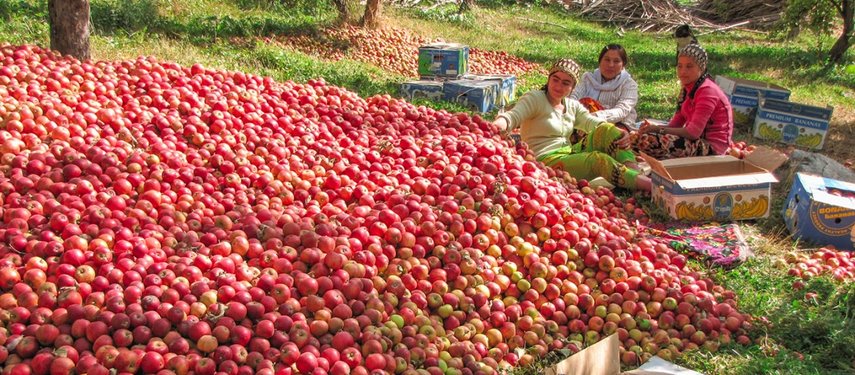
The government of Kazakhstan has temporarily banned the import of apples into the country by motor transport until the end of the year.
The decision to introduce the ban was made and announced late in August, but the ban took effect on October 8.

According to the Ministry of Agriculture, the ban will last during harvest to support domestic apple production. The move will allow domestic gardeners to sell apples at reasonable prices. During the off-season, apple imports will not be restricted.

The government of Kazakhstan has taken support measures in the form of subsidies and preferential loans to develop domestic apple production. As a result, over the past five years, the domestic supply of apples has increased from 62.9% in 2019 to 80% in 2023.
At the same time, local farmers are experiencing dumping from foreign producers. High competition with imported products reduces the profitability of domestic producers.

With the parallel import of apples during harvest, Kazakhstanis need help selling their products.

From January to July 2024, Kazakhstan imported about 107,000 tons of apples, 58% more than in the same period in 2023, from Poland, Iran, Uzbekistan, and China. During that period, apple imports from China increased 18-fold and from Iran — sevenfold.

The ban does not apply to imports from fellow members of the Eurasian Economic Union—Armenia, Belarus, Kyrgyzstan, and Russia—or to the international transit of apples through Kazakhstan’s territory.

Kazakhstan is the birthplace of apples — particularly the famous aport apples, which grow in the Almaty region. Translated from Kazakh, Almaty means “place of abundance of apples.”

Kazakhstan to Crack Down on Motor Fuel Smuggling to Kyrgyzstan

On October 8, Kazakhstan’s Financial Monitoring Agency held a meeting on strengthening control over the smuggling of motor fuel from the country’s border regions.

As gasoline prices in Kazakhstan are significantly lower than in neighboring Kyrgyzstan, gasoline is transported from the southern regions of Kazakhstan to northern Kyrgyzstan in passenger car gas tanks. In practical terms, drivers fill up their cars at Kazakh gas stations close to the border, then enter Kyrgyzstan and redistribute the gasoline.

According to the Financial Monitoring Agency, up to 10,000 tons of fuel are exported this way monthly through the Kazakh-Kyrgyz border.
Fuel is also illegally exported by railway tanks, with documents indicating other contents inside the tanks.

At the meeting, the Kazakh government and law-enforcement agencies developed an algorithm of action to prevent the illegal export of motor fuel.

Since the beginning of this year, Kazakh law enforcers have filed 21 criminal cases concerning the illegal export of almost 3,500 tons of fuel.

Kazakh gasoline is sold in plastic bottles on northern Kyrgyzstan’s roadsides and around Bishkek.

The most popular gasoline, AI-92, is sold by roadside traders for 58 KGS per liter ($1 = 85 KGS), while authorized gas stations sell it for 67 KGS per liter.

In 2023, Kyrgyzstan’s Tax Service confiscated 9,599 liters of illegal fuel, up from 3,422 liters in 2022.

ADB Allocates $15 Million to Tajikistan for Power Grid Reconnection in Central Asia

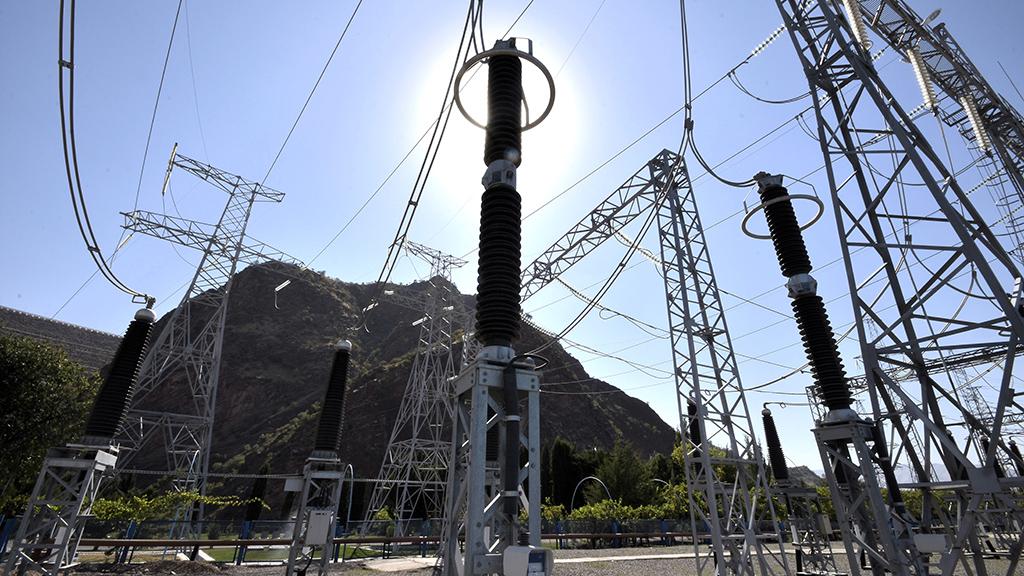
The Asian Development Bank (ADB) has approved a grant of $15 million for a project to reconnect Tajikistan’s power lines to the Central Asian unified electricity grid. The reconnection, it is reported, will be carried out through mutual relations with Uzbekistan.

“Through the Central Asia Regional Economic Cooperation (CAREC) program, ADB actively promotes regional power trade among countries in Central Asia and beyond,” said ADB Director General for Central and West Asia Yevgeniy Zhukov. “Our support improves the sustainability of the regional power system and helps reduce greenhouse gas emissions in the region.”

The additional funding will build a new 22-kilometer, 500-kilovolt power line in northern Tajikistan, connecting the Sughd substation to the New Syrdarya substation in Uzbekistan. This will increase the ability to send and receive electricity between Kazakhstan, Kyrgyzstan, Tajikistan, and Uzbekistan and improve the infrastructure to prevent blackouts.

The project will also help ensure that Tajikistan’s energy system is ready to provide regulatory opportunities for the continued integration of renewable energy in the region. In the long term, it will become a key component of the electricity evacuation scheme for the Rogun hydropower plant in Tajikistan.

Previously, ADB approved $17.5 million in grant assistance to improve women’s agricultural skills and ensure food security in Tajikistan.

Drop in Uzbekistan’s Exports to Central Asia

Local media has reported that from January – August, Uzbekistan’s exports to its four neighboring countries decreased, compared to the same period in 2023.

According to data from the  Statistical Agency data, exports to Kazakhstan dropped from 950 million USD to 872 million USD; to Kyrgyzstan, from 491 million USD to 365 million USD; to Tajikistan, from 389 million USD to 329 million USD, and to Turkmenistan, from 118 million USD to 78 million USD.

The share of Central Asian countries in Uzbekistan’s total foreign trade turnover (FTT) in the first nine months of 2023 was 11.5%. The total FTT was worth 40 billion 45 million USD, of which 4 billion 574.3 million USD were with Central Asian countries. This year, it has decreased to 10.3%, meaning 4 billion 400.6 million USD of FTT of 42 billion 703.3 million USD are with CA countries.

The Ministry of Investments, Industry, and Trade attributed the drop to an increase Uzbekistan’s exports to international markets with high purchasing power, especially Europe, Arab countries, Southeast Asia, and the Americas, and explained, ” due to diversification, the volume of exports to neighboring countries, which are considered a traditional market, decreased. In particular, the volume of exports to Kazakhstan decreased by 8.3%, to Kyrgyzstan by 25.6%, to Tajikistan by 15.3%, and to Turkmenistan by 36.2%.”

Kazakhstan Enters Era of Peaceful Nuclear Energy

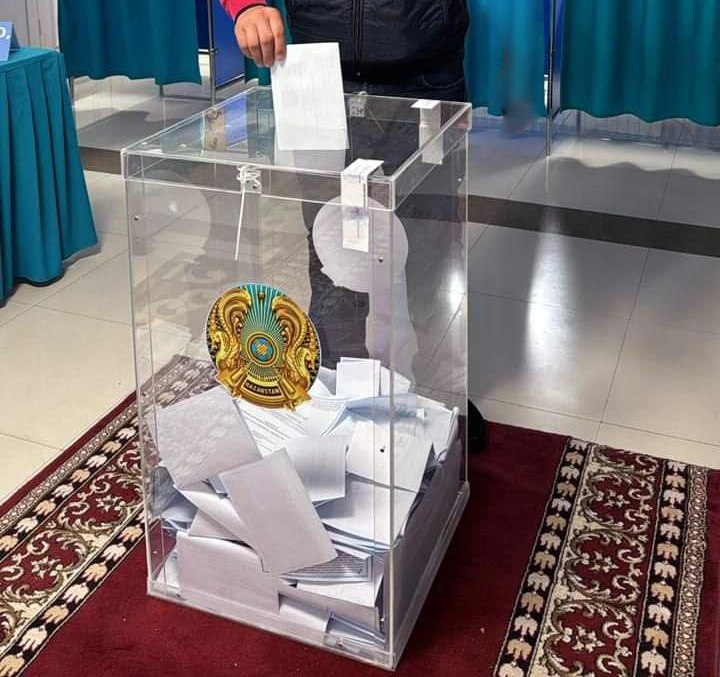
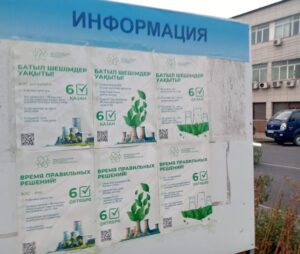
Kazakh President Kassym-Jomart Tokayev’s bet on a referendum to secure citizens’ consent to construct a nuclear power plant has worked. The Central Election Commission of Kazakhstan announced the final results of the referendum held last Sunday, in which 63,66% of citizens eligible to vote showed up at the polling stations. 71.12 % answered “Yes” to the question on the ballot paper about consent to constructing the nuclear power plant.

Organizations engaged in sociological surveys of voters at the exit polls announced similar results on Sunday night and Monday.

“The exit poll of the Institute of Complex Social Studies – Astana (SOCIS-A) called the referendum participants’ decision to favor the construction of nuclear power plants in Kazakhstan. ‘For’ voted 69.8%, ‘Against’ – 30.2%. Similar figures were shown by the Institute of Eurasian Integration exit poll (‘For’ – 71.8%, ‘Against’ – 28.2%). According to the Institute of Public Policy of the Amanat party, 72.3% of referendum participants voted in favor of the NPP construction. In comparison, 27.7% voted against,” Kazakhstani political analyst Eduard Poletayev said on his Facebook account.

His colleague Daniyar Ashimbayev, commenting on the exit poll data, emphasized that Kazakhstanis have managed to overcome old phobias related to Chernobyl and tests at the Semipalatinsk nuclear test site, as well as “enemy propaganda.” By ‘propaganda’, he means the agitation work of opponents to NPP construction.

@ТСА/Kubaizhanov

“For many years, projects to return to nuclear energy were discussed, but there was always a lack of political will, and powerful foreign pressure prevented the decision necessary for the country. And even now, during the campaign period, we have seen the active work of propagandists paid from abroad to not only disrupt the plans for the construction of nuclear power plants but also to try to destabilize the situation in the country,” said Ashimbayev.

Ashimbayev implies that the United States is putting sticks in the wheels of the development of Kazakhstan’s nuclear industry. And the point here is not that American nuclear corporations were left off the shortlist, which Kazakhstan is considering, but in the usual policy of containment. Not Kazakhstan, of course, but Russia and China – Washington’s main geopolitical rivals and competitors.

Realizing this, Tokayev, after voting in the referendum and answering journalists’ questions afterward, said that he would like the NPP to be built by an international consortium, presumably from the companies of those countries that were on the shortlist: Russia, China, South Korea, and France.

“This is not an easy question. The government should engage in analysis and conduct appropriate negotiations. My vision for this issue is for an international consortium to work in Kazakhstan, consisting of global companies with the most advanced technologies. Further, as they say, life will show,” Tokayev said.

Kazakhstan has turned another significant page in its history. In 400 days of discussing nuclear power plants – how long it took from when Tokayev first mentioned atomic power to the end of the campaign period – the president’s team has managed the essentially impossible. Kazakhstanis’ aversion to nuclear power appeared to be an impassable obstacle. However, the years separating us from the last explosions at the nuclear power plant, the policy of enlightenment, and regular power cuts did their job. Kazakhstanis entered a new era: the era of the peaceful atom.

New Road Promised for Kyrgyzstan’s Highest Village

The Ministry of Transport and Communications of Kyrgyzstan has announced a tender for the construction of a road to Kyrgyzstan’s highest village of Zardaly in the Batken oblast.

Authorities have set aside 389 million KGS ($4.5 million) for the construction of the 4.2 kilometer road and according to published data, bids will be accepted until October 22 this year.

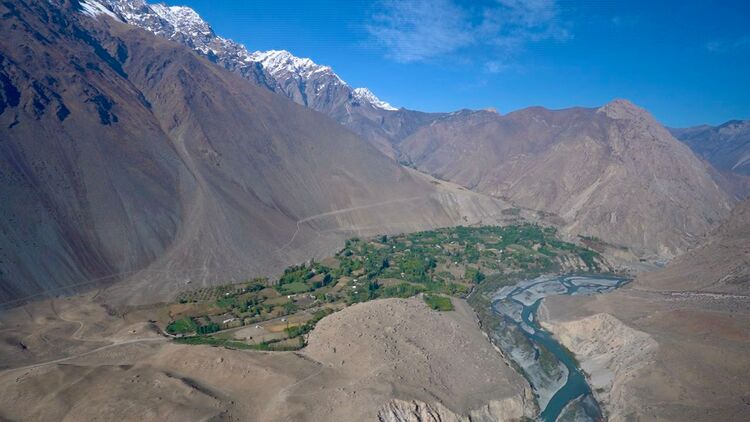
The village of Zardaly is located in the highlands on Kyrgyzstan’s border with Uzbekistan and Tajikistan. At present, only one narrow, stony road leads to the settlement, accessible only between May to October. With the onset of cold weather, snow makes it impossible to get to the village, and residents are cut off from the outside world. It should be noted that Zardaly lacks cellular communication, the recently installed internet only serves the local school, and there are significant problems with electricity.

As a local proverb says, “If there is no urgent business – do not enter Zardaly.”

On the day prior to the announcement of the tender, Kyrgyz President Sadyr Zhaparov visited Zardaly by helicopter.  Whilst there, he promised residents that a highway would be built in the village in spring 2025, after which electricity would be supplied. He also instructed the presidential administration to solve the issue of cellular communications in the region.

In earlier complaints about the situation in the village, Kyrgyzstan’s ombudsman said that although Zardaly became a village in 2016, residents still require help accessing medical services and quality education.