• KGS/USD = 0.01144 0%
  • KZT/USD = 0.00193 -0%
  • TJS/USD = 0.10811 -0.28%
  • UZS/USD = 0.00008 0%
  • TMT/USD = 0.28490 0%
  • KGS/USD = 0.01144 0%
  • KZT/USD = 0.00193 -0%
  • TJS/USD = 0.10811 -0.28%
  • UZS/USD = 0.00008 0%
  • TMT/USD = 0.28490 0%
  • KGS/USD = 0.01144 0%
  • KZT/USD = 0.00193 -0%
  • TJS/USD = 0.10811 -0.28%
  • UZS/USD = 0.00008 0%
  • TMT/USD = 0.28490 0%
  • KGS/USD = 0.01144 0%
  • KZT/USD = 0.00193 -0%
  • TJS/USD = 0.10811 -0.28%
  • UZS/USD = 0.00008 0%
  • TMT/USD = 0.28490 0%
  • KGS/USD = 0.01144 0%
  • KZT/USD = 0.00193 -0%
  • TJS/USD = 0.10811 -0.28%
  • UZS/USD = 0.00008 0%
  • TMT/USD = 0.28490 0%
  • KGS/USD = 0.01144 0%
  • KZT/USD = 0.00193 -0%
  • TJS/USD = 0.10811 -0.28%
  • UZS/USD = 0.00008 0%
  • TMT/USD = 0.28490 0%
  • KGS/USD = 0.01144 0%
  • KZT/USD = 0.00193 -0%
  • TJS/USD = 0.10811 -0.28%
  • UZS/USD = 0.00008 0%
  • TMT/USD = 0.28490 0%
  • KGS/USD = 0.01144 0%
  • KZT/USD = 0.00193 -0%
  • TJS/USD = 0.10811 -0.28%
  • UZS/USD = 0.00008 0%
  • TMT/USD = 0.28490 0%
10 December 2025

China and Afghanistan are the Main Importers of Kazakh Grain and Flour

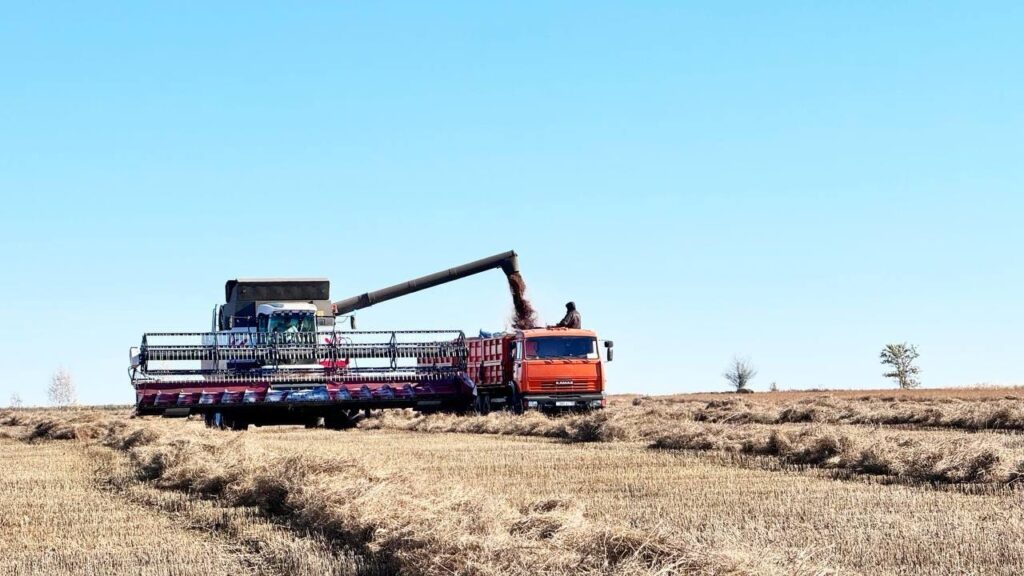
In January-September 2024, Kazakhstan’s national railways company, Kazakhstan Temir Zholy (KTZ), transported 6.6 million tons of Kazakh grain and 2.7 million tons of flour. Of that amount, 5 million tons of grain and 2.1 million tons of flour were exported. KTZ Managing Director Bauyrzhan Urynbasarov announced this at a government meeting on October 7.

According to Urynbasarov, Kazakhstan exported grain mainly to neighboring Central Asian countries (2.9 million tons), China (1.3 million tons), and Afghanistan (127,000 tons). Kazakhstan resumed grain supplies to Iran (211,000 tons), and 423,000 tons of grain were exported to Italy, Turkey, and Russia.

From January to September, 495,000 tons of flour were exported to Central Asian countries, 639,000 tons to China, and 666,000 tons to Afghanistan.

At the meeting, Deputy Prime Minister Serik Zhumangarin said that Kazakhstan must supply 2 million tons of grain to China this year, but the figure can be increased to 3 million tons. He also ordered an increase in flour supplies to Afghanistan.

According to the Ministry of Agriculture, as of October 7, Kazakhstan had completed harvesting 93.2% of grain crops on 15.5 million hectares, and 23.5 million tons of grain had been threshed.

Uzbekistan Aims to Attract 15 Million Foreign Tourists by 2030

In an article, “Uzbekistan Attracts More and More Foreign Tourists to the Country”, published on the popular online portal Tiger’s Media in Poland, Dunyo reports that Uzbekistan plans to increase the number of foreign tourists to 15 million by 2030.

As stated by Tiger’s Media, “this number is twice as much as the 6.6 million tourists who came to the country in 2023. In 2023, tourism brought about $2.1 billion to the economy and created about 70 thousand new jobs.” The portal adds that “to attract the attention of young travelers, Uzbekistan is also attracting bloggers and social network activists with more than 10 million subscribers,”

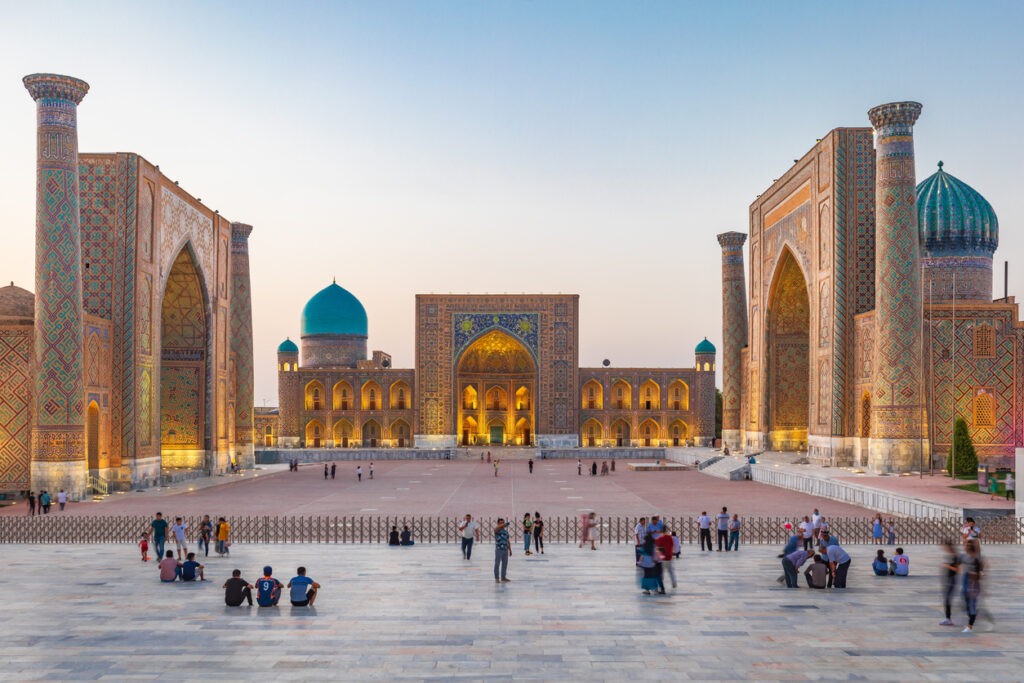
Uzbekistan is located on an important part of the ancient Silk Road. Cities of the republic, such as Samarkand, Bukhara, and Khiva, important trade centers in ancient times, are UNESCO World Heritage Sites, known for their architecture, including madrasahs, mosques, and bazaars.

The Times of Central Asia previously reported that tourism revenue made up 2.35% of Uzbekistan’s GDP last year.

Other countries in Central Asia are likewise looking to boost their tourism industry. In June, Kazakh President Kassym-Jomart Tokayev spoke bluntly about infrastructure weaknesses that must be fixed. Kyrgyzstan, meanwhile, is focusing on its rugged, mountainous landscape, citing riding and hiking and “hunting with eagles” among its main attractions.

Kyrgyzstan Proposes to Fine Employers for Paying Wages in Cash

The Kyrgyz Ministry of Economy has proposed introducing fines for legal entities for paying salaries in cash. The relevant draft law has already been submitted to the parliament, the Jogorku Kenesh, for consideration.

According to the law, wages shall be paid in non-cash form except in cases of force majeure, emergency, or disaster, as well as certain types of activities or in certain territories of the country.

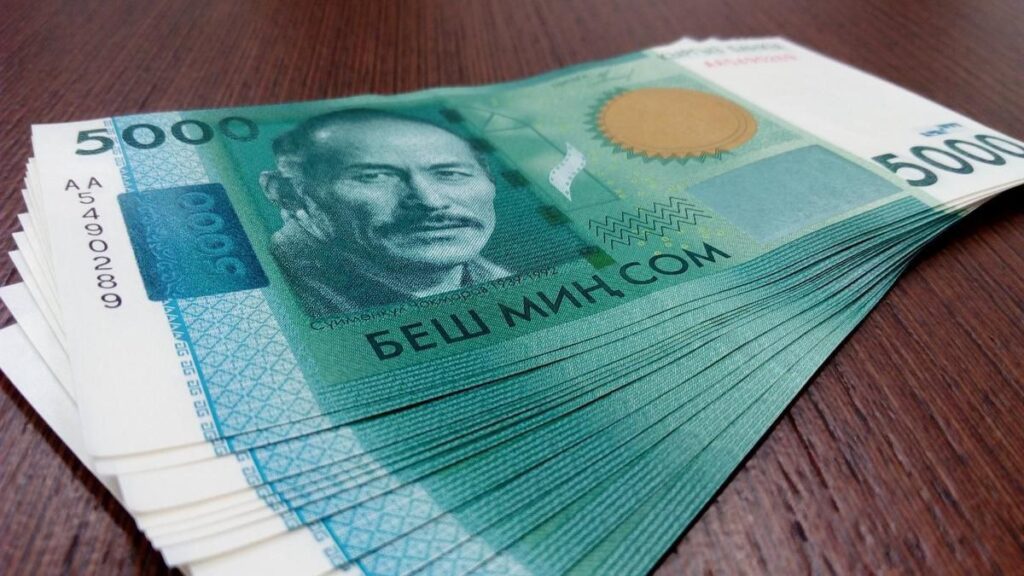
Employers who fail to fulfill the requirement to pay wages in non-cash form can be fined 5,000 soms ($59.2).

The new article, proposed to the Code of Offenses, aims to combat the shadow economy and encourage the transition to non-cash payments. In general, the country has already developed several measures for this purpose. Among them is the installation of online cash registers in retail outlets and service enterprises. In 2022, about 65,000 online cash registers were installed in the country, a significant step towards transparency of financial flows. In addition, the government is utilizing tax incentives and developing an e-invoicing system, which helps track transactions and increase tax revenues.

Turkmenistan Among Ten Countries With Cheapest Gasoline

According to the Global Petrol Prices portal, the average price of gasoline worldwide is $1.21 per liter as of September 30, 2024.

“However, there is a substantial difference in these prices among countries. As a general rule, richer countries have higher prices while poorer countries and the countries that produce and export oil have significantly lower prices,” the report explains.

Iran, Libya, and Venezuela have the lowest diesel fuel prices. Singapore, Israel, Finland, Albania, Switzerland, Liechtenstein, Iceland, the Central African Republic, Monaco, and Hong Kong have the highest prices. The highest price is noted in Hong Kong, where one liter of gasoline is $3,279.

Turkmenistan has the lowest oil prices among Central Asian countries. One liter of gasoline costs $0.429, making it among the top 10 countries in terms of low prices.

In Kazakhstan, the price of one liter of gasoline is $0.508. In Kyrgyzstan, it is slightly higher—$0.880.

The most expensive price in the region is in Uzbekistan, where the price of one liter of gasoline is $0.983.

There is no information about the price of gasoline in Tajikistan.

U.S. Ready to Participate in Construction of Nuclear Power Plant in Kazakhstan

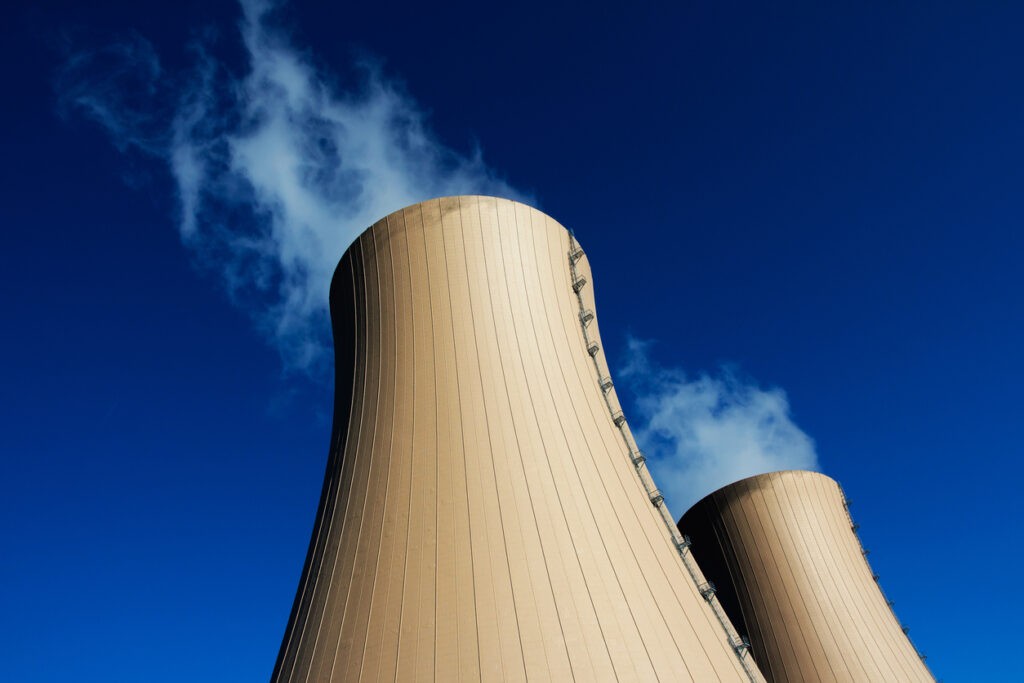
The U.S. has expressed its willingness to participate in constructing a nuclear power plant (NPP) in Kazakhstan. Senior Vice President of the U.S. Chamber of Commerce Khush Choksi made this statement during the visit of the U.S. business delegation to Almaty, Informburo.kz reports.

“The U.S. has the best technologies for nuclear power plants. And we hope there will be an open tender, allowing American companies to participate,” said Choksi, answering journalists’ questions.

As The Times of Central Asia previously reported, the referendum on nuclear power in Kazakhstan was held on October 6. According to preliminary data, 71.12% of Kazakhstanis voted to build a nuclear power plant, but the official results have yet to be announced.

Potential participants in constructing the nuclear power plant are also being discussed. Russia, China, France, South Korea, and France are among the countries that are considered suppliers of technologies for NPP construction. These states have proposed their projects, and the Kazakhstani authorities are considering them. It is expected that the winner may be an international consortium, and the final decision will be made based on technical and financial conditions. The preliminary cost of one NPP unit is estimated at $5 billion.

Uzbek Teachers Highlight Rising Interest in English and Other Foreign Languages

Interest in learning foreign languages in Uzbekistan is growing year by year, with English proving by far, the most popular.

The English language is taught in Uzbekistan’s schools from the 1st to the 11th grade. More advanced classes are offered by colleges or universities and in an ever- increasing number of  educational centers specializing in teaching English.

Regarding young people’s interest in the language,  Abbas Khan Mekhmonaliev, a teacher at the “English Team” language learning center, told The Times of Central Asia: “There is much to admire when it comes to the new generation in Uzbekistan, especially their passion for learning English. In the past, many young people studied English primarily to meet university entrance requirements. However, times have changed. Today, young people are thinking more broadly: learning English is no longer just a stepping stone to an education that opens the door to a future career. Young Uzbeks dream of going abroad to visit and succeed, and English is key to opening up global opportunities. This focus is about more than just language proficiency; it is about a distant future in which their lives will be more prosperous, fulfilling, and globally connected.”

According to Mekhmonaliev, English dominates other languages, especially amongst ambitious young people who see their peers succeed abroad by mastering English. In addition, they see it as an essential step towards promoting and achieving international recognition for Uzbekistan.

“Several factors are responsible for the growing interest in learning English among the youth of Uzbekistan,” explained Mekhmonaliev.”First, English is the key to good career opportunities at home and abroad, as many employers require English. Second, access to global information, culture, and education, mostly in English, encourages young people to learn languages. Finally, studying or working abroad has become more attractive, and English is an important tool for achieving these ambitions and broadening their horizons.”

Reiterating this stance, Rano Jurakulova, with over ten years of teaching English, commented, “Due to international education opportunities, better job prospects, and the influence of globalization, more and more young people are eager to learn English.”

According to UNESCO data, Uzbekistan ranked fifth globally in terms of the number of students studying abroad in 2021.
In recent years, the number of people wishing to study and work in Turkey has risen significantly and as of September 2024, over 55 thousand citizens of Uzbekistan received a residence permit for the country. As a result, the demand for studying the Turkish language has also increased.  Turkish language teacher, Mohinur Qurbonmuradova, connects the increase in the number of language learners with the requirement of a language certificate for enrolment in master’s and doctoral studies : “90% of students study the Turkish language for this purpose. It is easy and a language close to Uzbek. Learning English takes a little longer.” However, aside from attaining the certificate, she adds that very few are interested in learning Turkish.
For many, English is no longer just an academic requirement but a powerful tool that opens doors to global educational opportunities, employment, or cultural exchange. The increase in Turkish language learning also reflects a growing interest in other opportunities abroad, as more Uzbeks seek Turkey for higher education and work. In general, this trend of learning foreign languages expresses the desire of the youth of Uzbekistan to build a prosperous and globally connected future.