• KGS/USD = 0.01144 0%
  • KZT/USD = 0.00194 -0%
  • TJS/USD = 0.10833 -0.09%
  • UZS/USD = 0.00008 0%
  • TMT/USD = 0.28490 0%
  • KGS/USD = 0.01144 0%
  • KZT/USD = 0.00194 -0%
  • TJS/USD = 0.10833 -0.09%
  • UZS/USD = 0.00008 0%
  • TMT/USD = 0.28490 0%
  • KGS/USD = 0.01144 0%
  • KZT/USD = 0.00194 -0%
  • TJS/USD = 0.10833 -0.09%
  • UZS/USD = 0.00008 0%
  • TMT/USD = 0.28490 0%
  • KGS/USD = 0.01144 0%
  • KZT/USD = 0.00194 -0%
  • TJS/USD = 0.10833 -0.09%
  • UZS/USD = 0.00008 0%
  • TMT/USD = 0.28490 0%
  • KGS/USD = 0.01144 0%
  • KZT/USD = 0.00194 -0%
  • TJS/USD = 0.10833 -0.09%
  • UZS/USD = 0.00008 0%
  • TMT/USD = 0.28490 0%
  • KGS/USD = 0.01144 0%
  • KZT/USD = 0.00194 -0%
  • TJS/USD = 0.10833 -0.09%
  • UZS/USD = 0.00008 0%
  • TMT/USD = 0.28490 0%
  • KGS/USD = 0.01144 0%
  • KZT/USD = 0.00194 -0%
  • TJS/USD = 0.10833 -0.09%
  • UZS/USD = 0.00008 0%
  • TMT/USD = 0.28490 0%
  • KGS/USD = 0.01144 0%
  • KZT/USD = 0.00194 -0%
  • TJS/USD = 0.10833 -0.09%
  • UZS/USD = 0.00008 0%
  • TMT/USD = 0.28490 0%
10 December 2025

Uzbek Security Chief: SCO Must Help Afghanistan to Fight Islamic State Khorasan Province

The Shanghai Cooperation Organization (SCO) is holding its 10th regional anti-terrorism conference in Tashkent. The conference is being held on September 4 and 5.

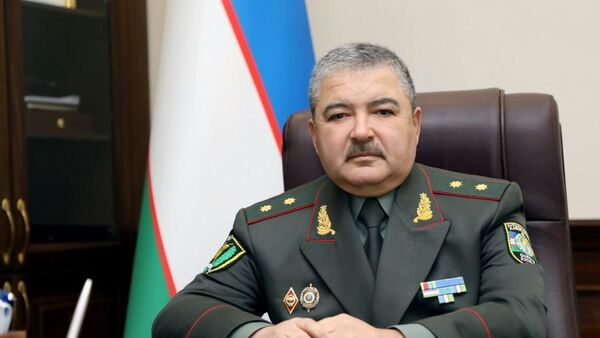
At the conference’s plenary session, Lieutenant General Abdusalam Azizov, the head of Uzbekistan’s State Security Service, emphasized that the member countries of the SCO must work together to fight against international terrorism, extremism, and radicalism.

“The Afghan government is fighting international terrorism based on its capabilities and resources, and the Afghan special service is leading the fight against the Islamic State and achieving results. We must fight together against the enemy,” Azizov said.

Regarding the branch of Islamic State known as Islamic State Khorasan Province (ISKP), which has claimed responsibility for several fatal attacks in SCO member countries, including the attack on the Crocus City concert hall outside Moscow earlier this year, Azizov said: “It is important to help Afghanistan in the fight against ISKP, because the weakening of countermeasures will lead to the strengthening of this group, which, in turn, poses a threat to the security of the region.”

ISKP was formed in 2014 as a collective of defectors from groups including al-Qaeda, Tehrik-e-Taliban (TTP), and former Taliban fighters from Afghanistan and Pakistan. It is estimated that ISKP has between 4,000 and 6,000 members. Since the Taliban killed its leader Sanaullah Ghafari in 2023, it is unclear who runs the group.
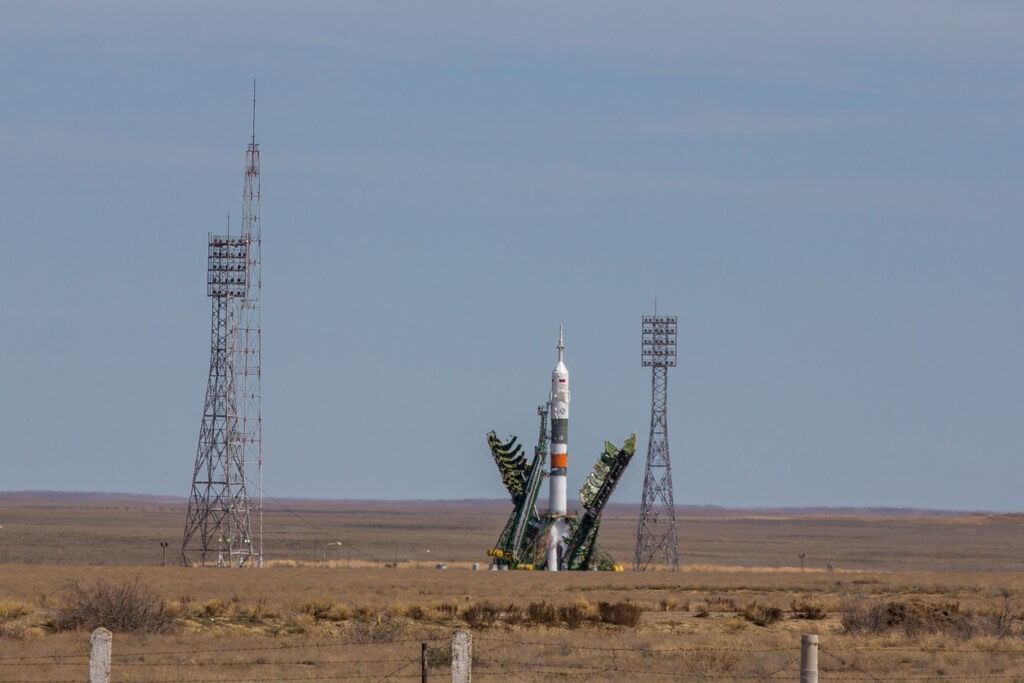

Uzbekistan and Kazakhstan Plan to Launch Satellites into Space

Representatives of Uzbekistan’s Ministry of Digital Technologies attended the recent Asia-Pacific Conference on Digital Transformation, which was held in Astana on September 2-3. The event was organized by the United Nations Economic and Social Commission for Asia and the Pacific (UNESCAP).

The conference touched upon possible cooperation between Uzbekistan and Kazakhstan on launching a group of satellites into space. In August Uzbekistan became a signatory to the Outer Space Treaty, which regulates international cooperation in space exploration.

The Times of Central Asia has also reported that Kazakhstan plans to use Amazon’s “Project Kuiper” satellite internet, a competitor to Elon Musk’s famous Starlink.

Kyrgyzstan Tightens Gambling Regulations

New rules and requirements for casinos have recently been introduced in a decree signed by Head of the Kyrgyz Cabinet of Ministers, Akylbek Japarov, “On gambling activities in Kyrgyzstan.”

In accordance with the document, all transactions taking place within casinos are to be recorded on video cameras installed at cash, currency exchange and registration desks, and all activities in gambling establishments must be filmed in real-time. Recordings must be accessible for at least one month and can be stored for up to three months.

Under the new rules, slot machines can only be installed in casinos and gaming zones must be at least 200 square meters.

The decree also states: “Bookmaker offices and totalizators can be opened based on a license to organize and conduct gambling in betting offices or totalizators located only in the casino.”

Gambling establishments have been banned in Kyrgyzstan since 2012. The situation then changed in 2022, when new authorities permitted  the reintroduction of casinos, albeit confined to places designated for foreign citizens.

Afghanistan Increases Electricity Imports from Turkmenistan With New Substation

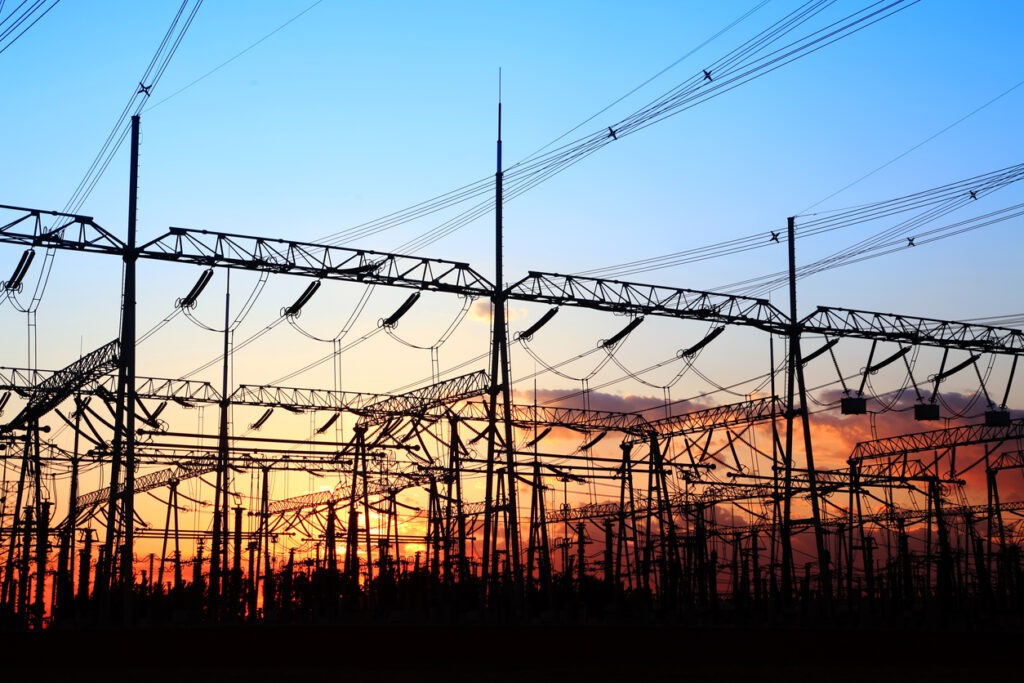
Afghanistan is on track to increase its electricity imports from Turkmenistan significantly. According to a spokesman from Afghanistan’s Ministry of Energy and Water, Matiullah Abid, the 500-kilovolt Arghandi substation is expected to be completed in the next two months.

Once the substation is completed, this project and other lines will allow Afghanistan to import up to 1,000 megawatts of electricity from Turkmenistan, alleviating the country’s chronic electricity shortage.

Abid emphasized the rapid progress being made on the construction. Once the building phase is finished, electrical equipment installation will begin.

According to the Afghan publication TOLOnews, the total cost of this project is $183 million, and it will be completed within two years.

Afghanistan’s acting Minister of Energy and Water, Abdul Latif Mansoor, stated that officials from the company investing in the Arghandi substation project emphasized that creating investment facilities is crucial for increasing the country’s energy production capacity.

In January of this year, the electricity company “Da Afghanistan Breshna Sherkat” (DABS) signed a contract with Turkmenistan to supply 1.8 billion kilowatt hours (kWh) of electricity to Afghanistan. The Afghanistan Chamber of Commerce and Industry said that the electricity supply price from Turkmenistan is low.

Kyrgyzstan Wants to Extend Prison Terms for “Calls to Seize Power”

Kyrgyzstan’s Interior Ministry has proposed toughening the criminal penalties for inciting violent seizures of power.

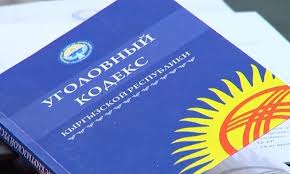
The ministry has tabled an amendment whereby those found to have breached Article 327 of Kyrgyzstan’s Criminal Code (“Public calls for violent seizure of power”) could face between three and five years in prison. The Criminal Code currently only sets out a fine of 20,000 to 50,000 som ($236 to $590), or imprisonment of up to three years. The draft law has been submitted for public discussion.

In Kyrgyzstan, it is not uncommon for civic activists and those who criticize the current government to be arrested on charges of “public calls for violent seizure of power”. Among Kyrgyz citizens to have been convicted of this charge are Zarina Torokulova and Kanykei Aranova, who are both currently in prison after posting messages on social media. Their sentences are harsher than the law currently calls for: Torokulova was sentenced to five years in prison in 2023, while this year Aranova was sentenced to three and a half years.

In June 2024, 20 Kyrgyz citizens who peacefully protested against a land swap with Uzbekistan involving the Kempir-Abad reservoir were acquitted by the court, but the prosecutor’s office appealed the court’s decision, demanding that they be found guilty.

Furthermore, the Interior Ministry proposes increasing the prison term to five to seven years if the offense is committed by a group of individuals, or by using the internet or mass media. The current punishment is a fine of 50,000 to 100,000 som ($590 to $1,185) or imprisonment for three to five years.

The draft bill also proposes to criminalize public calls for extremist activity and possession of extremist materials if a person has previously received a warning. For this purpose, new articles will be added to the Criminal Code: “Possession of extremist materials” and “Public calls for extremist activities.”


In Uzbekistan, 74-Year-Old Pensioner Convicted of Agitating for Return of USSR

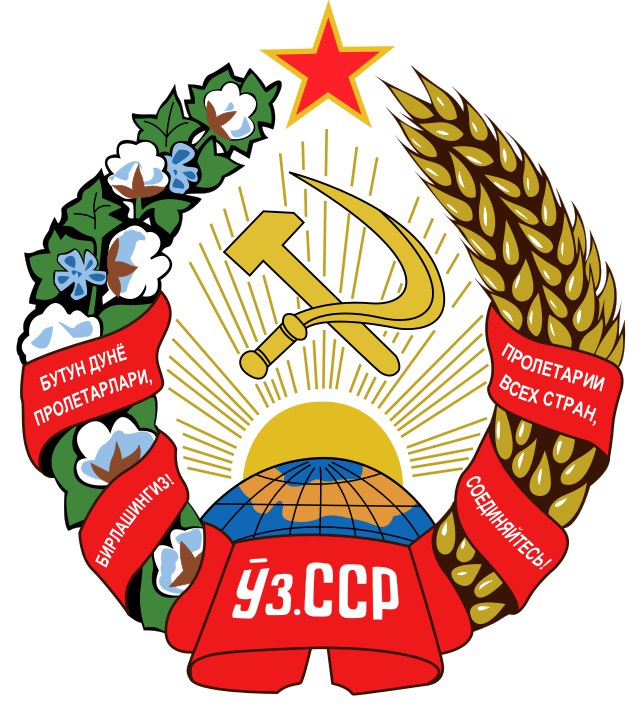
Ergashkul Khasanov, a 74-year-old resident of Samarkand, was convicted of conducting propaganda aimed at the restoration of the USSR. Hasanov was actively engaged in disseminating material through the Telegram group, Uzbek SSR/USSR, in which he claimed the collapse of the Soviet Union was illegal and temporary and that the independence of the former republics, including Uzbekistan, was informal and temporary. The court found him guilty of encroaching on Uzbekistan’s constitutional order.

Khasanov’s story dates back to 2021, when he began listening to speeches by Russian citizen, Oleg Turishkin, who argued that the collapse of the USSR was both illegal and unjust. Turishkin suggested that Khasanov register as a Citizen of the USSR, and the Uzbek pensioner duly obtained a certificate of Soviet citizenship through the post office. He subsequently joined a Telegram group where he participated in discussions and published materials arguing that the Soviet Union had not legally been dissolved and that the former Union republics should reunite again.

In early 2023, Khasanov traveled to Moscow, where he met with activists who advocated the restoration of the Soviet Union and a return to the constitution and laws from Joseph Stalin’s time. They argued that the Union “legally” continued to exist, and prepared for its restoration. After visiting Moscow, Khasanov continued to publish materials claiming that Uzbekistan’s independence was superficial and that all former republics should return to the fold of the USSR.

In his case, the court considered Khasanov’s age, lack of previous convictions, and status as a pensioner. As a result, he was sentenced to three years of restricted freedom. Khasanov is forbidden from leaving his apartment from 22:00 to 6:00, changing his place of residence without the permission of the supervisory authority, and from leaving the Samarkand region.

In 2022, the public movement, Citizens of the USSR was included in a list of organizations deemed by the authorities in Russia to be extremist. Believing that the Soviet Union still exists, some supporters of the movement refuse to abide by the laws of modern Russia, obey the current authorities, or use Russian passports.