• KGS/USD = 0.01143 -0%
  • KZT/USD = 0.00192 -0%
  • TJS/USD = 0.10820 0.19%
  • UZS/USD = 0.00008 0%
  • TMT/USD = 0.28575 0%
  • KGS/USD = 0.01143 -0%
  • KZT/USD = 0.00192 -0%
  • TJS/USD = 0.10820 0.19%
  • UZS/USD = 0.00008 0%
  • TMT/USD = 0.28575 0%
  • KGS/USD = 0.01143 -0%
  • KZT/USD = 0.00192 -0%
  • TJS/USD = 0.10820 0.19%
  • UZS/USD = 0.00008 0%
  • TMT/USD = 0.28575 0%
  • KGS/USD = 0.01143 -0%
  • KZT/USD = 0.00192 -0%
  • TJS/USD = 0.10820 0.19%
  • UZS/USD = 0.00008 0%
  • TMT/USD = 0.28575 0%
  • KGS/USD = 0.01143 -0%
  • KZT/USD = 0.00192 -0%
  • TJS/USD = 0.10820 0.19%
  • UZS/USD = 0.00008 0%
  • TMT/USD = 0.28575 0%
  • KGS/USD = 0.01143 -0%
  • KZT/USD = 0.00192 -0%
  • TJS/USD = 0.10820 0.19%
  • UZS/USD = 0.00008 0%
  • TMT/USD = 0.28575 0%
  • KGS/USD = 0.01143 -0%
  • KZT/USD = 0.00192 -0%
  • TJS/USD = 0.10820 0.19%
  • UZS/USD = 0.00008 0%
  • TMT/USD = 0.28575 0%
  • KGS/USD = 0.01143 -0%
  • KZT/USD = 0.00192 -0%
  • TJS/USD = 0.10820 0.19%
  • UZS/USD = 0.00008 0%
  • TMT/USD = 0.28575 0%
13 December 2025

Uzbekistan Adopts Law to Protect Prisoners’ Rights

Uzbekistan has introduced a new law to protect prisoners’ rights. The new piece of legislation is formally called the law “On amendments and supplements to the Criminal-Executive Code of Uzbekistan aimed at ensuring the rights and legal interests of prisoners.”

The Criminal Executive Code defines prisoners’ rights to appeal to the ombudsman through the appeals box.

Appeal boxes to the ombudsman will be installed in each residential sector of the Uzbekistan penal institutions, industrial zones, and buildings intended for holding short- and long-term meetings, where it is convenient for prisoners to leave appeals. In addition, appeal boxes for the children’s ombudsmen will be installed in the educational colonies. It is reported that the boxes are opened only by the ombudsman, the children’s ombudsman, or the staff of their secretariats.
Russia’s Gazprom Doubles Gas Supply to Central Asia

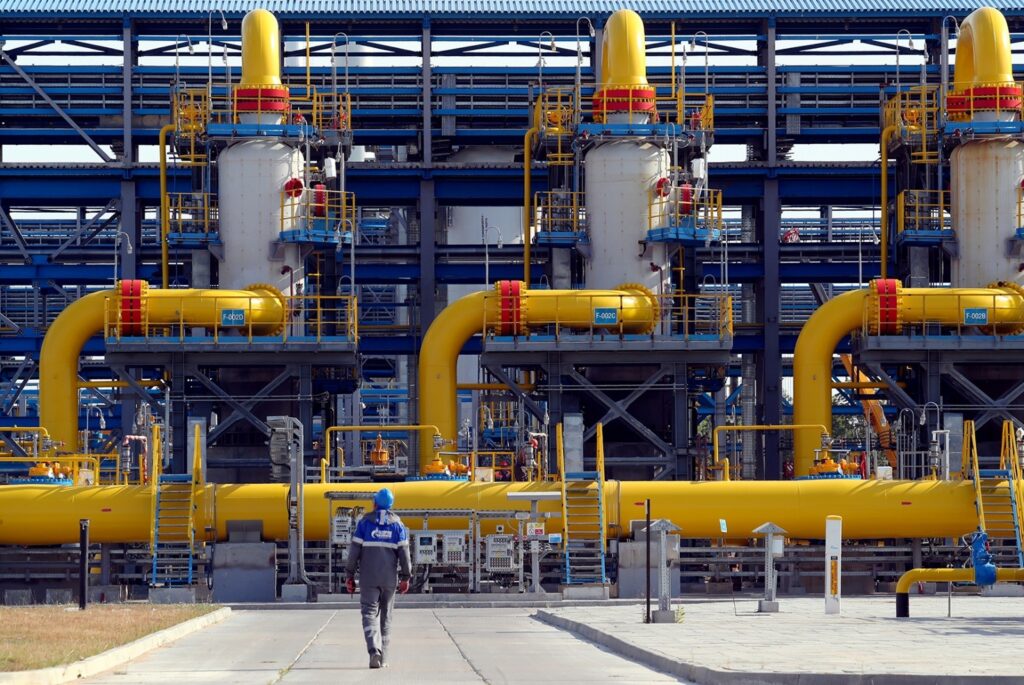
As reported by TASS, the head of Gazprom, Alexey Miller, announced that from January to August 2024, the company doubled its gas supply to Central Asia.

According to Miller, the rapid economic and social development of the republics has opened up significant new opportunities for Gazprom, with gas supplies to Uzbekistan now at the highest possible level.

“For example, the gas supply applications we submit for Uzbekistan are currently being fulfilled through the Central Asia Center gas pipeline at the maximum technical capacity, equivalent to the levels used during the winter season. This is the same level of supply we provided to Uzbekistan last winter when they experienced unusually cold weather,” stated Miller.

Citing the fact that Kyrgyzstan’s gasification rate has doubled and continues to grow, he explained, “A lot of work has been done to reconstruct the gas transportation system of Kyrgyzstan. New gas transportation facilities have been built. But what is also important is Gazprom Kyrgyzstan has implemented socially significant projects in Kyrgyzstan, as is customary at Gazprom.”

The Times of Central Asia previously reported that in June, Gazprom signed agreements for gas supplies to Kyrgyzstan and with Kazakhstan on the transit of Russian gas in the direction of Uzbekistan and Kyrgyzstan for the period 2025-2040.

To ensure transit, a specially designated route based on the Central Asia–Center gas pipeline system will be expanded and implemented.

In June 2023, Uzbekistan signed a two-year gas purchase agreement with Gazprom. Daily supplies amount to 9 million cubic meters, and annual supplies amount to almost 2.8 billion cubic meters. Supplies under this agreement began on October 7, 2023.

Kazakhstan to Hold Nuclear Plant Referendum on October 6

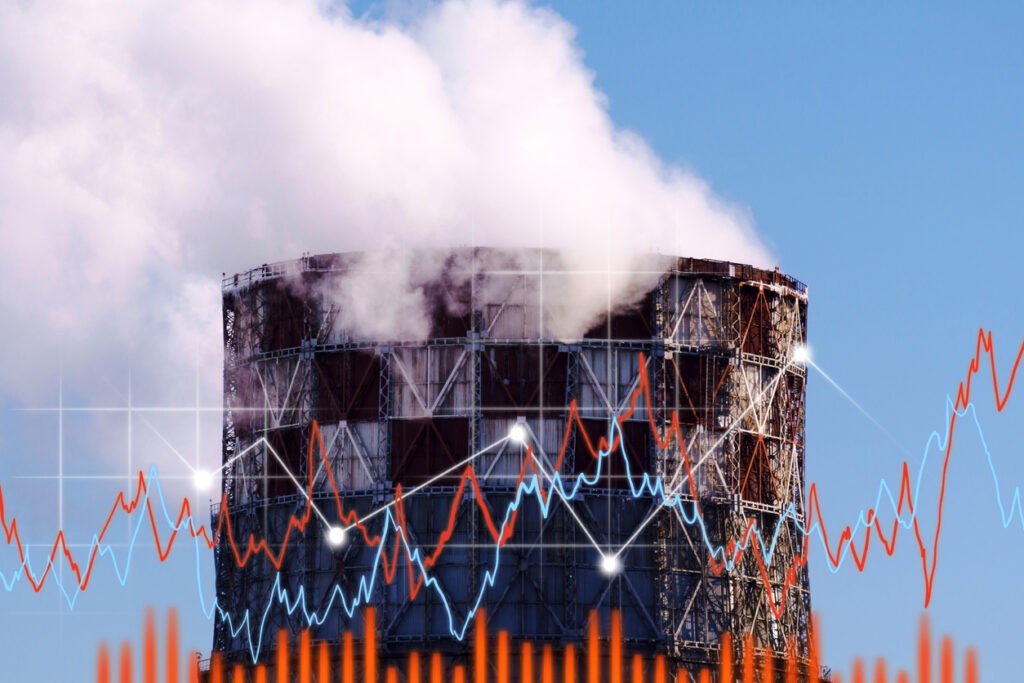
A popular vote on the need to build a nuclear power plant in Kazakhstan will be held on October 6. President Kassym-Jomart Tokayev announced this during his annual address to the nation.

“Given the growing global energy deficit, we need reliable and environmentally friendly energy sources. Therefore, I believe it is necessary to pay close attention to the development of nuclear energy. This type of generation can largely meet the rapidly growing needs of our economy. About 200 nuclear power plants are operating in 30 developed and developing countries,” the head of state said.

Discussions on constructing a nuclear power plant in Kazakhstan have been ongoing for many years. The idea of the need for a nuclear power plant first appeared after the closure of the Soviet reactor in Aktau in 1999. Since then, the country has repeatedly raised questions about the development of nuclear power, especially in the context of improving energy security and climate change resilience. However, public opinion is divided: many people in the country remember the consequences of nuclear tests at the Semipalatinsk test site and fear environmental risks.

In 2021, discussions about constructing a nuclear power plant intensified when a possible site for Kazakhstan’s first atomic power plant began to be considered in Almaty region, near the village of Ulken. These plans sparked lively public debate and protests among residents and environmentalists.

According to Tokayev, Kazakhstan should consider the future, taking into account long-term national interests and the country’s specifics.

“Every step important for the country’s life should be made with the support of the people. So, it should be done by referendum on the nuclear power plant; this topic has been on the public agenda for a year. I believe this is the time for citizens to make an informed decision. The upcoming referendum will be another manifestation of a broad national dialog and a vivid example of realizing the concept of a ‘listening state.’ In fact, with such steps, we form a new socio-political culture and lay new standards for making key state decisions,” he said.

Uzbekistan Leads the Field in Central Asia’s Medals at the Paris 2024 Paralympics

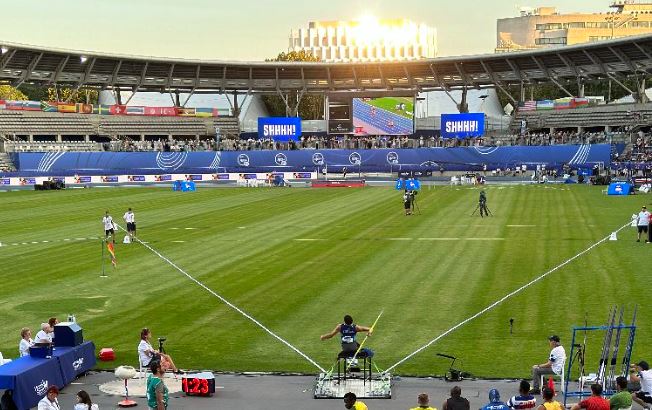
To date, Uzbekistan ranks 9th out of 169 countries in medals gained at  the Paris 024 Paralympic Games, with five gold, three silver, and three bronze.

Placed 13th at the Paris 2024 Olympic Games with 13 medals, Uzbekistan continues to show robust performances in the Paralympic Games. Highlights include Asila Mirzayorova’s gold in the long jump – a paralympic record of 5.22 meters – and Yorqinbek Odilov’s gold in the men’s javelin throw.

Uzbek athletes Elbek Sultanov and Qudratillokhan Marufkhojayev, flourished in the men’s shot put, winning the gold medal; Kubaro Hakimova won the silver medal, and Talibboy Yoldoshev won the bronze.

In Paralympic Taekwondo, 22-year-old Asadbek Toshtemirov won gold in the under 80 kg category, while Ziyodakhon Isakova (47 kg) and Guljonoy Naimova (65 kg) took silver. Mokhigul Khamdamova added to the medal tally with a bronze in the women’s discus throw, and Muslima Odilova, with a bronze in the women’s 100m butterfly.

Kazakh athletes finished the Paris 2024 Olympic Games in 43rd place with seven medals, and at the Paralympics,  Yerkin Gabbasov has won a silver in shooting.

The remaining three Central Asian countries — Kyrgyzstan, Tajikistan, and Turkmenistan — have no medals as yet.

First ‘Comfortable’ Schools Open in Kazakhstan

On September 1, over 3.9 million pupils returned or newly enrolled in secondary schools across Kazakhstan.

The date also marked the opening of seventy new schools in the country, including several built as part of the nationwide project ‘Comfortable School.’

Speaking at the opening of one such school in the capital, Astana, Kazakh Minister of Education Gani Beisembayev announced that almost 90,000 schoolchildren are starting the new academic year in brand new schools,  and over 200,000 pupils will study in schools that have undergone significant repairs.

Initiated by President Kassym-Jomart Tokayev, the national project ‘Comfortable School’ aims to solve the shortage of student places and level the difference in the quality of education between rural and urban areas. Aimed to improve the educational environment, the new schools provide separate blocks for elementary and high school students, technology for teaching contemporary subjects, specially equipped classrooms to ensure pupils’ safety, and a barrier-free environment for children with special educational needs.

Kazakhstan plans to build 369 ‘Comfortable’ secondary schools by 2026, accommodating 740,000 pupils; 217 schools of which will be built in the 2024-2025 academic year.

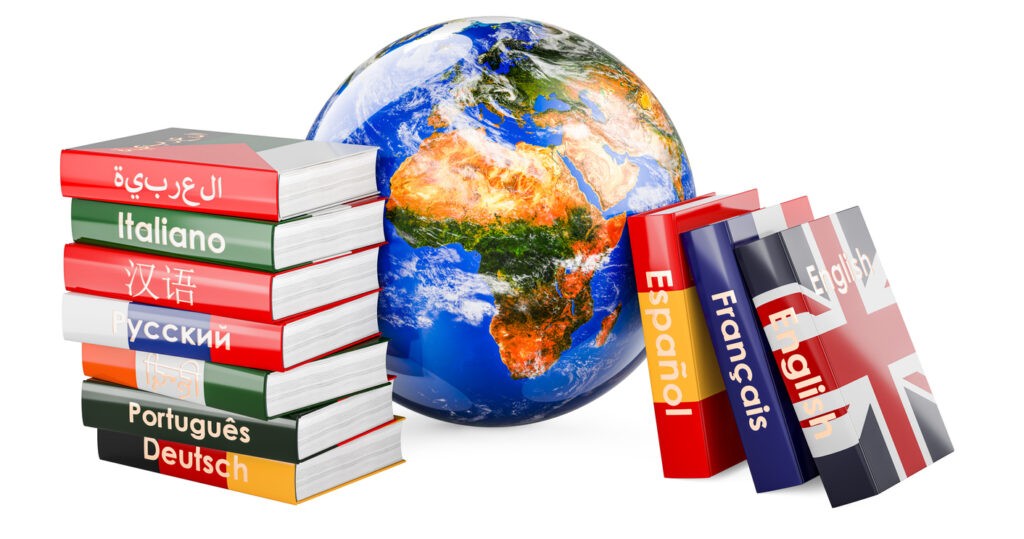
Tajikistan to Launch Foreign Language TV Channel

On September 1, in a speech dedicated to “Knowledge Day,’ Tajik President Emomali Rahmon ordered the creation of a TV channel specializing in teaching children foreign languages.

In his emphasis on the the need for  a comprehensive approach to children’s development, the president  highlighted the importance of studying sciences, crafts, moral values, modern technologies, and mastering foreign languages.

With regard to the latter, special attention will be paid to Russian and English, as well as other foreign languages, to better prepare young people for the modern challenges and demands of both domestic and foreign labor markets. The President also noted the importance of adapting educational programs to meet the current and future needs of these markets.

The creation of a TV channel dedicated to teaching foreign languages is part of a broader government strategy to improve the country’s educational standards and integration into the global community.

Several languages are spoken in Tajikistan. Tajik (a form of Persian) is recognized as the official language, while Russian is recognized as an interethnic language. Uzbek is the third most commonly spoken language and  minority languages include Kyrgyz, Yagnob, Parya, and various forms of Pamiri. The most popular foreign languages amongst students include English and Chinese.