• KGS/USD = 0.01144 0%
  • KZT/USD = 0.00209 0%
  • TJS/USD = 0.10523 0%
  • UZS/USD = 0.00008 0%
  • TMT/USD = 0.28530 -0.14%
  • KGS/USD = 0.01144 0%
  • KZT/USD = 0.00209 0%
  • TJS/USD = 0.10523 0%
  • UZS/USD = 0.00008 0%
  • TMT/USD = 0.28530 -0.14%
  • KGS/USD = 0.01144 0%
  • KZT/USD = 0.00209 0%
  • TJS/USD = 0.10523 0%
  • UZS/USD = 0.00008 0%
  • TMT/USD = 0.28530 -0.14%
  • KGS/USD = 0.01144 0%
  • KZT/USD = 0.00209 0%
  • TJS/USD = 0.10523 0%
  • UZS/USD = 0.00008 0%
  • TMT/USD = 0.28530 -0.14%
  • KGS/USD = 0.01144 0%
  • KZT/USD = 0.00209 0%
  • TJS/USD = 0.10523 0%
  • UZS/USD = 0.00008 0%
  • TMT/USD = 0.28530 -0.14%
  • KGS/USD = 0.01144 0%
  • KZT/USD = 0.00209 0%
  • TJS/USD = 0.10523 0%
  • UZS/USD = 0.00008 0%
  • TMT/USD = 0.28530 -0.14%
  • KGS/USD = 0.01144 0%
  • KZT/USD = 0.00209 0%
  • TJS/USD = 0.10523 0%
  • UZS/USD = 0.00008 0%
  • TMT/USD = 0.28530 -0.14%
  • KGS/USD = 0.01144 0%
  • KZT/USD = 0.00209 0%
  • TJS/USD = 0.10523 0%
  • UZS/USD = 0.00008 0%
  • TMT/USD = 0.28530 -0.14%

Second Uzbek Woman Confirmed Dead in Istanbul Murder Case

A second Uzbek national has been confirmed dead in Istanbul, according to the Consulate General of Uzbekistan in Istanbul. The victim, identified as Sayyora Ergashalieva, born in 1994 in the Namangan region, had previously been reported missing.

Turkish law enforcement authorities informed the consulate that Ergashalieva disappeared shortly after the killing of her close friend, Durdona Khakimova, whose dismembered body was discovered in a garbage container in Istanbul in January 2026. Ergashalieva and Khakimova were reportedly close friends.

According to Turkish media reports, Ergashalieva’s family in Uzbekistan lost contact with her after January 23 and sought assistance from the Uzbek Women’s Rights Association in Turkey. The association’s president, Azade Islamova, together with lawyers Ezgi Ekin Arslan and Cevat Bozkurt, met with the family and outlined possible legal steps after suspicions emerged that Ergashalieva may have been present at the residence where Khakimova was killed.

The family traveled to Turkey and filed a formal complaint with the prosecutor’s office on February 6. Subsequent investigative actions confirmed Ergashalieva’s death. Her parents, who had gone to Turkey hoping to find her alive, were informed of the outcome as the investigation progressed.

Preliminary information from Turkish investigators indicates that on January 22, the two women and several suspects met for lunch at a restaurant in Istanbul’s Fatih district. During the meeting, a dispute allegedly arose between Ergashalieva and one of the suspects. Investigators believe the conflict may have been linked to Ergashalieva’s stated intention to return to Uzbekistan.

Authorities allege that on January 23, two suspects, identified as Dilshod Turdimurotov and Gofurjon Kamalkhojaev killed Ergashalieva and disposed of her body in garbage containers in the same district. The following day, investigators say, the suspects used her phone to send a message to Khakimova, luring her to a meeting. Khakimova was subsequently killed, and her body was found in Istanbul’s Şişli district.

Turkish prosecutors have detained the suspects, who have reportedly confessed. A preventive detention measure has been imposed, and the case materials have been submitted to the court. The investigation remains ongoing.

Local media reported that Ergashalieva’s body had been located but had not yet been transferred to the Istanbul Forensic Medicine Institute, according to the Consulate General. Officials have not released further details pending confirmation.

Earlier, the killing of Khakimova sparked public protests in Turkey. Groups of women gathered in Istanbul and Ankara, condemning what they described as systemic violence against women, including migrant women. Feminist organizations organized a march in the Şişli district, beginning near the Osmanbey metro station and ending on the street where Khakimova’s body was discovered. Participants carried banners and called for stronger protective measures and prevention mechanisms.

The Consulate General of Uzbekistan in Istanbul stated that it is closely monitoring the case and cooperating with Turkish law enforcement authorities. It expressed condolences to the victims’ families and said the public would be informed as additional verified information becomes available.

Shooting in Tajikistan’s Detention Center: Prosecutor General’s Office Reveals Details of January Incident for the First Time

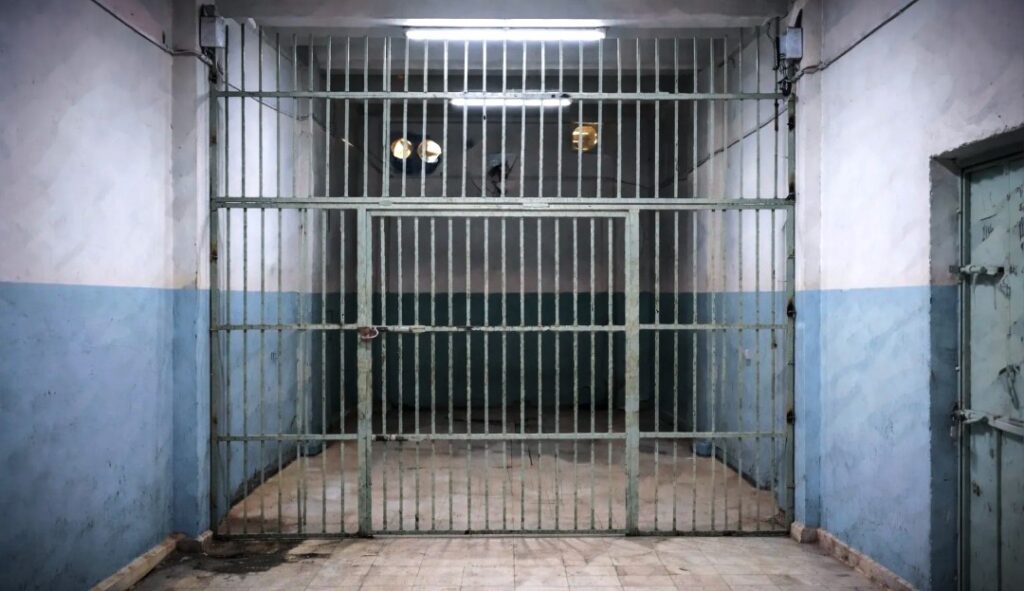
Tajik authorities have for the first time officially commented on the incident on January 31 at a detention facility in the city of Khujand. Tajikistan’s Prosecutor General, Khabibullo Vokhidzoda, disclosed details during a press conference in Dushanbe that was reported by Asia-Plus.

Vokhidzoda confirmed that an armed confrontation took place at the Khujand pre-trial detention center. According to him, three prisoners attacked facility staff while in the exercise yard.

The prosecutor general stated that the inmates used “various objects” to inflict bodily harm on staff members and assaulted another prisoner who was present. He said they ignored repeated demands to cease their actions and resisted, posing what he described as a serious threat to employees’ lives. As a result, the three prisoners were “neutralized” by security personnel.

“While in the Khujand pre-trial detention center, in the exercise yard, they attacked the facility’s staff using various objects, causing them bodily harm and even beating another prisoner who was there. They ignored the staff’s demands to stop their actions and resisted, posing a serious threat to the lives of the facility’s employees. In this situation, they were neutralized by staff members responsible for the security of the correctional facility,” Vokhidzoda said.

He emphasized that no staff members were killed, although they sustained injuries. He did not specify the number of injured employees.

According to the prosecutor general, the three inmates had previously been sentenced to 12 to 14 years’ imprisonment for terrorist and extremist offenses. He added that they had repeatedly violated prison regulations, leading a court to impose stricter detention conditions.

At the time of the incident, the prisoners were being temporarily held in the Khujand facility pending transfer.

A criminal case has been opened under Articles 332 and 365 of Tajikistan’s Criminal Code. “How it happened, why it happened, who did it, all these questions will be clarified during the investigation,” Vokhidzoda said.

This marks the first official confirmation of the incident. Earlier, Radio Ozodi reported on the events, citing sources who claimed casualties among both guards and inmates. At the time, journalists’ attempts to obtain official comment were unsuccessful. The Minister of Justice, whose ministry oversees correctional institutions, declined to comment.

The January 31 incident is not the first serious episode of violence in Tajikistan’s penitentiary system, including in Khujand.

In November 2018, a large-scale riot erupted at maximum-security prison 3/3 in Khujand. According to official data, 21 prisoners were killed during efforts to restore order. Two prison staff members were also killed and five guards were seriously injured.

On February 3, 2025, unrest broke out at correctional facility No. 3/2 in the town of Vahdat, commonly known as “Kirpichny.” Official reports stated that three prisoners and three employees, including the prison director, were killed.

On May 19, 2019, another riot occurred at the same Vahdat facility. According to official information, 30 inmates armed with knives and other sharp objects seized three employees and killed them. Five prisoners were also killed. During the subsequent suppression of the riot, 29 inmates died. Among those killed was 18-year-old Bekhruz Khalimov, the son of former riot police commander Gulmurod Khalimov, who later joined ISIS.

Following that riot, the Supreme Court extended the sentences of 28 convicts found responsible for organizing the unrest.

Over the years, there have also been attempted prison escapes in Tajikistan. According to official accounts, most ended in failure, with organizers either killed or recaptured.

Opinion – The “Board of Peace” and Afghan Diplomacy: A View from Kabul

A new trend is becoming increasingly apparent in global politics: key decisions are being discussed not only within traditional international institutions but also through more flexible political and diplomatic formats. One such initiative is the announcement of the creation of the “Board of Peace” by U.S. President Donald Trump, a structure that, according to its authors, is intended to provide an alternative mechanism for conflict resolution.

Reactions have been mixed. Some states view the new platform as an opportunity to enhance the effectiveness of peace efforts; others warn that it could weaken existing institutions, particularly the United Nations, and contribute to a gradual shift toward closed political groupings in which participants’ strategic interests outweigh universal rules.

At its core, this debate reflects the possibility of a deeper transformation of the international order. Whereas global security architecture was once built primarily around multilateral mechanisms, flexible coalitions and ad hoc alliances are becoming more prominent. In such a system, the role of states capable not only of adapting to change but also of offering independent diplomatic initiatives is growing.

It is in this context that Afghanistan is increasingly asking what role it can occupy in a new international configuration.

One of the key questions raised in Kabul’s expert community is straightforward: Will the current Afghan authorities be considered in emerging international mechanisms, including the Board of Peace?

There is no clear answer. Despite ongoing global discussions on security and economic cooperation, concrete decisions regarding Afghanistan remain limited. Frozen financial assets, sanctions, and uncertainty over the country’s international status continue to impede economic recovery and complicate integration into regional processes.

Against this backdrop, Afghan experts argue that the country should avoid remaining on the periphery of the evolving order and instead seek integration through sustained diplomatic engagement and regional cooperation.

Central Asia could play a particularly significant role in this process. The states of the region are potentially capable of mediating to reduce tensions between Afghanistan and Pakistan and of facilitating the resolution of a conflict that directly affects broader regional security.

Such a role appears logical for several reasons. Many Central Asian countries traditionally pursue pragmatic foreign policies, maintaining working relations with multiple centers of power while avoiding rigid geopolitical alignments. This approach has gradually shaped their reputation as relatively neutral and predictable partners.

The element of self-interest is equally important. Stability to the south is directly linked to border security, the development of transport corridors, energy projects, and trade. In this context, mediation is not merely a diplomatic gesture but an element of a long-term regional strategy.

Moreover, neutrality may prove to be Central Asia’s principal political asset. The region is not generally perceived as a direct party to the conflict and is therefore potentially well placed to offer a platform for dialogue.

At the same time, assuming such a role would require readiness to accept greater responsibility. Effective mediation presupposes regional coordination, institutional maturity, and the political will to engage more actively in security matters.

The emergence of initiatives such as the Board of Peace reinforces the relevance of this strategic choice. If the global system is indeed moving toward a more fragmented model, where political groupings and flexible alliances gain influence alongside universal institutions, the importance of regional diplomacy will inevitably increase.

In such circumstances, those able to create and sustain spaces for negotiation will benefit.

For Afghanistan to secure a more stable position in the evolving international architecture, internal measures will also be essential. These include strengthening domestic security, pursuing economic stabilization, building trust with neighboring states, expanding cooperation with international organizations, and enhancing decision-making transparency.

This is less about political declarations than about creating the conditions in which Afghanistan can be regarded as a predictable and responsible participant in regional processes.

Ultimately, the debate surrounding the function of the Board of Peace extends beyond a single initiative. It reflects a broader restructuring of international relations in which regional actors are gaining prominence.

For Central Asia, this may represent a window of opportunity, a chance to consolidate its role as a space for negotiation and diplomatic balance. For Afghanistan, it is an opportunity to avoid marginalization and instead become part of the emerging order.

The ability to seize this moment may well determine whether the broader region becomes a platform for de-escalation or remains merely an observer of developments unfolding around it.


The views expressed in this article are those of the author and do not necessarily reflect the official policy or position of the publication, its affiliates, or any other organizations mentioned.

Kyrgyzstan Ready to Act as a ‘Gateway’ for Tajik Goods to EAEU and EU Markets

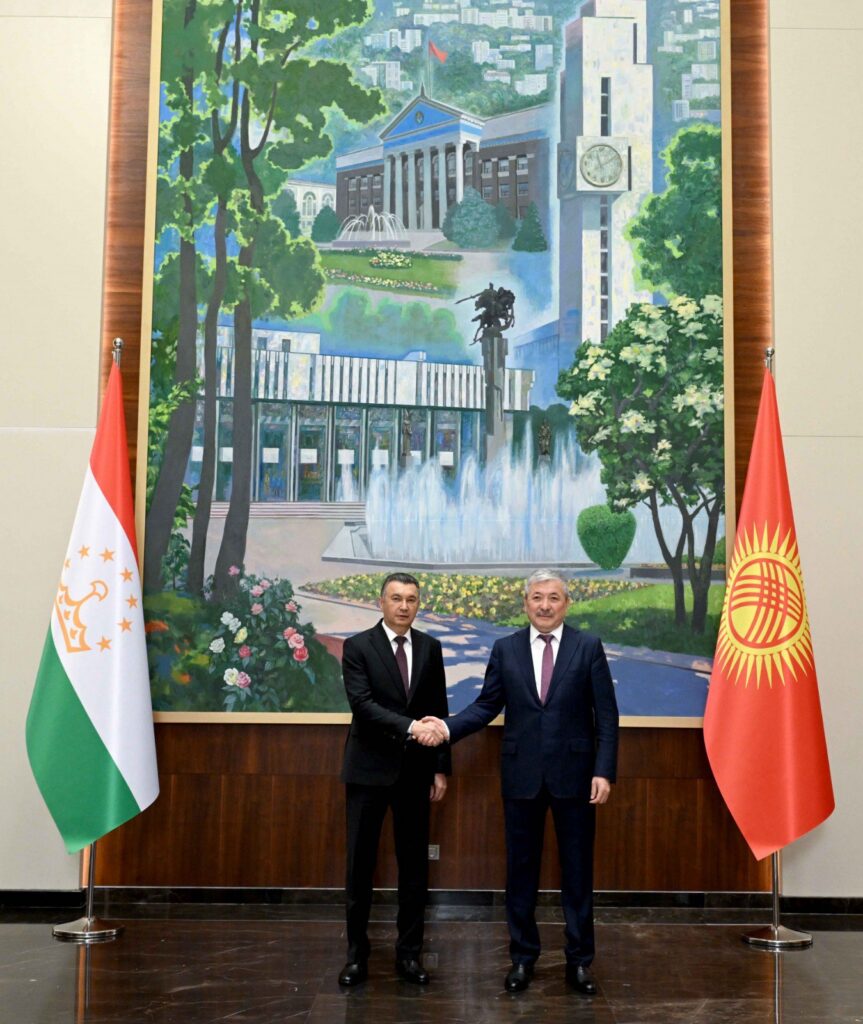
On February 13 in Bishkek, Chairman of the Cabinet of Ministers of Kyrgyzstan Adylbek Kasymaliev and Prime Minister of Tajikistan Kokhir Rasulzoda held the first meeting of the Kyrgyz-Tajik Intergovernmental Council.

Opening the session, Kasymaliev said that 2025 marked a historic milestone in bilateral relations, citing the completion of the delimitation process of the Kyrgyz-Tajik border. He described the agreement as “a decisive factor in strengthening security and stability not only in our countries but also in the entire region.”

Addressing trade and economic cooperation, Kasymaliev stated that Kyrgyzstan is ready to expand supplies of meat and dairy products, clothing and textiles, coal, glass, and sugar to Tajikistan.

According to official figures, bilateral trade turnover reached $36 million in 2025, representing a nearly 24-fold increase compared to 2024. Both sides have set a target of increasing annual trade to $500 million.

In the field of transport and logistics, Kasymaliev emphasized the need to improve border infrastructure and enhance the efficiency of checkpoints. Proposed measures include modernizing existing border crossings, expanding capacity, developing logistics and cargo terminals, and introducing digital solutions in customs and border administration.

“Kyrgyzstan is ready to act as a trade gateway for Tajik goods to the markets of the Eurasian Economic Union (EAEU), as well as the European Union through the Generalised Scheme of Preferences Plus (GSP+),” Kasymaliev said.

He also highlighted the strategic China-Kyrgyzstan-Uzbekistan railway project, which he said would significantly increase Kyrgyzstan’s transit potential and strengthen its role as a logistics hub in Eurasia. According to the Kyrgyz prime minister, the new transport corridor will create additional opportunities for Tajikistan.

Kasymaliev further noted positive dynamics in tourism cooperation. In 2025, 86,000 tourists from Tajikistan visited Kyrgyzstan, a 12-fold increase compared to 2024.

Kyrgyzstan reaffirmed its interest in developing joint tourism initiatives, including the possible introduction of a unified visa for third-country nationals traveling across Central Asia.

Rasulzoda stated that Tajikistan places particular importance on good-neighborly relations and mutually beneficial cooperation with Kyrgyzstan, confirming readiness to further strengthen the partnership.

As part of his visit to Bishkek, Rasulzoda toured a recently opened waste-to-energy plant constructed by a Chinese company. He described the facility as a promising example of modern waste recycling and expressed Tajikistan’s interest in implementing similar projects.

Uzbekistan’s Umarov Appointed to Board of World Motorsport Body

Otabek Umarov, the First Deputy Chairman of Uzbekistan’s National Olympic Committee, has become the first ever Central Asian to join the Senate of the Fédération Internationale de l’Automobile (FIA) – the governing body for motorsport and the federation for mobility organizations.

Umarov’s appointment to the FIA Senate ensures that there will be a Central Asian voice at the highest level of the motorsport industry. The FIA’s Senate controls the overall governance of the FIA and oversees the Federation’s financial and administrative matters, covering both sport and mobility. 

Umarov is married to Shakhnoza Mirziyoyeva, the youngest daughter of President Shavkat Mirziyoyev. He has spent several years as Deputy Head of the Uzbek State Security Service.

In addition to his role at Uzbekistan’s Olympic Committee, Umarov is the Vice President of the Olympic Council of Asia (OCA). In recent years he has led the modernization of the country’s sports infrastructure, which will bring major international events to Uzbekistan this year. Samarkand will host the World Triathlon Championship Series (25-26 April) and the 46th Chess Olympiad (15-28 September), while the World Aquatics Swimming World Cup will be held in Tashkent on 8-10 October. Uzbekistan has also been named host of the 2029 Asian Youth Games.

The country’s athletes are currently competing at the Winter Olympic Games in Milan.

Taxing the Gig Economy in Kazakhstan

Beginning in 2026, Kazakhstan plans to introduce enhanced oversight of citizens’ mobile transfers. Officially, the measure is framed as part of efforts to combat tax evasion. In practice, however, it represents a large-scale fiscalization of the gig economy, which employs hundreds of thousands of taxi drivers and couriers.

The primary focus of the campaign is workers on digital platforms, including ride-hailing and delivery services. The authorities classify them as individual entrepreneurs who underreport or conceal income. Yet the economic reality is more complex: for many, this is less a shadow economy than a form of concealed unemployment operating under the label of “self-employment.”

Hidden Unemployment Rather Than a Shadow Economy

In recent years, the gig economy in Kazakhstan has become structurally significant. Industry estimates suggest that hundreds of thousands of people now work through digital platforms, and the number continues to rise.

For most drivers and couriers, this is not supplementary income but their principal, and often only, source of earnings. The drivers of this trend are well known: limited job opportunities in many regions and a persistently high household debt burden. Elevated levels of consumer lending have compelled many citizens to seek fast, accessible sources of income, even where margins are thin.

At the same time, tax authorities treat these workers as entrepreneurs who deliberately avoid taxation. However, they lack core characteristics of independent businesses: they do not set tariffs, generate demand, or accumulate capital. Their status more closely resembles digitally mediated wage labor without corresponding social protections.

Tax on Turnover, Not Profit

Platform-based work is highly sensitive to additional costs. Digital aggregators typically retain commissions of 20-25% on each order. The remainder is not net profit but gross turnover, from which drivers must cover fuel, maintenance, depreciation, and other operating expenses.

Industry assessments indicate that a taxi driver’s net income after expenses rarely exceeds 40-50% of the order value. It is from this turnover that taxes are now expected to be withheld.

Under the proposed model, platforms would act as tax agents, automatically deducting payments from each transaction. Options under discussion include a flat 4% rate or a system combining fixed social contributions with a 1% income tax. These measures are presented by officials as simplifying compliance and reducing administrative burdens.

The central issue, however, is that taxation would occur before expenses are accounted for. For businesses with substantial profit margins, this may be manageable. For drivers operating on minimal profitability, it could prove critical.

Digital Control as a Point of No Return

Previously, some workers partially offset costs by accepting direct mobile transfers, operating in what officials describe as a “gray zone.” This avenue is set to narrow significantly.

Under the current financial monitoring framework, if an individual receives transfers from 100 or more different senders over three consecutive months, the information is automatically transmitted to tax authorities.

For taxi drivers, this threshold may be reached within days of active work. As a result, opportunities for informal adjustment are effectively disappearing.

Who Ultimately Bears the Cost

Digital platforms are unlikely to absorb the additional fiscal burden by lowering commissions. Their business models are tightly calibrated, leaving little room for voluntary margin reductions.

Consequently, the burden is likely to be redistributed in two primary ways: some drivers and couriers may exit the market, while prices for end consumers may rise. Both trends have been observed during previous periods of regulatory tightening.

Dynamic pricing algorithms respond to supply shortages by increasing fares. When the number of available drivers declines, prices tend to rise sharply rather than proportionally. In practical terms, this can make a standard trip or delivery one-and-a-half to two times more expensive.

Social Risks of Fiscalization

The social profile of gig workers heightens potential risks. Many are men aged 18-35, often with higher education, who have relocated from economically depressed regions to major cities. For them, platform work functions as a critical social and economic buffer.

A significant decline in real incomes among this group could accelerate marginalization. Previous instances of courier strikes, and driver protests demonstrate that these communities are capable of rapid mobilization.

Formalizing the gig economy is, in principle, a logical and necessary step. However, in its current configuration, the reform risks functioning as a tax on subsistence-level earnings.

Aggregators retain their commissions. Workers operating on minimal margins may leave the market. The ultimate costs may be borne by consumers through higher prices and inflationary pressure in the service sector.

Absent a more calibrated tax model that accounts for actual expenses and profit levels, fiscalization may generate socio-economic consequences that outweigh the anticipated budgetary gains.