• KGS/USD = 0.01144 0%
  • KZT/USD = 0.00212 0%
  • TJS/USD = 0.10456 0.19%
  • UZS/USD = 0.00008 0%
  • TMT/USD = 0.28490 0%
  • KGS/USD = 0.01144 0%
  • KZT/USD = 0.00212 0%
  • TJS/USD = 0.10456 0.19%
  • UZS/USD = 0.00008 0%
  • TMT/USD = 0.28490 0%
  • KGS/USD = 0.01144 0%
  • KZT/USD = 0.00212 0%
  • TJS/USD = 0.10456 0.19%
  • UZS/USD = 0.00008 0%
  • TMT/USD = 0.28490 0%
  • KGS/USD = 0.01144 0%
  • KZT/USD = 0.00212 0%
  • TJS/USD = 0.10456 0.19%
  • UZS/USD = 0.00008 0%
  • TMT/USD = 0.28490 0%
  • KGS/USD = 0.01144 0%
  • KZT/USD = 0.00212 0%
  • TJS/USD = 0.10456 0.19%
  • UZS/USD = 0.00008 0%
  • TMT/USD = 0.28490 0%
  • KGS/USD = 0.01144 0%
  • KZT/USD = 0.00212 0%
  • TJS/USD = 0.10456 0.19%
  • UZS/USD = 0.00008 0%
  • TMT/USD = 0.28490 0%
  • KGS/USD = 0.01144 0%
  • KZT/USD = 0.00212 0%
  • TJS/USD = 0.10456 0.19%
  • UZS/USD = 0.00008 0%
  • TMT/USD = 0.28490 0%
  • KGS/USD = 0.01144 0%
  • KZT/USD = 0.00212 0%
  • TJS/USD = 0.10456 0.19%
  • UZS/USD = 0.00008 0%
  • TMT/USD = 0.28490 0%

Kyrgyzstan’s Culture Ministry Wants to Fine People for Spreading “Disinformation” Online

Kyrgyzstan’s Ministry of Culture, Information, Sports, and Youth Policy has proposed issuing fines to people who promote ‘disinformation’ online.

According to the proposed amendments to the Code of Administrative Offenses, citizens who are found to have spread false information through media, websites, or social networks could be fined up to 100,000 KGS (about $1,200). For legal entities, the amount will be 200,000 KGS (about $2,400).

The ministry emphasized that in recent years there has been an increase in cases where false information on the internet has led to conflicts and a deterioration in public sentiment. However, this has sparked debate in society and among human rights activists, who fear that such measures could limit freedom of expression and lead to the control of journalists and internet users.

The ministry had previously proposed other amendments, which would allow fines to be imposed for libel and slander in the media and online.
Gold Coin From Ancient Abbasid Caliphate Found in Turkmenistan

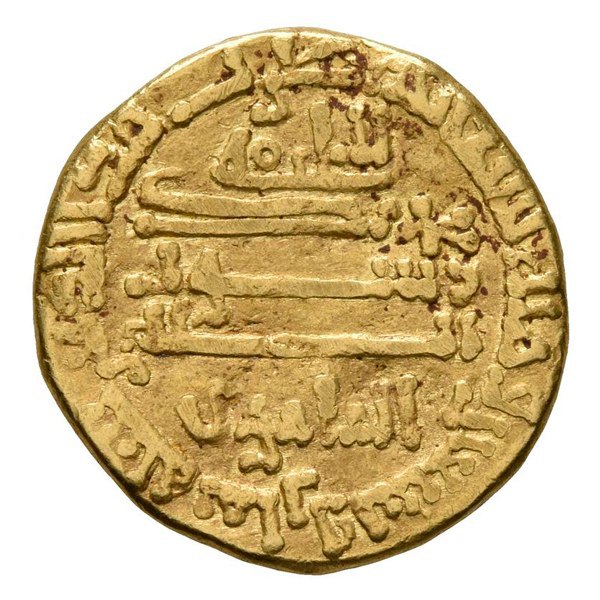
A local history museum in the Mary region of Turkmenistan has received a gold coin dating from the 9th or 10th century. The museum’s director, Yazgul Tirkishova, has said that the dinar coin was donated by a resident of the village of Zakhmet named Nurmuhammed Babayev.

The gold dinar comes from one of the largest empires of the Islamic world, the Abbasid Caliphate. The Caliphate emerged in the 7th century and stretched from Spain to India; its gold currency was a sign of its power and prosperity. Coins of this type, weighing 4.25-4.27 grams and containing quotations from the Qur’an, became the standard of coinage for centuries.

The acquisition of the dinar is a significant event for Turkmenistan’s historians. The staff at the museum intend to thoroughly study the coin, compare it with other known specimens, and possibly discover new facts about the region’s life and culture during the Abbasid era.

The study of such artifacts helps modern scholars gain a deeper understanding of the complex history of the Islamic world, its economy, and culture and assess the Abbasid Caliphate’s influence on world history.

Afghan Military Aircraft to Remain in Uzbekistan, Taliban Protests

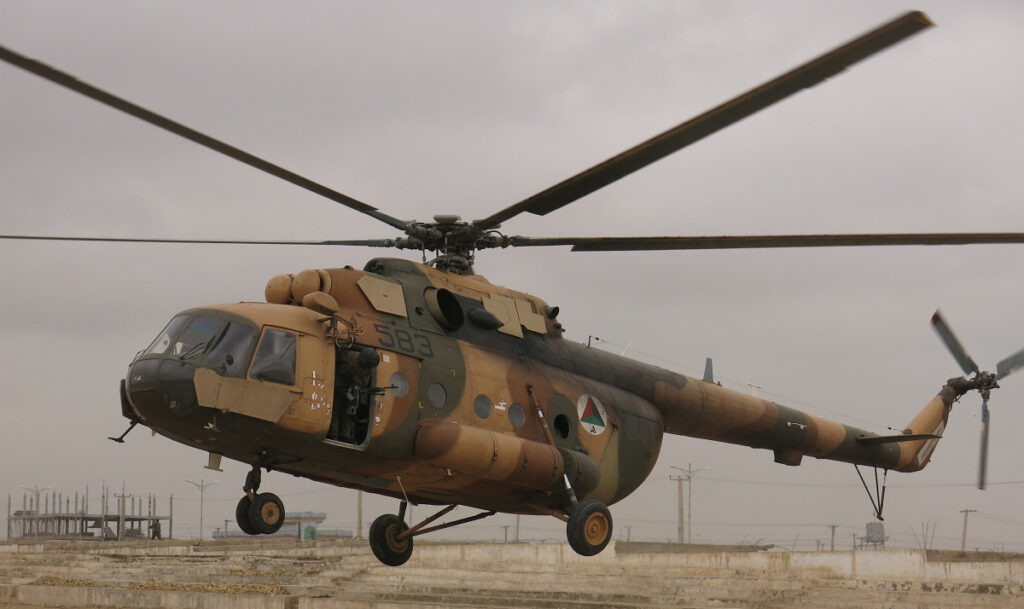
The U.S. Ambassador to Uzbekistan, Jonathan Henick, has told the Uzbek publication, Kun.uz, that the United States and Uzbekistan reached an agreement in 2021 on the fighter jets and military helicopters belonging to the army of Afghanistan that were flown by Afghan pilots from the country to Uzbekistan in 2021.

In answering the question of whether airplanes and helicopters will remain in Uzbekistan, Henick said that the “military equipment will remain in Uzbekistan; yes, it’s already official.” According to the diplomat, the parties have already started implementing a joint program in regards to the hardware.

The Ministry of National Defense of the Islamic Emirate of Afghanistan issued a statement regarding the opinion expressed by the U.S. Ambassador to Uzbekistan, stating that “Any deal regarding the fate of Afghanistan’s helicopters and planes in Uzbekistan is unacceptable”.

The Ministry of Defense of Afghanistan denied any deal had been struck, saying the United States “has no right to donate or seize Afghanistan’s property… The government of Uzbekistan is expected to refrain from any kind of transaction in this relationship and take a wise decision in consideration of good neighborly relations and cooperate in handing over the planes of the Afghan Air Force.”

According to Afghan media, before the Taliban seized power in August 2021, there were 164 warplanes, and now there are 81. Pilots from the Afghan Air Force also managed to transport planes and helicopters to Tajikistan.

Twenty-two military planes and 24 helicopters (Embraer EMB 314 Super Tucano, UH-60 Black Hawk, MD-530, PC-12, and Mi-17) with 585 Afghan servicemen on board crossed Uzbekistan’s airspace.

The Taliban has made several statements to the effect that these aircraft are the property of Afghanistan and should be returned. However, the Uzbek authorities have stated that the planes and helicopters are now under the jurisdiction of the United States.

This issue comes as a thorn in the side of recent good relations between Uzbekistan and Afghanistan.

ADB New Partnership Strategy for Uzbekistan Focuses on Transition to Green Economy

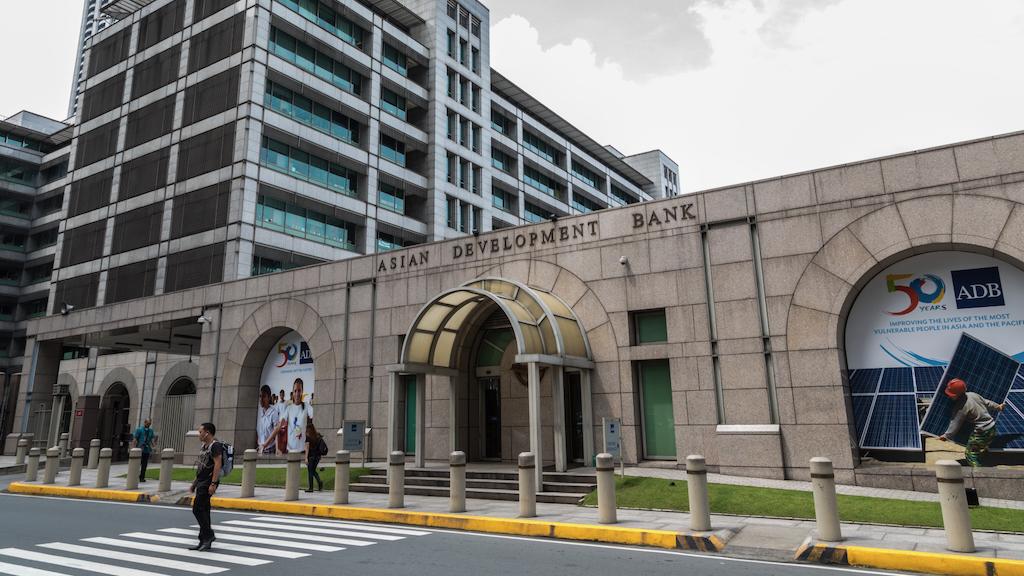
On August 27, the Asian Development Bank (ADB) announced the launch of a five-year country partnership strategy for Uzbekistan from 2024 to 2028. The strategy will support the country’s reforms to transform into a green and inclusive economy.

Aligned with the government’s priorities in its long-term development plan, known as “Uzbekistan-2030,” the ADB strategy will assist the Uzbek government in facilitating the country’s transition to a green economy, supporting private sector development and competitiveness, and promoting investments in human capital.

ADB’s Director General for Central and West Asia, Eugene Zhukov, commented: “ADB’s new partnership strategy for Uzbekistan will support the country in achieving its strategic goals in transitioning to a green economy by 2030. As a long-term trusted partner of Uzbekistan, ADB remains committed to helping the country sustain its robust economic expansion and reduce poverty even amid external global and regional shocks.”

The new strategy provides ADB interventions in various sectors, including energy, public sector management and governance, finance, transport, agriculture and natural resource management, and urban development. The bank will also support development in education and social protection.

ADB will strengthen macroeconomic and fiscal reforms, as well as the transformation and preparation of state-owned enterprises for privatization. The bank will support private sector engagement in economic development, including improvements to the domestic financial markets and infrastructure investments.

ADB support will focus on improving the quality and inclusivity of education and skills development in Uzbekistan, enhancing access to health and social services, and encouraging greater private sector participation.

ADB will also continue its partnerships with Uzbek civil society organizations to combat climate change, invest in people, advocate for gender equality, and support vulnerable groups.

Since 1995, ADB has provided Uzbekistan $12.5 billion worth of loans, grants, and technical assistance.

Tajikistan Sending Higher Volumes of Irrigation Water to Kazakhstan

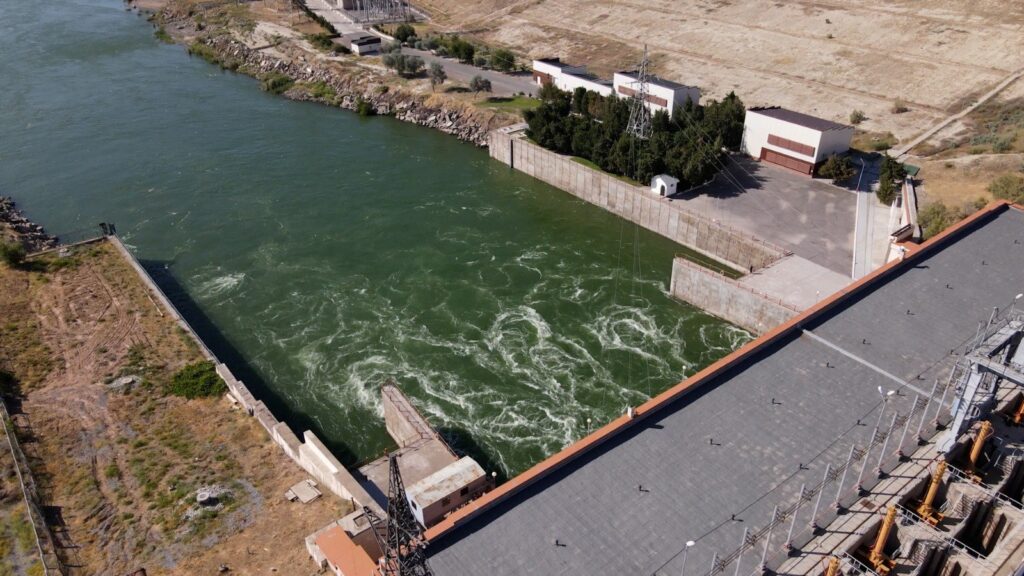
Since June 1, Tajikistan has sent 488.6 million cubic meters of water to Kazakhstan via the transboundary Dostyk canal. This is 40 million cubic meters more than in the entirety of last year, and is already 45 million cubic meters more than the volume planned for this year, the Kazakh Ministry of Water Resources and Irrigation announced on August 27.

During his state visit to Tajikistan on August 22, Kazakhstan’s President Kassym-Jomart Tokayev emphasized the importance of cooperation with Tajikistan in the water sector and the rational use of resources of transboundary rivers of Central Asia.

Kazakhstan’s agriculture, especially in the dry southern regions, depends on irrigation water supplies from upstream Tajikistan, Kyrgyzstan, and Uzbekistan.

According to the Ministry of Water Resources, since April 1, Uzbekistan has sent over 4 billion cubic meters of water to Kazakhstan via the Syr Darya River. Kyrgyzstan has committed to supply Kazakhstan with 180 million cubic meters of water via the transboundary Shu River, and 380 million cubic meters via the Talas River.

South Korea Helps Launch A New Payment System in Kyrgyzstan

On August 27, a Kyrgyz-Korean joint company, BC Card Kyrgyzstan, officially opened as a partnership between the leading South Korean companies BC Card and Smartro and the Interbank Processing Center of Kyrgyzstan.

The chairman of Kyrgyzstan’s Cabinet of Ministers, Akylbek Japarov, attended the opening ceremony and made the first payment in the BC Card Kyrgyzstan system.

In his speech, Japarov emphasized the importance of this event for further developing the country’s financial infrastructure.

“The company was created to modernize and adapt the advanced payment processing system developed by BC Card Korea to the conditions of the financial market of Kyrgyzstan. The company’s main objective is to ensure optimal processing of domestic payments using cards of international payment systems and managing the business of POS terminals and payment services within Kyrgyzstan,” he said.

The head of the Cabinet of Ministers added that in recent years, the government has consistently supported the development of non-cash payments in Kyrgyzstan.

“The development of non-cash payments is not only a step towards modernizing our economy, but also towards strengthening financial security and increasing financial inclusion,” Japarov stated.