• KGS/USD = 0.01144 0%
  • KZT/USD = 0.00213 0%
  • TJS/USD = 0.10456 0.19%
  • UZS/USD = 0.00008 0%
  • TMT/USD = 0.28490 0%
  • KGS/USD = 0.01144 0%
  • KZT/USD = 0.00213 0%
  • TJS/USD = 0.10456 0.19%
  • UZS/USD = 0.00008 0%
  • TMT/USD = 0.28490 0%
  • KGS/USD = 0.01144 0%
  • KZT/USD = 0.00213 0%
  • TJS/USD = 0.10456 0.19%
  • UZS/USD = 0.00008 0%
  • TMT/USD = 0.28490 0%
  • KGS/USD = 0.01144 0%
  • KZT/USD = 0.00213 0%
  • TJS/USD = 0.10456 0.19%
  • UZS/USD = 0.00008 0%
  • TMT/USD = 0.28490 0%
  • KGS/USD = 0.01144 0%
  • KZT/USD = 0.00213 0%
  • TJS/USD = 0.10456 0.19%
  • UZS/USD = 0.00008 0%
  • TMT/USD = 0.28490 0%
  • KGS/USD = 0.01144 0%
  • KZT/USD = 0.00213 0%
  • TJS/USD = 0.10456 0.19%
  • UZS/USD = 0.00008 0%
  • TMT/USD = 0.28490 0%
  • KGS/USD = 0.01144 0%
  • KZT/USD = 0.00213 0%
  • TJS/USD = 0.10456 0.19%
  • UZS/USD = 0.00008 0%
  • TMT/USD = 0.28490 0%
  • KGS/USD = 0.01144 0%
  • KZT/USD = 0.00213 0%
  • TJS/USD = 0.10456 0.19%
  • UZS/USD = 0.00008 0%
  • TMT/USD = 0.28490 0%

Japan to Offer Aid to Central Asia

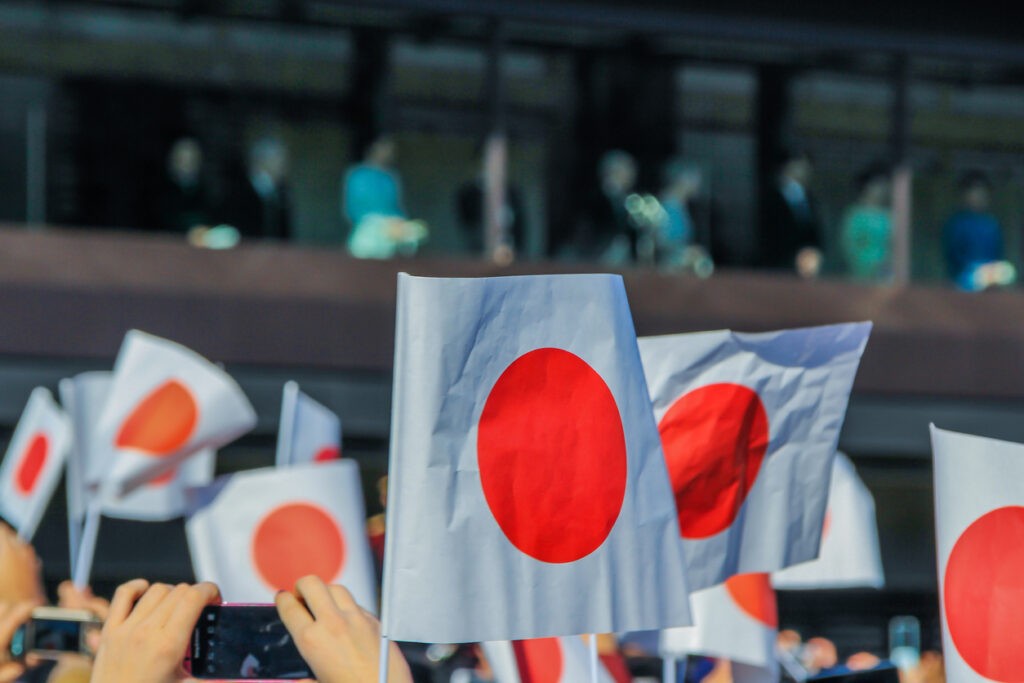
Japanese Prime Minister Fumio Kishida is set to announce an economic aid package for Central Asia.

According to The Japan Times, details will be revealed during the Japanese prime minister’s meeting with heads of  the five Central Asian states during his visit to Uzbekistan, Kazakhstan, and Mongolia from August 9 to 12.

Tokyo is seeking to strengthen ties with the region by helping to create a trade route across the Caspian Sea that would link Central Asia and Europe, bypassing Russia. According to the Japanese government, the initiative will reduce the heavy influence of both Russia and China on the region and afford Central Asia economic independence.

Kishida is expected to announce the economic support package in a joint statement following the six-party summit in Kazakhstan on  implementing a new trade route, helping to decarbonize the economy, and promoting people-to-people exchanges.

Japanese companies will also help Kazakhstan and other Central Asian countries reduce their dependence on coal by providing technology and loans to develop natural gas production and processing. In exchange, the Central Asian states will send skilled labor to Japan.

Turkmenistan and Afghanistan Accelerate Their Cooperation on Torghundi-Sanabar Railroad

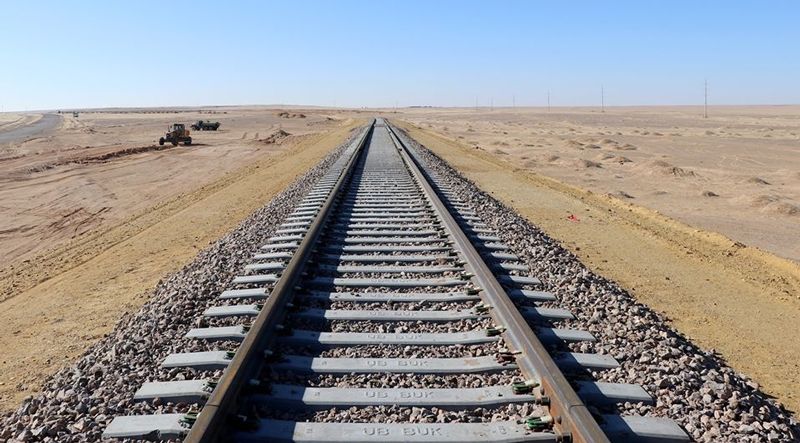
A group of managers from Turkmen Railways (Turkmendemiryollary) visited Afghanistan this week to discuss railway infrastructure projects.

High on the agenda was the construction of a goods warehouse at Torghundi station, and the first stage of the Torghundi-Sanabar section of the Torghundi-Herat railroad.

During the visit, the Turkmen delegation held talks with the head of the Afghan Railway Authority, Bakht-ur Rahman Sharafat. They discussed railroad connections between the two countries, including a joint plan for the Torghundi-Sanabar project.

On July 29 there were talks with the Afghan Cabinet of Ministers’ deputy head for economic affairs. The Afghan official approved the allocation of land for the warehouse complex, and signed off the Torghundi-Sanabar project.

The head of Afghanistan’s Herat province, Nur Mohammad Islamjar, has commented that these projects will contribute to Afghanistan’s economic stability, and stimulate Herat’s industrial development.

As part of the visit, an agreement was also reached to establish a working group to increase cargo transportation between the two countries.

Afghanistan is interested in transporting its goods along the Lazurite Corridor (a trade route that passes through Afghanistan, Turkmenistan, Azerbaijan, Georgia and Turkey), and announced that it would conduct a tariff analysis.

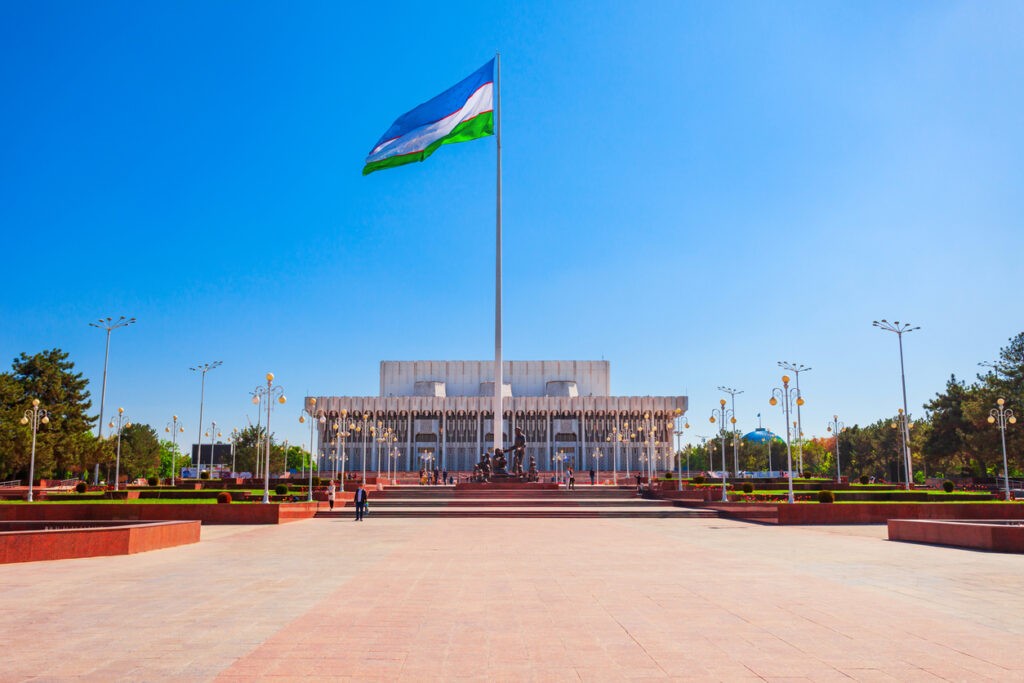
IMF estimates Uzbekistan’s GDP at Over $100 Billion

According to a recent assessment by the International Monetary Fund (IMF), Uzbekistan’s nominal GDP increased by $10.7 billion (125.6 trillion UZS) in 2023, and now stands at $101.6 billion (1,192.2 trillion UZS).

IMF analysts noted that the informal economy is a comprehensive direction. Changes in the structure of the country’s economy by sector were discussed after the socio-economic indicators were recalculated, taking into account the informal and hidden sectors.

Koba Gvenetadze, the IMF Resident Representative in Uzbekistan, said: “Uzbekistan is transforming its economy towards a market economy, and this is a long journey. We provide all possible assistance to our Uzbek colleagues in many areas of statistical calculation and analysis. The technical assistance that IMF experts can provide is also of interest to us because it will allow us to access data on the current state of statistics in the country. Based on this, we will see the dynamics of economic development.”

As stated in the report, more details about this study’s results will be announced at a press conference at the Agency for Information and Mass Communications on August 6th.

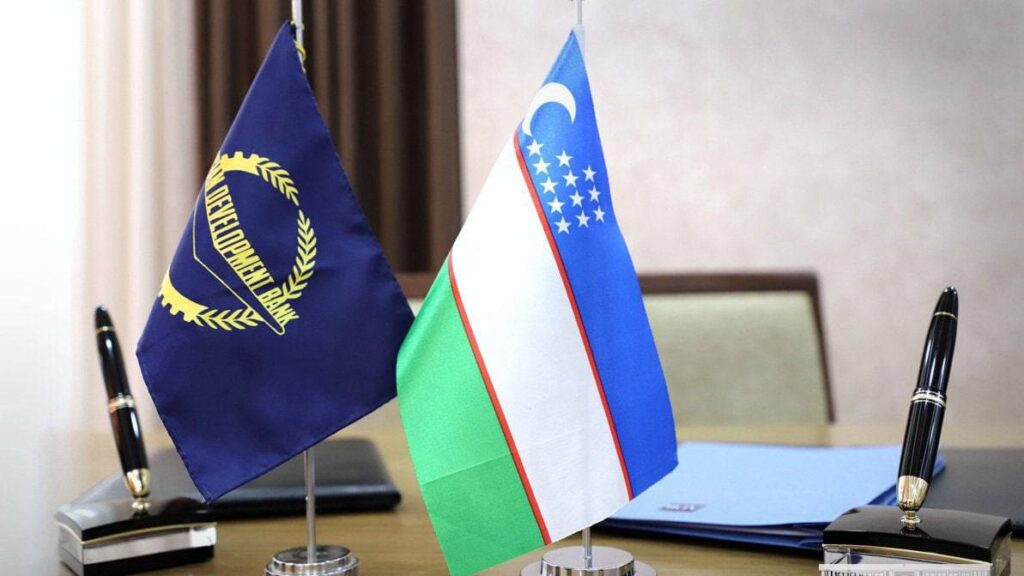
ADB to Provide $400 Million to Uzbekistan for Energy Reform

The Asian Development Bank (ADB) has approved two loans totaling $400 million to support the Government of Uzbekistan’s initiatives to strengthen the country’s financial markets and develop a sustainable market-oriented energy sector.

General Director of the ADB for Central and West Asia, Yevgeniy Zhukov emphasized that the active participation of the private sector is very important for Uzbekistan’s economic growth and transformation. “Reforms supported by these programs will help shape an enabling environment for regulators and firms to play their part in boosting development by building robust domestic financial markets and addressing energy needs while tackling climate change,” Zhukov stated.

A $300 million loan for subprogram 2 of the Power Sector Reform Program will provide budget support for policy actions to improve the power sector’s structure, legal and regulatory framework, and governance to encourage private sector investment and promote financial sustainability.

A $100 million loan for subprogram 2 of the Financial Markets Development Program will support regulatory and institutional reforms focused on improving market facilitation to streamline financial transactions and services and increase supply and demand measures to grow Uzbekistan’s capital and money markets.

The ADB had previously approved a $100 million soft loan to help Uzbekistan improve perinatal health services for pregnant women and newborns.

Uzbekistan became a member of the ADB in 1995, and since then, the bank has provided the country with loans, grants, and technical assistance totaling $12.5 billion.

Natural Disasters Have Cost Tajikistan $12 Million So Far This Year

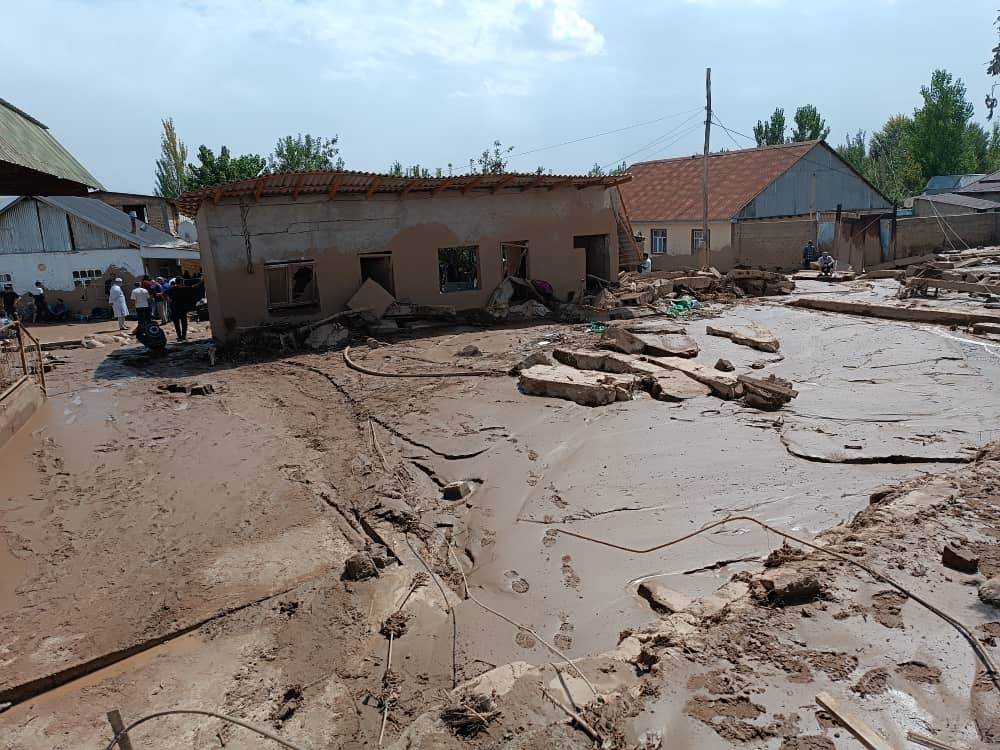
The head of Tajikistan’s committee for emergency situations and civil defense, Rustam Nazarzada, has said at a press conference that the economic damage caused by natural disasters in the country this year has amounted to over $12 million.

Floods, landslides, heavy rains, avalanches, rockfalls, and earthquakes, which have claimed over 100 lives this year, have also caused considerable damage to Tajikistan’s economy and private sector. Nazarzoda said that 532 emergency cases were registered during this period, 57 more than last year.

Kyrgyzstan to Ban Plastic Bags

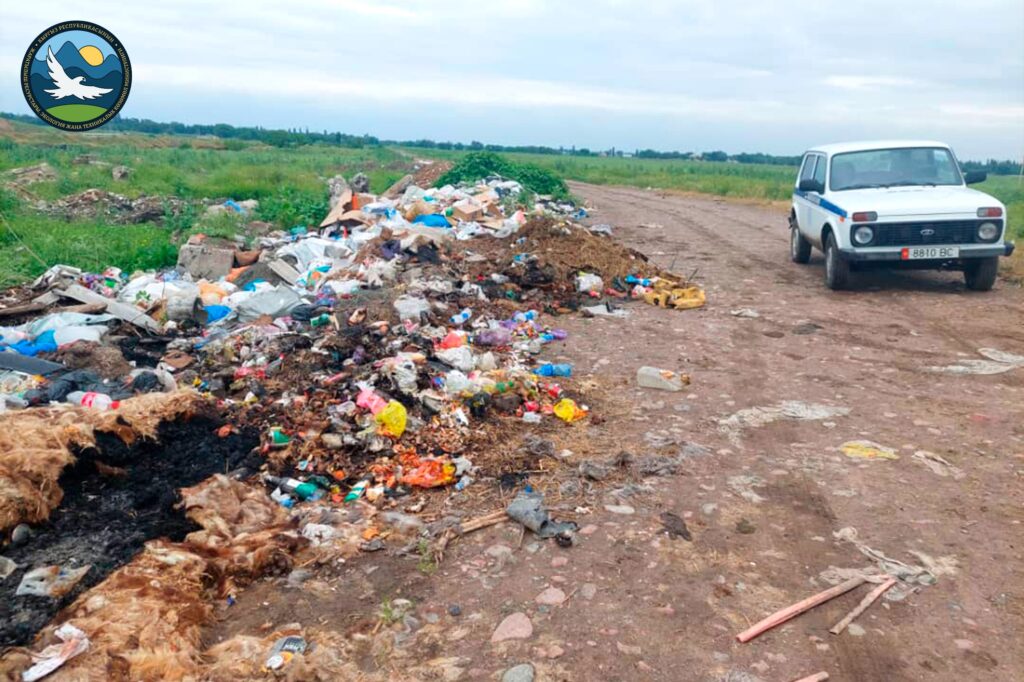
Following a ban of plastic bags in biosphere reserves and natural protected areas on June 1 2024, Kyrgyzstan is to prohibit their production, sale and distribution nationwide, from 2027 onwards.

Regarding the move, the Ministry of Natural Resources of the Kyrgyz Republic stated: “Plastic and the pollution it causes, is detrimental to human health. Plastic enters the human body as micro- and nano-particles through food, packaging, water, and air. Plastic waste continues to pollute the environment at the disposal stage, and waste disposal workers suffer, especially from close contact with burning plastic.”

Asel Raimkulova, Deputy Minister of Natural Resources, Ecology and Technical Supervision of Kyrgyzstan, told the Times of Central Asia that whilst the use of plastic products which can be recycled within the country is under review and likely to continue, the ban on plastic bags throughout the country is absolute.

Deputy ministers however, have opposed the use of plastic bottles but said that given the lack of alternatives available to Kyrgyz bottling companies, some exceptions will be made.

According to eco-activists, Kyrgyzstan has some 80 plants to recycle plastic but since seven out of ten supermarket products are now fully or partially packaged in plastic, they do not have the capacity to process the ever-increasing volume of waste.
“For example, in Kyrgyzstan, tetra paks—multi-layer juice or milk cartons that, at first glance, look like cardboard—are not recyclable. In addition to cardboard, such packaging contains a layer of aluminum and several layers of polyethylene. And separating them from each other is not easy,” stressed activists of the environmental movement Peshcom.