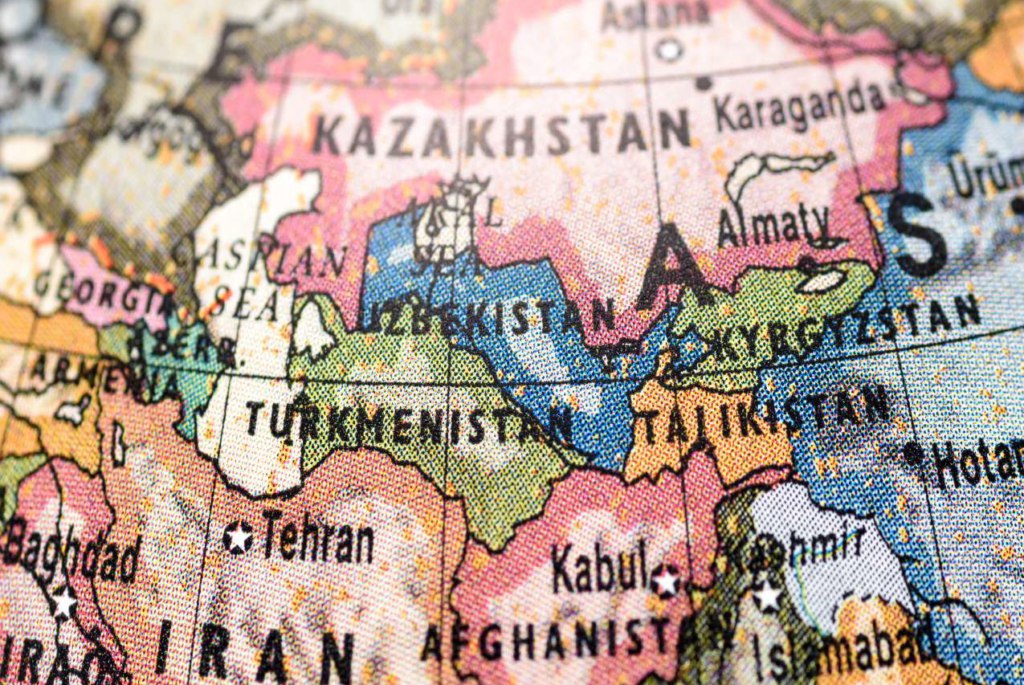
The Kazakh government plans to accelerate the second phase of the project to restore the Northern Aral Sea. Prime Minister Olzhas Bektenov has instructed the Ministry of Water Resources and Irrigation to secure financing for the second phase of the project by the end of 2026. The goal is to increase the volume of water in the Northern Aral Sea by around 10–11 billion cubic meters over the next four to five years.
History of Degradation and Early Restoration Results
The Aral Sea, which straddles the border between Kazakhstan and Uzbekistan, began to shrink rapidly in the 1960s due to large-scale irrigation projects that diverted water from the Amu Darya and Syr Darya rivers for cotton cultivation and other agricultural needs.
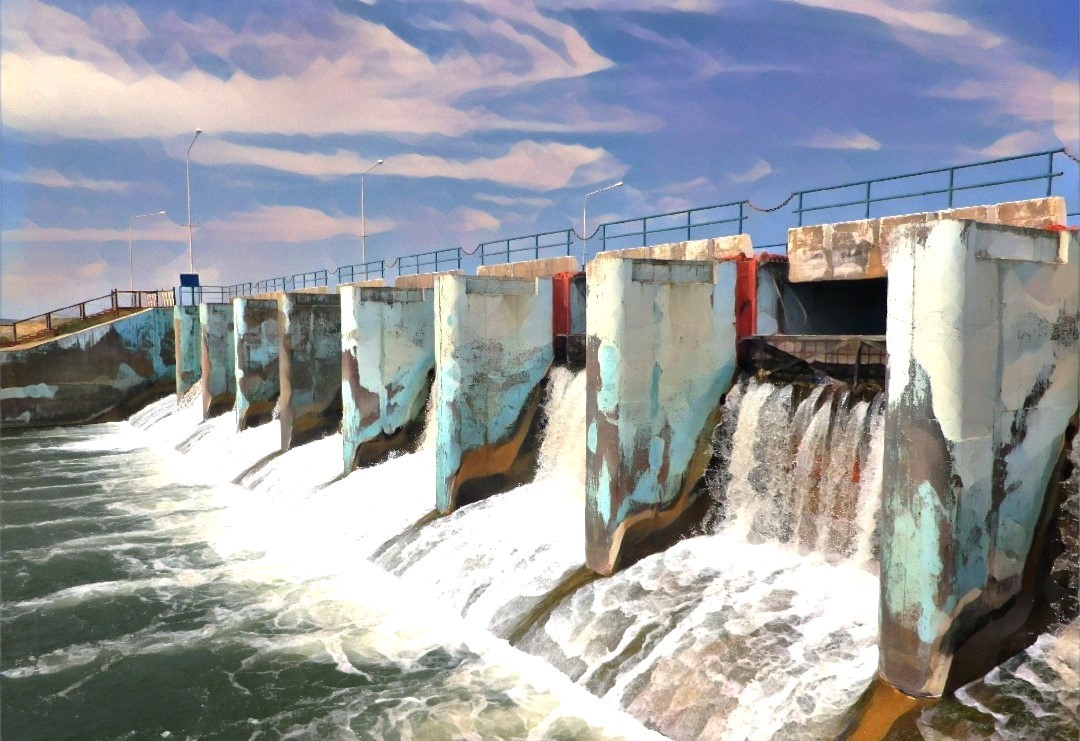
As a result of the sea’s degradation, the Northern Aral Sea separated in 1987 and has since been sustained largely through the construction of the Kokaral Dam. In 2012, the sea and the Syr Darya delta were added to the Ramsar List of Wetlands of International Importance. Since then, Kazakhstan has undertaken systematic efforts to restore the northern part of the former Aral Sea.
Unlike earlier efforts to save the Aral Sea as a whole, Kazakhstan’s approach since the mid-2000s has been shaped by a narrower and more pragmatic premise: that partial restoration is environmentally and politically achievable, while attempts to revive the entire basin are not. The construction of the Kokaral Dam marked a turning point, demonstrating that targeted hydraulic interventions could stabilise water levels, reduce salinity, and revive fisheries in the northern basin, provided expectations were kept within achievable limits. The recovery has already enabled the return of small-scale fishing, improved local livelihoods, and reduced dust storms from the exposed seabed around Aralsk. This strategy reflected a deliberate acceptance that restoring the Northern Aral would come at the expense of the southern basin, prioritising long-term ecological viability over symbolic ambitions.
Over the past several years, roughly 5 billion cubic meters of water have been redirected into the Northern Aral Sea basin, increasing its total volume to more than 23 billion cubic meters. This exceeds the targets set out in Kazakhstan’s Water Resources Management Concept, which had forecast reaching 20.6 billion cubic meters by 2025, with that volume previously expected only by 2029.
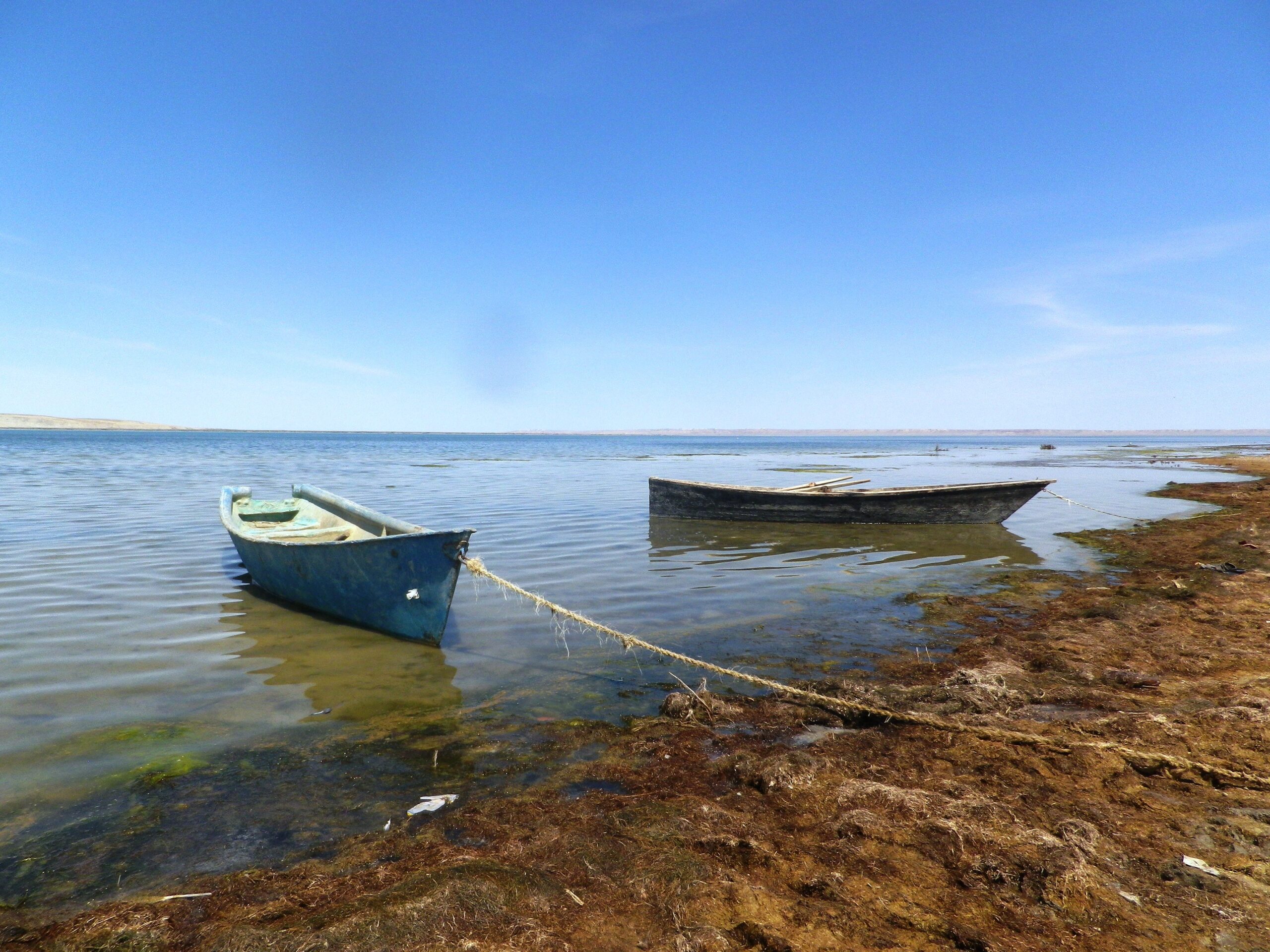
Tastubek Bay, Northern Aral Sea; image: TCA, Stephen M. Bland
Infrastructure Plans and International Support
With the support of the World Bank, Kazakhstan is considering raising the height of the Kokaral Dam by up to two meters and constructing a new hydraulic facility. These upgrades aim to increase both the volume and quality of water in the Northern Aral Sea, rehabilitate the Syr Darya delta, and reduce salt dispersion from the exposed seabed.
The second phase of the initiative targets increasing the sea’s volume to 34 billion cubic meters.
Bektenov has directed the Ministry of Water Resources and Irrigation to finalize technical preparations by mid-2026 and secure financing by the end of the year, including through international partnerships. The second phase of the project has long been discussed by policymakers and researchers but repeatedly delayed by technical and institutional uncertainty, including disagreements over dam height and the scale of the intervention required. Observers note that the original Kokaral design was deliberately conservative, leaving open the possibility of future expansion once ecological recovery and water inflows proved sustainable. The current decision to accelerate Phase II, therefore, represents less a change in direction than a delayed continuation of a strategy that has already reshaped the Northern Aral’s ecosystem.
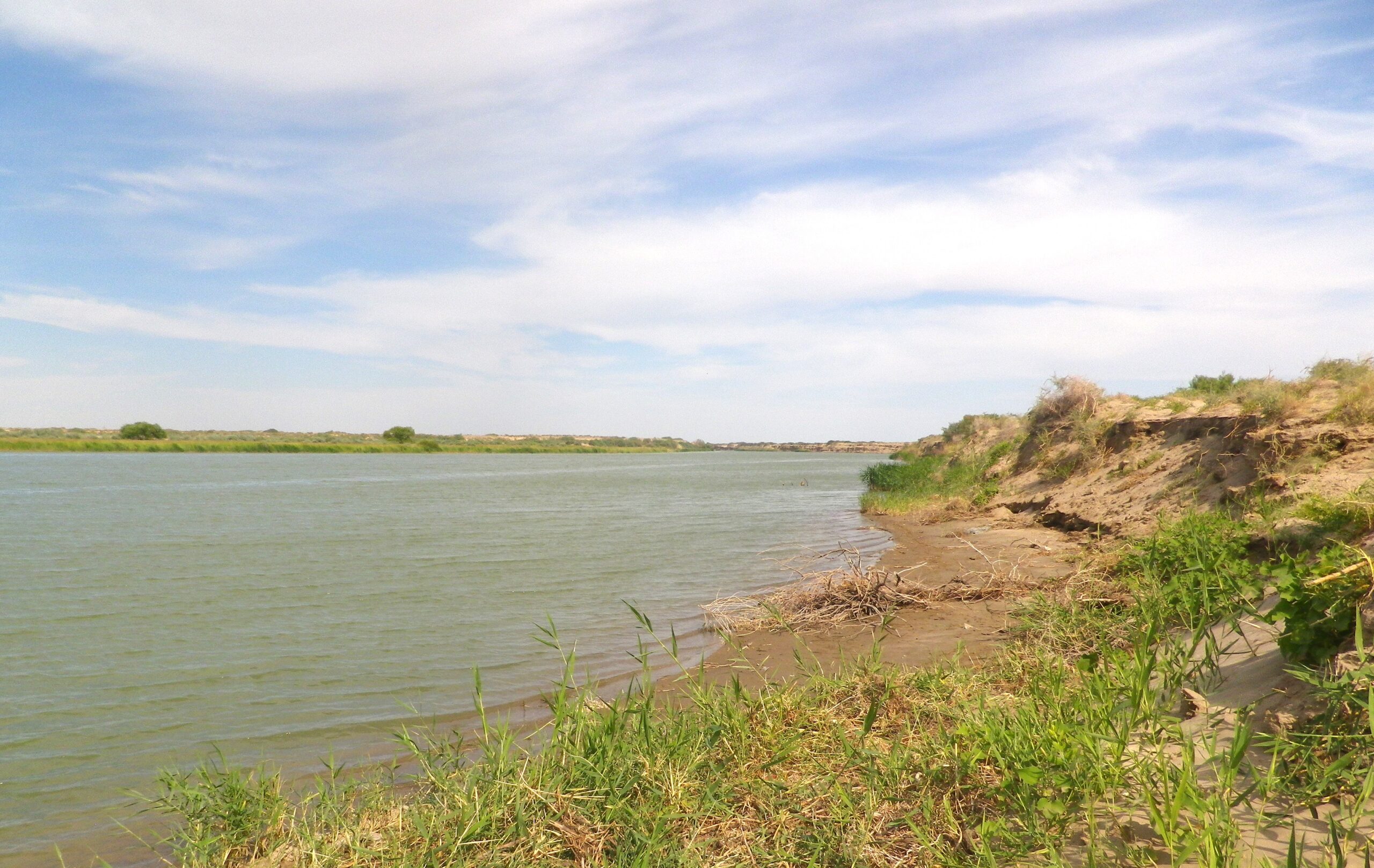
The Syr Darya delta; image: TCA, Stephen M. Bland
Details of Phase Two
Minister of Water Resources and Irrigation Nurzhan Nurzhigitov outlined the second phase, which is set to be completed within four to five years. Nurzhigitov said the second phase aims to increase the Northern Aral Sea’s volume from about 23 billion to 34 billion cubic meters, raise the water level to 44 meters, expand the surface area from roughly 3,065 to 3,913 square kilometers, and restore the Syr Darya delta ecosystem.
Nurzhigitov also said that improved water diplomacy and coordination with Uzbekistan have helped maintain stable inflows to the Aral Sea even during low-water periods.
Water Efficiency and Regional Sustainability
In parallel, the government is implementing large-scale irrigation infrastructure upgrades. In the Turkestan and Kyzylorda regions, according to the ministry, 167 projects are underway to improve water efficiency. The introduction of water-saving technologies across 143,100 hectares has already conserved approximately 500 million cubic meters of water, a portion of which is being used to sustain the Northern Aral Sea ecosystem.
“The preservation and restoration of the Northern Aral Sea remains not only an environmental issue, but also a social and strategic priority. Allocating conserved water to support ecosystems is an investment in regional sustainability and the health of future generations,” Nurzhigitov stated.
As previously reported by The Times of Central Asia, in December 2025, President Kassym-Jomart Tokayev proposed the creation of a dedicated United Nations body to address global water management challenges.
Authorities view the accelerated restoration of the Northern Aral Sea as a cornerstone of Kazakhstan’s long-term water security strategy and a potential model for regional cooperation in Central Asia.