




Kuandyk Bishimbayev Pleads Guilty to Negligent Homicide
The judicial inquiry into the case of Kuandyk Bishimbayev concluded on April 24 in Astana. Aitbek Amangeldy, the brother of Saltanat Nukenova, announced that further court dates are scheduled for April 29, 30, and May 2-4. Bishimbayev, who formerly served as Kazakhstan's National Economy Minister, faces allegations of murdering his partner Saltanat Nukenova in November 2023, at the Bau restaurant in Astana. He was detained on the day of the incident.
The trial commenced towards the end of March. Bishimbayev could receive a sentence ranging from 15 to 20 years to life imprisonment, depending on the severity of the crime as determined by the court. A jury will be instructed to reach a verdict regarding his culp...


The Art of Words: Writer Andrei Orlov Discusses the Development of Kazakhstan’s Literary Industry
Andrei Orlov is an acclaimed writer who has actively influenced the development of Kazakhstan’s literature through the creation of a community of writers and the organization of cultural events. In this interview, he offers his perspective of how the art of the written word shapes a nation’s cultural heritage and...

Kazakhstan Likely To Insist on Revisions to Kashagan Oil Contracts
Kazakhstan is demanding compensation for lost profits from the North Caspian Operating Company (NCOC), the consortium that manages the Kashagan oil field, and arbitration claims have risen to $150 billion. Sources close to Kashagan told The Times of Central Asia that this should send the message to western energy companies...

Disinformation Targets Kazakhstan’s Ties with China, Russia, and the U.S.
Over an eight-day period in April 2024, a barrage of news stories featuring rumors about Kazakhstan’s foreign policy permeated Chinese media. These dubious reports alleged that the U.S. had hyped an unverified leak from a Russian Duma official claiming Kazakhstan was engaged in covert negotiations to join NATO and suggested...

Kazakhstan: Floods Still a Threat, but Some Residents Returning Home as Waters Ebb
For weeks, it’s been a frantic grind of evacuations, pumping water and shoring up dams as Kazakhstan battles widespread floods. While the threat remains, water levels are declining in some areas and the country is working to help disaster victims in the long term. Some 22,700 people who fled their...
Kazakh News Publisher Says New Media Law Does Little for National Press
Kazakhstan's new law "On Mass Media," recently passed by its lower house of parliament (the Majilis), has agitated the country's reporters. In an interview with The Times of Central Asia, Dzhanibek Suleyev, the publisher of several news sites, remonstrates that the law should have been more supportive of the national press. An...

Development of Kazakhstan’s Cinematography: An Inside Look – An Interview with Kazakh Actor, Abay Kazbayev, on Kazakhstan’s Film Industry and its Prospects for Development
Kazakhstan's film industry is attracting more and more attention globally, and many talented actors are contributing to its development. One such theater and film actor is Abay Kazbayev, who agreed to share his experience and vision of the industry. How did you start in the industry? I have...
Central Asia’s Scorecard on Women’s Rights and Welfare
Women's rights differ significantly around the world, with progress varying greatly from one country to another. Some states have advanced gender equality significantly through strong legal systems and policies while others are hindered by cultural norms and a lack of political commitment. In Central Asia, each of the young nations...

Kazakhstan President Signs Landmark Legislation on Domestic Violence
On April 15, President Kassym-Jomart Tokayev signed into law amendments and additions passed by Kazakhstan’s parliament on April 11 on legislative acts and the code on administrative offenses on ensuring the rights of women and the safety of children. The initiative represents a first in the CIS in terms of...
Kazakhstan Welcomes Turkish Investors
21 hours ago
Kazakhstan and the Taliban Discuss Transport Links
21 hours ago
Azerbaijan and Armenia to Hold Talks in Kazakhstan
22 hours ago
Kazakhstan Repurposing Floodwater
3 days ago
Kazakh News Publisher Says New Media Law Does Little for National Press
Kazakhstan's new law "On Mass Media," recently passed by its lower house of parliament (the Majilis), has agitated the country's reporters. In an interview with The Times of Central Asia, Dzhanibek Suleyev, the publisher of several news sites, remonstrates that the law should have been more supportive of the national press. An...

No Lessons Being Learned From Kazakh Floods, Says Political Analyst
Kazakhstan has been prone to flooding before, but the 2024 Kazakh floods have added a catastrophic page to the chronicles. Political analyst Marat Shibutov tells The Times of Central Asia that only extremely tough measures can motivate ministers and akims (local government executive) to actually work on flood prevention. ...
Will Europe Learn Lessons From Central Asian Gas Failures to Secure Oil Imports Bypassing Russia?
Despite loud statements and reports, alternative routes for transporting oil from Kazakhstan and Central Asia to Europe remain only intentions. The desire of the EU to diversify its hydrocarbon suppliers is running into internal bureaucracy and a lack of understanding of how things work in Central Asia, which is in...
The Middle Corridor: How Kazakhstan is Carving its Niche in Europe-Asia Transport
In the aftermath of the pandemic and amid rising geopolitical tensions and sanctions – leading to the breakdown of traditional shipping and logistics chains – the need to develop new, alternative routes for trade has gained particular importance. One such route is the Middle Corridor, or Trans-Caspian International Transport Route,...
What Bank Loan Data Can Tell Us About Kazakh Business in 2023
After being severely tested by the pandemic in 2020-21, several thousand companies in Kazakhstan closed due to decreased demand and supply chain disruptions. Though the problems of local businesses began long before the pandemic, the two years of lockdown wiped out many good players and made those that survived more...
Creation of Kazakhstan–Azerbaijan “Supreme Interstate Council” Marks New Era of Cooperation
Diplomatic relations between Kazakhstan and Azerbaijan have developed dynamically since they were first established in August 1992, and have increased over the past 20 years, and grown especially since 2017. Over the last decade, the number of high-level visits in both directions have been rising to the point where they...
Religion in the Cities of Kazakhstan – Opinion by Gulmira Ileuova
The research discussed in this article was conducted in July-August 2023 by the Strategy Center for Sociological and Political Studies Public Foundation in collaboration with the office of the Rosa Luxemburg Foundation in Central Asia. A total of 1,604 people were surveyed in six cities. Since the goal of the...
Nurturing Global Partnerships – Opinion by the Minister of Science and Higher Education of the Republic of Kazakhstan, Sayasat Nurbek
Kazakhstan, a sprawling and culturally diverse nation nestled in Central Asia, has strategically embraced a multi-vector policy across its foreign relations, economic strategies, and governance. At the heart of this strategy lies Kazakhstan's multi-vector policy in education, a forward-thinking initiative that underscores the nation's commitment to diversification, international collaboration, and...
Exclusive: Breaking Down Kazakhstan’s Claims Against International Oil Consortiums
The total amount of claims brought against the consortiums, North Caspian Operating Company (NCOC) and Karachaganak Petroleum Operating (KPO) is the largest in the history of Kazakhstan. In March 2023, PSA LLP, the authorized state institution overseeing these projects, brought forward claims in international arbitration in relation to Kashagan and...
Time for the U.S. to Cement a “Nuclear-Weapon-Free” Central Asia
The Central Asian Nuclear-Weapon-Free Zone (CANWFZ) Treaty, which came into force in 2009, represented a significant advance in international efforts to limit nuclear proliferation. Initiated by the five Central Asian countries—Kazakhstan, Kyrgyzstan, Tajikistan, Turkmenistan, and Uzbekistan—it aims to enhance regional and global security by guaranteeing that the region remains free...
How Kazakhs see their personal and national well-being at the end of 2023
In December 2023, I was asked quite frequently whether, in my view, protests like the ones that took place across Kazakhstan in January 2022 were again possible. Based on previous sociological data, I answered that they were most likely not: Throughout 2021 – largely due to the pandemic – social...
Kazakhstan Shapes an Ambitious Future
As Kazakhstan continues on its path towards economic expansion and modernization, it has set forth a revitalization and growth vision for 2024 and beyond, underpinned by a series of ambitious reforms and strategic investments. A central part to President Kassym-Jomart Tokayev’s vision, which he also detailed in a government meeting...
British Companies Enter Commercial Agreements with Kazakhstan
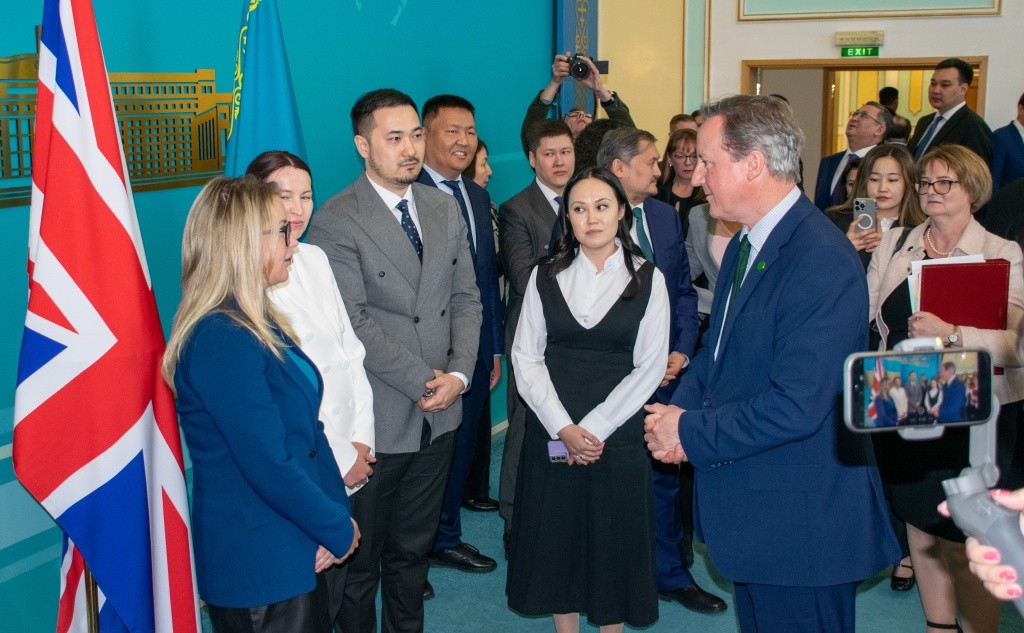
Two new Kazakh-British business agreements were signed off during UK Foreign Secretary David Cameron’s visit to Kazakhstan on 24 April. The first, between AstraZeneca, a British-Swedish multinational pharmaceutical and biotechnology company, Kazakhstan’s Ministry of Healthcare, Almaty City Administration and Kazakh Invest, aims to implement an investment project for contract manufacturing...
Kazakhstan Welcomes Turkish Investors
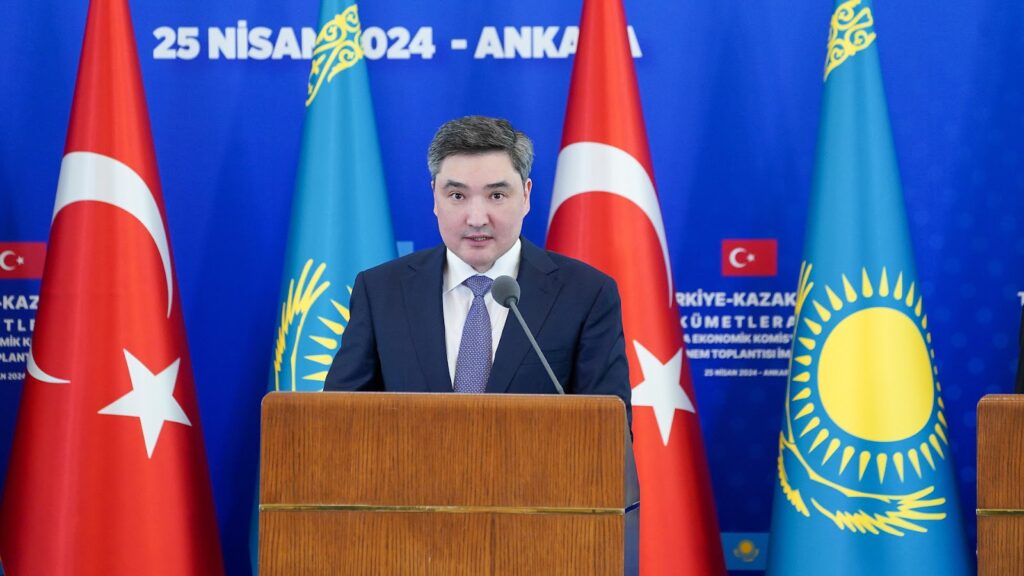
On 25 April, Kazakhstan’s Prime Minister Olzhas Bektenov visited Ankara where he met President of Turkey Recep Tayyip Erdogan, discussed investment cooperation with leading Turkish companies, and attended a Kazakh-Turkish business forum. Turkey is one of Kazakhstan’s five largest trading partners and one of the top 20 investors in the...
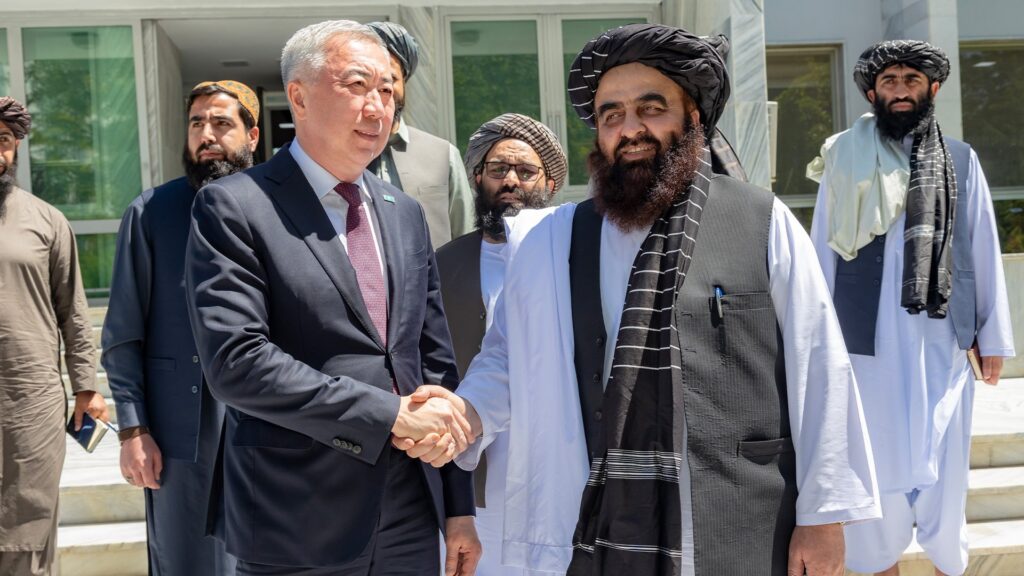
Kazakhstan and the Taliban Discuss Transport Links
Members of Kazakhstan's government and representatives of the Taliban have discussed expanding transportation links between Astana and Kabul, according to the Kazakh government's press service. The Kazakh side has said it's ready to participate in projects to develop the Trans-Afghan corridor: the construction of the railroad routes Termez - Mazar-e-Sharif...
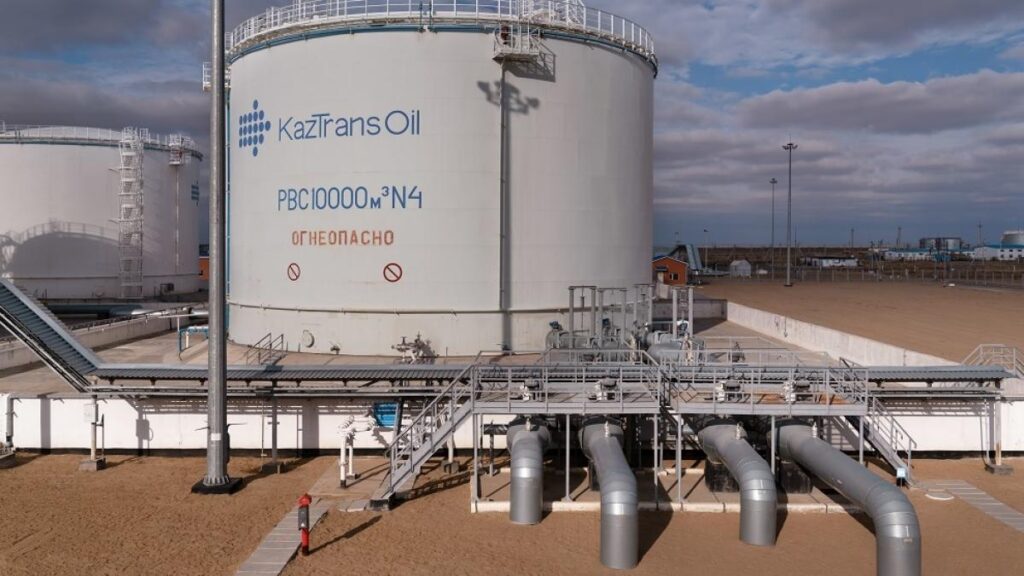
Russian Comments Put Kazakhstan’s Oil Transit to Germany Under Threat
Russia has warned Kazakhstan about the possible suspension of Kazakh crude oil transshipment to Germany through the Druzhba oil pipeline system. The stated reason is the debt of Polish pipeline operator PERN, according to a report by Reuters. Reuters, citing people familiar with the matter, claims that Russia's Transneft has...
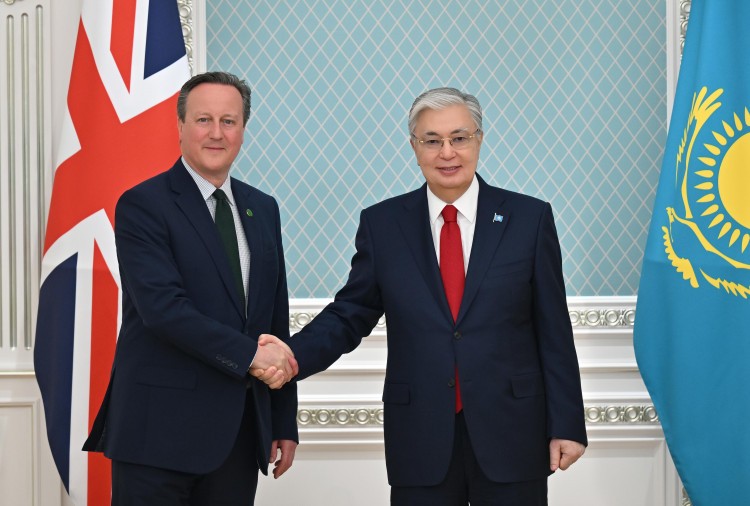
Britain’s Cameron Signs Strategic Partnership Agreement in Astana
A strategic partnership and cooperation agreement between Kazakhstan and Great Britain was signed by the two countries' foreign ministers, Murat Nurtleu and David Cameron, in Astana on 24 April. The Kazakh Foreign Ministry has commented that the document aims to strengthen bilateral relations in a wide range of sectors including...
Kazakhstan Likely To Insist on Revisions to Kashagan Oil Contracts
Kazakhstan is demanding compensation for lost profits from the North Caspian Operating Company (NCOC), the consortium that manages the Kashagan oil field, and arbitration claims have risen to $150 billion. Sources close to Kashagan told The Times of Central Asia that this should send the message to western energy companies...
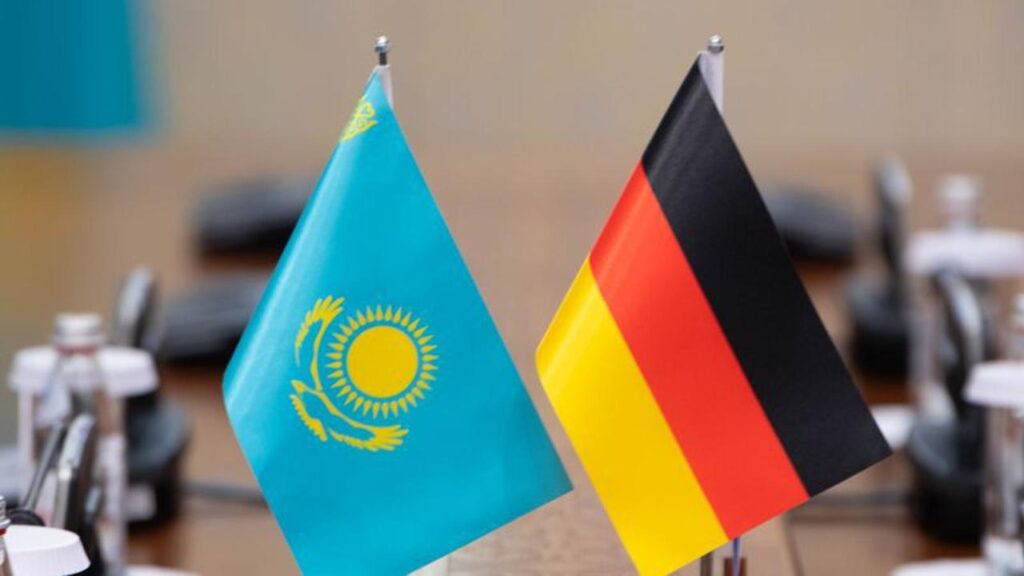
Germany Increases Investment and Trade in Kazakhstan
In a report on the implementation of Kazakh-German projects at a meeting of the Investment Promotion Council on 24 April, Kazakh Invest stated that investment from Germany in Kazakhstan reached an all-time high of $770 million in 2023. To date, the pool of German initiatives planned for Kazakhstan includes 63...

Kazakhstan Plans To Stop Bloggers From Promoting Gambling
Kazakhstan is preparing big changes for the gambling business in the form of a new bill that's under consideration in the country's lower house of parliament, the Majilis. Should the bill become law, bloggers will be banned from advertising betting platforms and online casinos. These changes are aimed at stricter...
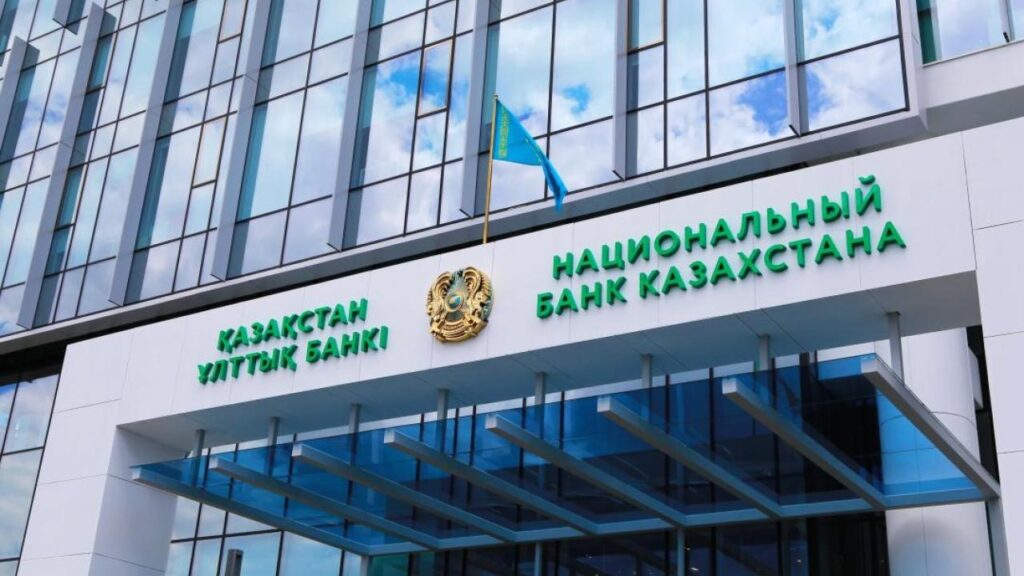
AI Takes Hold in Kazakhstan’s Finance Industry
The National Bank of Kazakhstan has conducted a survey on the prospects for developing artificial intelligence (AI) in the country. The results of this survey showed that 31% of respondents who work in the finance industry are already using AI in their work. Analysts from the National Bank concluded that...
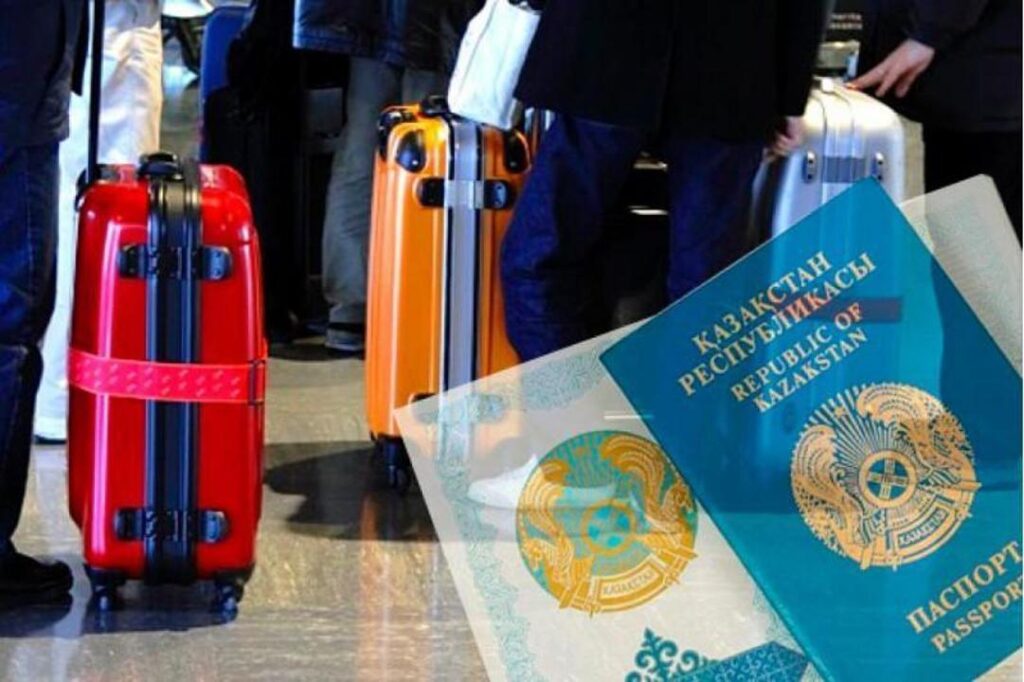
Kazakhstan Encourages Ethnic Kazakhs to Return to Historical Homeland
According to the Kazakh Ministry of Labour and Social Protection of the Population, from January -April this year, 4,351 ethnic Kazakhs returned to their historical homeland and received repatriate status. Since 1991, 1,132,700 ethnic Kazakhs have returned to the country. From 2023, a pilot scheme, to assign repatriate status based...
Kazakhstan Plans To Stop Bloggers From Promoting Gambling
Kazakhstan is preparing big changes for the gambling business in the form of a new bill that's under consideration in the country's lower house of parliament, the Majilis. Should the bill become law, bloggers will be banned from advertising betting platforms and online casinos. These changes are aimed at stricter...
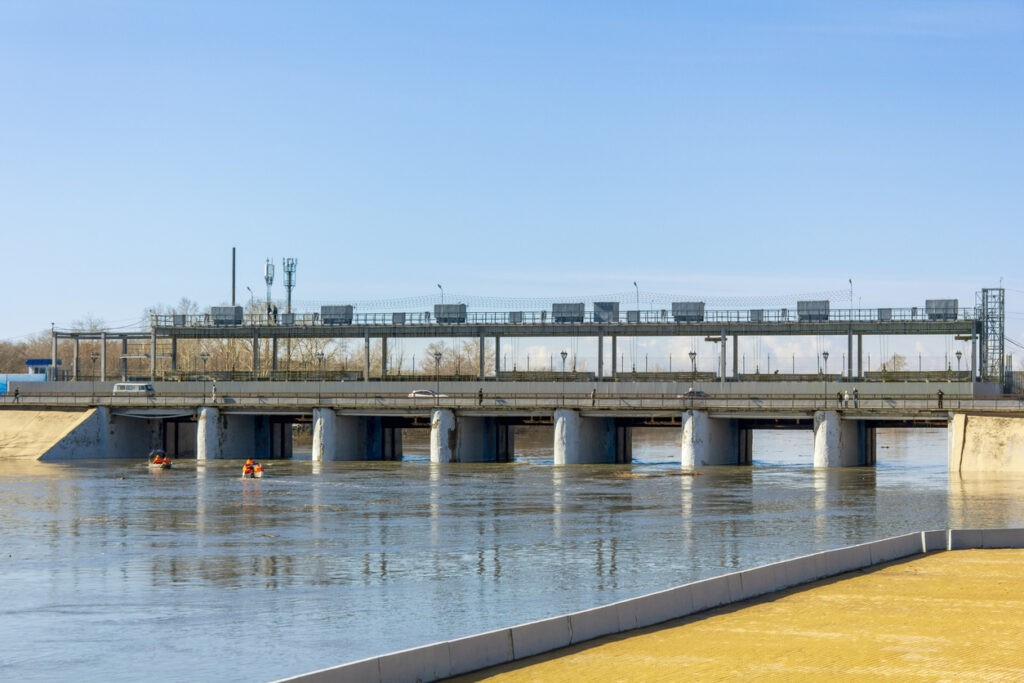
A Third Of Kazakhstan’s Flood-Protection Structures Are Damaged
More than 500 hydraulic structures in Kazakhstan intended to hold back water during floods need to be repaired, according to a report from the country's Ministry of Water Resources and Irrigation. Specialists from the ministry, together with akimats (local administrations), counted 1,502 hydraulic structures in the country, of which 537...
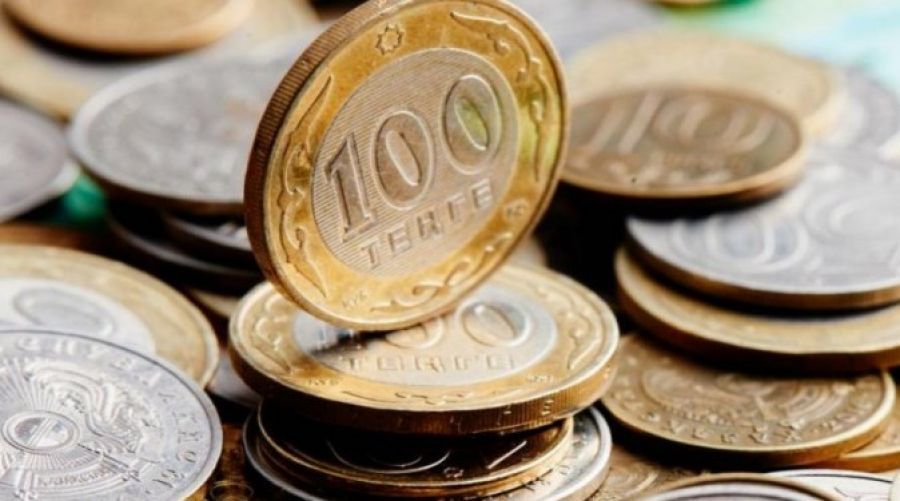
Money of Kazakhstan’s National Fund to Be Invested in New Format
The National Bank of Kazakhstan has revealed its strategy for investing the National Fund's money in alternative instruments, emphasizing the gradual increase in money committed to that tranche of investments to $2.5 billion by 2025. This portfolio, launched in 2023, represents 3% of the total allocation of the savings portfolio...

Kazakhstan To Increase Number of Female Police Officers
Kazakhstan's Ministry of Internal Affairs plans to increase the number of female police officers in the country to 750, to support the adoption of new laws on domestic violence. Commented the deputy minister for internal affairs Igor Lepekha: "We have female investigators specialized in investigating violence against girls and women....
Kazakh News Publisher Says New Media Law Does Little for National Press
Kazakhstan's new law "On Mass Media," recently passed by its lower house of parliament (the Majilis), has agitated the country's reporters. In an interview with The Times of Central Asia, Dzhanibek Suleyev, the publisher of several news sites, remonstrates that the law should have been more supportive of the national press. An...
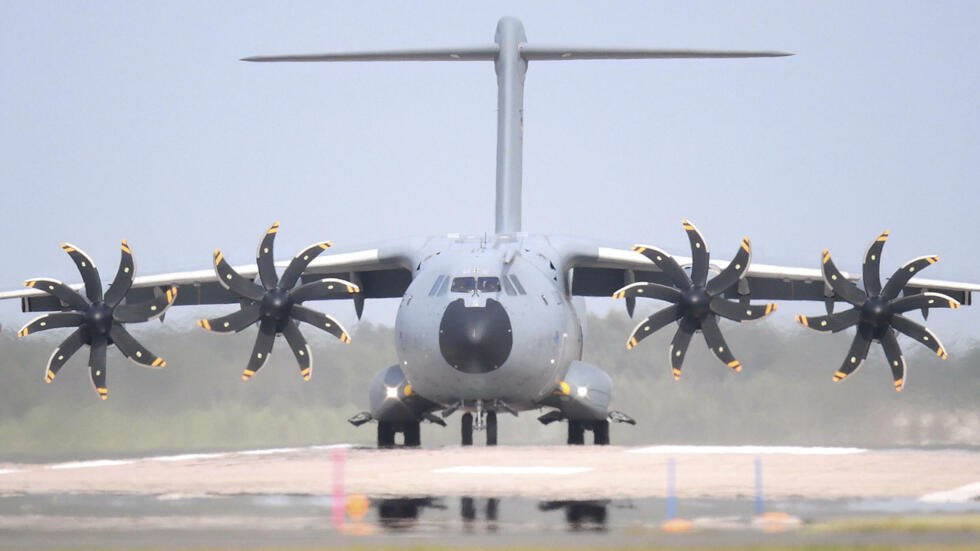
Kazakh Military to Receive Transport Plane From Airbus
The world's largest aerospace company Airbus is preparing to deliver its first military transport aircraft to Kazakhstan. The A400M Atlas aircraft will be used by the Ministry of Defense. Airbus recently published a video on its website which shows how the aircraft has been painted for the Kazakh Ministry of...
British Companies Enter Commercial Agreements with Kazakhstan
Two new Kazakh-British business agreements were signed off during UK Foreign Secretary David Cameron’s visit to Kazakhstan on 24 April. The first, between AstraZeneca, a British-Swedish multinational pharmaceutical and biotechnology company, Kazakhstan’s Ministry of Healthcare, Almaty City Administration and Kazakh Invest, aims to implement an investment project for contract manufacturing...
Kazakhstan Welcomes Turkish Investors
On 25 April, Kazakhstan’s Prime Minister Olzhas Bektenov visited Ankara where he met President of Turkey Recep Tayyip Erdogan, discussed investment cooperation with leading Turkish companies, and attended a Kazakh-Turkish business forum. Turkey is one of Kazakhstan’s five largest trading partners and one of the top 20 investors in the...
Kazakhstan and the Taliban Discuss Transport Links
Members of Kazakhstan's government and representatives of the Taliban have discussed expanding transportation links between Astana and Kabul, according to the Kazakh government's press service. The Kazakh side has said it's ready to participate in projects to develop the Trans-Afghan corridor: the construction of the railroad routes Termez - Mazar-e-Sharif...
Russian Comments Put Kazakhstan’s Oil Transit to Germany Under Threat
Russia has warned Kazakhstan about the possible suspension of Kazakh crude oil transshipment to Germany through the Druzhba oil pipeline system. The stated reason is the debt of Polish pipeline operator PERN, according to a report by Reuters. Reuters, citing people familiar with the matter, claims that Russia's Transneft has...
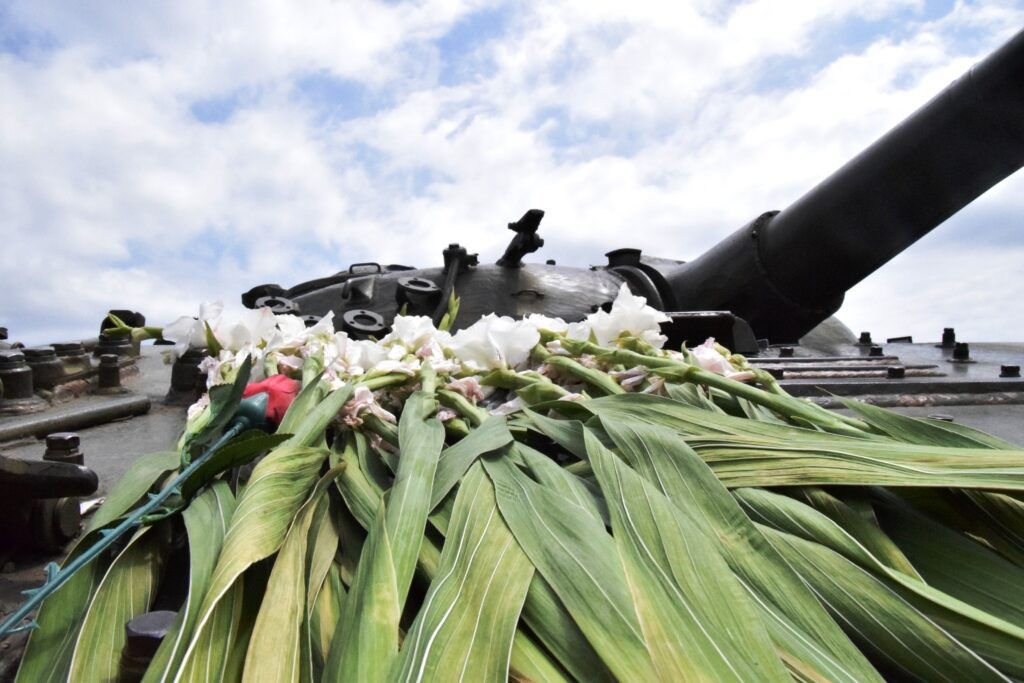
Azerbaijan and Armenia to Hold Talks in Kazakhstan
Officials in Baku have agreed to a meeting of the foreign ministers of Azerbaijan and Armenia in Kazakhstan. Azeri president Ilham Aliyev stated as much at a meeting with participants of the international forum "COP29 and a Green Vision for Azerbaijan" held at ADA University, Turan.az reports. Aliyev said that...
Britain’s Cameron Signs Strategic Partnership Agreement in Astana
A strategic partnership and cooperation agreement between Kazakhstan and Great Britain was signed by the two countries' foreign ministers, Murat Nurtleu and David Cameron, in Astana on 24 April. The Kazakh Foreign Ministry has commented that the document aims to strengthen bilateral relations in a wide range of sectors including...
Kazakhstan Likely To Insist on Revisions to Kashagan Oil Contracts
Kazakhstan is demanding compensation for lost profits from the North Caspian Operating Company (NCOC), the consortium that manages the Kashagan oil field, and arbitration claims have risen to $150 billion. Sources close to Kashagan told The Times of Central Asia that this should send the message to western energy companies...
Germany Increases Investment and Trade in Kazakhstan
In a report on the implementation of Kazakh-German projects at a meeting of the Investment Promotion Council on 24 April, Kazakh Invest stated that investment from Germany in Kazakhstan reached an all-time high of $770 million in 2023. To date, the pool of German initiatives planned for Kazakhstan includes 63...
British Companies Enter Commercial Agreements with Kazakhstan
Two new Kazakh-British business agreements were signed off during UK Foreign Secretary David Cameron’s visit to Kazakhstan on 24 April. The first, between AstraZeneca, a British-Swedish multinational pharmaceutical and biotechnology company, Kazakhstan’s Ministry of Healthcare, Almaty City Administration and Kazakh Invest, aims to implement an investment project for contract manufacturing...

Starlink Broadband Reaches More Schools in Kazakhstan
The Ministry of Digital Development, Innovation and Aerospace Industry of Kazakhstan has announced that a further 250 Starlink terminals have been sent to rural schools in three of the country’s regions. Akmola received 138 terminals; Zhambyl, 53, and Zhetysu, 55. Starlink terminals have also been installed in 48 schools in...
The Art of Words: Writer Andrei Orlov Discusses the Development of Kazakhstan’s Literary Industry
Andrei Orlov is an acclaimed writer who has actively influenced the development of Kazakhstan’s literature through the creation of a community of writers and the organization of cultural events. In this interview, he offers his perspective of how the art of the written word shapes a nation’s cultural heritage and...
Kazakhstan Encourages Ethnic Kazakhs to Return to Historical Homeland
According to the Kazakh Ministry of Labour and Social Protection of the Population, from January -April this year, 4,351 ethnic Kazakhs returned to their historical homeland and received repatriate status. Since 1991, 1,132,700 ethnic Kazakhs have returned to the country. From 2023, a pilot scheme, to assign repatriate status based...
A Third Of Kazakhstan’s Flood-Protection Structures Are Damaged
More than 500 hydraulic structures in Kazakhstan intended to hold back water during floods need to be repaired, according to a report from the country's Ministry of Water Resources and Irrigation. Specialists from the ministry, together with akimats (local administrations), counted 1,502 hydraulic structures in the country, of which 537...

Tennis World No. 4 Rybakina Wins Third Tournament of Year in Stuttgart
Kazakhstan’s Elena Rybakina is leading in 2024 tennis titles - three so far - after a comfortable victory over Marta Kostyuk in the Stuttgart final on Sunday. Rybakina, who has also won titles in Brisbane and Abu Dhabi this year, has now won a tour-leading 26 matches this season. That’s...
Kazakhstan: Floods Still a Threat, but Some Residents Returning Home as Waters Ebb
For weeks, it’s been a frantic grind of evacuations, pumping water and shoring up dams as Kazakhstan battles widespread floods. While the threat remains, water levels are declining in some areas and the country is working to help disaster victims in the long term. Some 22,700 people who fled their...
Development of Kazakhstan’s Cinematography: An Inside Look – An Interview with Kazakh Actor, Abay Kazbayev, on Kazakhstan’s Film Industry and its Prospects for Development
Kazakhstan's film industry is attracting more and more attention globally, and many talented actors are contributing to its development. One such theater and film actor is Abay Kazbayev, who agreed to share his experience and vision of the industry. How did you start in the industry? I have...
Kuandyk Bishimbayev Pleads Guilty to Negligent Homicide
The judicial inquiry into the case of Kuandyk Bishimbayev concluded on April 24 in Astana. Aitbek Amangeldy, the brother of Saltanat Nukenova, announced that further court dates are scheduled for April 29, 30, and May 2-4. Bishimbayev, who formerly served as Kazakhstan's National Economy Minister, faces allegations of murdering...

Kazakhstan Debates Foreign Media Accreditation
Following their second reading, the Majilis (lower chamber of parliament) of the Republic of Kazakhstan has adopted the bills "On Mass Media" and "On Amendments and Additions to Certain Legislative Acts of the Republic of Kazakhstan in the Field of Mass Media," sending them to the Senate for consideration. The...
Kazakhstan To Increase Number of Female Police Officers
Kazakhstan's Ministry of Internal Affairs plans to increase the number of female police officers in the country to 750, to support the adoption of new laws on domestic violence. Commented the deputy minister for internal affairs Igor Lepekha: "We have female investigators specialized in investigating violence against girls and women....
Kazakh News Publisher Says New Media Law Does Little for National Press
Kazakhstan's new law "On Mass Media," recently passed by its lower house of parliament (the Majilis), has agitated the country's reporters. In an interview with The Times of Central Asia, Dzhanibek Suleyev, the publisher of several news sites, remonstrates that the law should have been more supportive of the national press. An...
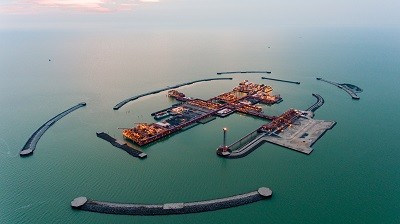
Kazakhstan Increases Amount of Claim Against Western Oil Companies to $150 Billion
Kazakhstan is demanding compensation for lost profits from the operating consortium of the Kashagan oil field, North Caspian Operating Co (NCOC). Arbitration claims made by Kazakhstan have grown to $150 billion, Bloomberg reports, citing people familiar with the story. An additional claim concerns $138 billion of lost profits stemming from...
Kazakhstan President Signs Landmark Legislation on Domestic Violence
On April 15, President Kassym-Jomart Tokayev signed into law amendments and additions passed by Kazakhstan’s parliament on April 11 on legislative acts and the code on administrative offenses on ensuring the rights of women and the safety of children. The initiative represents a first in the CIS in terms of...

The Bishimbayev Trial: The Women of Kazakhstan Speak
The trial of the trial of former Minister of the Economy, Kuandyk Bishimbayev, has ignited discussions across Kazakhstan, particularly among women. Online actions and rallies across Europe have been organized in memory of the victim, Saltanat Nukenova, and the Senate has passed a law strengthening protections for women and children...
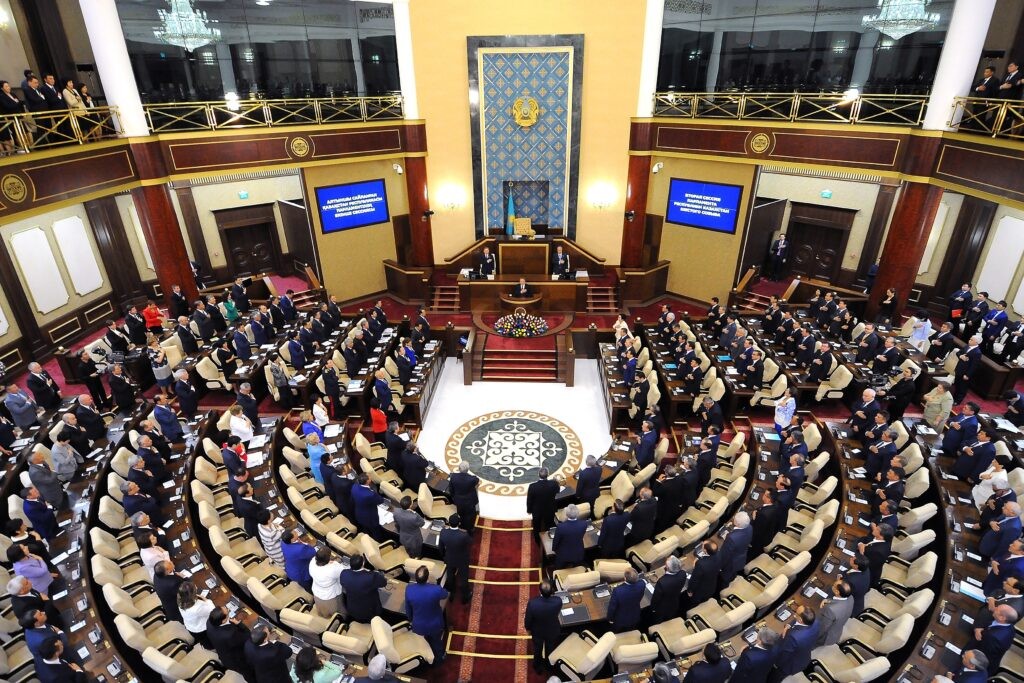
Kazakh Politicians Propose Prison Terms for Supporters of LGBT Rights
Some Kazakh politicians are in favor of imprisoning people for supporting LGBT rights and freedoms. Members of parliament Yedil Zhanbyrshin and Samat Musabayev are proposing an amendment to Article 174 of Kazakhstan's Criminal Code, which ostensibly concerns the 'incitement of discord'. Their idea, reports Tengrinews.kz, is to add the phrase:...
Kazakhstan Repurposing Floodwater
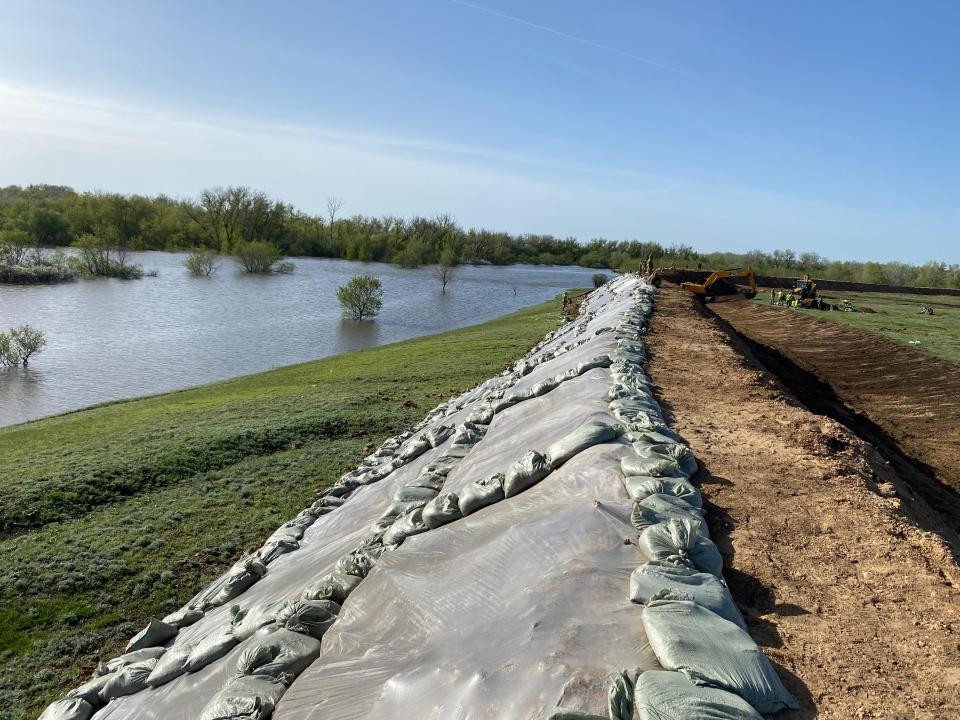
In a strategic response to the unprecedented spring flooding this year, Kazakhstan is channeling its efforts towards harnessing the disastrous floods to its advantage. The Ministry of Water Resources and Irrigation in Kazakhstan has embarked on a program to utilize the massive floodwaters for future irrigation and environmental sustainability. In...
EU Provides Humanitarian Aid to Victims of Kazakhstan Floods
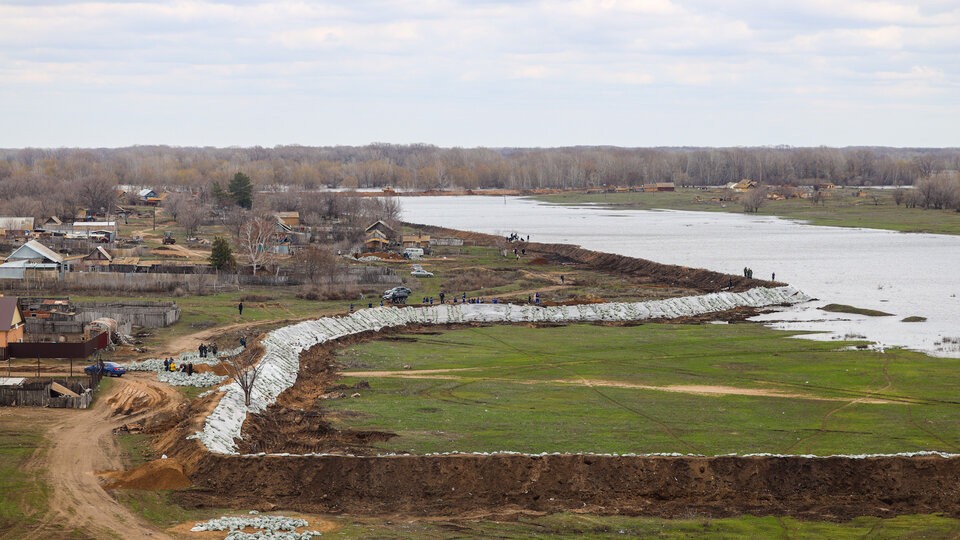
In response to the extensive spring floods that to date, have displaced more than 119,000 people across Kazakhstan, the European Union has pledged €200,000 in humanitarian aid to assist the worst affected families. As reported by the Delegation of the European Union to Kazakhstan, funds allocated by the EU will...
A Third Of Kazakhstan’s Flood-Protection Structures Are Damaged
More than 500 hydraulic structures in Kazakhstan intended to hold back water during floods need to be repaired, according to a report from the country's Ministry of Water Resources and Irrigation. Specialists from the ministry, together with akimats (local administrations), counted 1,502 hydraulic structures in the country, of which 537...
Kazakhstan: Floods Still a Threat, but Some Residents Returning Home as Waters Ebb
For weeks, it’s been a frantic grind of evacuations, pumping water and shoring up dams as Kazakhstan battles widespread floods. While the threat remains, water levels are declining in some areas and the country is working to help disaster victims in the long term. Some 22,700 people who fled their...
Kazakhstan Seeks EU Assistance in Sustainable Water Management
On April 18, Kazakh Prime Minister Olzhas Bektenov chaired the 14th meeting of the Kazakhstan-European Union dialogue platform attended by heads of diplomatic missions of EU member states and top managers of several European companies. Referencing the country’s devastating spring floods and the importance of expanding partnership with EU countries...

Seismologists From Japan to Study Earthquakes in Almaty
Japanese experts in the field of seismology will come to Almaty, Kazakhstan's largest city, to study the nature of recent earthquakes there. According to the foreign ministry, a seminar on seismic safety will be organized by the Kazakh Agency for International Development (KazAID). "The co-organizers of the event are the...
Kyrgyzstan, Kazakhstan and Uzbekistan Consider Joint-Stock Company to Build Kambarata HPP-1
Kazakhstan’s Ministry of Energy has announced that the draft Agreement between the governments of Kyrgyzstan, Kazakhstan, and Uzbekistan on the joint implementation of the construction and operation of Kambarata hydroelectric power plant (HPP)-1 has been posted on Kazakhstan’s official Internet portal Open Legal Acts. Available for public discussion, the agreement...
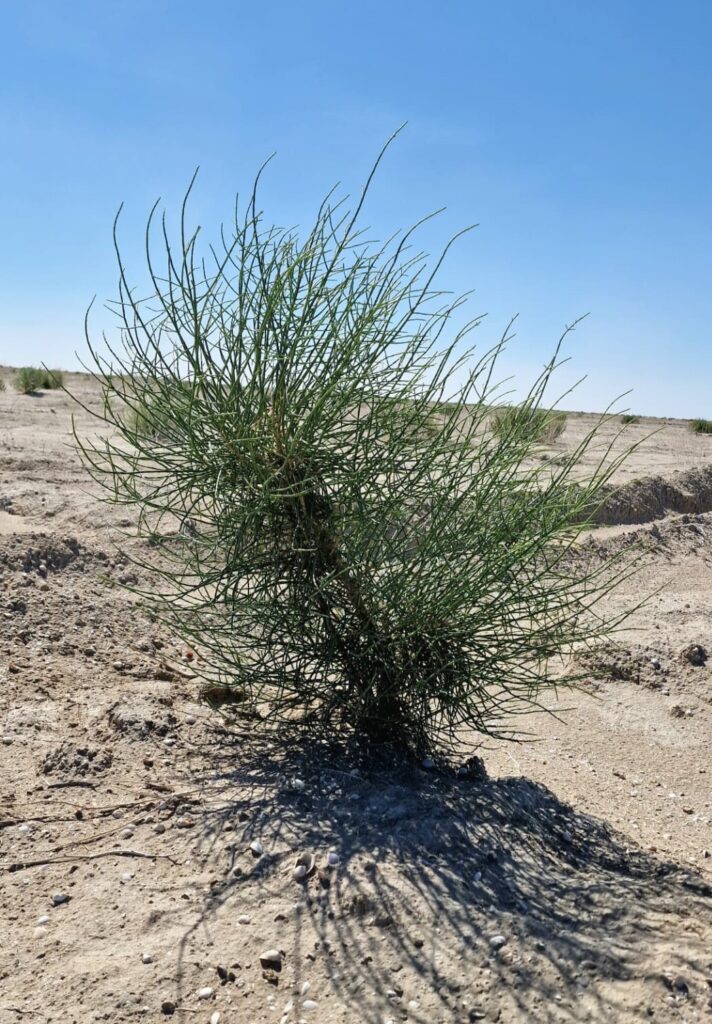
USAID Oasis Project on Course to Restore Aral Sea Ecosystem
The U.S. Embassy in Kazakhstan has announced that from 12 – 16 April, the United States Agency for International Development (USAID) will visit the Oasis project on the former shores of the Aral Sea in the Kyzylorda region of Kazakhstan. Launched in 2021, the Oasis is integral to Environmental Restoration...
