



Turkmenistan Using Almost All Available Water Resources With No Additions in Sight
Meteojournal has reported that Turkmenistan's State Statistics Committee has published a voluntary national review of its progress in implementing the global agenda for sustainable development until 2023 on its website. According to MeteoJournal, in 2021, almost all water resources in the country – 92% – went to agricultural needs. Another 5% was used by industry, and only 3% went to household needs.
At the same time, ...

Death Toll Rises to 137, as Russia Continues With Ukraine Narrative
On Monday, the Kremlin updated the death toll from Friday’s terror attack at the Crocus City Hall to 137, with another 182 confirmed injured. This came after the four suspects appeared in court, charged with committing a terrorist act. Russia’s former president and prime minister, Dmitry Medvedev, spoke of imposing...

Tajikistan Warns Against “Unverified” Reports About Moscow Attack
Tajikistan is warning against “fake information” about the alleged role of Tajik citizens in the attack that killed more than 100 people at a concert venue in Moscow. Tajikistan’s foreign ministry said on Saturday that it had not received confirmation from Russian authorities about any involvement of Tajiks in the...
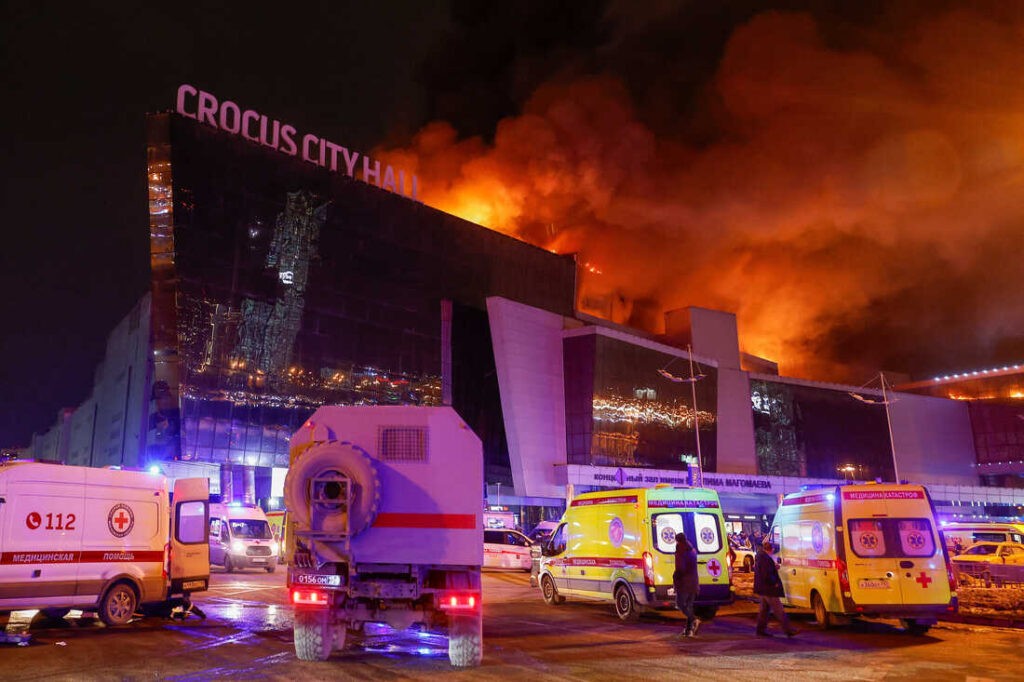
Russia Detains Suspects with Tajik Passports – Death Toll Rises to 133
Russia has announced the arrest of eleven individuals, including four who are suspected of carrying out a deadly shooting at a concert hall near Moscow, marking the most lethal incident of its kind in the country in two decades. The attack, which resulted in the death of 143 people and...
Central Asian States Respond to Moscow Attacks
ALMATY, Kazakhstan – Central Asian countries have denounced the attack on a Moscow concert hall that killed more than 60 people, with Kazakhstan offering the help of its law enforcement agencies to Russia if needed. The Islamic State group claimed responsibility for the mass shooting on Friday night. “Kazakhstan strongly...
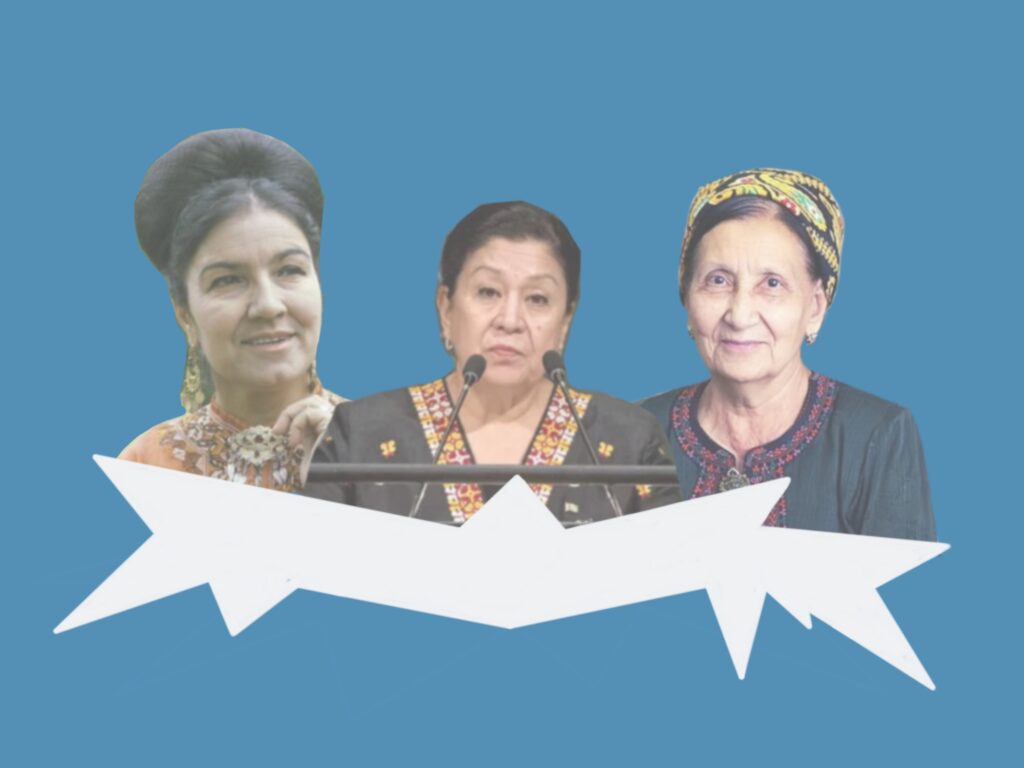
Great Women in the History of Turkmenistan
On the occasion of International Women’s Day, we remember outstanding Turkmen women, each of whom has left an indelible mark on the history of the country. Sabira Atayeva Photo: kino-teatr.ru A famous theater and film actress, Sabira Atayeva devoted over 55 years of her life to her performances. Born...
Labor Migration – Making Money At Any Cost
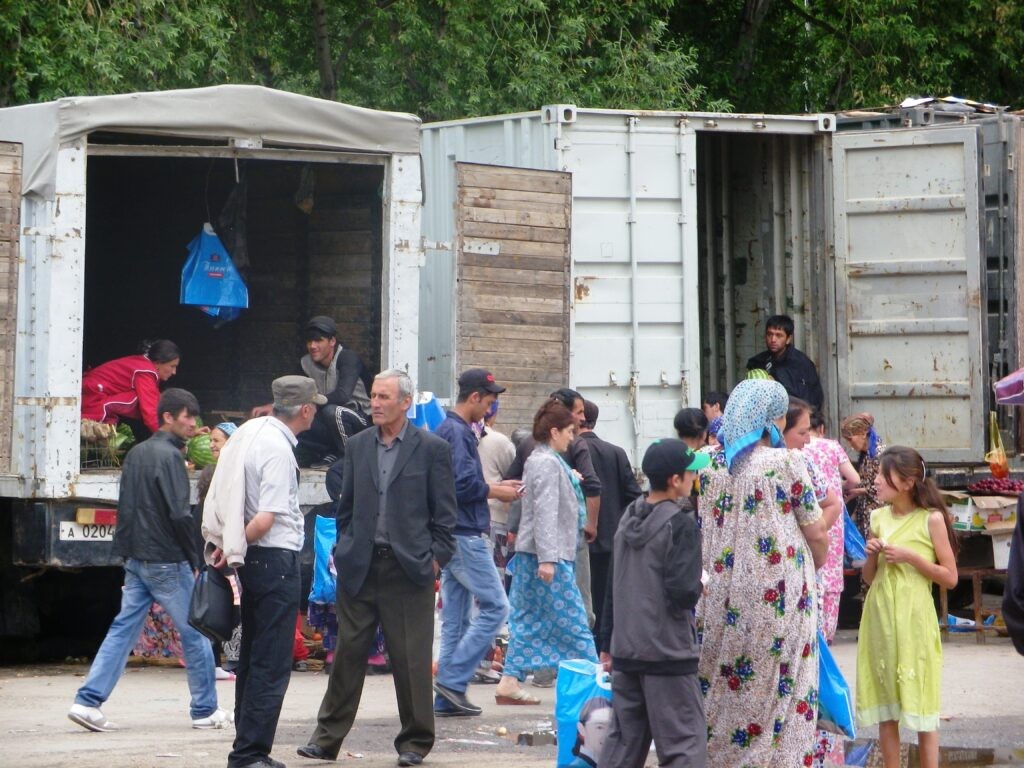
The number of labor migrants from Tajikistan continues to grow steadily, officially reaching the highest figure seen in the last decade. According to the Ministry of Labor, Migration and Employment, in 2023, 652,014 people left the country to work abroad. Despite the fact that the Government of Tajikistan claims the...
Children in the Fields, Not at Their Desks: Turkmenistan Continues to Use Child Labor in Cotton Harvest
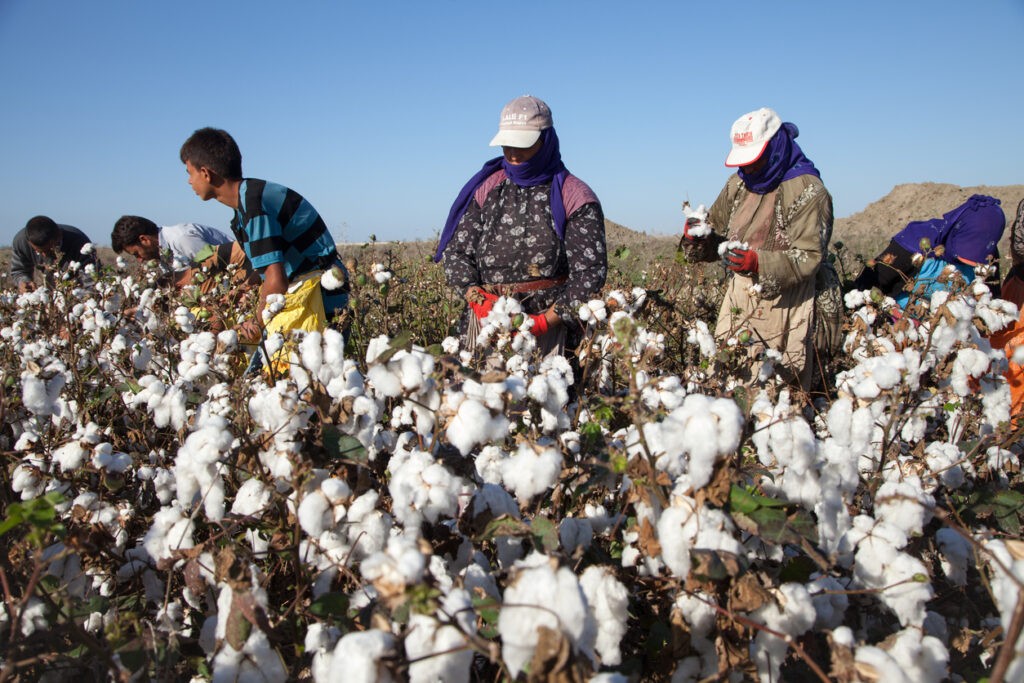
Turkmenistan continues to use forced labor of adults and children during the cotton harvest, according to experts from the Committee on the Application of Standards of the International Labor Organization (ILO). "The preliminary findings of this observation mission indicate direct or indirect evidence of mobilization of public servants in all...
Visit of a Delegation from Turkmenistan to Japan: Prospects for Cooperation
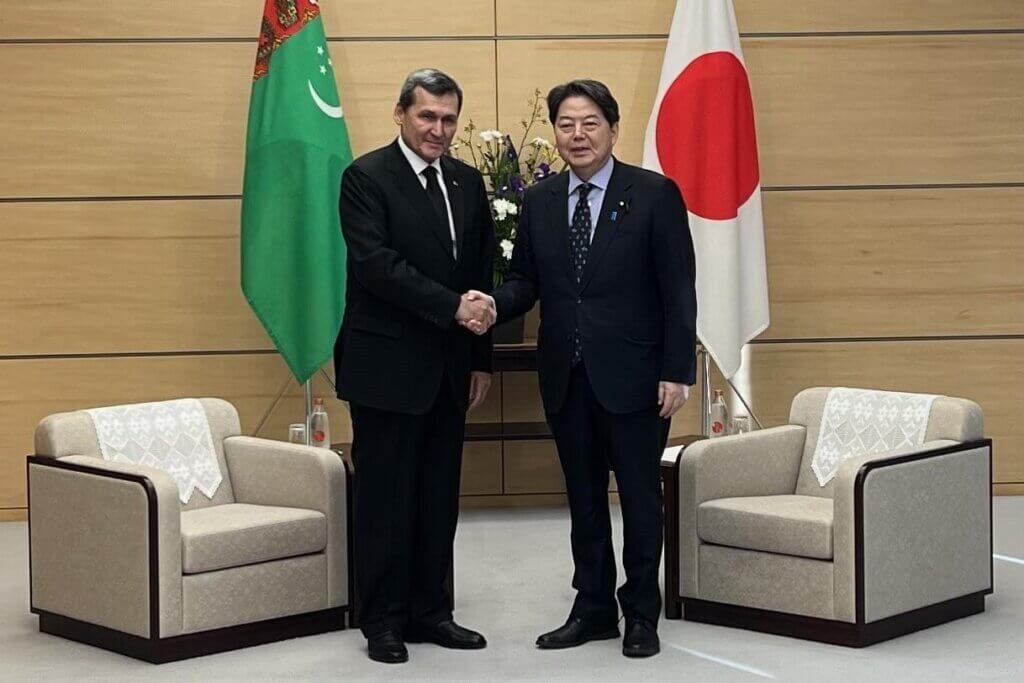
Turkmen Foreign Minister Rashid Meredov led a delegation from Turkmenistan, which visited Japan from January 22nd to 23rd. During the visit, the development of bilateral cooperation and the organization of the first Summit of Heads of State of the Central Asia-Japan Dialogue were discussed. According to information received from the...
Central Asians Not Bananas About Bananas
2 days ago
Islamic Extremism in Central Asia: A Threat to Liberal Progress
Afghanistan earned its reputation as the “graveyard of empires” due to the significant toll exacted on foreign powers in their efforts to achieve military success in the country. This challenge was evident in the experiences of the British Empire, the Soviet Union, and, most recently, the United States. The persistent...

Central Asia’s Growing Economic and Strategic Importance Comes to Fore
The Central Asian region has experienced a tremendous economic transformation since the beginning of the century. Its aggregate gross domestic product (GDP) now totals $397 billion, growing 8.6-fold since the year 2000. Its share in global GDP in purchasing power parity (PPP) has also increased 1.8 times. The GDP per...
Turkmenistan-Iraq Natural Gas Deal: A Complex Balancing Act
The recent natural gas deal between Turkmenistan and Iraq has sparked both excitement and concern in the energy world. On November 8, representatives from the State Concern Türkmengaz met with a delegation from Iraq, led by the Minister of Electricity Ziad Ali Fadel, to discuss the export of natural gas...
Turkmenistan Observes World Day Against Human Trafficking
On July 30th, Turkmenistan observed the World Day Against Trafficking in Persons, a significant event supported by public associations across the country in collaboration with the International Organization for Migration (IOM). Commemorated annually as per the UN General Assembly's resolution, this day serves as a global reminder of the grave...
Central Asian Countries Set 2024 Quotas for Amu Darya, Syr Darya River Water Usage
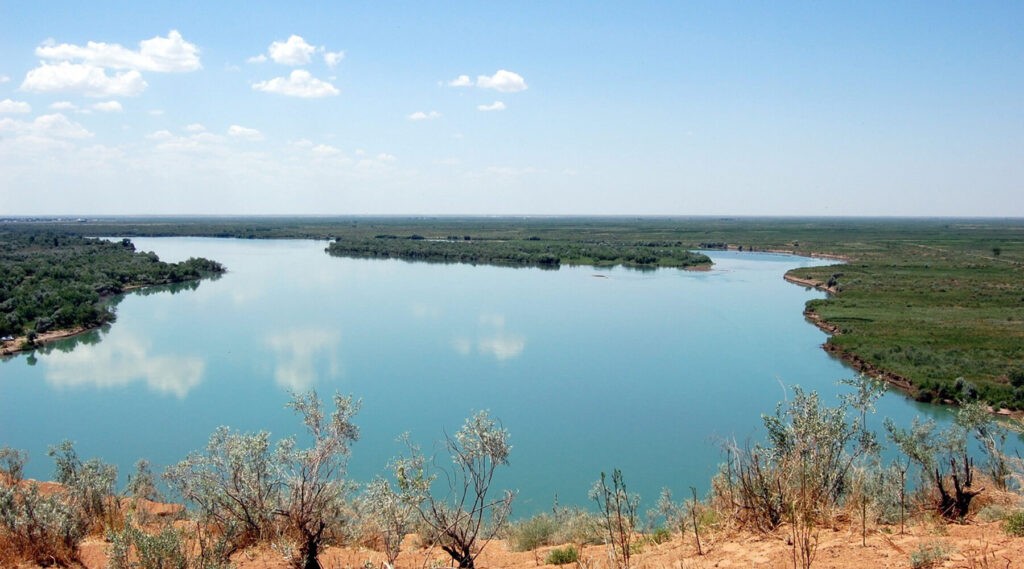
Last week in Kazakhstan, delegates came together for the 87th meeting of the Interstate Commission for Water Coordination (ICWC) of Central Asia, where they discussed the potential and limitations of regional water reservoirs ahead of the 2023-2024 agricultural growing season. According to the ICWC, some of the more pressing questions...
Port of Turkmenbashi Begins Cargo Transport With Russian Port of Olya
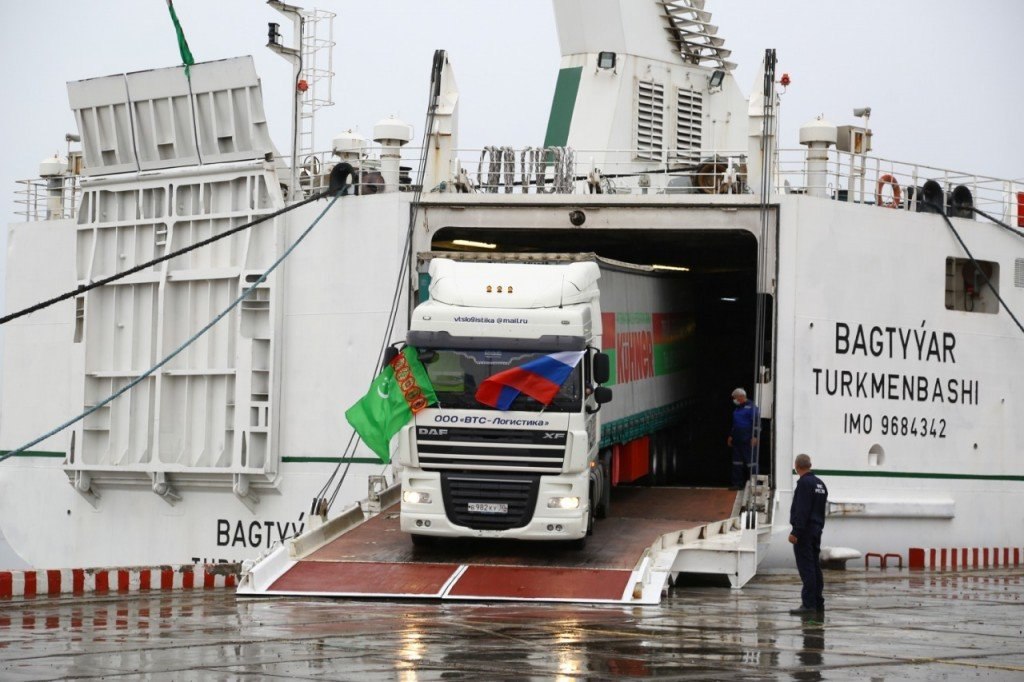
Turkmenistan's Caspian Sea port of Turkmenbashi has started shipping cargo to the Russian port of Olya on the Turkmenistan-flagged ferry Bagtyyar, according to a report from the Turkmen Sea and River Routes (Turkmendeñizderýaýollary) Agency. The agency calls this voyage an important step towards the development of trade relations between Turkmenistan...
Turkmenistan Opens New Section of Strategic Highway
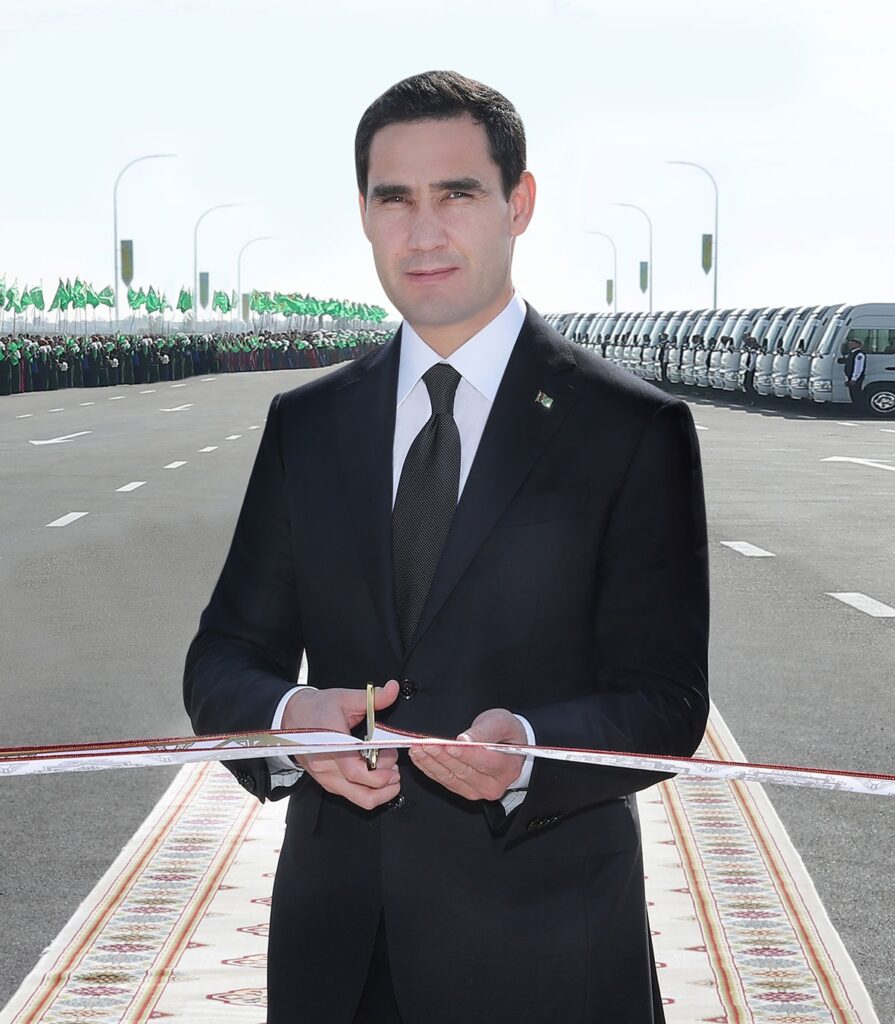
On April 17, Turkmenistan President Serdar Berdimuhamedov attended the launch of a new section of the Ashgabat-Turkmenabat high-speed highway linking the cities of Tejen and Mary. Phased construction of one of the most ambitious transport projects in Turkmenistan began in January 2019. Covering 600 kilometres, it comprises three sections -...
IMF Forecasts 2.3% Growth in Turkmenistan’s Economy
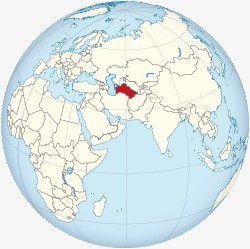
In her report on the International Monetary Fund (IMF) mission to Turkmenistan, from 27 March – 9 April, Ms. Anna Bordon announced that Turkmenistan’s economy is set to expand by around at 2.3% in the coming year. According to the IMF mission’s assessment of the economic outlook and risks of...
Turkmenistan and USA Set to Strengthen Partnership
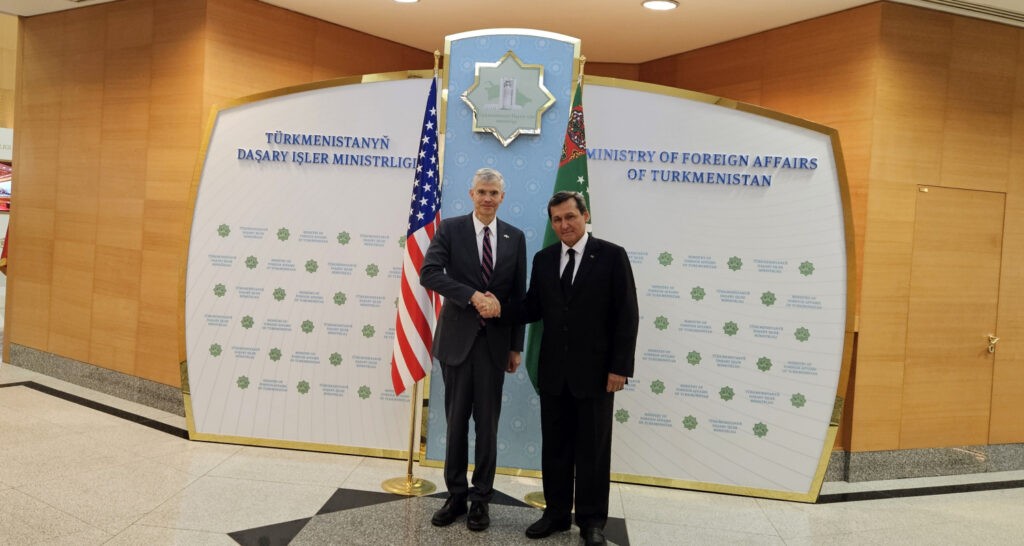
On 14 April, delegations led by Rashid Meredov, Minister of Foreign Affairs of Turkmenistan and John Pommersheim, US Deputy Assistant Secretary of State for South and Central Asian Affairs, attended an annual political consultation in Ashgabat. The meeting focused on the current state and prospects for the development of Turkmen-American...
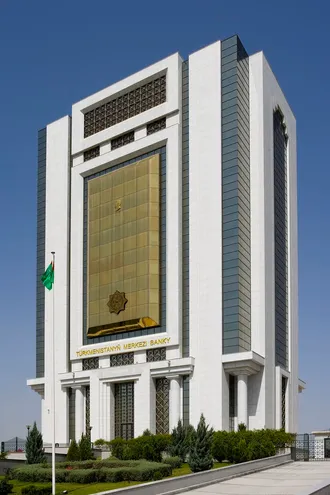
People in Turkmenistan Losing Money Due to Bank Glitches
According to news portal Turkmen.news, clients of a number of banks in Turkmenistan are inexplicably losing money from their accounts due to technical problems. On April 8-9, Dayhanbank customers discovered deficits of several hundred manat in their accounts. The amounts ranged from about 150 ($88.24) to 800 manat ($470.59). and...
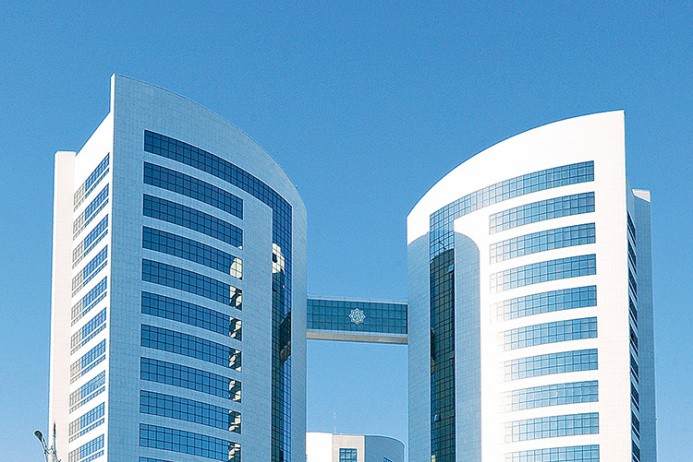
Turkmenistan’s GDP Expands by 6.3% in First Quarter of 2024
In the first quarter of 2024, Turkmenistan demonstrated stable economic growth, President Serdar Berdimuhamedov said at a meeting of the Cabinet of Ministers, where the results of the first three months of this year were summarized. Berdimuhamedov stated that positive dynamics are evident in the key economic indicators. Specifically, industrial...
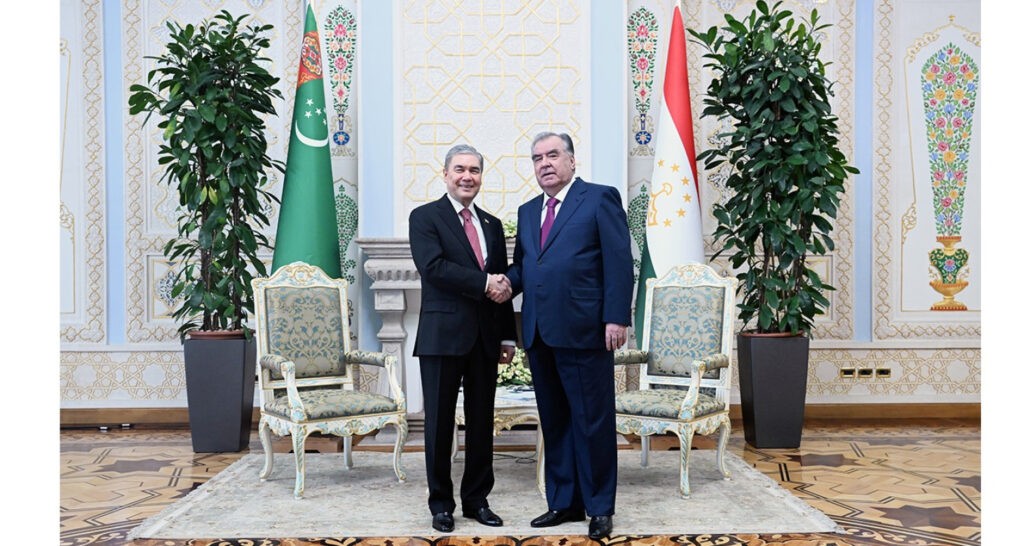
Turkmenistan Poised to Supply Energy Resources to Tajikistan
Energy-rich Turkmenistan is now ready to increase its supply of oil products, as well as electricity and natural gas to Tajikistan through the territory of Uzbekistan. The announcement was made by Gurbanguly Berdimuhamedov, chairman of Turkmenistan’s People’s Council, during negotiations with Tajikistan President Emomali Rahmon in Dushanbe on April 4th....
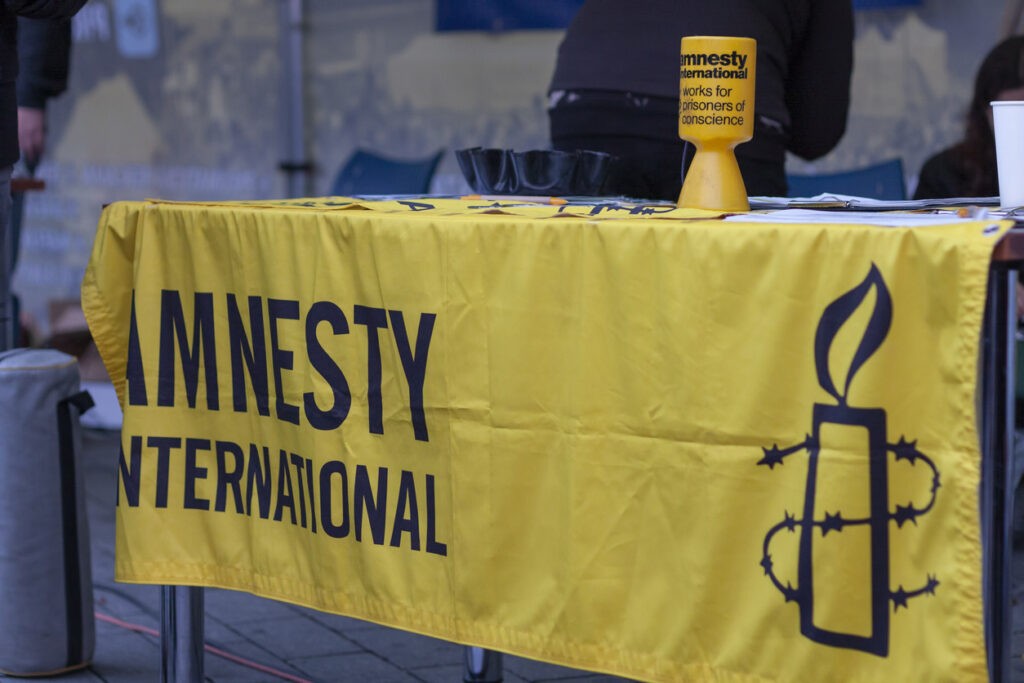
Turkmenistan’s Policy of Suppressing Public Criticism, Dissent Continues, Says Amnesty
Amnesty International has published its annual report entitled, The State of the World’s Human Rights: April 2024. The document includes articles on 155 countries with AI-tracked human rights records through 2023, with the section on Turkmenistan stating that the government there has continued its policy of suppressing any form of...
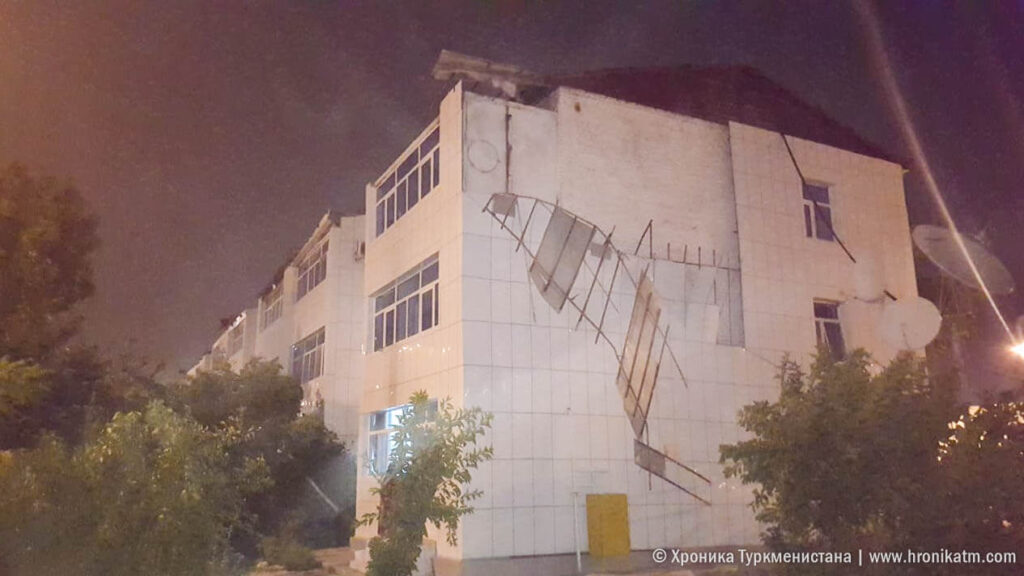
Turkmen Dissidents Mark Anniversary of Deadly Storm With Government Protest
On April 27 activists from the Warsaw Post-Soviet Dissident Alliance will hold a protest in Warsaw, Poland, against the Turkmen government. The event is being organized in memory of the dozens of victims of the 2020 windstorm in the city of Turkmenabat. The protest will mark the fourth anniversary of...
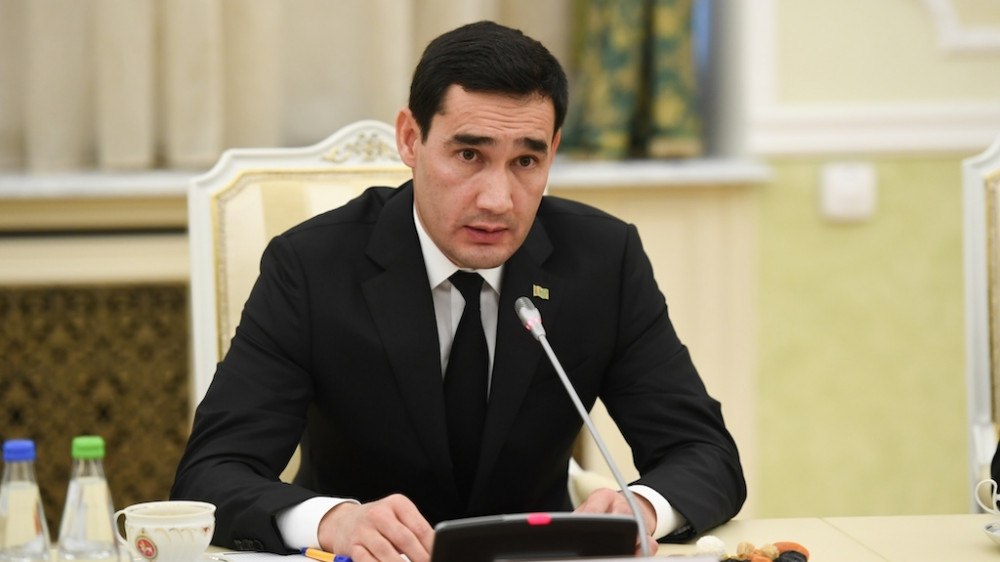
Turkmenistan’s Government Employees Should Know President’s Biography in Order to Pass Certification
According to a report by the Chronicles of Turkmenistan, the main questions asked to employees of state bodies in Turkmenistan during the attestation period are related to the president and his relatives. This year, employees of the Transport and Communications Agency, the Health and Medical Industry, the Ministry of Labor...
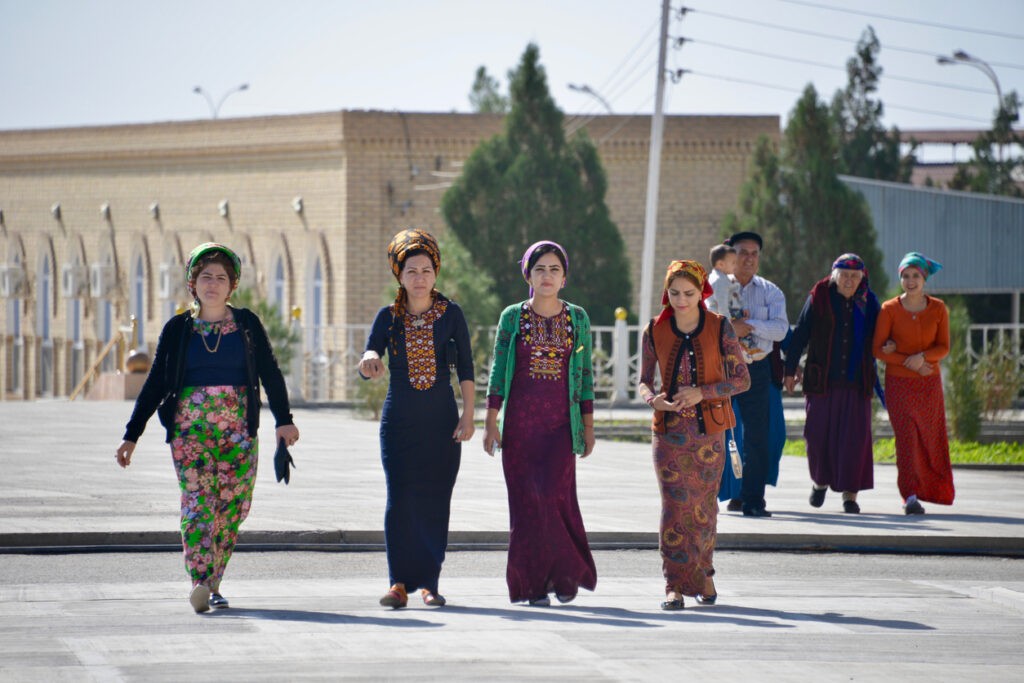
Turkmenistan Stops Selling Tickets to Russia for Migrant Laborers
In a number of regions of Turkmenistan, the sale of air tickets to citizens who have received an official offer to work in Russia has been suspended, according to news portal Turkmen.news. The halting of ticket sales is related to the terrorist attack on the Crocus City Hall near Moscow...
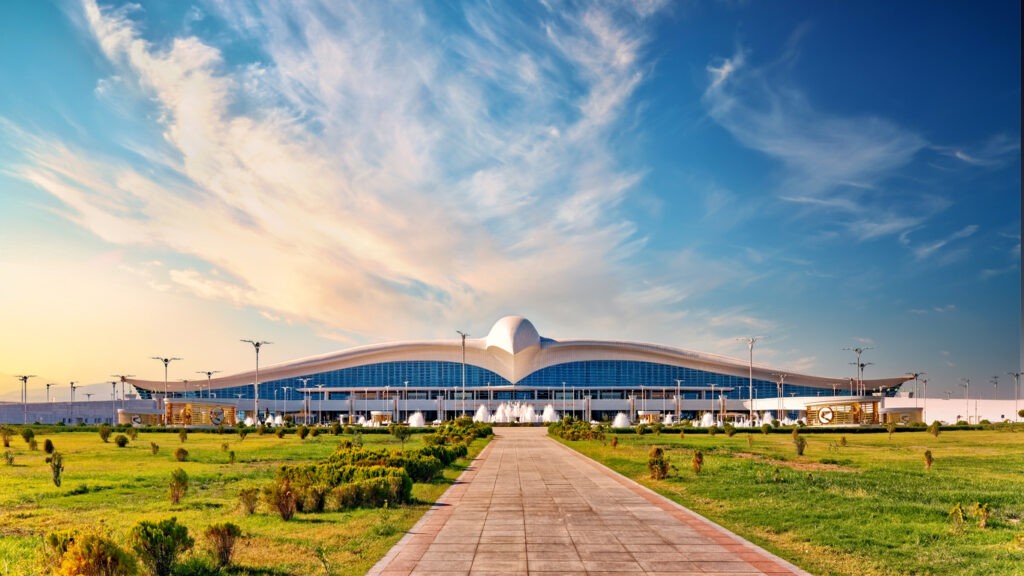
Travelers to Turkmenistan Still Forced to Pay for COVID-19 Test
Travelers flying to Ashgabat airport in Turkmenistan still have to pay for a COVID-19 test upon arrival, but don't have to actually take the test, according to a report by Chronicles of Turkmenistan. Passengers landing in Ashgabat are forced to pay 60 manat ($17 at the official rate) for a...
President of Turkmenistan Pardons 356 Prisoners
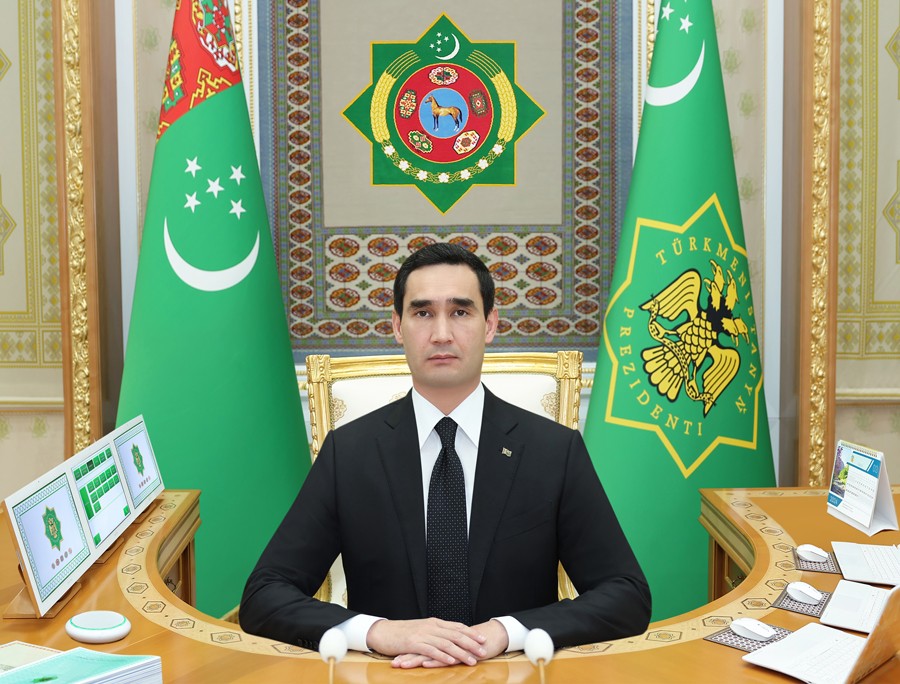
President of Turkmenistan, Serdar Berdymukhamedov has pardoned 356 people who repented for their crimes in honor of Laylat al-Qadr (The Night of Power). The head of state signed the relevant decision at the meeting of the Cabinet of Ministers, according to a report by the Turkmen state news agency. Representatives...
Turkmenistan’s Government-Supplied Agricultural Services Soar in Cost
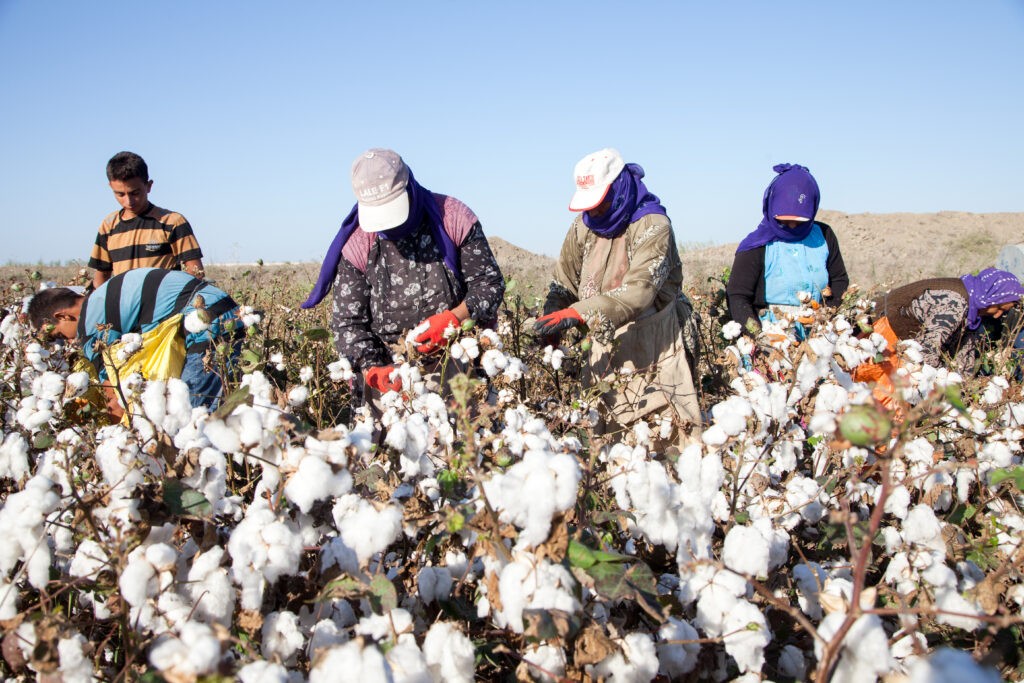
The prices for several services provided by the state to farmers in Turkmenistan have increased several times over, according to a report from news portal Turkmen.news after reviewing documents showing the old and new prices for government goods and services. The price levels in the table are separated by different...
Turkmenistan Bans Iranian Colas and Face Creams
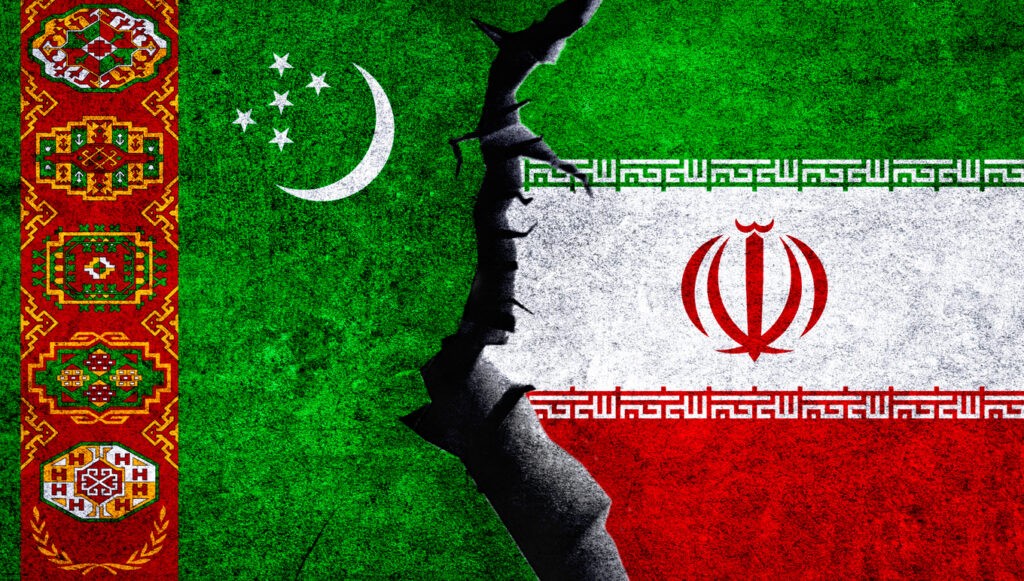
Authorities in Turkmenistan have introduced a number of new import restrictions, according to a report by correspondents from the Chronicles of Turkmenistan. At the request of Iran, the Bajgiran border crossing with Turkmenistan was closed from February 25 to March 11. The crossing is now operational, but imports of bottles...
Central Asian Countries Set 2024 Quotas for Amu Darya, Syr Darya River Water Usage
Last week in Kazakhstan, delegates came together for the 87th meeting of the Interstate Commission for Water Coordination (ICWC) of Central Asia, where they discussed the potential and limitations of regional water reservoirs ahead of the 2023-2024 agricultural growing season. According to the ICWC, some of the more pressing questions...
Port of Turkmenbashi Begins Cargo Transport With Russian Port of Olya
Turkmenistan's Caspian Sea port of Turkmenbashi has started shipping cargo to the Russian port of Olya on the Turkmenistan-flagged ferry Bagtyyar, according to a report from the Turkmen Sea and River Routes (Turkmendeñizderýaýollary) Agency. The agency calls this voyage an important step towards the development of trade relations between Turkmenistan...
Turkmenistan and USA Set to Strengthen Partnership
On 14 April, delegations led by Rashid Meredov, Minister of Foreign Affairs of Turkmenistan and John Pommersheim, US Deputy Assistant Secretary of State for South and Central Asian Affairs, attended an annual political consultation in Ashgabat. The meeting focused on the current state and prospects for the development of Turkmen-American...
Turkmenistan’s Balkan Shipyard to Partner with Dutch Company
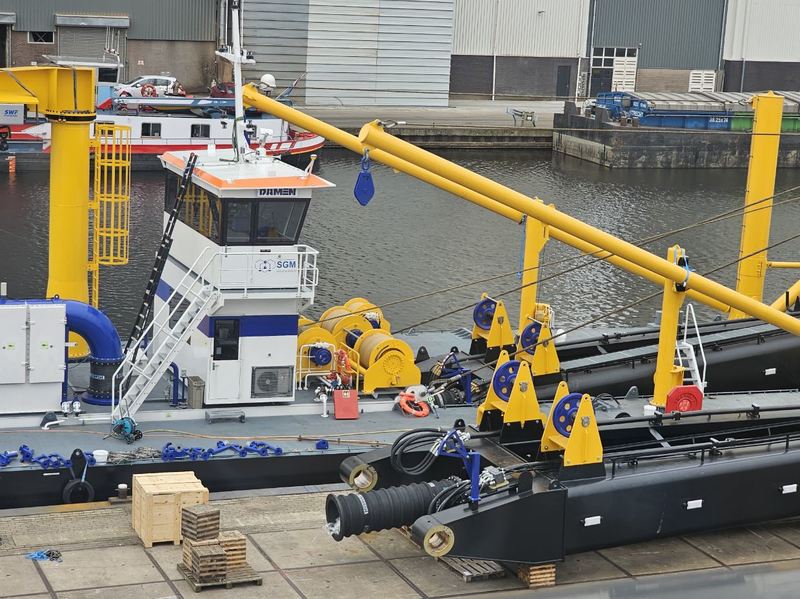
A group of managers from Turkmenistan's Balkan Shipyard visited the Netherlands recently, and held a number of meetings with local shipbuilding companies, the Turkmen company reported. Balkan Shipyard is interested in constructing dredgers -- boats or barges fitted with special machines that are used to deepen existing harbors, rivers, and...
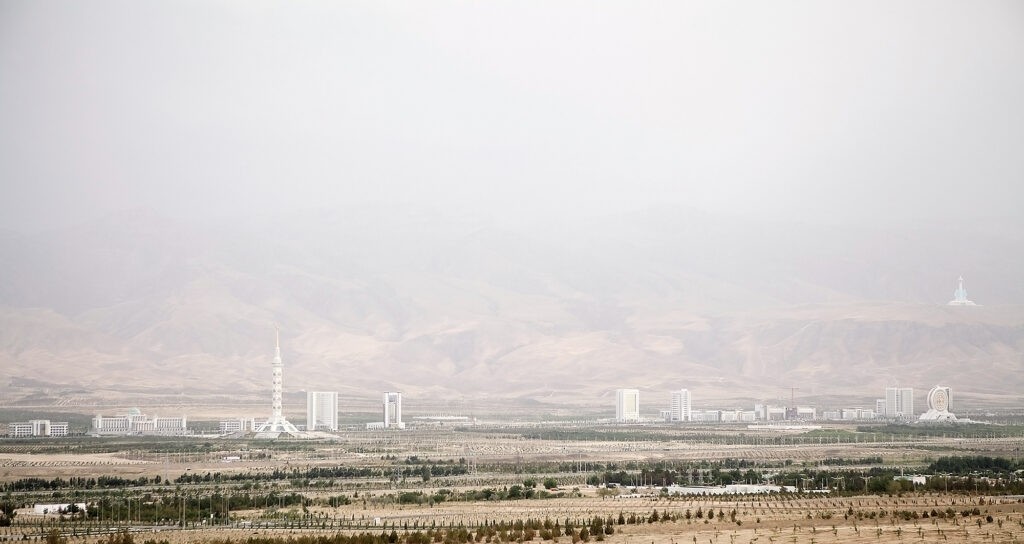
Turkmenistan to Host Another Exhibition of Afghan Goods
Afghanistan's Ministry of Industry and Trade has announced that it intends to hold an exhibition of its export goods in Turkmenistan, according to a bulletin from Turkmenistan's Union of Industrialists and Entrepreneurs. To increase exports and international trade, the Afghan ministry intends to host over 30 exhibitions both domestically and...
UN Adopts Turkmenistan’s Peace Resolution at General Assembly
The resolution “2025: International Year of Peace and Trust” was unanimously adopted at the 63rd plenary session of United Nations General Assembly's 78th session -- a resolution that was put forth by the delegation from Turkmenistan. The resolution was suggested to increase trust between nations, and encourage disputes to be...
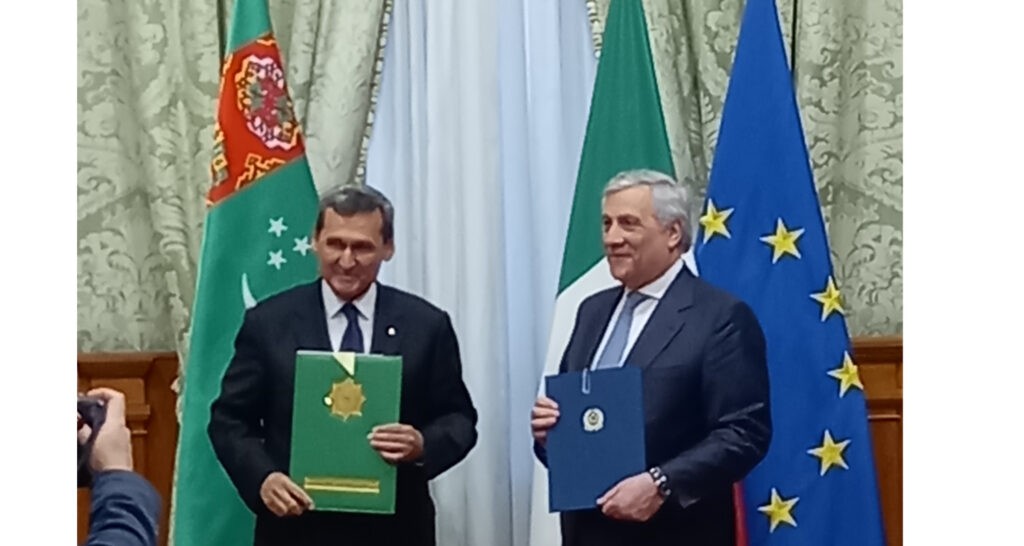
Turkmenistan and Italy Expand Transport Cooperation
A Turkmen delegation led by the Deputy Chairman of the Cabinet of Ministers, Minister of Foreign Affairs of Turkmenistan, Rashid Meredov visited Italy on March 20th for negotiations with the Deputy Prime Minister and Minister of Foreign Affairs of Italy Antonio Tajani. The foreign ministers discussed bilateral relations in political,...
Turkmenistan and EU Discuss New Projects
A roundtable discussion called Turkmenistan and the European Union: Towards a New Economic Partnership took place in Brussels, Belgium on Monday. The event featured business meetings between Turkmen representatives and members of EU business circles. Turkmenistan’s minister of foreign affairs, Rashid Meredov, held meetings with the leaders of the Walloon...
Turkmenistan Using Almost All Available Water Resources With No Additions in Sight
Meteojournal has reported that Turkmenistan's State Statistics Committee has published a voluntary national review of its progress in implementing the global agenda for sustainable development until 2023 on its website. According to MeteoJournal, in 2021, almost all water resources in the country – 92% – went to agricultural needs. Another 5%...
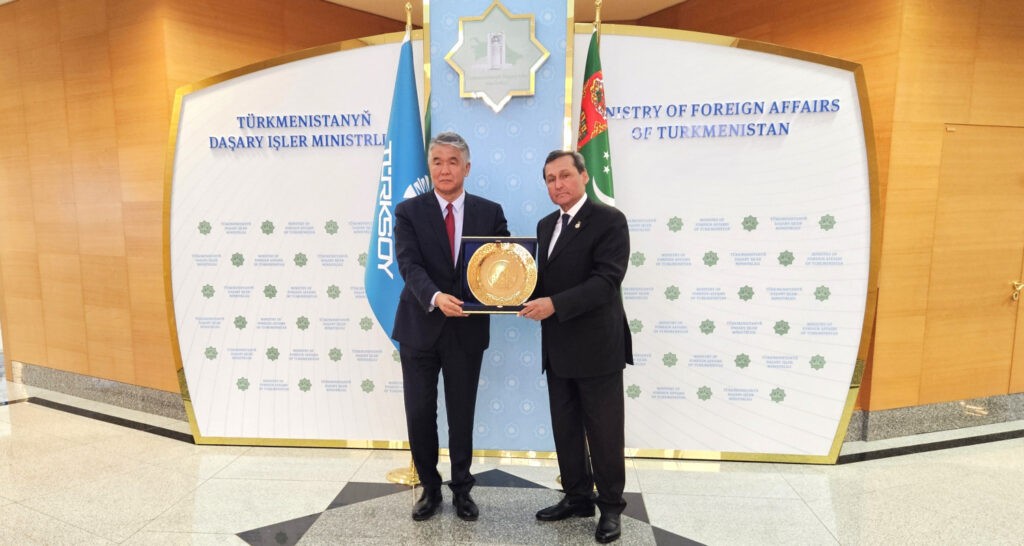
Ancient Turkmen City of Anau Declared Cultural Capital of the Turkic World 2024
On March 25th, Rashid Meredov, Minister of Foreign Affairs of Turkmenistan and Sultanbay Raev, Secretary General of the International Organization of Turkic Culture (TURKSOY), attended a ceremony in Ashgabat for the declaration of the nomination of Turkmen city Anau as 'Cultural Capital of the Turkic World 2024'. Coinciding with the...

Turkmenistan’s Food Prices Continue to Rise
The prices of subsidized products in Turkmenistan's state stores continue to rise, according to a report by correspondents from the Chronicles of Turkmenistan. Beginning March 12, the price of a kilogram of poultry increased to 35 manat ($10) from 21 manat ($6). The price for domestically produced chicken is the...

Thirty-Three Children Die from Influenza
Thirty-three children have died in Turkmenistan due to the flu epidemic, and the majority of those children had congenital heart and respiratory diseases, according to a report by the Chronicle of Turkmenistan news portal. Children aged five to seven made up the majority of cases. The flu crisis has since...

Turkmenistan Participates in Meeting on Ending Discrimination Against Women
The Committee on the Elimination of Discrimination Against Women (CEDAW) convened for its 87th session in Geneva, Switzerland, on January 29th, and Turkmen delegates once again made the journey to take part. Myakhri Byashimova, Turkmenistan's Deputy Minister of Foreign Affairs, headed the delegation. The gathering covered the country's 6th intermittent...
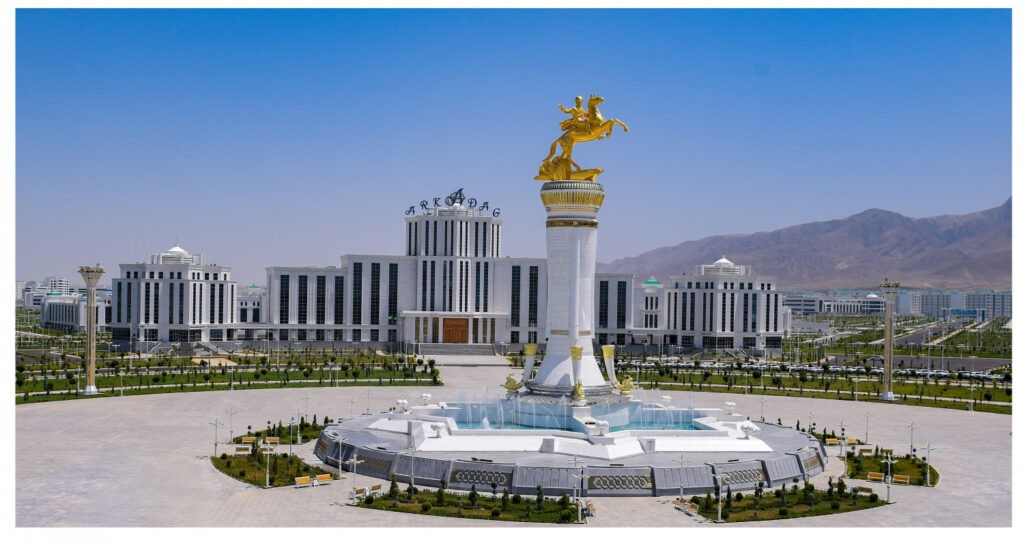
German Company To Help Create Medical Cluster In Turkmen City Of Arkadag
On January 27th Gurbanguly Berdimuhamedov, the chairman of the Halk Maslahaty (People’s Council) of Turkmenistan, met with the managing director of the German consulting company Goetzpartners Emerging Markets GmbH, Vladimir Mathias. Goetzpartners won an international tender to consult on the creation of a medical cluster in the Turkmen city of...
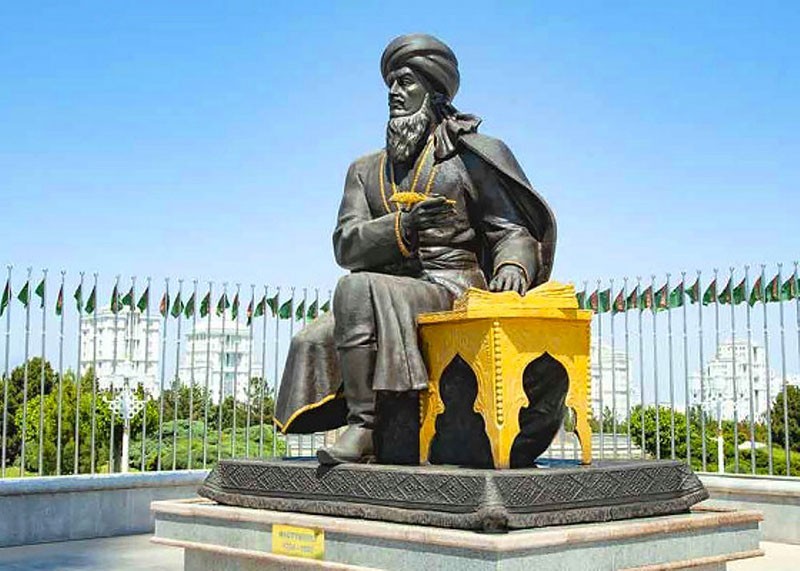
Turkmenistan and UNESCO: joint efforts to preserve cultural heritage
A regular meeting of the National Commission for UNESCO was held in the capital of Turkmenistan, Ashgabat. It was chaired by foreign minister Rashid Meredov. The meeting was attended by high-ranking representatives of the government and heads of key Turkmen agencies and ministries. Last year four documents were signed between...
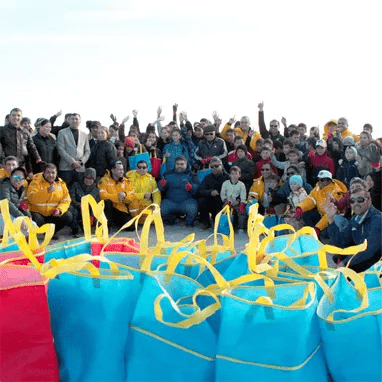
Citizens Unite for Environmental Clean-up
In a demonstration of communal commitment to the environment, over 100 citizens of Turkmenistan engaged in a clean-up initiative organized by the Malaysian oil and gas giant, Petronas. The event on Kiyanly beach, aimed at stimulating environmentally responsible behaviour, saw participants cleanse the shoreline of litter. Petronas regularly stages such...
President of Turkmenistan Pardons 356 Prisoners
President of Turkmenistan, Serdar Berdymukhamedov has pardoned 356 people who repented for their crimes in honor of Laylat al-Qadr (The Night of Power). The head of state signed the relevant decision at the meeting of the Cabinet of Ministers, according to a report by the Turkmen state news agency. Representatives...
Children in the Fields, Not at Their Desks: Turkmenistan Continues to Use Child Labor in Cotton Harvest
Turkmenistan continues to use forced labor of adults and children during the cotton harvest, according to experts from the Committee on the Application of Standards of the International Labor Organization (ILO). "The preliminary findings of this observation mission indicate direct or indirect evidence of mobilization of public servants in all...
Turkmenistan Participates in Meeting on Ending Discrimination Against Women
The Committee on the Elimination of Discrimination Against Women (CEDAW) convened for its 87th session in Geneva, Switzerland, on January 29th, and Turkmen delegates once again made the journey to take part. Myakhri Byashimova, Turkmenistan's Deputy Minister of Foreign Affairs, headed the delegation. The gathering covered the country's 6th intermittent...
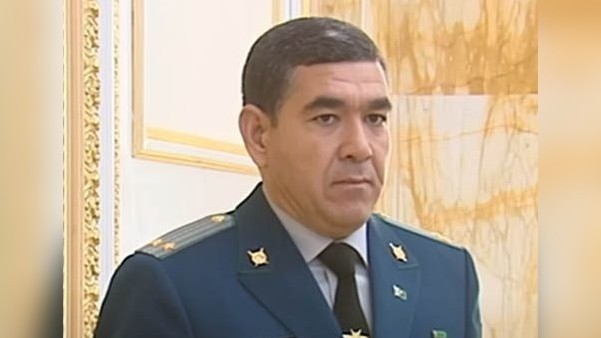
Turkmen Prosecutors Fired in an Attempt to Curb Corruption
The Prosecutor General of Ashgabat, Ovezmammed Shykhmammedov, was fired and then arrested on the night of February 3rd, according to Turkmenistan's central state news agency. President Serdar Berdymukhamedov reportedly fired him for "improper fulfillment of his official duties and serious shortcomings in his work." Shykhmammedov's arrest followed the dismissal of...
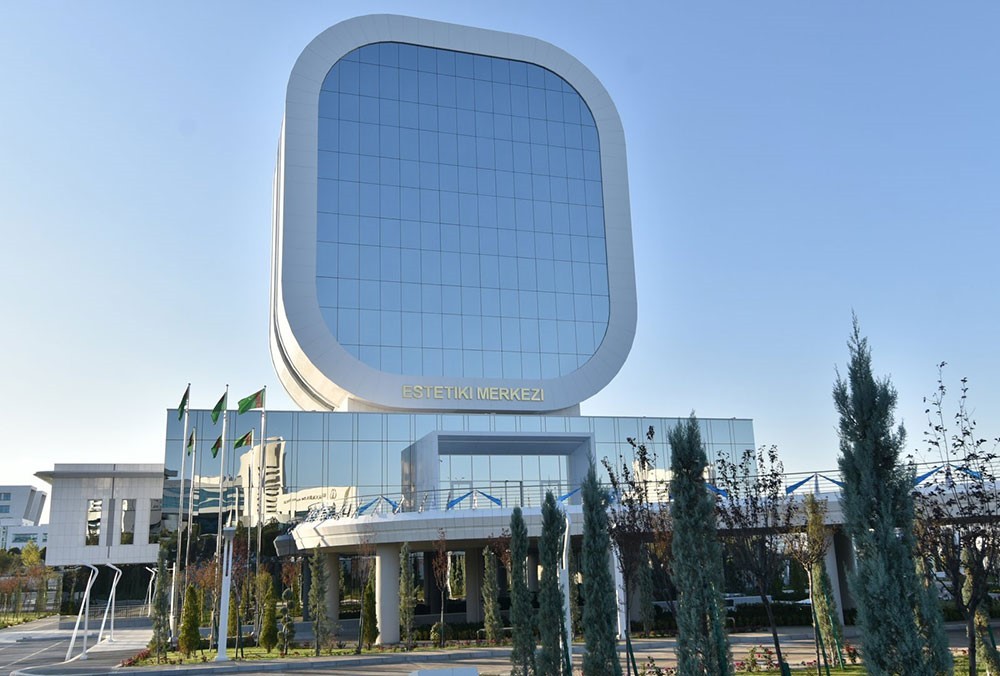
OCCRP Reports on Corruption Linked to Berdimuhamedov family
The Center for Aesthetic Medicine in Ashgabat was sold at a huge discount to a company called Ashgabat International Aesthetic Medicine Center (AIATC), associated with the Berdimuhamedov family, the Center for Research on Corruption and Organized Crime (OCCRP) has reported together with the publications Turkmen.news and Gundogar. According to investigators,...
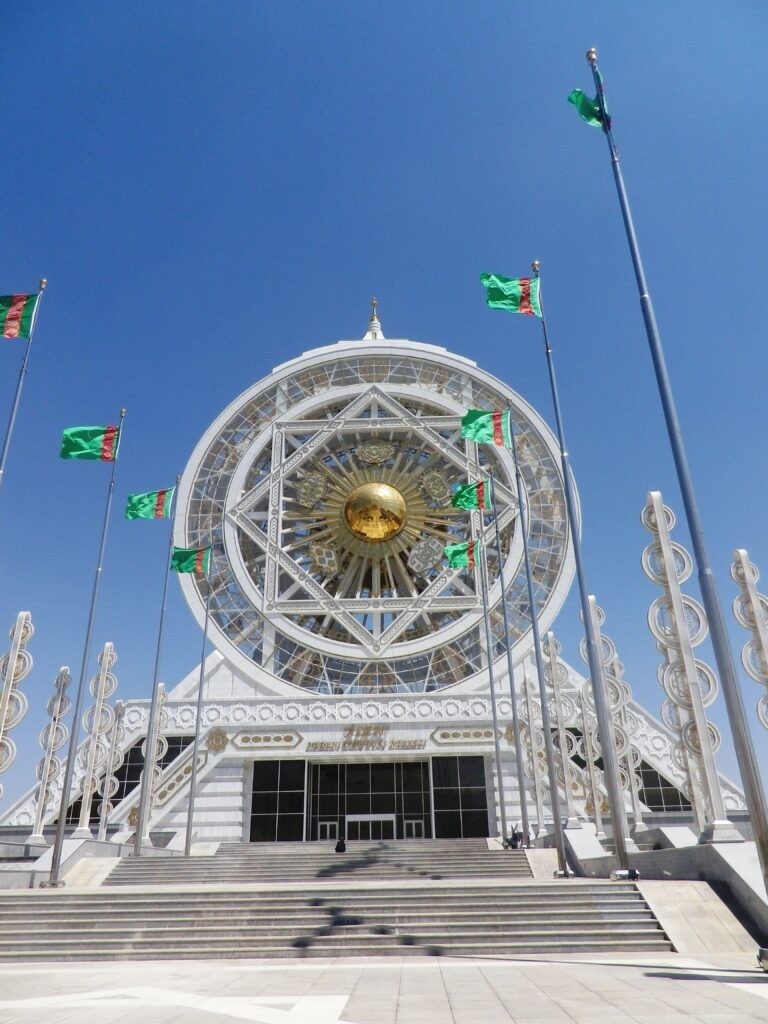
Over 300 Individuals, Including Six Foreign Nationals, Pardoned in Turkmenistan on International Neutrality Day
On the occasion of International Neutrality Day, Turkmenistan's President, Serdar Berdimuhamedov, granted pardons to a total of 308 individuals, including six foreign nationals. This news comes after an extended meeting of the Cabinet of Ministers held on December 11, 2023, involving heads of diplomatic missions, consular offices, and representative offices...
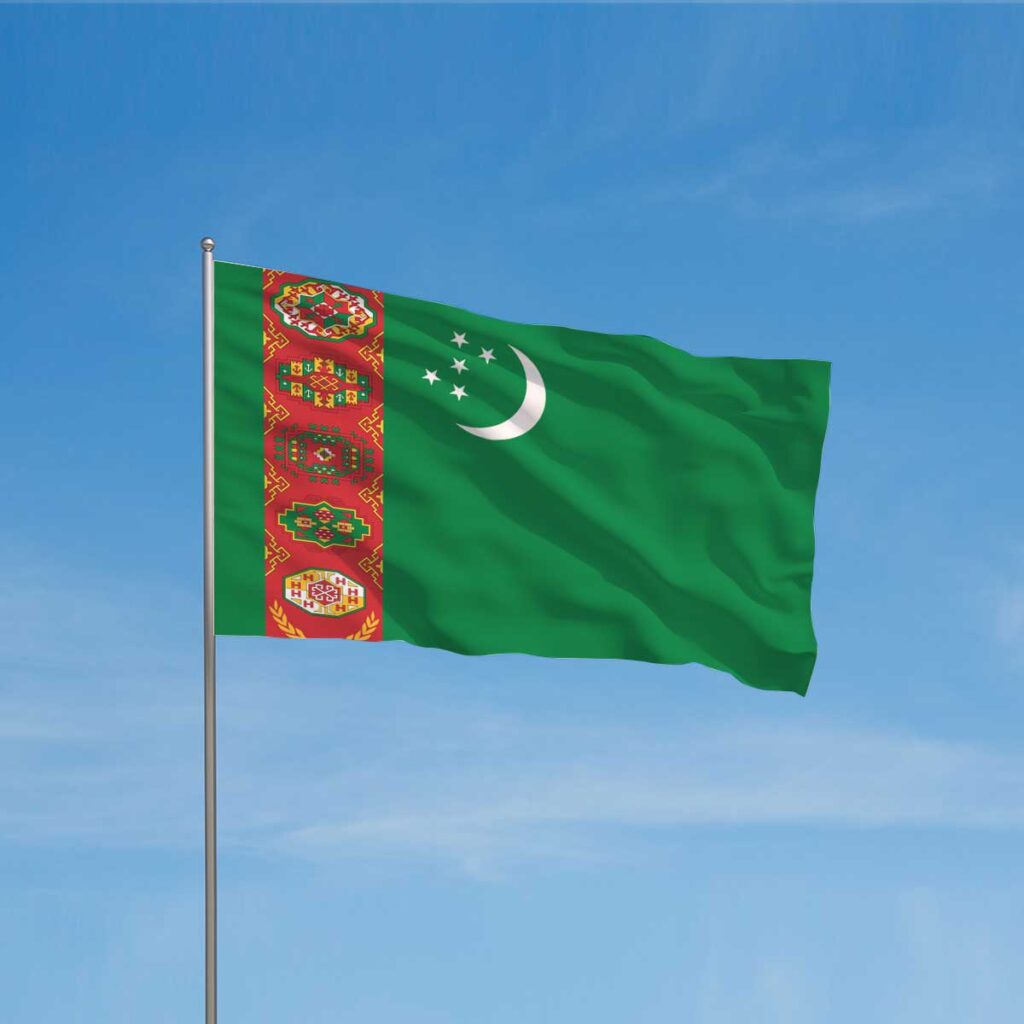
Turkmenistan Participates in 75th Anniversary of Adoption of Universal Declaration of Human Rights in Geneva
The commemoration of the 75th anniversary of the Universal Declaration of Human Rights witnessed the active involvement of Turkmenistan's justice representatives in significant high-level events held in Geneva, Switzerland, on December 11-12. Adalatchy Yazdursun Gurbannazarova, the designated human rights representative in Turkmenistan, participated in the "Human Rights 75" events, a...
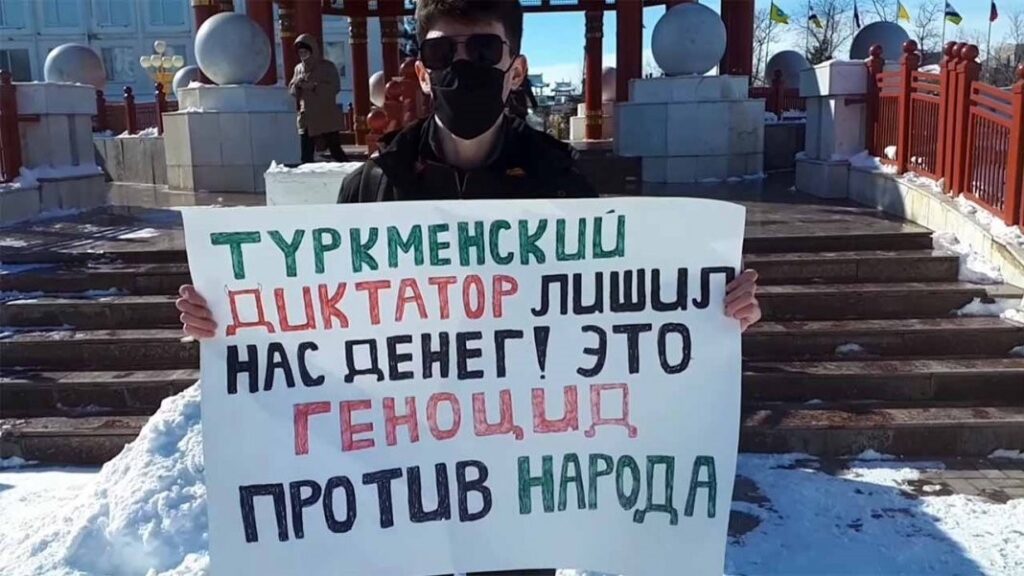
Turkmen Activist Malikberdy Allamyradov Disappears in Russia
About three days ago, Turkmen activist Malikberdy Allamyradov, who lives in Russia, ceased to be in contact, his associates reported. Allamyradov is best known for his single picket protest against restrictions on currency conversion imposed by the Turkmen authorities which he staged as a student at Kalmyk State University in...
Turkmenistan Using Almost All Available Water Resources With No Additions in Sight
Meteojournal has reported that Turkmenistan's State Statistics Committee has published a voluntary national review of its progress in implementing the global agenda for sustainable development until 2023 on its website. According to MeteoJournal, in 2021, almost all water resources in the country – 92% – went to agricultural needs. Another 5%...
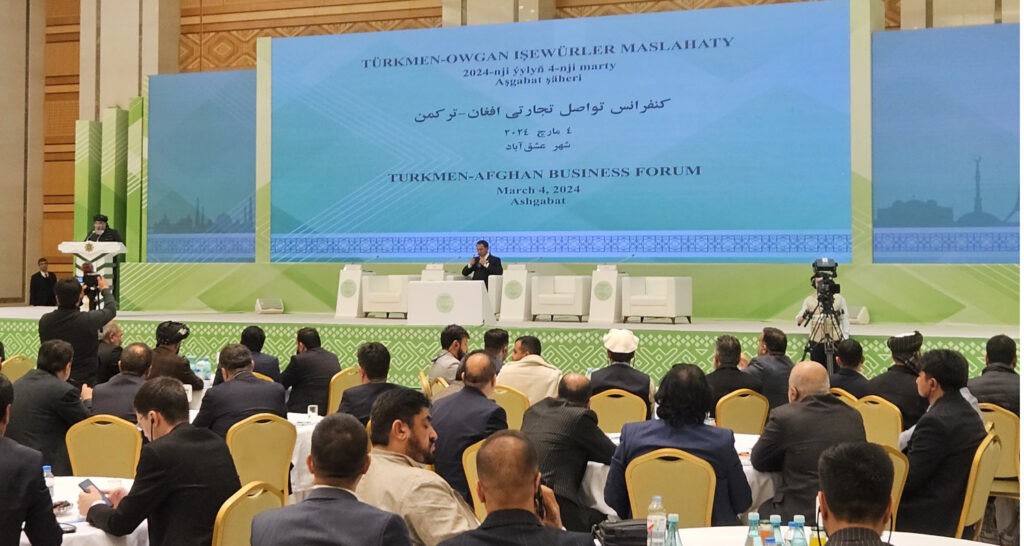
Turkmenistan and Afghanistan Discuss Collaborative Projects
On March 4th, a large Afghan delegation led by Nooruddin Azizi, Minister of Industry and Trade of Afghanistan, participated in a Turkmen-Afghan business forum and exhibition of Afghan goods in Ashgabat. Issues discussed included Turkmen-Afghan partnerships in trade, industry, agriculture, transport, communications, and electricity supply. Also on the agenda were...
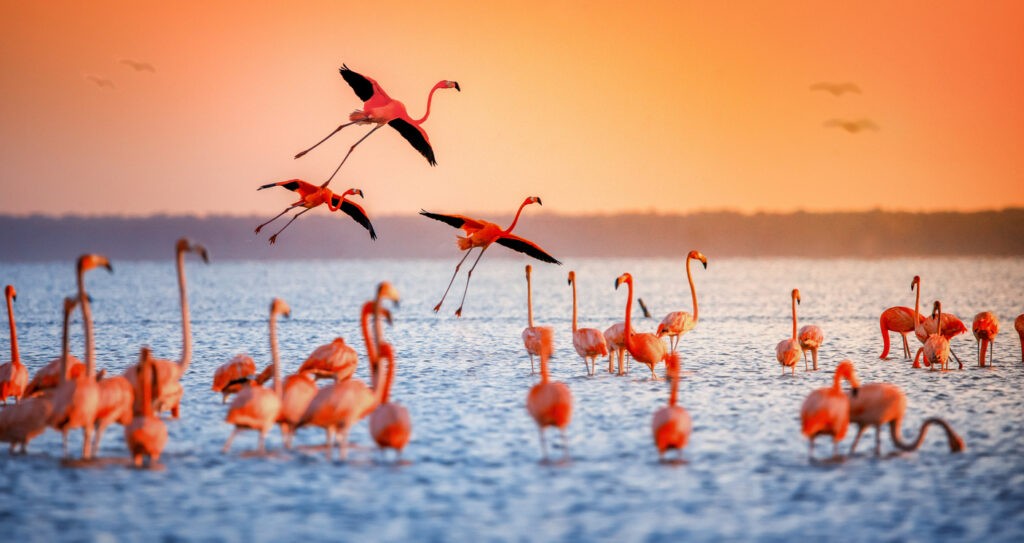
Record Numbers of Pink Flamingos Are Wintering in Turkmenistan
This year the Turkmen coastline of the Caspian Sea has hosted a record number of wintering birds. According to the international ornithological expedition, more than 207,000 birds have flown there since the fall. Pink flamingos, listed in the so-called Red Book of endangered species, are the emblem of Turkmenistan's Khazar...
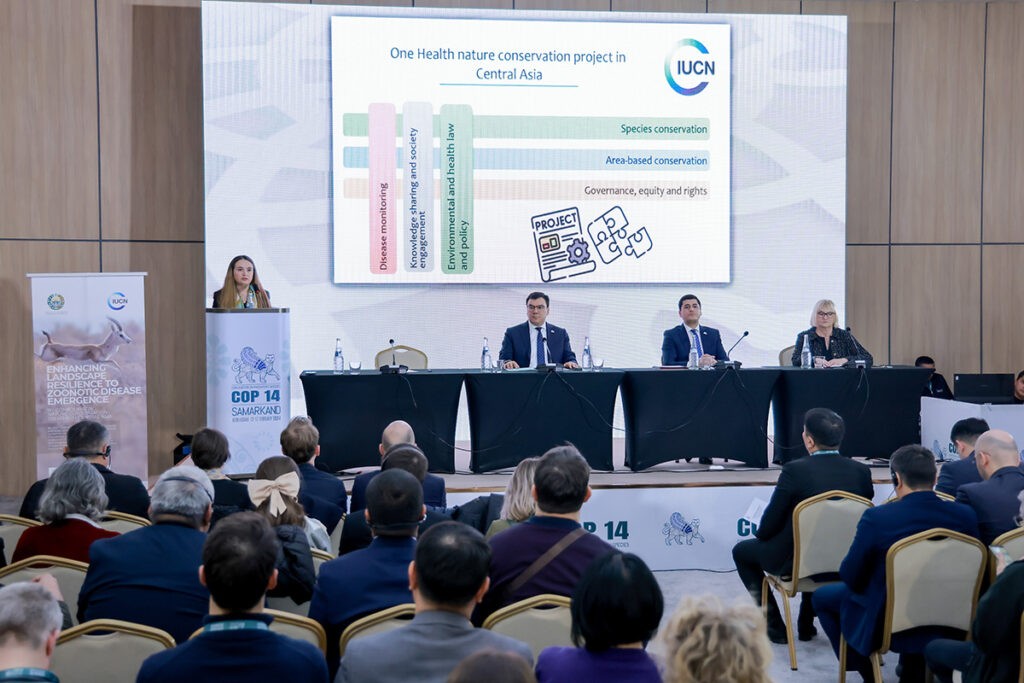
One Health Nature Conservation Project Launches in Central Asia
The International Union for Conservation of Nature (IUCN) and its international partners have launched the One Health Central Asia project, aiming to mitigate the risk of zoonoses – diseases that are naturally transmissible from animals to humans – in Central Asia. The new initiative was announced on February 13th at...
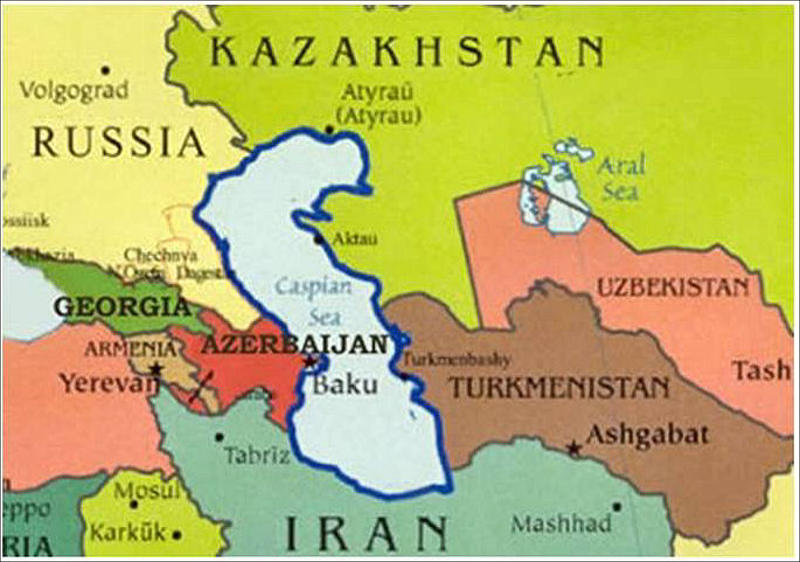
UNDP Supports Sustainable Development of Caspian Region
A roundtable discussion on Central Asia’s cooperation with the European Union was held on February 2nd at the United Nations Development Programme (UNDP) Office in Brussels, Belgium. The event brought together representatives from UNDP, the European Commission, and ambassadors of Central Asian countries to the EU. The participants discussed ways...
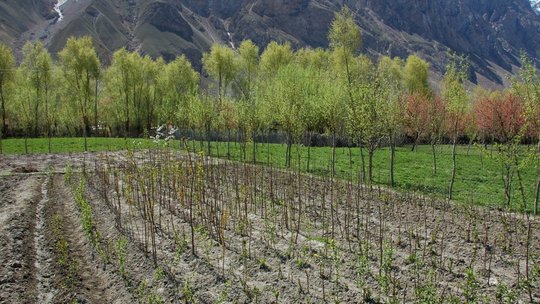
Forest Nurseries Created In Turkmenistan
Two forest nurseries have been created in Turkmenistan's Kopetdag State Reserve. One of the nurseries, two hectares in size, is located in the Kopetdag Mountains; the other, smaller site is in the Gyavers oasis area near the Karakum desert. The trees were planted as part of a joint ecology project...
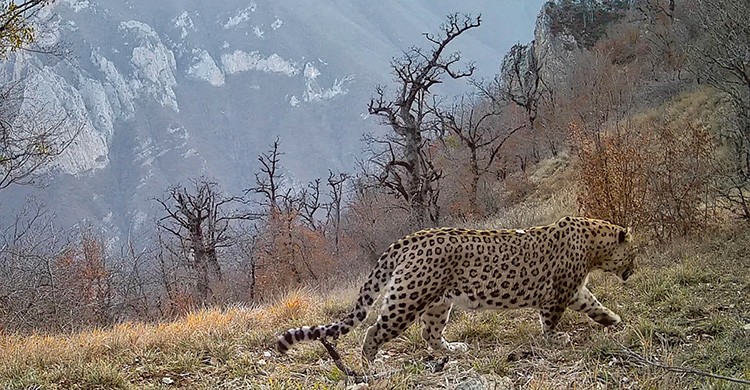
Leopard Shot Dead In Turkmenistan
A leopard was recently shot dead in the Etrek district of Balkan province, Turkmenistan. According to local press it was killed by a shepherd on December 28th. Soon after the incident police and reserve staff arrived at the site to conduct an investigation. The shepherd had his gun confiscated and...
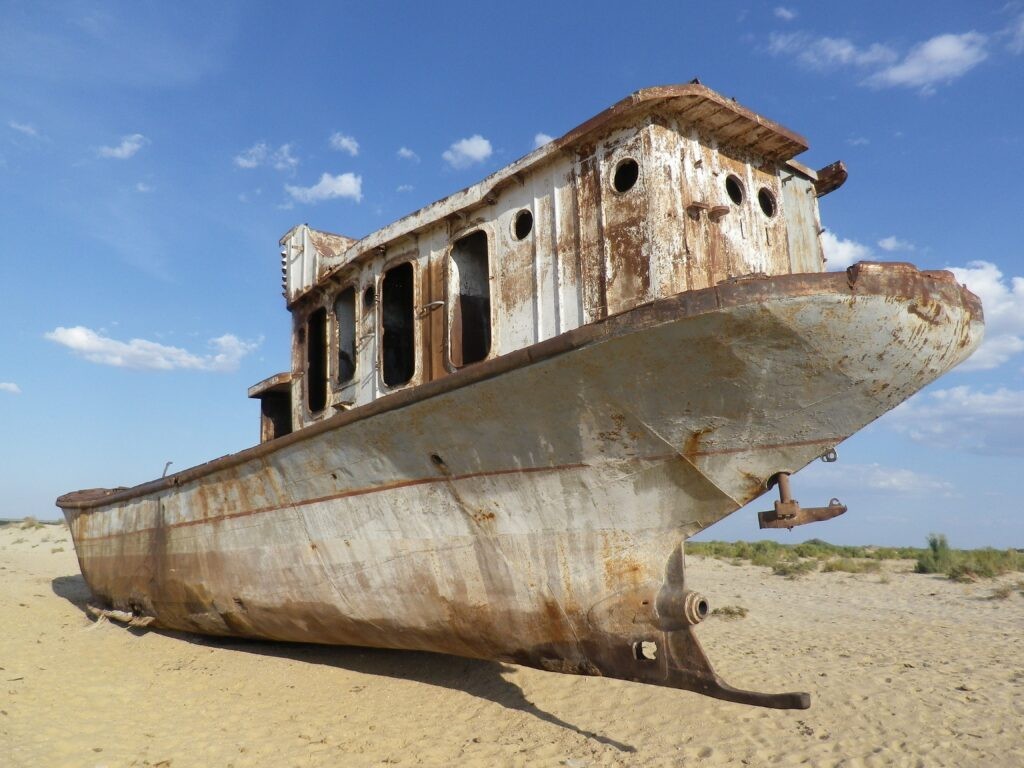
Italy Proposes Project To Mitigate Climate Change Consequences In Aral Sea
On January 24th Italy’s deputy minister of foreign affairs and international cooperation, Edmondo Cirielli, and deputy minister for the environment and energy security, Vannia Gava, held a meeting with the ambassadors of Kazakhstan, Kyrgyzstan, Turkmenistan, and Uzbekistan in Italy. At the meeting, the top management of SOGESID SPA, an engineering and...
