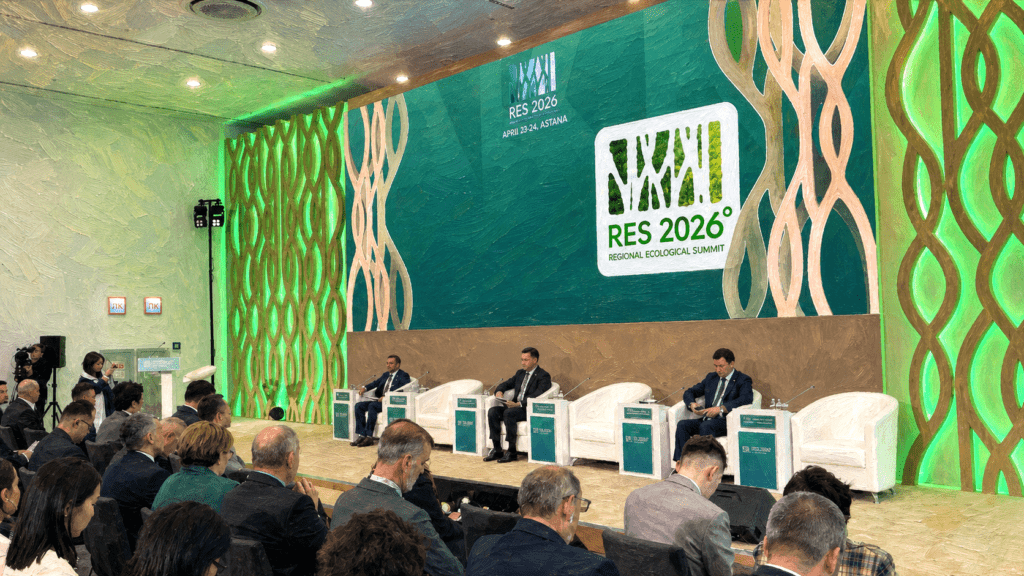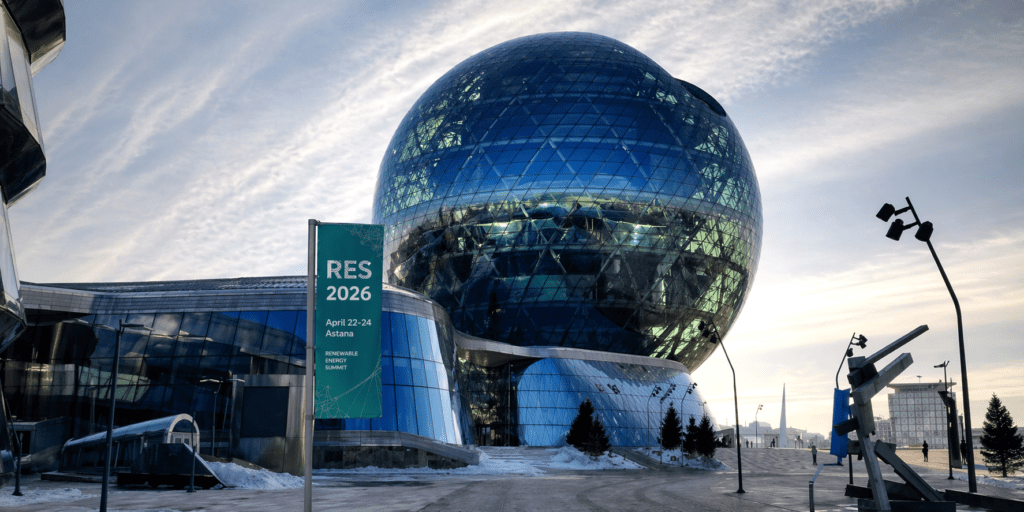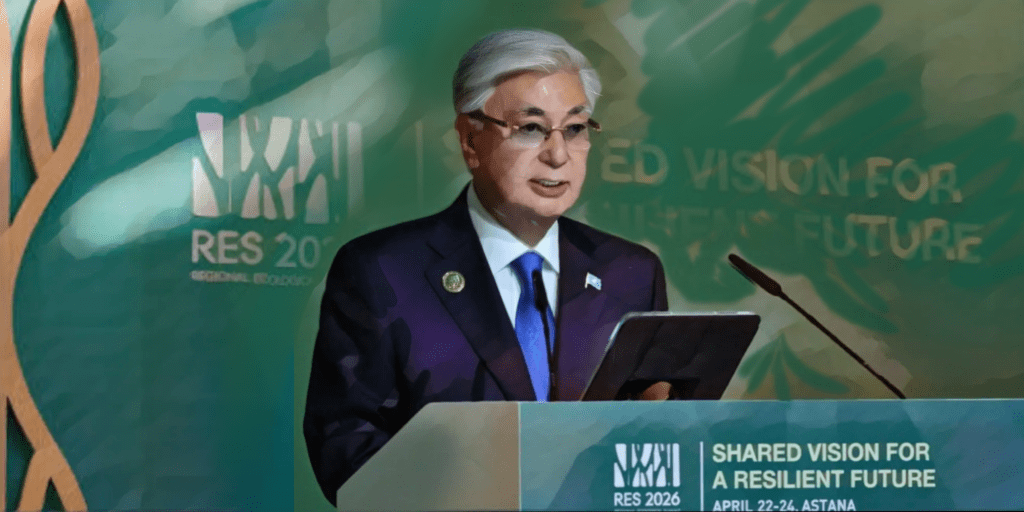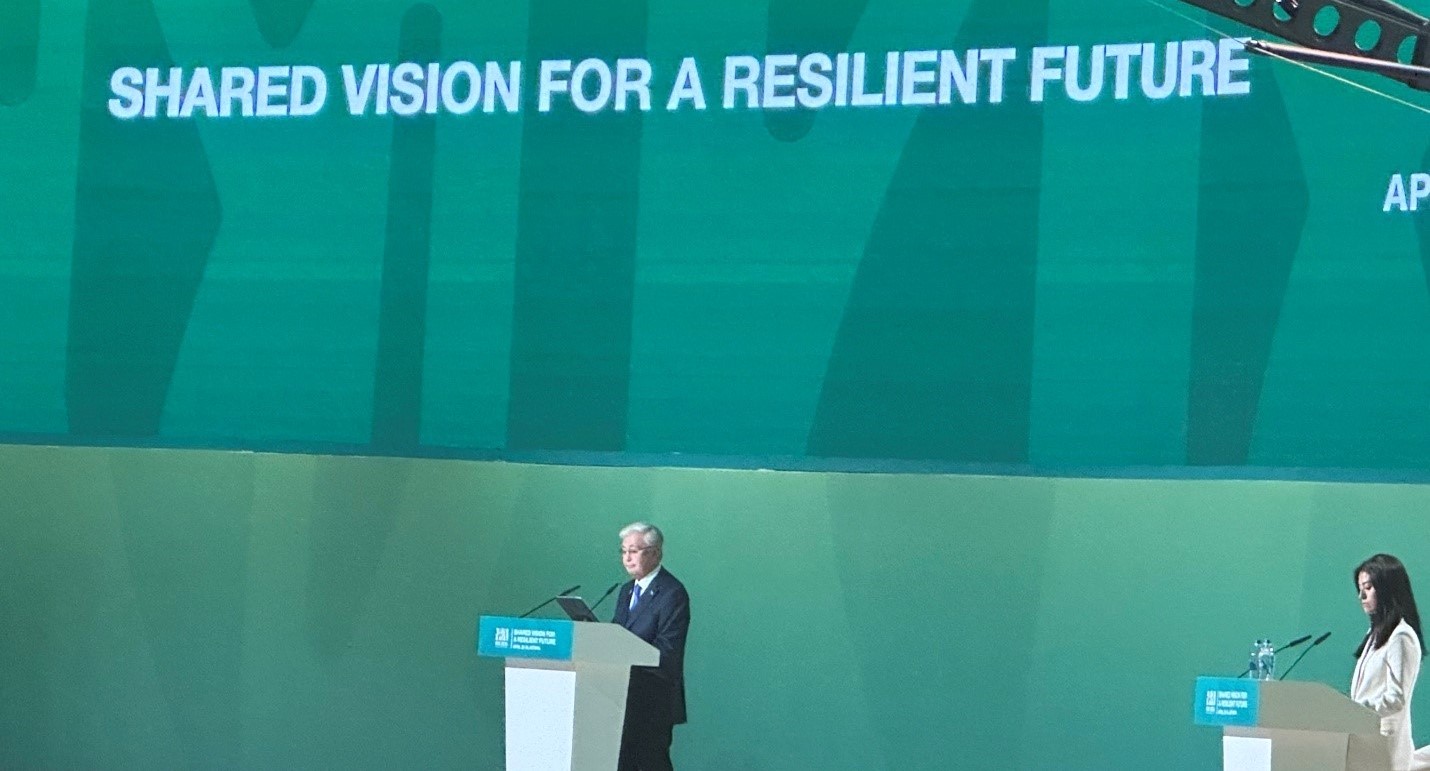
Astana, Kazakhstan – President Kassym-Jomart Tokayev used his opening address at the Regional Ecological Summit in Astana to underline Kazakhstan’s strengthened constitutional commitment to environmental protection and to call for fair, pragmatic, and unified global cooperation on ecological challenges.
Speaking on Earth Day before regional leaders and senior United Nations representatives, Tokayev described ecology as far more than climate policy alone. “It is the very foundation of human livelihood,” he said. “It is about clean air and safe water, healthy soils and secure food systems. It is about the stability of communities and the dignity of future generations. It is also about clarity of thought, harmony of our societies, and their happiness.”
The President said Kazakhstan’s new Constitution clearly reflects environmental protection as a fundamental priority of state policy and public responsibility. He described this constitutional commitment as embedding ecological safety and prosperity into the country’s long-term vision and “national DNA.”
Tokayev warned against double standards in international environmental policy, saying developing and emerging economies must not be placed at a disadvantage as the world moves toward cleaner growth models. “The global transition to cleaner models must be fair, balanced, and stimulating,” he stated.
Environmental cooperation, he added, should unite rather than divide nations and must be based on partnership, trust, and shared responsibility, “with no naming, no shaming, and no blaming.” Stressing the need for consistency in international norms, Tokayev also said: “The UN Charter is not Haute Cuisine, and cannot serve as a cherry-picking platform.”
The President identified the region’s most urgent shared ecological challenges as water scarcity and poor water management, desertification, glacier retreat, air pollution, and biodiversity vulnerability. “The time for indicating successes is over; the time for making solutions has come,” he said.
Tokayev then outlined concrete steps Kazakhstan is taking across several priority areas.
On energy transition, he said Kazakhstan intends to increase the share of renewable energy to 15% by 2030 while reducing emissions by almost 35%. Renewable sources already generate more than 7% of Kazakhstan’s electricity, and the country is moving to expand clean generation capacity while modernizing major energy facilities. As the world’s leading uranium exporter, Kazakhstan is also advancing plans for its first nuclear power plant while introducing cleaner technologies at coal-fired generation sites.
On water security, Tokayev highlighted the restoration of the Northern Aral Sea, where about 36% of the water surface has been recovered, improving water quality and fish stocks. He described the Aral tragedy as a warning for the wider region and the international community. “The Aral Sea remains a stark reminder of the consequences of unsustainable policies,” he said.
He also pointed to a new interstate program aimed at preventing further degradation of the Caspian Sea, supported by a dedicated scientific research institute. Tokayev renewed his proposal, first advanced in Ashgabat last December, to establish an International Water Organization as a United Nations agency, and said the summit would host the first round of international consultations on the initiative.
Addressing the Caspian region more broadly, Tokayev emphasized that ecological security must be accompanied by peace and stability. “Any use of military arms in the Caspian region must be excluded and banned,” he said, adding that environmental cooperation cannot be separated from the need to preserve regional trust and security.
On biodiversity and reforestation, Tokayev cited Kazakhstan’s progress in restoring key species and natural habitats. He pointed to the rebound of the saiga population and the doubling of the country’s snow leopard population to around 190 animals. He also said more than 1.5 billion trees have been planted across one million hectares over the past five years. Kazakhstan, he added, is inviting international partners to join a new International Fund for rare species and biodiversity conservation.
The President also emphasized public engagement. He said the nationwide “Taza Kazakhstan” movement has mobilized nearly one million volunteers and welcomed the United Nations’ designation of 2026 as the International Year of Volunteers for Sustainable Development. He noted that Kazakhstan’s new Constitution gives appropriate status to the volunteer movement and recognizes the state’s duty to support such civic participation.
Tokayev also highlighted the role of technology in environmental governance, noting that Kazakhstan has declared this year the Year of Digitalization and Artificial Intelligence. He said successful responses to ecological challenges are impossible without artificial intelligence, which can create new opportunities for protecting natural resources and improving environmental governance. Kazakhstan, he added, is ready to support the development of a regional digital ecosystem for ecological management.
Concluding his address, Tokayev said the adoption of the Astana Declaration on Ecological Solidarity in Central Asia, together with substantive agreements reached on the sidelines of the summit, reflected the participants’ shared commitment to a stronger regional ecological partnership. He expressed confidence that the summit’s deliberations would produce concrete joint initiatives and help transform a shared vision of a resilient future into practical action benefiting the peoples of the region.
Protecting the planet, Tokayev emphasized, is not only an environmental task, but also a moral duty, an economic necessity, and a strategic priority for peace and stability.
Rather than relying on declarations alone, the address presented Kazakhstan’s regional role as grounded in concrete green commitments and deliverables at the national, regional, and international levels – combining domestic action on renewable energy, reforestation, biodiversity protection, and volunteer mobilization with regional cooperation on water security, Caspian stability, and broader international initiatives in environmental governance.