On April 22, Uzbekistan’s President, Shavkat Mirziyoyev, took part in a meeting of the Council of the Heads of Founder States of the International Fund for Saving the Aral Sea, where regional leaders discussed growing water challenges and environmental risks in Central Asia.
The meeting reviewed the results of Kazakhstan’s chairmanship of IFAS for 2023-2026 and focused on improving environmental, water management, and socio-economic conditions in the Aral Sea basin.
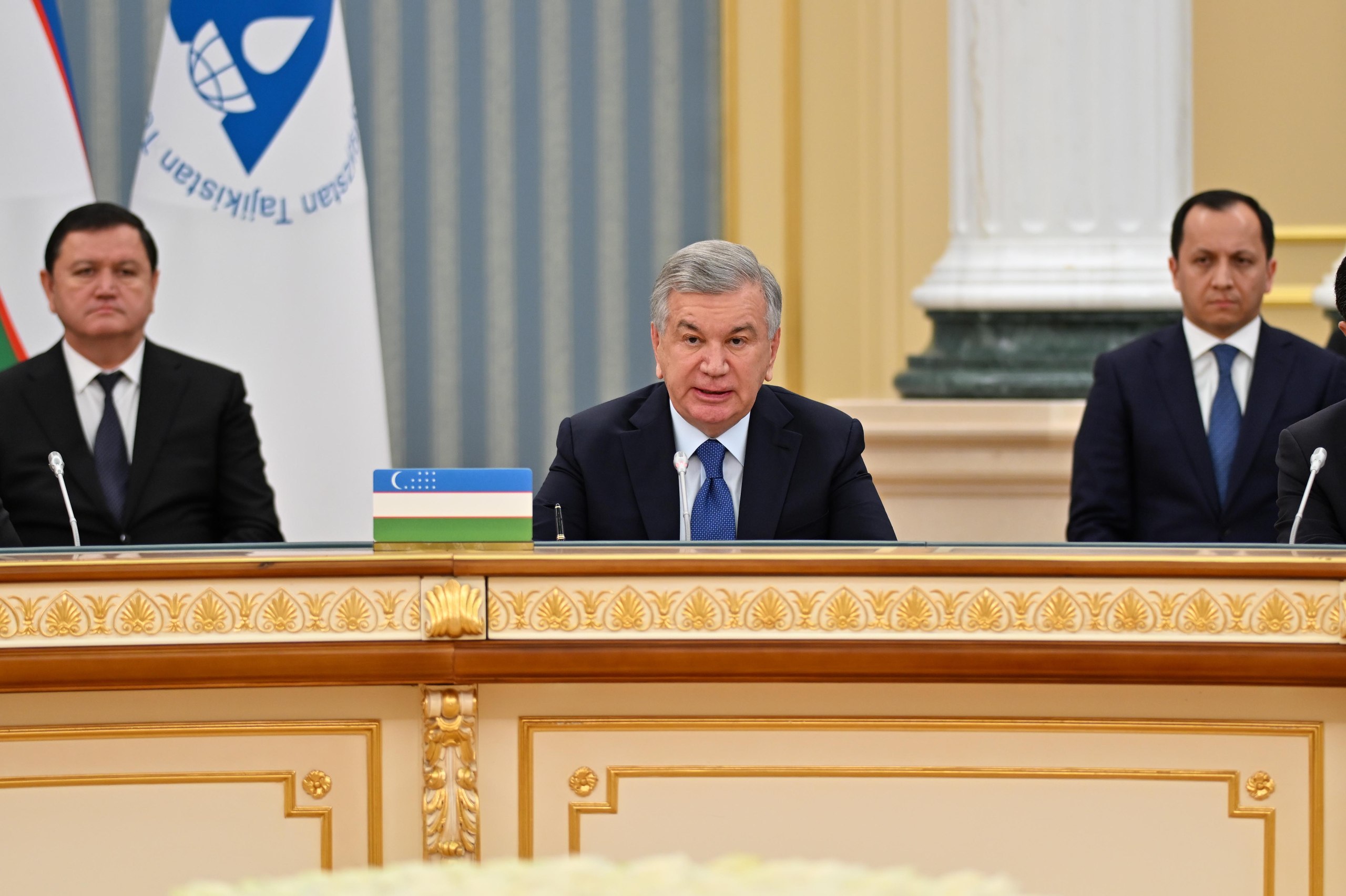
In his remarks, Mirziyoyev warned that water shortages in the region are expected to intensify. “According to expert estimates, the water deficit in the Aral Sea basin could almost double to 20 billion cubic meters per year by as early as 2040,” he said, adding that this could pose risks to drinking water supply, agriculture, energy production, and regional stability.
He also noted that water use efficiency in Central Asia remains low. In agriculture, nearly three cubic meters of water are used to generate $1 of added value, compared to roughly half that level globally.
@Akorda
Mirziyoyev outlined steps taken in Uzbekistan to address these challenges. Water-saving technologies have been introduced on 60% of irrigated land, while 40% of irrigation canals have been concreted. Modernization of pumping stations has reduced energy consumption in the sector by nearly 30%.
A unified digital database covering more than 600,000 water users and over 4 million hectares of irrigated land is also being developed. As a result, Uzbekistan has achieved annual water savings exceeding 10 billion cubic meters, with plans to increase this figure to 15 billion cubic meters by 2030.
The Uzbek president emphasized the importance of strengthening IFAS and transforming it into a key platform for regional integration. Uzbekistan is set to assume the chairmanship of the fund for 2027-2029.
Among the proposals discussed were improving the effectiveness of IFAS programs, introducing performance indicators to monitor progress, and expanding cooperation with international partners. Mirziyoyev also called for aligning the fund’s work with broader regional initiatives agreed at Consultative Meetings of Central Asian leaders.
He highlighted the need for greater cooperation on climate adaptation, glacier preservation, and combating desertification, and proposed launching a regional program titled “Water of the Future” to train farmers and businesses in water-saving technologies.
The president also stressed the importance of engaging Afghanistan in regional water and environmental cooperation and called for developing a long-term legal framework for water distribution in the basin.
Kazakhstan’s President, Kassym-Jomart Tokayev, likewise called on Central Asian countries to strengthen coordination on water resources and environmental policy amid growing climate risks.
According to Tokayev, the situation in the Aral Sea basin remains strained: despite some progress, environmental threats are intensifying faster than mitigation efforts. He pointed to rising temperatures, declining precipitation, and increasingly frequent dust storms that spread salt and chemical pollutants over vast distances, affecting ecosystems and public health.
The president emphasized that the International Fund for Saving the Aral Sea remains a key regional platform for coordinating efforts in water, energy, and environmental management. He noted that, with the support of international partners, more than 30 projects are currently being implemented in the region, with total financing exceeding $2 billion.
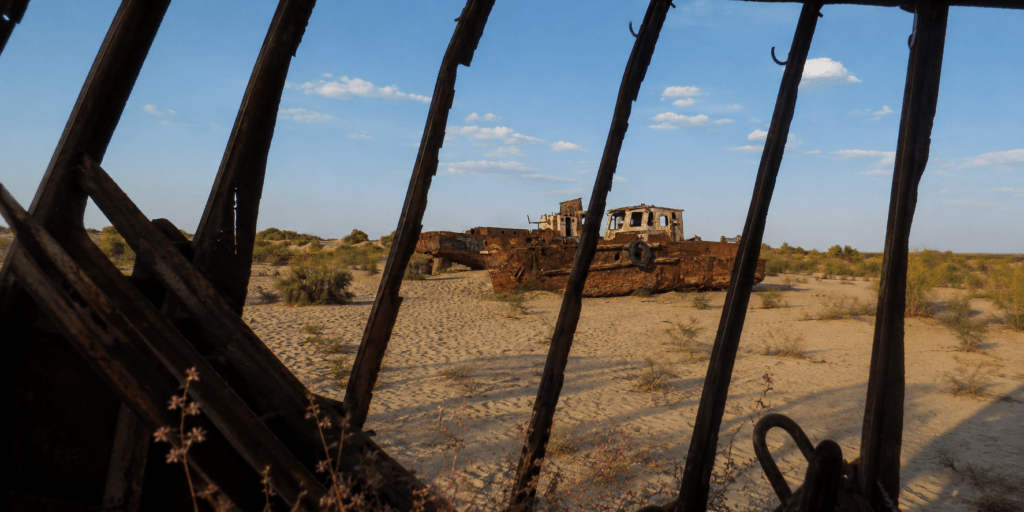
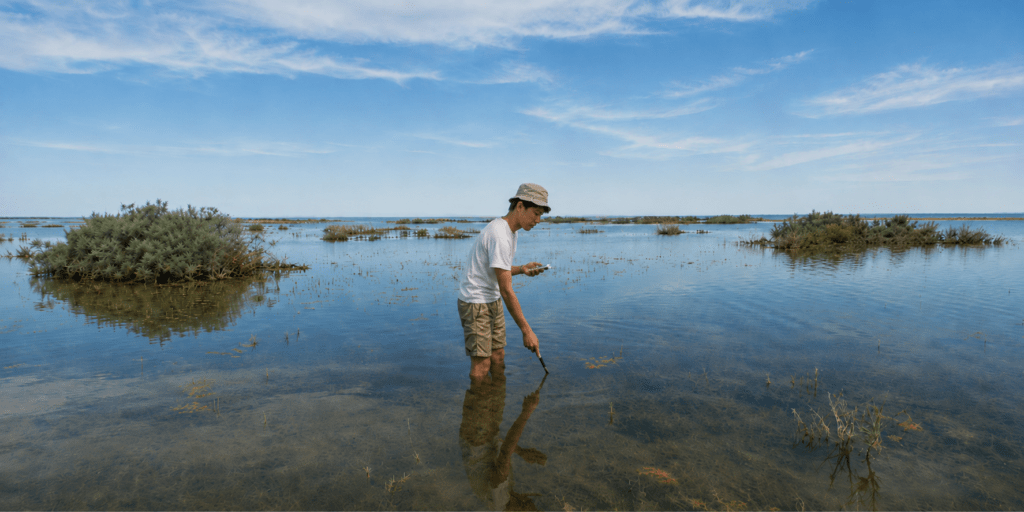
Tokayev also highlighted progress in the partial restoration of the North Aral Sea. Water volumes have increased from 18.9 to 23.5 cubic kilometers, contributing to improvements in the fishing industry and the broader socio-economic situation.
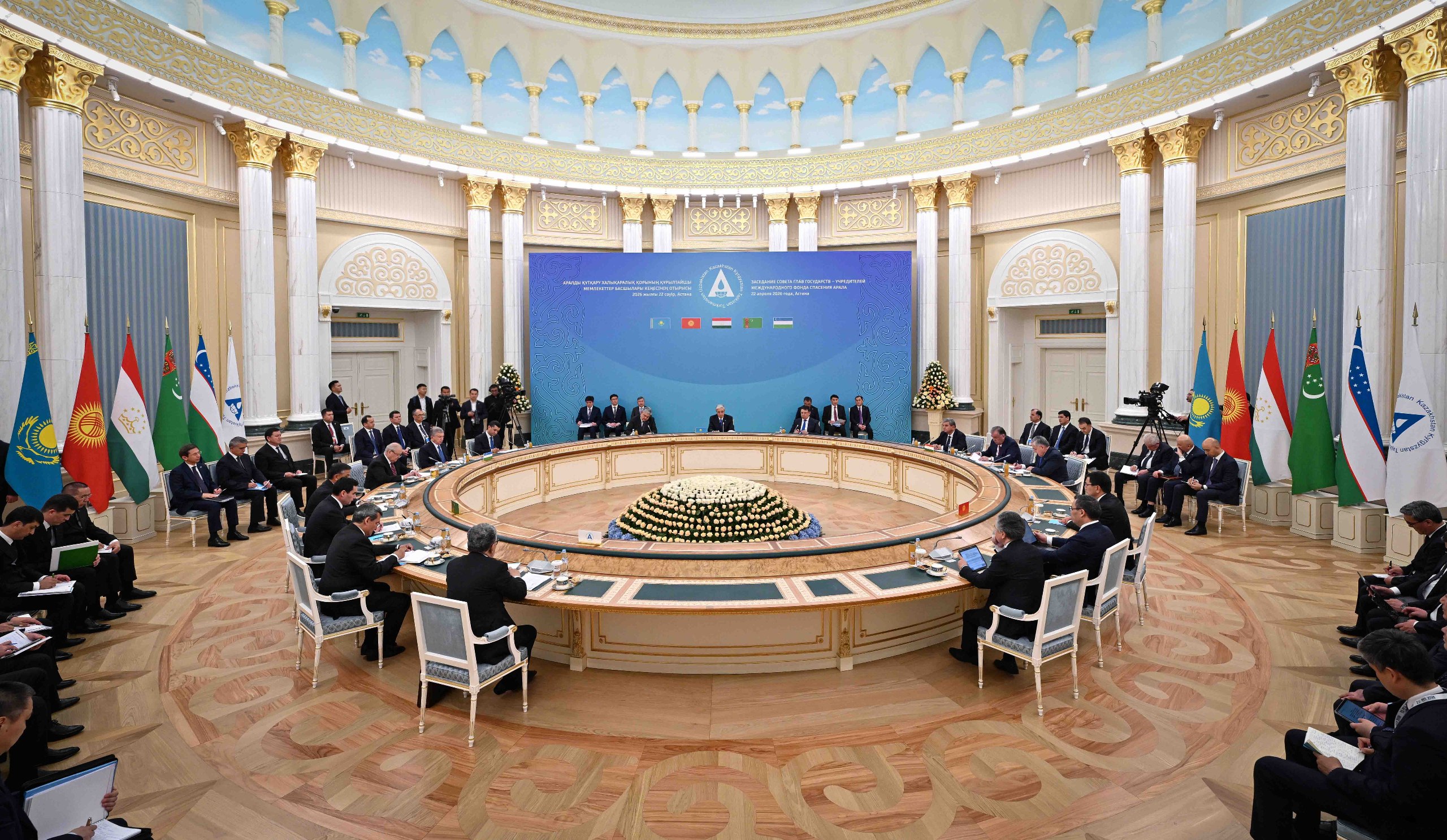
@Akorda
At the same time, he underscored persistent structural challenges, including rising water consumption and significant inefficiencies in agriculture, which accounts for more than 80% of total water use.
Among the proposed measures are developing coordinated long-term solutions, digitalizing water resource management, and creating a unified monitoring system for the Syr Darya and Amu Darya river basins. Kazakhstan and Uzbekistan have already begun automating certain sections, Tokayev noted.
He also reiterated his proposal to develop a regional framework convention on water use that would formalize principles for the joint management of transboundary water resources.
The president acknowledged that Kyrgyzstan has suspended its participation in the Aral Sea fund but expressed hope for its return, stressing the importance of full regional engagement.
Among international initiatives, Tokayev mentioned the proposal to establish a specialized water organization under the auspices of the United Nations, as well as the creation of an International Day of the Aral Sea.
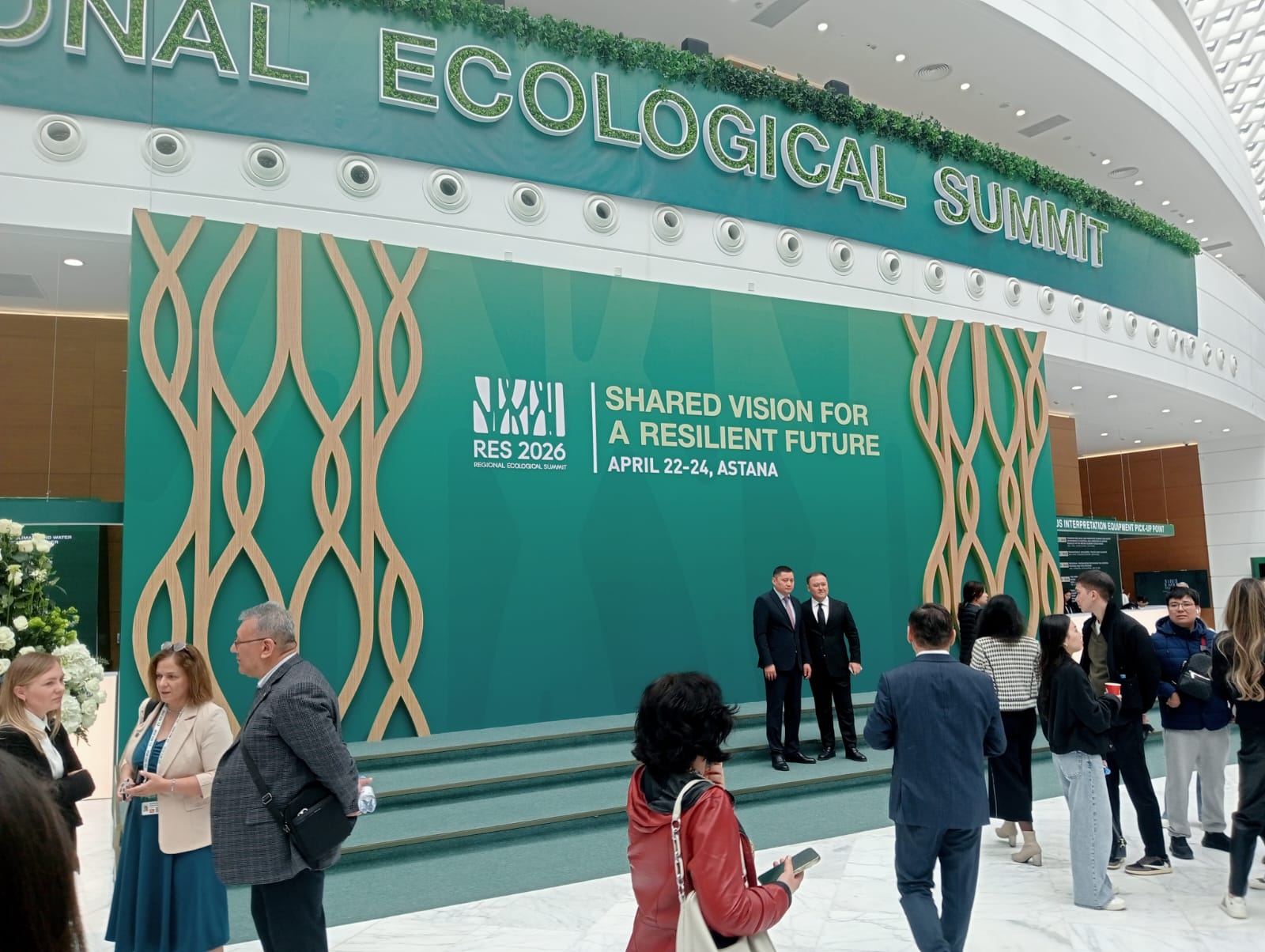
At the conclusion of the summit, participating countries signed the Astana Declaration. They adopted several decisions, including the establishment of March 26 as the International Day of the Aral Sea and the election of Uzbekistan as chair of IFAS for 2027-2029.