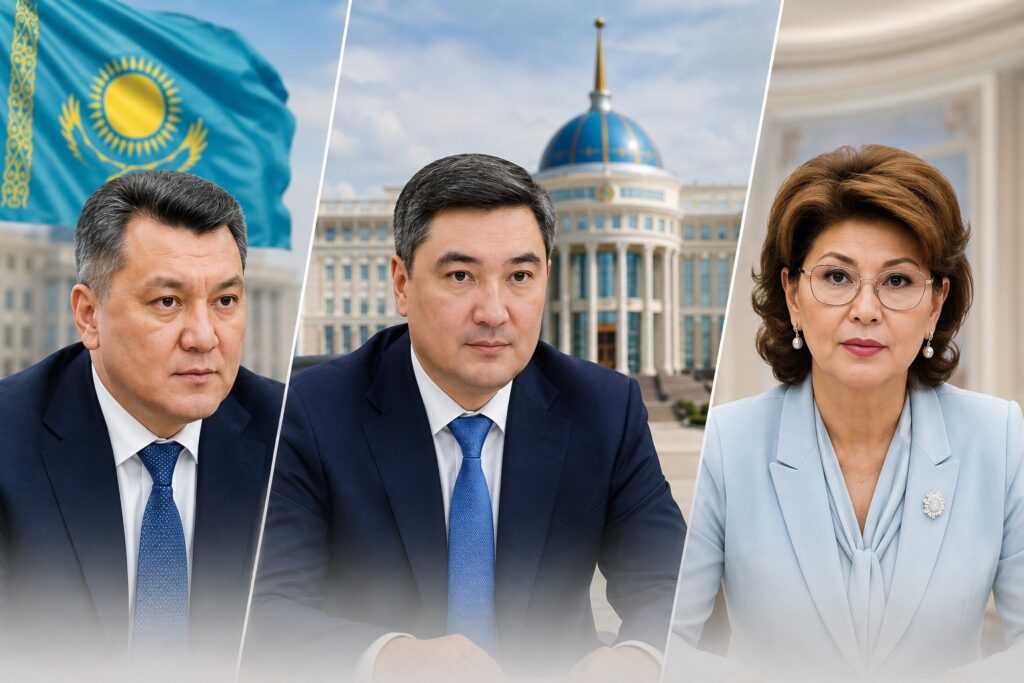
Energy and water ministers from Kazakhstan, Kyrgyzstan, and Uzbekistan signed a trilateral protocol in Tashkent on May 7 establishing agreed water release volumes and schedules from the Toktogul Reservoir for the next two months.
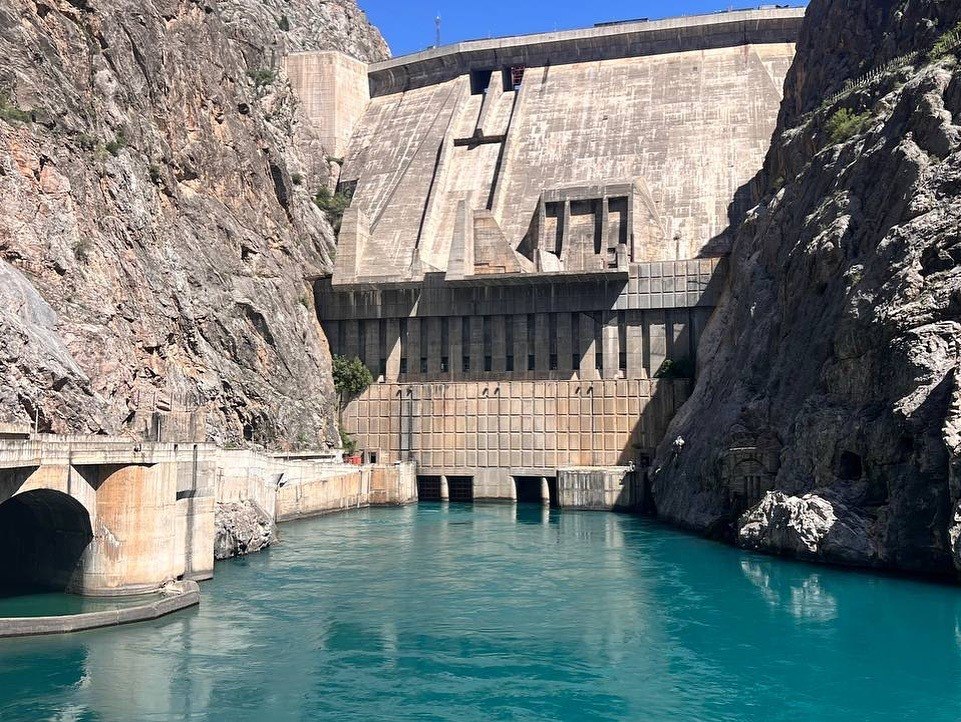
The Toktogul Reservoir plays a central role in maintaining water and energy stability across Central Asia. The Toktogul Hydropower Plant, located on the Naryn River, the main tributary of the Syr Darya, is Kyrgyzstan’s largest power station and supplies around 40% of the country’s electricity.
The reservoir serves a dual purpose: generating electricity for Kyrgyzstan while regulating water flows essential for downstream agriculture in Kazakhstan and Uzbekistan. During winter, Kyrgyzstan typically increases electricity generation to meet heating demand, often lowering reservoir levels and reducing the amount of water available for irrigation during the following spring and summer.
According to Kazakhstan’s Energy Ministry, the newly signed protocol removes uncertainty for farmers in southern Kazakhstan at the start of the agricultural season and allows both Kazakh and Uzbek farmers to begin irrigation activities on schedule.
To ensure stable water supplies throughout the remainder of the growing season, the three countries agreed to continue coordination in stages. The next ministerial meeting is scheduled for mid-June in Bishkek, where officials plan to finalize water release schedules for the critical summer months of July, August, and September.
The agreement highlights the continued functioning of the region’s interstate water-energy exchange mechanism. Coordination over summer irrigation flows was preceded by extensive cooperation during the winter season.
From September 2025 to April 2026, Kazakhstan supplied more than 1.5 billion kilowatt-hours of electricity to Kyrgyzstan, helping the upstream country reduce winter water releases for heating and preserve additional reserves in the Toktogul Reservoir for summer irrigation needs in Kazakhstan and Uzbekistan.
According to Kyrgyzstan’s Deputy Energy Minister Altynbek Rysbekov, the Toktogul Reservoir held 7 billion cubic meters of water on April 1, 2026, down from 9.14 billion cubic meters on January 1 after the winter heating season.
The reservoir’s so-called “dead water level,” the threshold below which turbines can no longer operate, stands at 6.5 billion cubic meters.