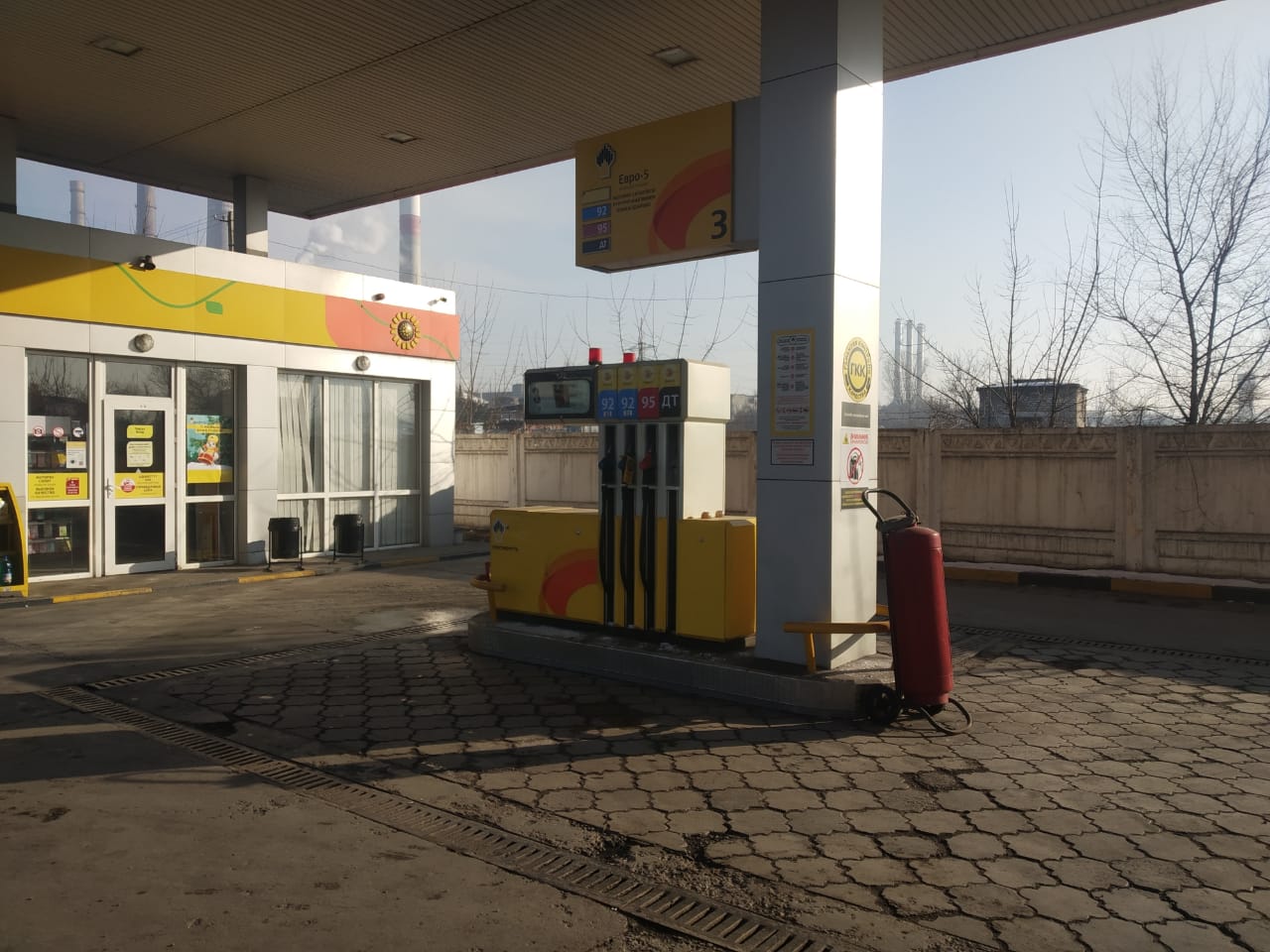
Kyrgyzstan has partially rolled back its temporary state regulation of motor fuel prices, removing AI-95 gasoline from price controls and abandoning plans to impose maximum retail fuel prices in an effort to stabilize supplies.
As previously reported by The Times of Central Asia, the Kyrgyz government introduced temporary state regulation of fuel prices on May 25 amid continued increases in gasoline and diesel prices, driven largely by the country’s dependence on imports from Russia.
The government had approved subsidies for imports of gasoline, diesel fuel, and liquefied petroleum gas through September 30, 2026, while setting benchmark import prices at $860 per ton for AI-92 gasoline, $940 per ton for AI-95 gasoline, $950 per ton for diesel fuel, and $575 per ton for liquefied petroleum gas.
Under a new resolution signed on July 7 by Chairman of the Cabinet of Ministers Adylbek Kasymaliev, AI-95 gasoline has been removed from the list of socially significant goods subject to temporary state price regulation.
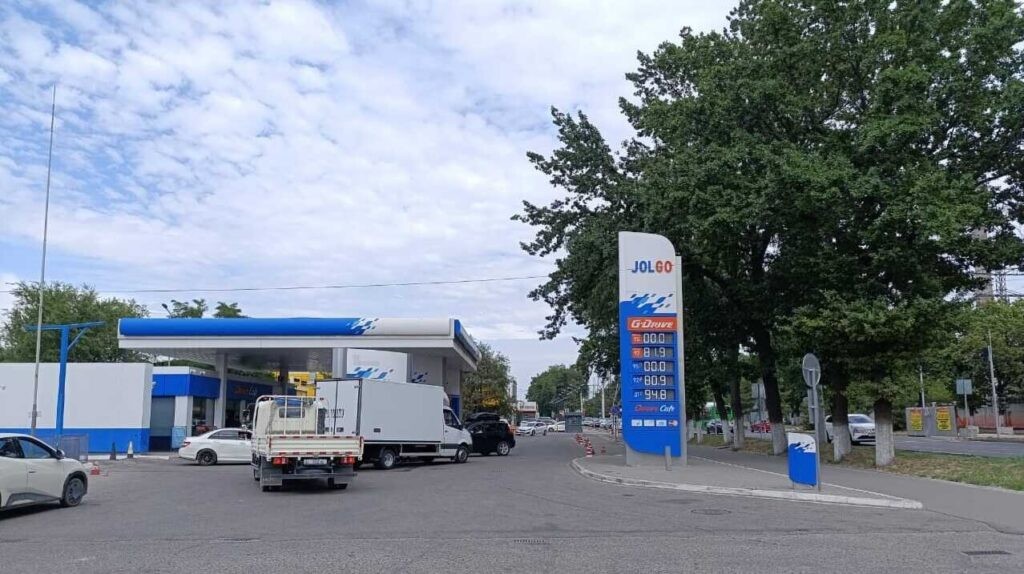
The decision effectively cancels the state price controls introduced just two weeks earlier. It follows reports that AI-95 gasoline had disappeared from several filling stations in Bishkek.
The July 7 resolution also abolishes the maximum allowable retail fuel prices established under the May 25 decree. According to the government, the changes are intended to ensure uninterrupted fuel supplies to consumers.
The policy adjustment comes as Russia continues to tighten fuel exports. In recent weeks, several Russian regions have imposed restrictions on gasoline sales following reduced refinery output caused by Ukrainian drone strikes on oil-processing facilities. Moscow has already restricted gasoline exports and imposed a temporary ban on jet fuel exports.
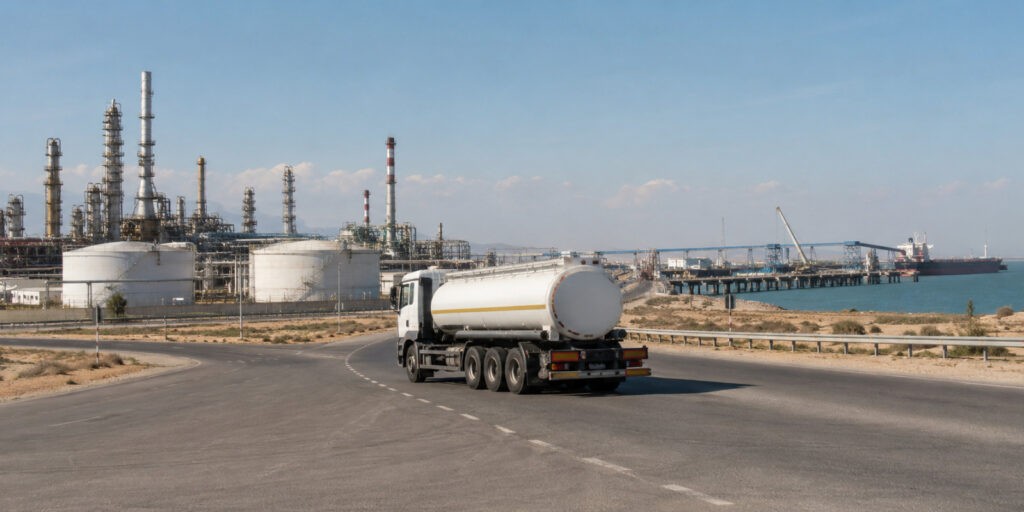
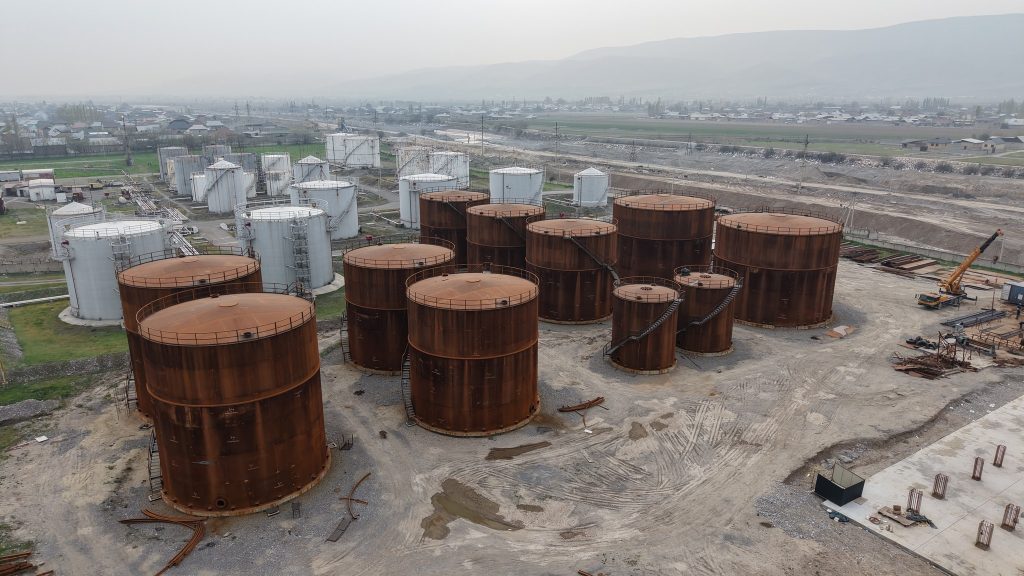
Kyrgyzstan remains heavily dependent on imported fuel. The country imports approximately 1.2 million tons of petroleum products annually, while domestic refineries meet only about 5% of national demand. Total annual fuel consumption is estimated at 1.6 million tons, with more than 90% supplied by Russia.
First Deputy Prime Minister Daniyar Amangeldiyev told the 24.kg news agency that the government is actively diversifying fuel imports through negotiations with Turkmenistan, Uzbekistan, European suppliers, Türkiye, China, Russia, Belarus, and Azerbaijan.
According to Amangeldiyev, China has confirmed a contract to supply the first 3,000 tons of jet fuel to Kyrgyzstan, while negotiations are underway for an additional 5,000 tons of diesel fuel. The Kyrgyz government has also signed agreements with Belarus covering 3,000 tons of jet fuel and approximately 10,000 tons of diesel fuel. The reversal shows how quickly price controls can collide with supply constraints in a market still heavily dependent on Russian fuel.