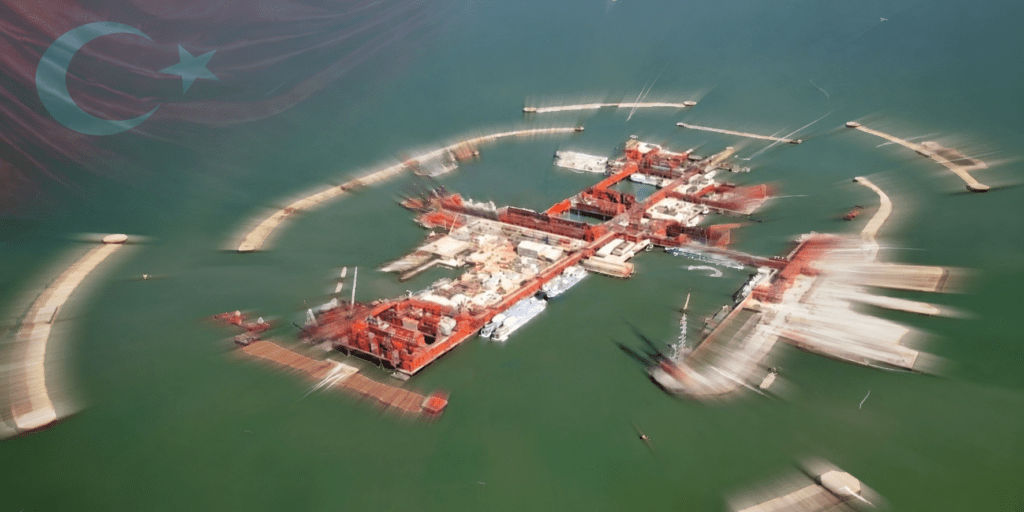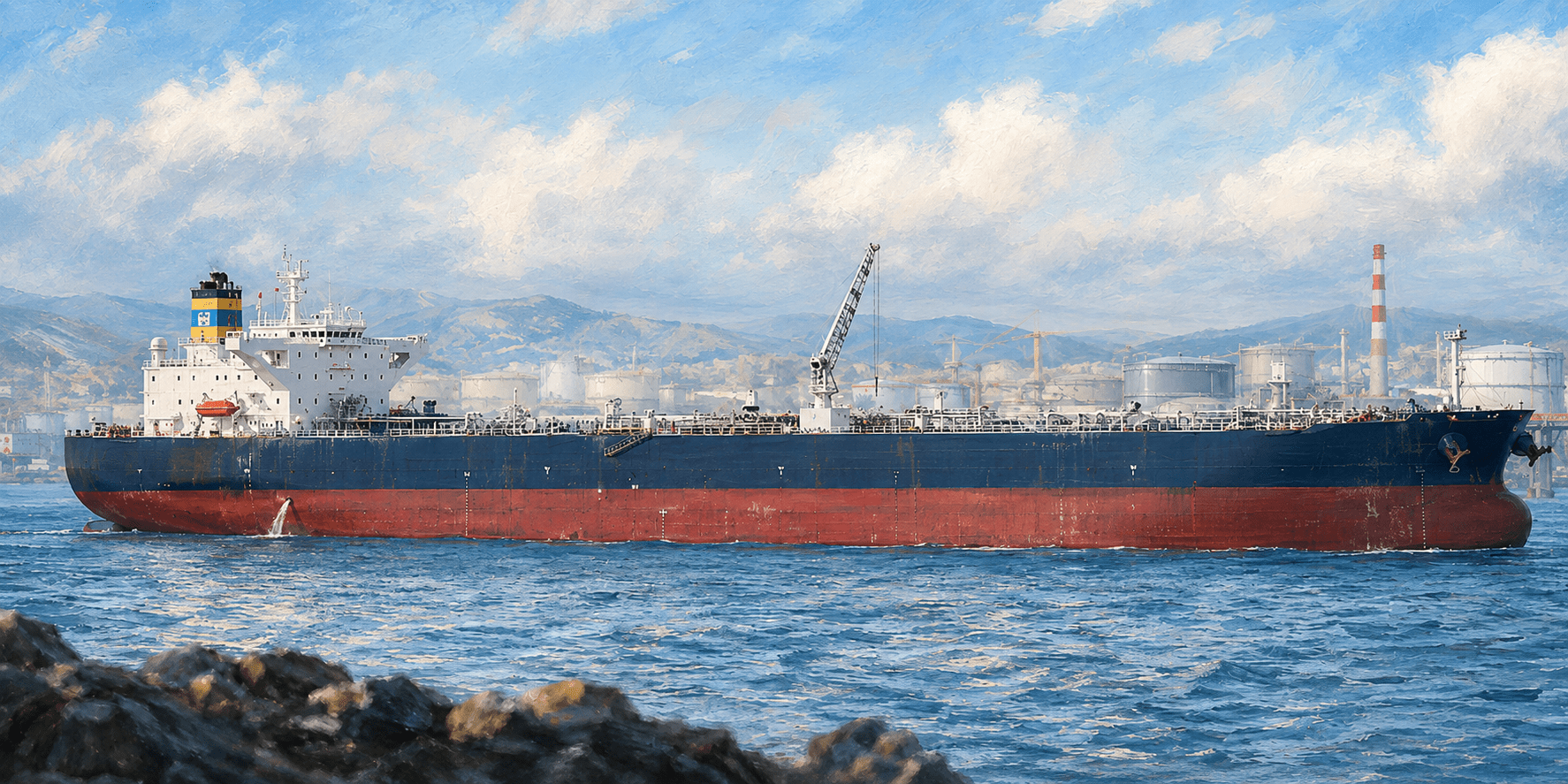
Four tankers have completed loading Kazakh crude at the Caspian Pipeline Consortium’s Black Sea terminal following the July 30 attacks, providing vessel-tracking confirmation that shipments restarted. Two have left the terminal area, while at least three more were waiting nearby, Bloomberg reported.
Chevron CEO Mike Wirth said on July 31 that the pipeline was flowing and ships were being loaded. CPC has not issued a detailed notice covering the restart, but the completed cargoes confirm that tanker loading resumed, though throughput remains below normal.
Kazakhstan’s Energy Ministry said CPC was receiving 100,000 metric tons of crude a day as of August 1, equivalent to about 730,000 barrels per day, after temporarily suspending its pipeline system on July 31.
“The CPC continues to receive oil from shippers, while storage tanks are being filled,” the ministry said. It added that further increases would depend on tankers arriving on time for loading at the marine terminal.
The offshore facility is technically capable of handling the volumes recorded before the attacks, but exports still depend on vessel availability and weather conditions.
The daily charter rate for a tanker calling at the terminal reached $338,000 by the end of last week, nearly double its level a month earlier, according to Baltic Exchange data. Some shipowners were avoiding the terminal after repeated attacks on vessels loading or waiting nearby.
An industry source familiar with operational data told Reuters that national oil and gas condensate output averaged about 1.85 million barrels per day in July, down 14% from 2.16 million barrels per day in June. Tengiz output fell 18% month on month, while Kashagan declined 25% and Karachaganak fell 18%, the source said. Tengiz was producing about 454,000 barrels per day on July 31, compared with a June average of 961,000 barrels per day. The Energy Ministry and the field operators had not confirmed those preliminary figures.
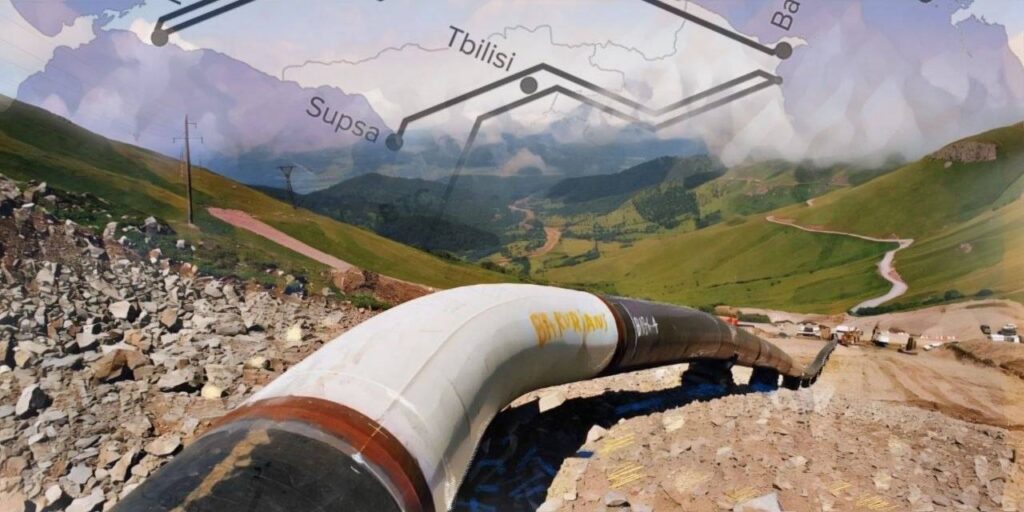
CPC carries more than 80% of Kazakhstan’s oil exports and handles most production from Tengiz, Kashagan, and Karachaganak. The pipeline runs about 1,510 kilometers from western Kazakhstan through Russia to the terminal near Novorossiysk. Russia holds 31% of the consortium, while Kazakhstan holds 20.75%. Chevron owns 15%, and ExxonMobil holds 7.5%.
Tengizchevroil is also expanding a smaller alternative route. The Chevron-led venture plans to send about 100,000 metric tons of Tengiz crude by rail to Georgia’s Batumi oil port terminal in August, Reuters reported, citing two industry sources. About 20,000 tons had moved through Batumi from the start of July, marking the first shipments on the route since March.
The planned volume for August is equivalent to roughly 24,000 barrels per day, five times the July total, but small beside Tengiz’s normal output and the volumes CPC can carry. Batumi cannot replace the pipeline, though it provides an additional outlet if security problems again slow tanker arrivals near Novorossiysk.
On August 3, the cargo ship Nadezhda was hit by a drone about 20 nautical miles from Novorossiysk, seriously injuring three crew members. The vessel was not reported to be carrying CPC crude, and the attack had no confirmed effect on the consortium’s loadings.
Exports are moving again, but July’s production losses, elevated freight rates, and the planned Batumi shipments demonstrate that normal operations have not fully returned.