A drone incident near the Caspian Pipeline Consortium (CPC) terminal outside Novorossiysk briefly halted oil loading on September 8, again highlighting Kazakhstan’s dependence on its main export route through Russia. Astana is seeking to expand alternatives, but the difference in volumes remains enormous. According to Kazakhstan’s Energy Ministry, the country exported 64.8 million tons of oil through CPC in 2025. The ministry puts shipments via the Baku-Tbilisi-Ceyhan (BTC) pipeline at 1.2 million tons annually.
Azerbaijan has said it is ready to receive up to 2.2 million tons of Kazakh oil through BTC annually, although KazMunayGas expects shipments of up to 1.6 million tons in 2026. Even this higher figure would be only around 3% of the volume Kazakhstan exported through CPC last year.
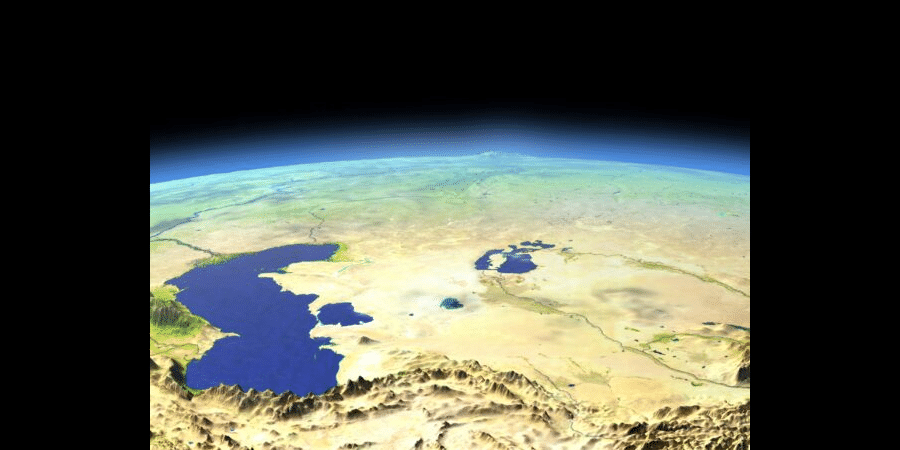
The Caspian route allows oil from Kazakhstan to bypass Russian territory entirely. Crude is shipped to the port of Aktau, carried by tanker across the Caspian Sea to Azerbaijan, and then transported through the BTC pipeline via Georgia to the Turkish Mediterranean port of Ceyhan.
However, the logistics are more complicated than direct pipeline transportation. A substantial increase in exports could require additional tanker capacity and improvements to transport infrastructure on both sides of the Caspian.
Kazakhstan also exports oil eastward to China. Another alternative is the Atyrau-Samara pipeline, although it feeds crude into Russia’s pipeline system and does not reduce reliance on Russian transit.
The latest incident temporarily stopped loading at two single-point moorings, the offshore facilities used to load crude onto tankers.
Kazakhstan’s Energy Ministry said inspections of the equipment and vessels found no issues affecting continued loading. It reported no environmental impact. Loading resumed, and CPC imposed no restrictions on accepting crude from Kazakh shippers.
CPC operations had already been interrupted several times in 2026 following attacks in the terminal area.
The disruptions have added up. Energy Minister Yerlan Akkenzhenov estimated that incidents affecting CPC in January and July had caused about 3.5 million tons of lost production. He said Kazakhstan would have to lower its 2026 oil production forecast from 98 million tons to around 96 million tons.
The problem for Astana is the scale of its dependence. CPC connects Kazakhstan’s largest oilfields to the Black Sea and accounted for approximately 82% of the country’s 78.7 million tons of oil exports in 2025.
Even doubling or tripling shipments across the Caspian would leave CPC dominant. Kazakhstan can gradually spread its exports across several routes, but the alternatives cannot currently replace its main export channel.
For more on our special coverage, click here.