The Caspian Pipeline Consortium has stopped oil loading at its Black Sea terminal near Novorossiysk after two more tankers were attacked early on July 30. The suspension came only three days after Kazakhstan resumed exports through the route following a week-long disruption.
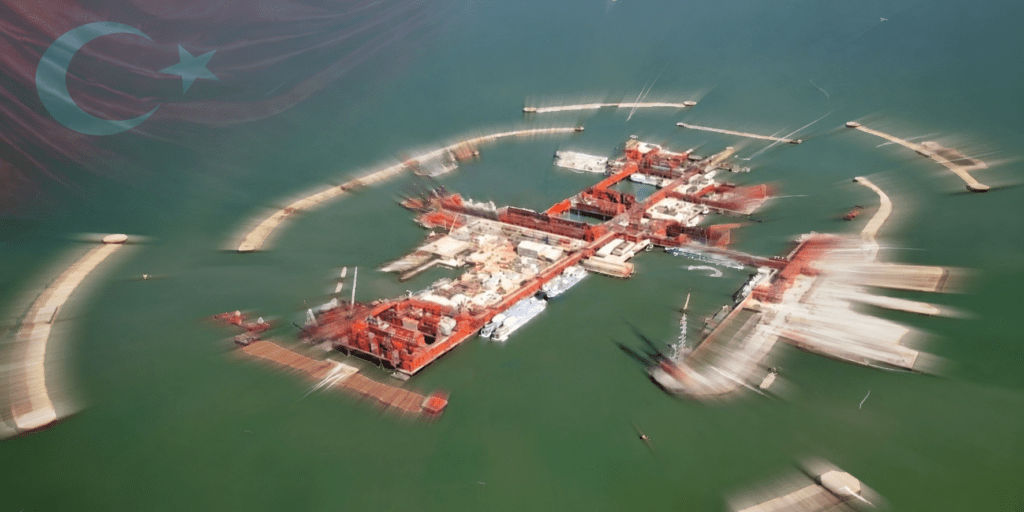
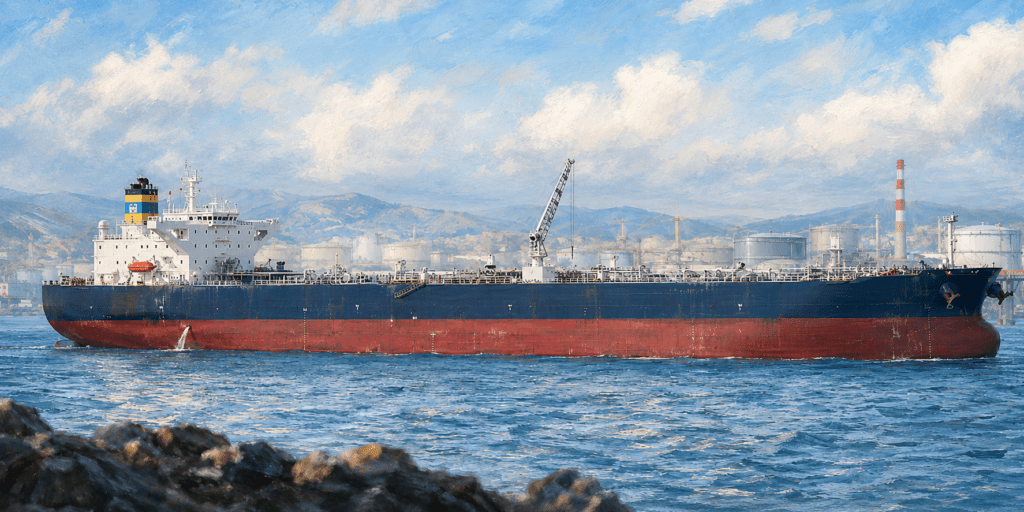
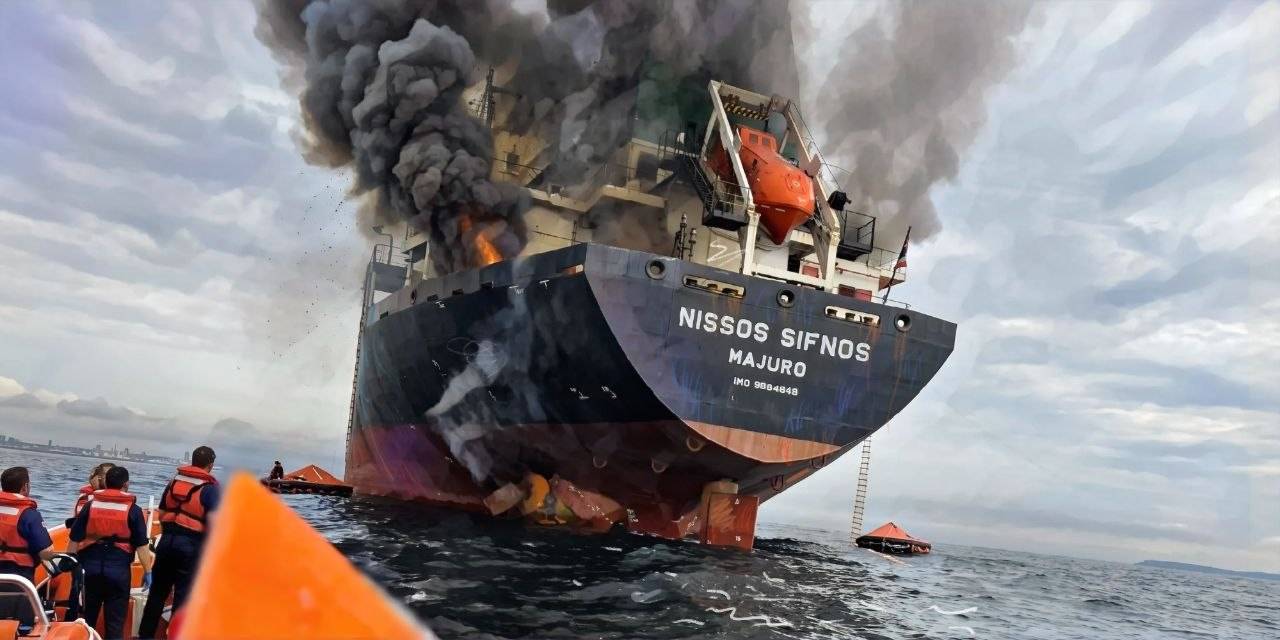
The Marshall Islands-flagged NISSOS SIFNOS was attacked at 1:48 a.m. Moscow time while loading Tengizchevroil crude at single-point mooring SPM-3, CPC said. A drone hit the cargo deck near the manifolds used to receive oil. The strike caused a fire, which the crew extinguished with help from three CPC support vessels.
CPC said no employees or contractors were injured, no oil spill occurred, and the crew did not request medical assistance or evacuation. Okeanis Eco Tankers, the vessel’s owner, said NISSOS SIFNOS sustained only minor damage, its crew was safe, and no spill or pollution occurred. The company said the tanker was continuing its voyage operations.
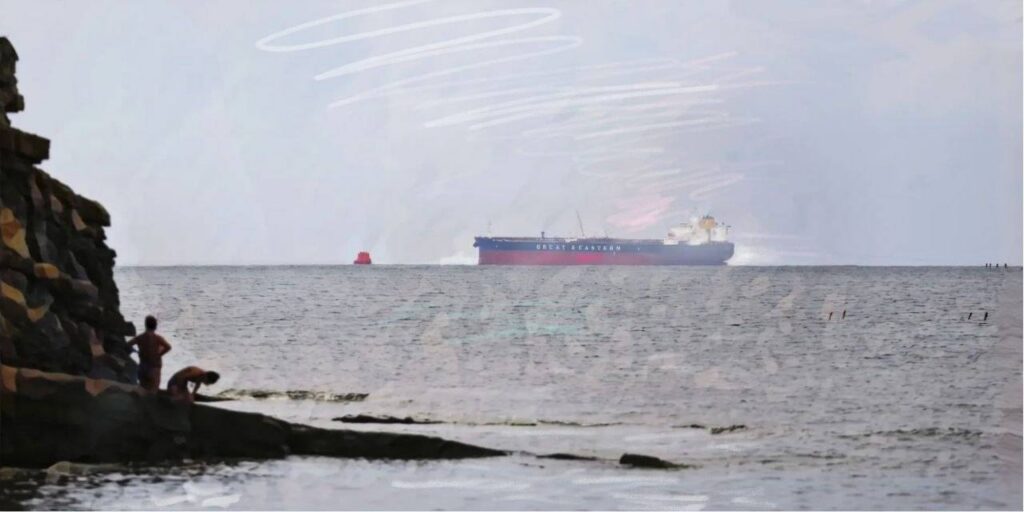
The tanker MARATHI was also attacked while awaiting a berth at the CPC terminal, about six nautical miles, or eleven kilometres, offshore. Dynacom Tankers, the vessel’s operator, said it was struck by two projectiles of unknown origin. The resulting fire was extinguished by the crew, all of whom were safe and accounted for. No pollution was reported. Dynacom said it had activated its emergency response plan and remained in contact with the crew and the relevant authorities.
“Oil loading has been stopped, while pipeline facilities are operating normally,” CPC said. The consortium did not identify who carried out either attack. No party had claimed responsibility when the suspension was announced. Ukraine’s drone forces later said they had struck four Russian tankers in the Black and Azov seas overnight but did not identify the vessels or locations. The statement therefore did not establish responsibility for the attacks on NISSOS SIFNOS or MARATHI.
CPC said appeals from Kazakhstan and its foreign shareholders had been ignored. It said some representations were made through the U.S. State Department. On July 23, the chair of the House Foreign Affairs Subcommittee on South and Central Asia, Bill Huizenga, told The Times of Central Asia that further strikes affecting CPC infrastructure would “not be tolerated.” CPC said attacks near loading equipment could cause a major fire and oil spill. The consortium also warned of damage to Kazakhstan and to shippers including Chevron, ExxonMobil, Eni, TotalEnergies, and Shell.
On July 27, CPC had restarted tanker loadings and resumed accepting oil from Kazakhstan after storage constraints forced producers to cut output.
The July 30 incidents bring the number of tankers struck near or while serving the CPC terminal during July to at least eight. The sequence began with the Chevron-chartered Yasa Polaris on July 7. Nordic Zenith was hit on July 17. ASIA and NISSOS IOS were attacked while loading Kazakh crude on July 19. NELSA was struck at SPM-1 on July 20, and HERA was reported damaged while approaching the terminal on July 23.
The earlier attacks repeatedly stopped loadings. CPC then stopped accepting crude, and tankers scheduled to collect oil changed course. The blockage quickly reached Kazakhstan’s largest fields because producers had limited capacity to store crude that could no longer enter the pipeline.
On July 22, Kazakhstan’s oil and gas condensate output fell by 21% to 1.63 million barrels per day, while production at Tengiz dropped by about 56%. Kazakhstan’s oil and gas condensate production fell to about one million barrels per day by July 26. That was less than half the June average of 2.16 million barrels per day. Tengiz, Kashagan, and Karachaganak all reduced output. Tengiz suffered the largest cuts because most of its crude depends on CPC.
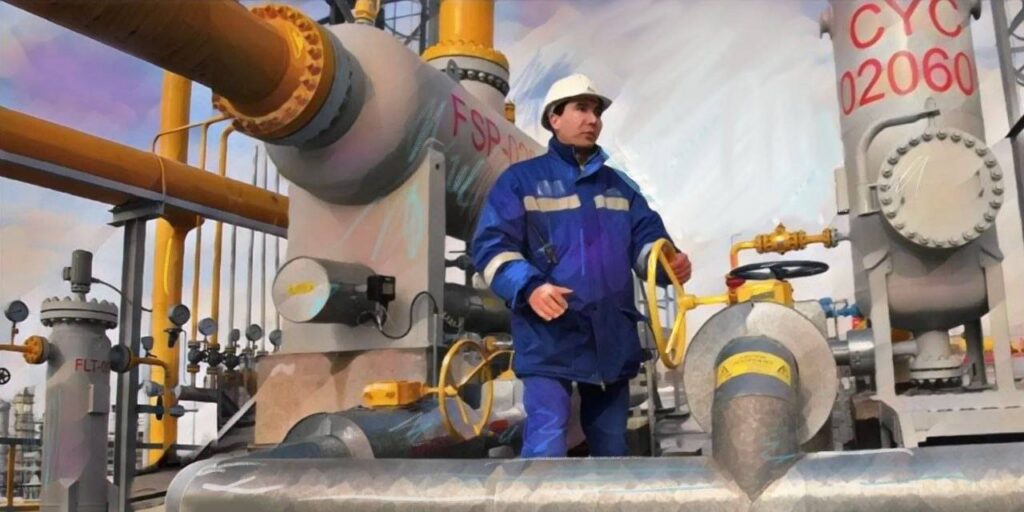
The 1,510-kilometre pipeline runs from western Kazakhstan through Russia to the Black Sea. It carries more than 80% of Kazakhstan’s oil exports and almost 2% of global supply. U.S. companies have large stakes in the route and the fields that feed it. Chevron owns 15% of CPC and 50% of Tengizchevroil, while ExxonMobil holds 7.5% of CPC and 25% of Tengizchevroil.
Kazakhstan condemned the earlier attacks and said it reserved the right to seek compensation under international law. Kazakhstan’s Energy Ministry also confirmed the July 30 strikes but did not identify who carried them out.
The renewed disruption came hours after U.S. Secretary of State Marco Rubio and Kazakhstan’s Foreign Minister Yermek Kosherbayev discussed the importance of the “reliable and uninterrupted” export of Kazakhstan-origin oil through CPC. Their July 29 call also covered energy security, critical minerals, trade, and investment. Also on July 30, Energy Minister Yerlan Akkenzhenov and U.S. Ambassador Julie Stufft discussed regional energy security, the reliable operation of export infrastructure, and stable supplies to global markets. The ministry did not explicitly link the meeting to the tanker attacks.
CPC’s pipeline facilities remain operational, but normal flows depend on tankers loading crude at offshore moorings. If the suspension continues and terminal storage fills again, Kazakhstan’s producers would likely have to cut output only days after beginning to restore it.
Editor’s note, July 31, 2026: Chevron told The Times of Central Asia: “Chevron is aware of reports of an incident involving a vessel loading at Caspian Pipeline Consortium (CPC) facilities near Novorossiysk. The safety of personnel, the protection of the environment and integrity of assets are our top priorities. Further questions regarding CPC operations should be directed to CPC.”