U.S.-based IBL Elements will test technology in Kazakhstan for treating water produced during oil and gas extraction. The treated water could be reused, while the substances it contains will be studied to determine whether valuable and critical minerals can potentially be recovered.
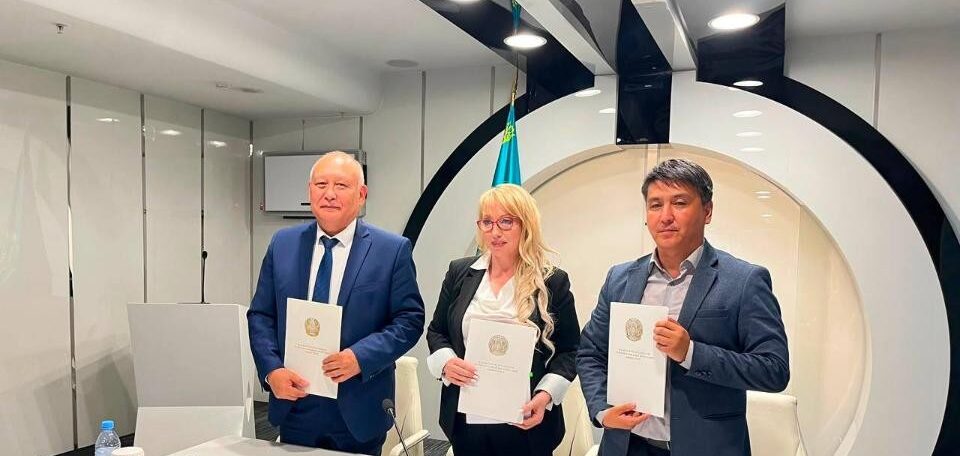
IBL Elements, the National Hydrogeological Service Kazhydrogeology, and oil producer Kazakhoil Aktobe have signed a memorandum of cooperation. The parties are preparing a pilot project to test technologies for treating industrial and produced water at oil and gas facilities.
Produced water occurs naturally in underground formations and is brought to the surface along with oil and gas. Once separated from hydrocarbons, it can be treated for reuse or disposal, or reinjected underground. The new project is intended to determine whether some of this water can be returned to industrial use.
Specialists will also study its composition and the possibility of recovering minerals. For now, the project is limited to research and testing. No commercial extraction of any elements has been announced.
IBL Elements is based in Oklahoma and develops technologies for treating oilfield wastewater and recovering minerals from brines. The company says it is developing iodine extraction technology and also plans to recover lithium and other minerals.
If the trials are successful, the technology could also be used at other oil and gas facilities in Kazakhstan, according to Bolat Bekniyaz, chairman of Kazhydrogeology.
The project comes as American interest in Kazakhstan’s critical minerals is growing. In June, representatives of more than 20 U.S. companies and government agencies attended the AMM 2026 mining and metallurgy congress in Astana. Washington is looking at projects in Kazakhstan involving not only mining, but also processing and the development of new supply chains.
For the IBL Elements project, critical minerals are only one part of the equation. The other is growing pressure on Kazakhstan’s water supplies. The country uses about 25 billion cubic meters of water annually, with industry accounting for roughly a quarter of that amount.
Kazakhstan’s new Water Code requires industrial enterprises and heat producers to gradually transition to circulating and reused water supply systems. So far, 168 transition plans have been prepared. The authorities aim to increase the share of reused water in industry from 13% to 28% by 2030.
The issue is particularly acute in Kazakhstan’s oil-producing west, where freshwater shortages coincide with large volumes of water brought to the surface during oil production. The outcome of the pilot will therefore depend on two factors: whether this water can be treated for reuse and whether it contains minerals at concentrations high enough to make their recovery economically viable.