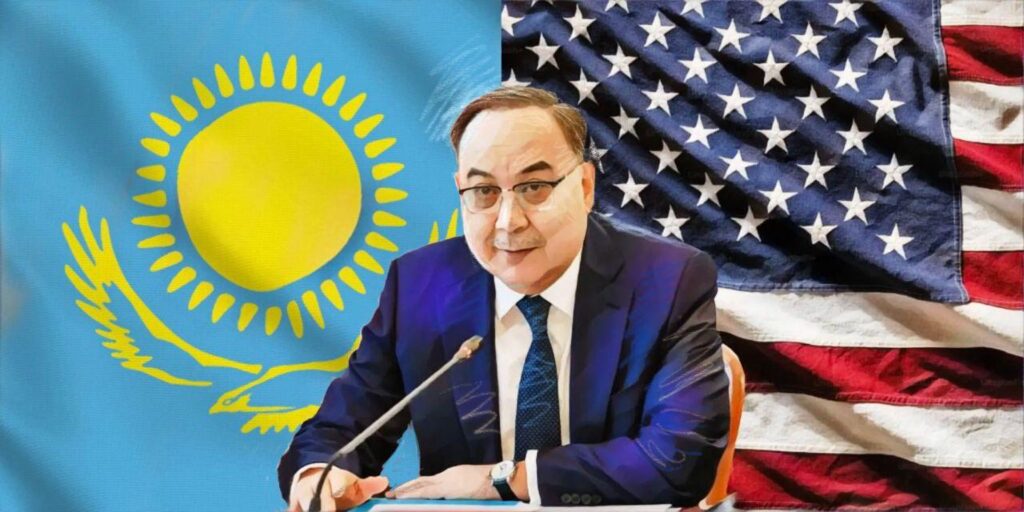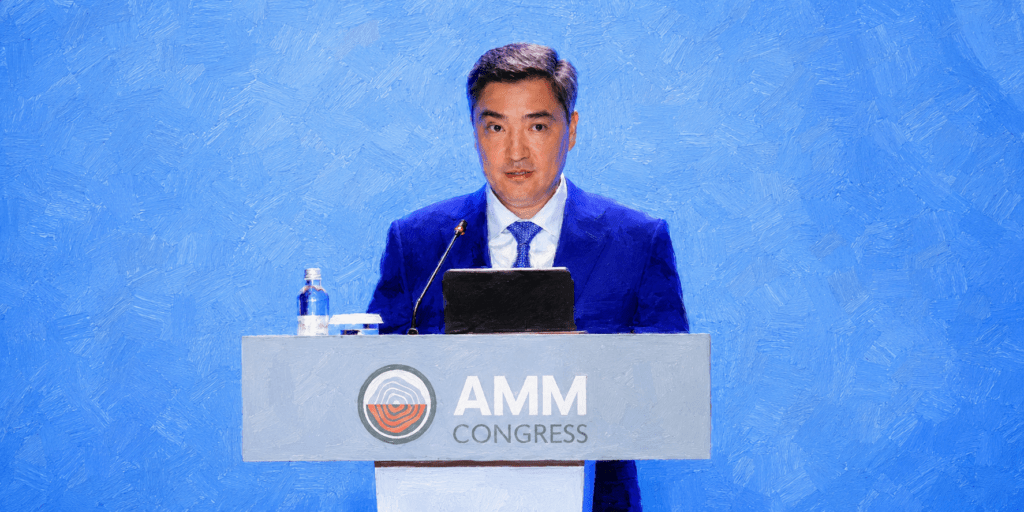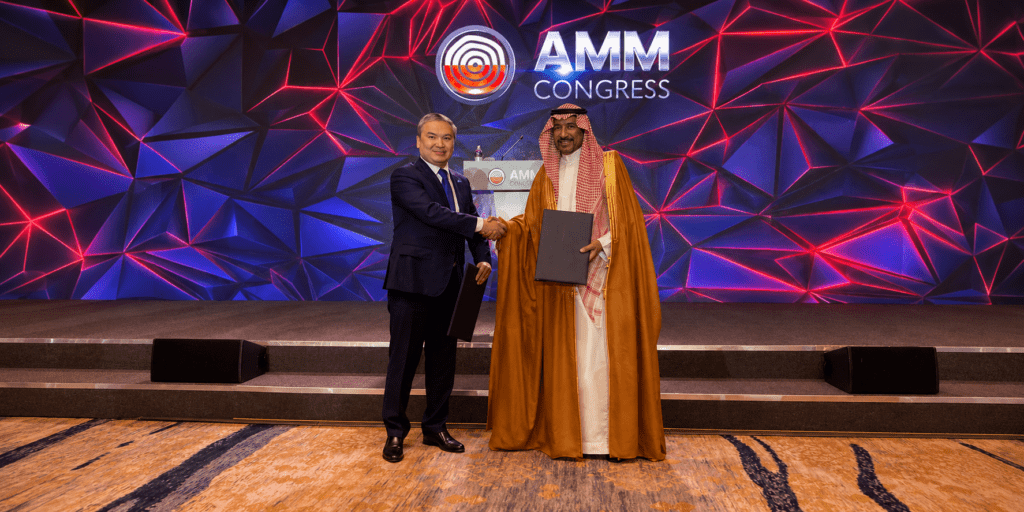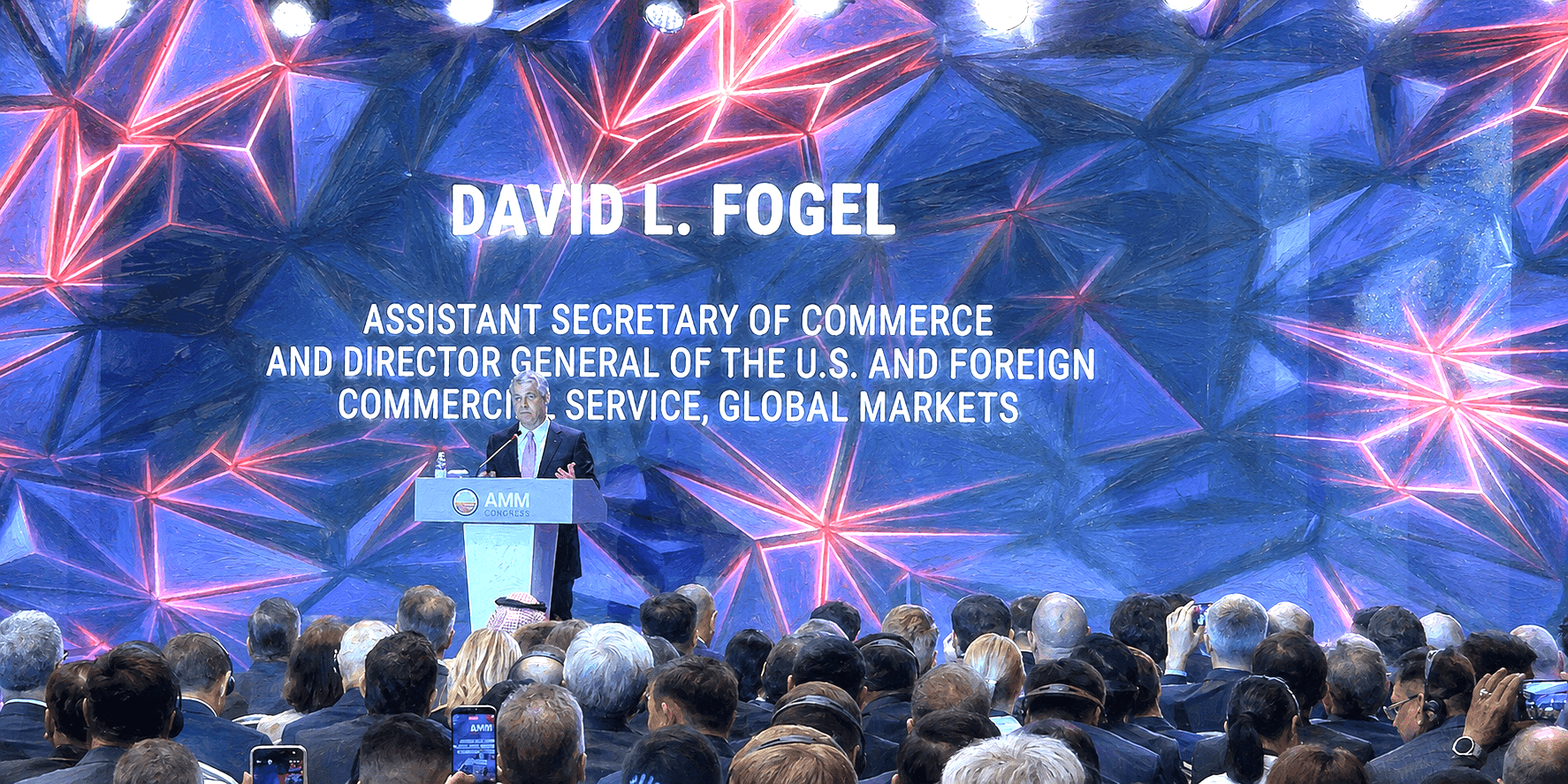
ASTANA — David L. Fogel, Assistant Secretary of Commerce and Director General of the United States and Foreign Commercial Service, told delegates at the 16th International Astana Mining & Metallurgy (AMM) Congress in Astana on June 11-12 that the United States is moving from discussion to strategic execution in Central Asia’s critical minerals sector.
Fogel’s responsibilities at Commerce include leading the International Trade Administration’s Global Markets unit, which focuses on commercial diplomacy, export promotion, advocacy for U.S. companies, and foreign investment.
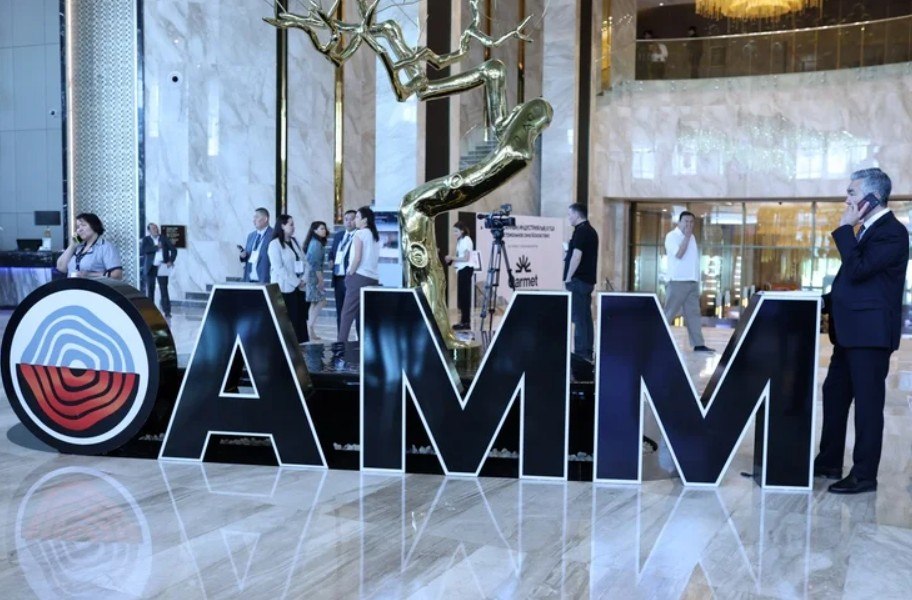
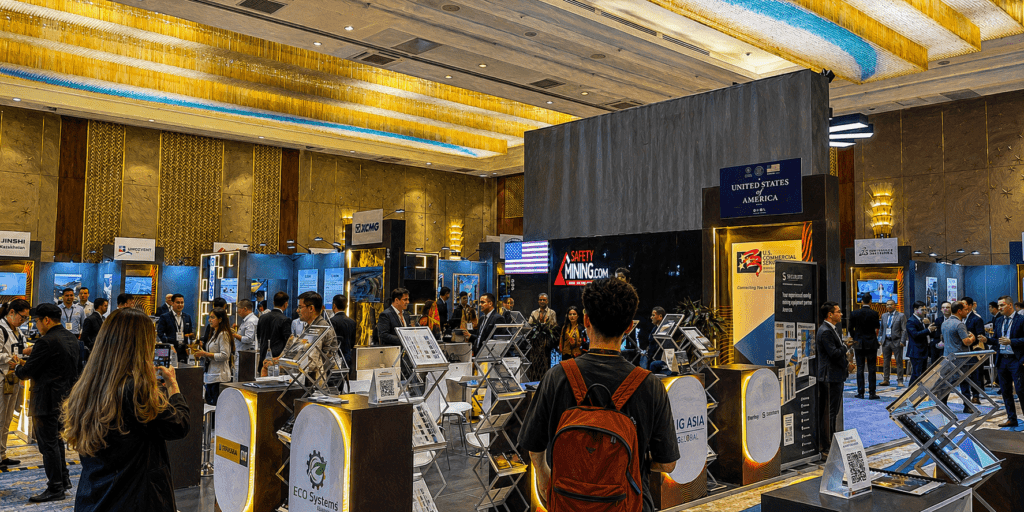
Speaking in Astana, where the AMM Congress gathered top-level mining, metallurgy, technology, finance, and government leaders, Fogel said the United States had brought a historically large delegation to Kazakhstan, including more than 20 U.S. companies and representatives from across the U.S. government. The AMM Congress is one of the region’s major mining and metallurgy platforms.
Fogel framed the visit as part of a broader U.S. strategic push to strengthen supply-chain resilience at a time of heightened global competition over minerals essential to energy, infrastructure, advanced manufacturing, and emerging technologies. Critical minerals, he said, are now among the top priorities for the United States, not only in terms of sourcing, but also processing. That emphasis is consistent with the Trump administration’s wider policy focus on processed critical minerals and derivative products as issues tied to economic security, national security, and America’s industrial base.
Fogel placed the visit within the Trump administration’s broader effort to give Central Asia greater strategic attention, particularly as critical minerals, connectivity, and supply-chain resilience move higher on Washington’s agenda. He said the current push reflects sustained engagement from senior U.S. officials, including Ambassador Sergio Gor, U.S. Special Envoy for South and Central Asian Affairs, and is being carried forward in country by the U.S. team in Kazakhstan under U.S. Ambassador Julie Stufft.
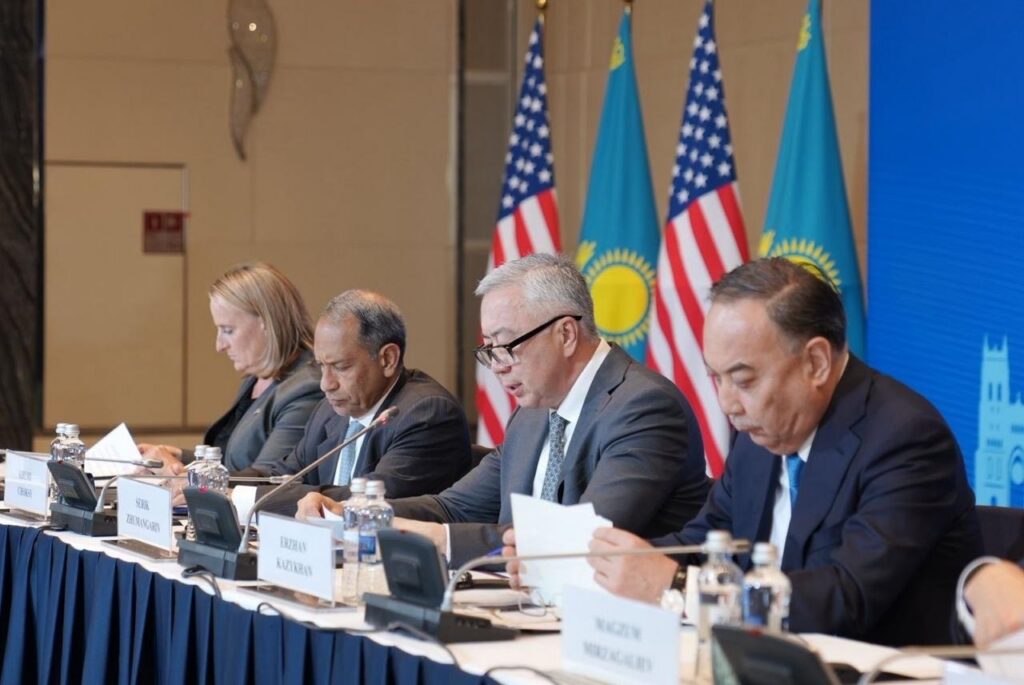
Fogel emphasized execution, saying talks related to the C5+1 Critical Minerals Dialogue the day before focused on turning a shared vision for cooperation into practical outcomes. “How do we take this vision of cooperation and put it into actionable projects?” he asked. According to Fogel, the objective is to turn plans into tangible ventures that can attract capital, technology, and long-term business participation.
Fogel’s point was that the United States is looking for projects that strengthen critical minerals supply chains while building strategic relationships, rather than organizing endless rounds of declarations that lead nowhere. He presented the process as a disciplined commercial and strategic effort of identifying the right opportunities, minimizing risk for companies weighing where to direct their resources, applying consistent international standards, and creating conditions in which American companies can compete.
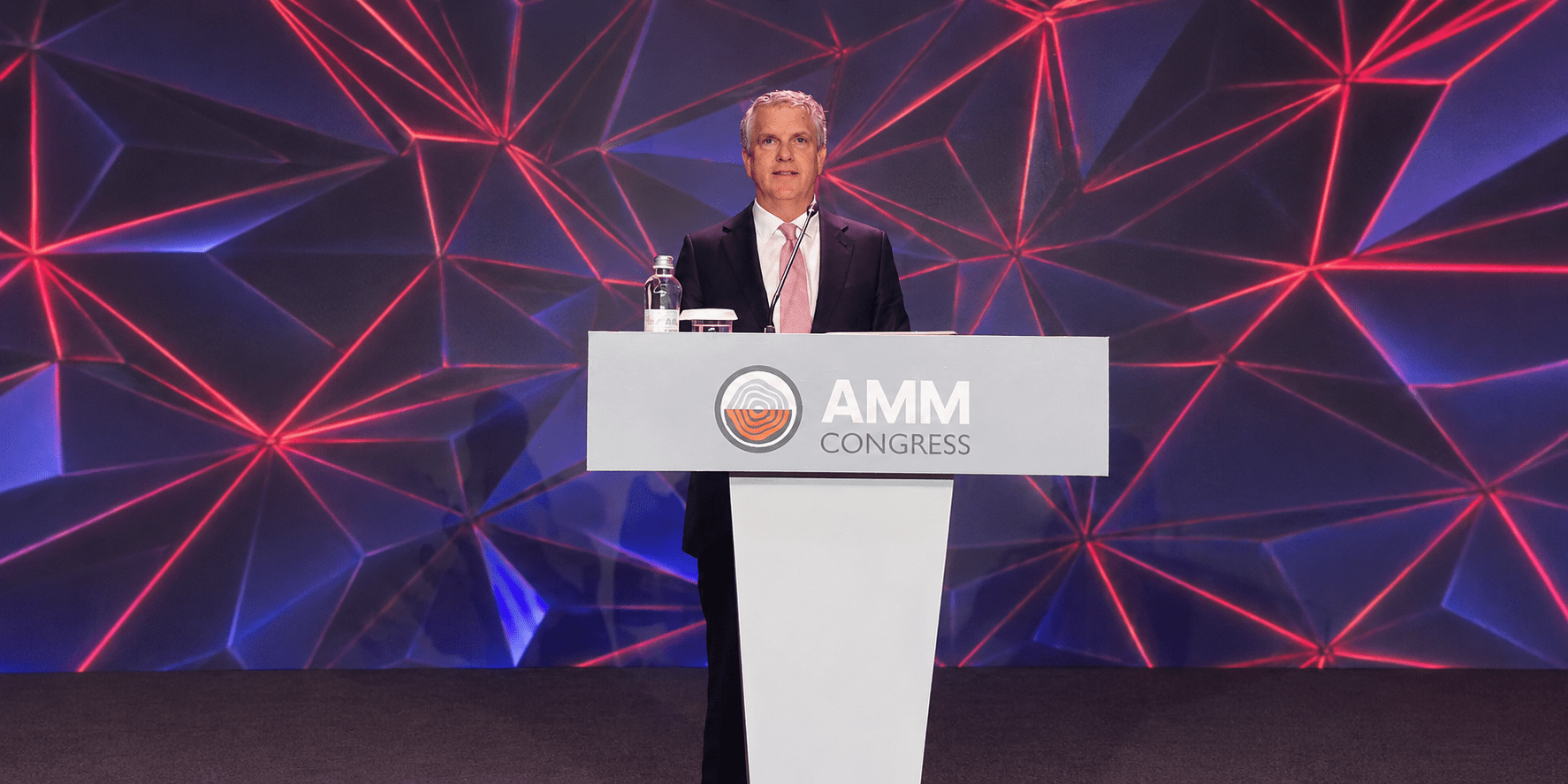
Image: TCA
The practical implication of Fogel’s remarks was that enthusiasm for mineral resources alone is not enough to draw major long-term investment. Companies need reliable mapping, credible surveys, and consistent international standards that allow projects to be assessed and financed. In that sense, geological data and standards are not technical details, but the bridge between mineral potential and bankable projects backed up by solid in-country partners. With that groundwork in place, he said, the United States and Kazakhstan can work together for mutual benefit, i.e., arrangements that serve the strategic interests of both countries.
Fogel framed the critical minerals discussion within the context of the seasoned U.S.-Kazakhstan commercial relationship. American companies, he noted, have been investing in Kazakhstan for 35 years, with more than $100 billion invested over that period. That track record gives the current effort a stronger foundation. Kazakhstan is not an unfamiliar market for U.S. firms, but a country where large, long-term projects have already been built and managed with American partners. For Washington, critical minerals could mark the next phase of investment and trade ties built on commercially viable and strategically important projects. “We are here for the long term,” he said, describing the effort as the foundation for a “multi-decade relationship.”
He also used the platform to highlight what American companies bring to the table. Fogel said his own Commercial Service network includes about 1,200 trade professionals across 84 markets. He described U.S. companies as sources of financial resources, technology, and an entrepreneurial “can-do” approach. The United States, he said, is action-oriented, results-oriented, and outcomes-oriented.
Fogel closed with a direct appeal to the business audience in Astana. “Now is the time for action,” he said. “Less talk and more action.” He urged participants to engage with U.S. companies and with the U.S. Commercial Service team in Kazakhstan.
Fogel’s remarks positioned the United States as serious, commercially focused, and invested in the effort. His broader message was that the United States and Kazakhstan “need to build for the future,” especially in the area of critical minerals, which is no longer just a subject for dialogue but a strong basis for further strategic engagement. Under the Trump administration’s renewed emphasis on Central Asia, Washington wants projects, partners, standards, and results that are mutually beneficial arrangements.
For more on the Astana Mining & Metallurgy Congress and Exhibition 2026, see our special coverage.
Follow our interactive critical minerals timeline tracing the partnerships, investments, and policies reshaping U.S. engagement with Central Asia.