When Gulzira Zhantemir arrived in Kiel, Germany, in 2017, she spoke virtually no German or English. Behind her were eight years at a ballet school in Almaty and three seasons at Astana Opera; ahead lay an unfamiliar country and theater system in which she would have to prove herself all over again.
Nine years later, Zhantemir is completing this chapter as an established member of Ballett Kiel, with a repertoire encompassing classical and contemporary work. In 2023, the Gesellschaft der Freunde des Theaters in Kiel awarded her its Förderpreis in recognition of her work with the company.
For Zhantemir, the path to this European career began much earlier, in Kazakhstan, and almost by chance.
At the age of four, her mother enrolled her in a dance group at the local Palace of Schoolchildren, a type of extracurricular education center common across the former Soviet Union. Her first classes were not in ballet.
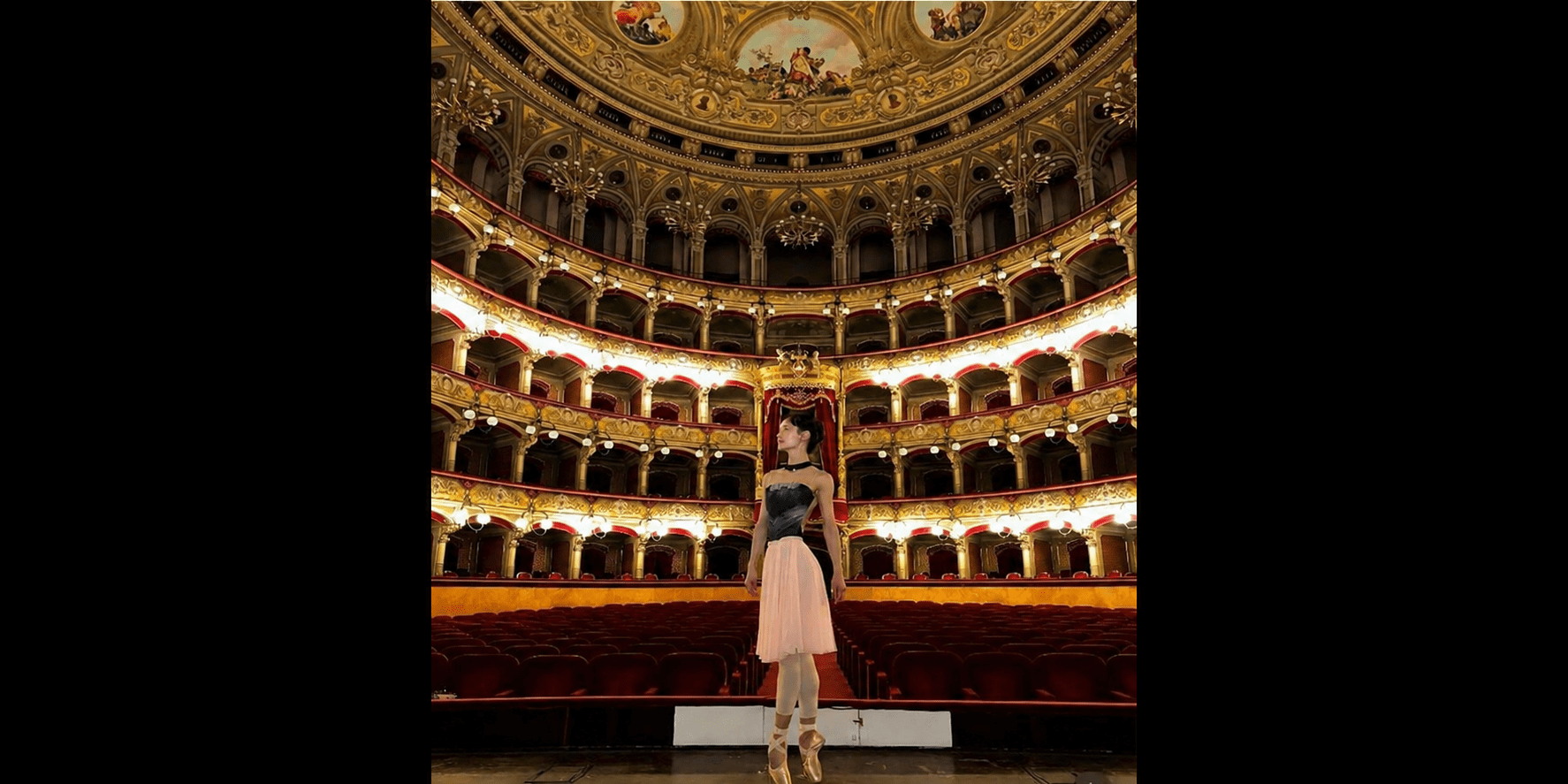
Everything changed in the fourth grade, when teachers from the Alexander Seleznev Almaty Choreographic School came to her school looking for children suited to professional training. Her mother enjoyed watching ballet on television and encouraged her to try.
At 10, Zhantemir entered the school and began eight years of professional ballet training, with daily classes and rehearsals alongside rigorous academic preparation. She graduated with honors in 2014 and won a gold medal at the Orleu International Ballet Competition that same year.
After graduating, Zhantemir joined Astana Opera, the State Opera and Ballet Theatre in Kazakhstan’s capital.
She had long wanted to move to Europe. Doing so meant leaving behind an established professional life and starting again with an audition.
In 2017, Zhantemir successfully auditioned for Ballett Kiel, part of Theater Kiel, the municipal theater in this northern German city. The move also required her to adapt to a different way of working.
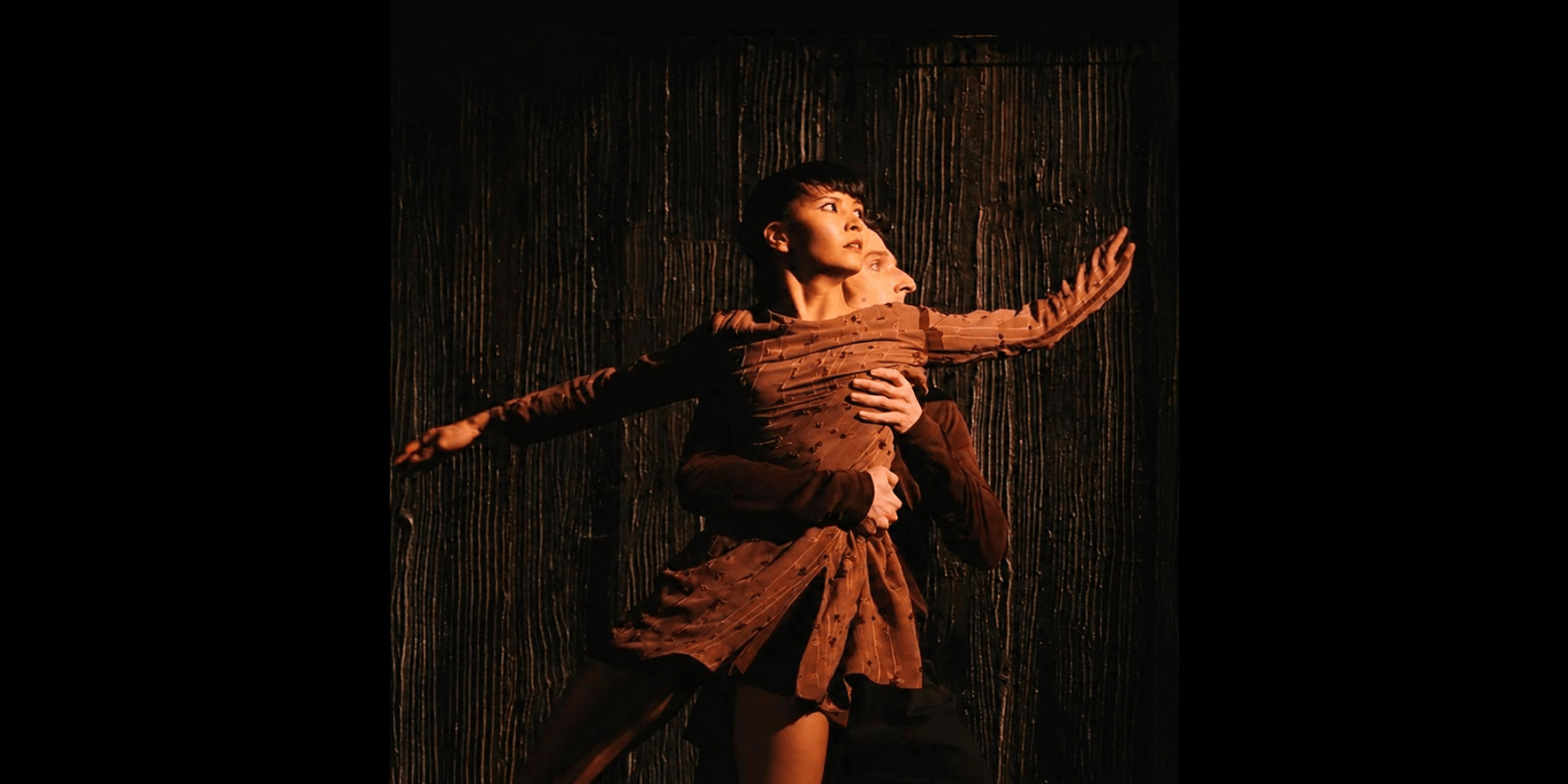
“At Astana Opera, there was more time for rehearsals for each production and more space. Theater Kiel is much more compact, and we have one main stage, so we have to plan our time very precisely,” Zhantemir said.
Even with those constraints, Kiel offered the professional variety Zhantemir had sought in Europe. “Working abroad gives you an incredible opportunity to train with guest choreographers and teachers from around the world and learn different contemporary and classical techniques,” she said.
Outside the theater, other dancers from Kazakhstan and Ukrainian choreographer Yaroslav Ivanenko, who led Ballett Kiel for many years, helped her settle in while she learned German.
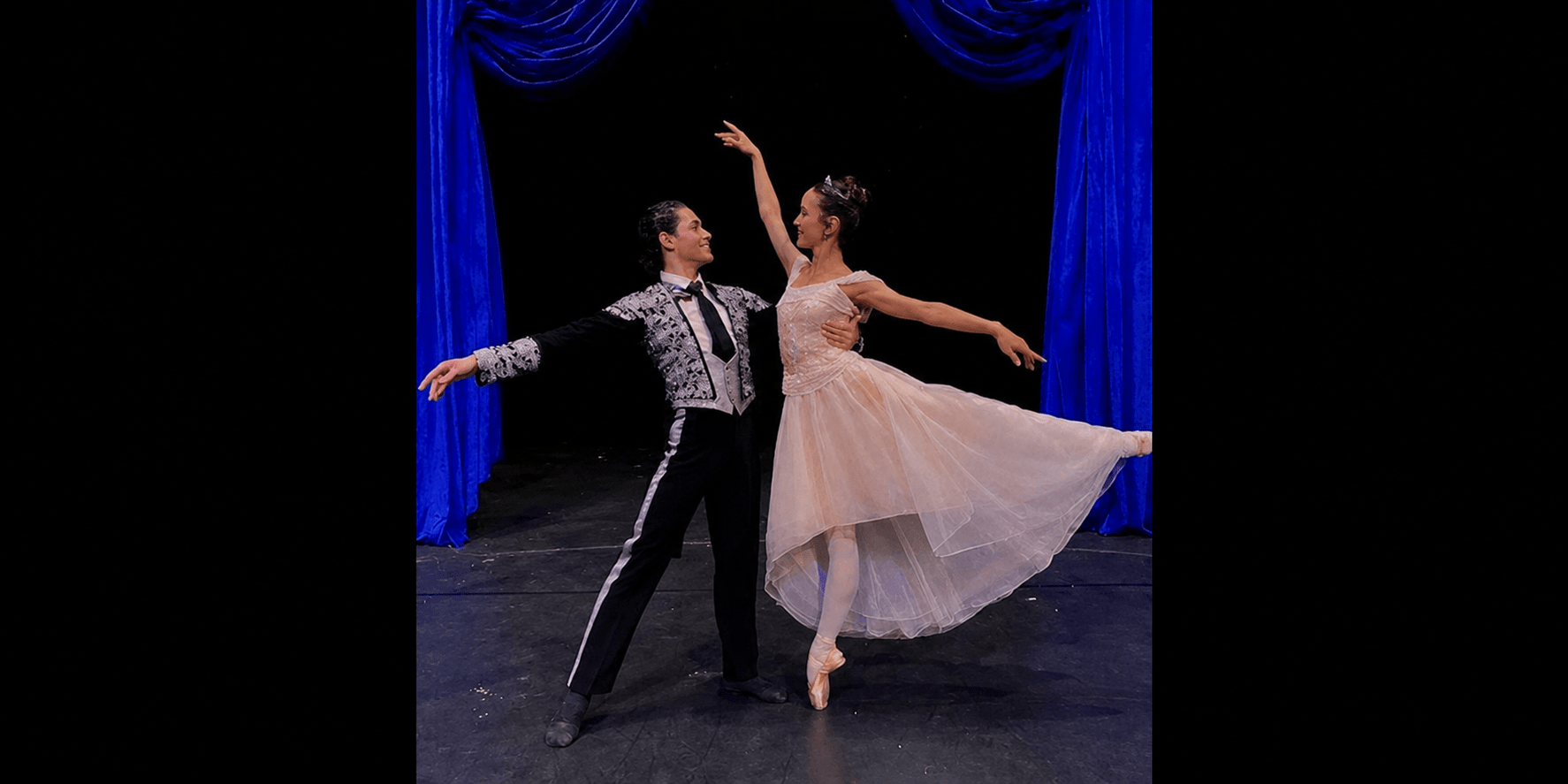
Gradually, her list of roles grew beyond the classical repertoire. Zhantemir danced both central female roles in Giselle, Giselle herself and Myrtha, Queen of the Wilis. Her repertoire came to include Odette in Swan Lake and Hermia in A Midsummer Night’s Dream. She also appeared in West Side Story and contemporary productions. Her Kiel roles included Swanilda in Coppélia and Cinderella. With another company, she performed Kitri in Don Quixote.
For a ballet dancer, the differences between these roles are significant. Kitri requires virtuosity and temperament, while Giselle calls for a very different dramatic language. Contemporary choreography often requires dancers to move beyond the familiar vocabulary of classical ballet.
Kazakhstan inherited a strong Soviet tradition of classical ballet education, but for a dancer, a national school is only the beginning of a career. Working internationally requires the ability to adapt to different choreographers and theatrical traditions.
Zhantemir wanted to challenge herself in precisely that environment.
Now, after nine years in Kiel, she is preparing to change theaters again. Starting next season, she will join the ballet company of Badisches Staatstheater Karlsruhe. For a ballerina who once arrived in Germany with almost no knowledge of the language and no professional experience outside Kazakhstan, the move marks the continuation of a career already built in Europe.