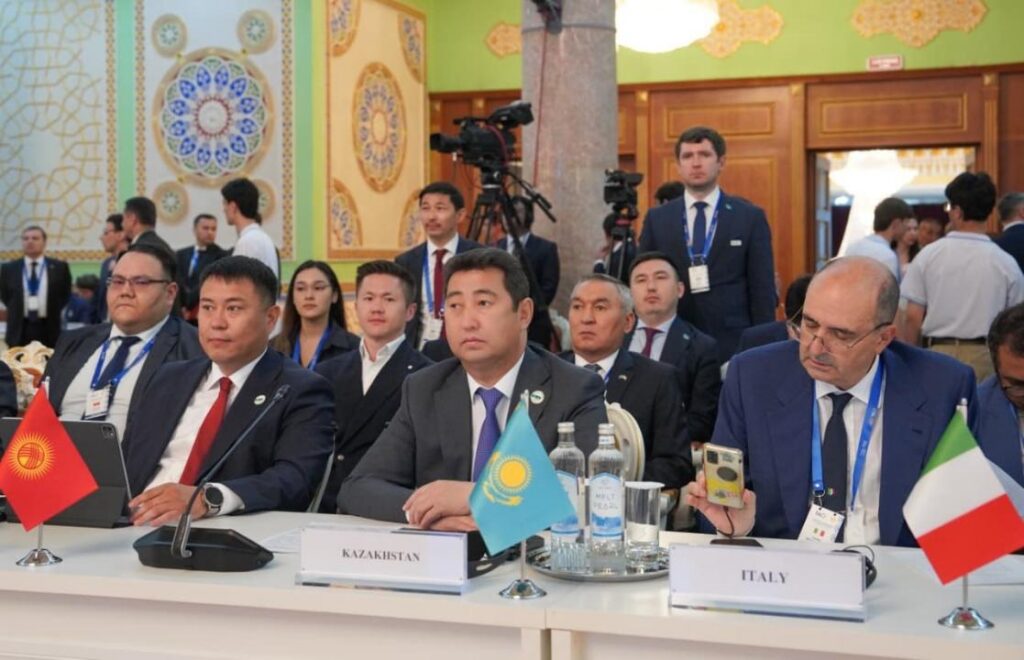
Kazakhstan could anchor a Central Asian food reserve intended to help participating countries respond to shortages without giving up control of their national stocks.
The proposal comes from the Astana-based Islamic Organization for Food Security (IOFS), an institution affiliated with the Organization of Islamic Cooperation (OIC). Rather than establish a single supranational stockpile, it would connect existing national reserves through agreed rules for monitoring supplies and releasing food during a crisis.
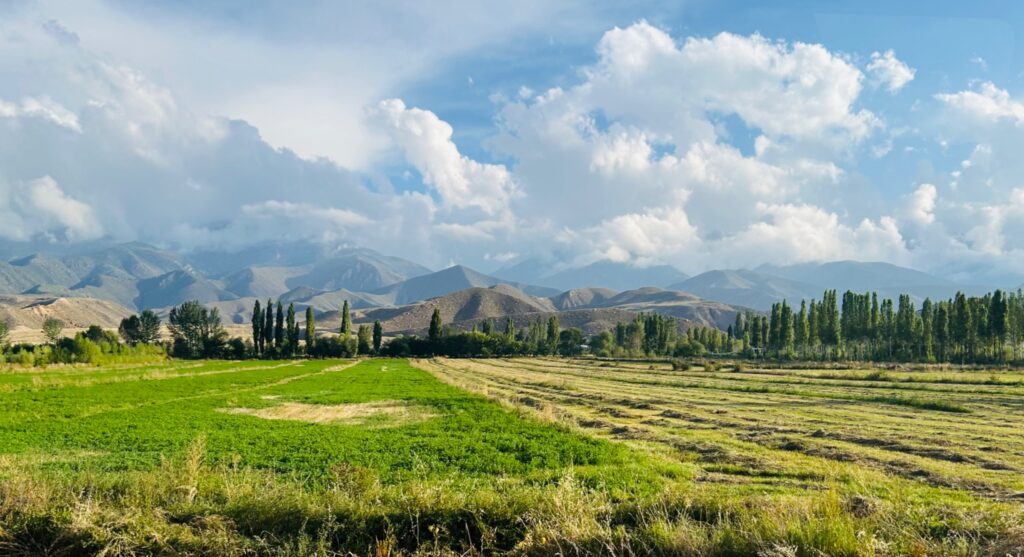
Food security is closely tied to water in Central Asia, where irrigation depends on rivers shared across borders. The five states are already seeking an agreement on regional water management, while climate change is making supplies less predictable.
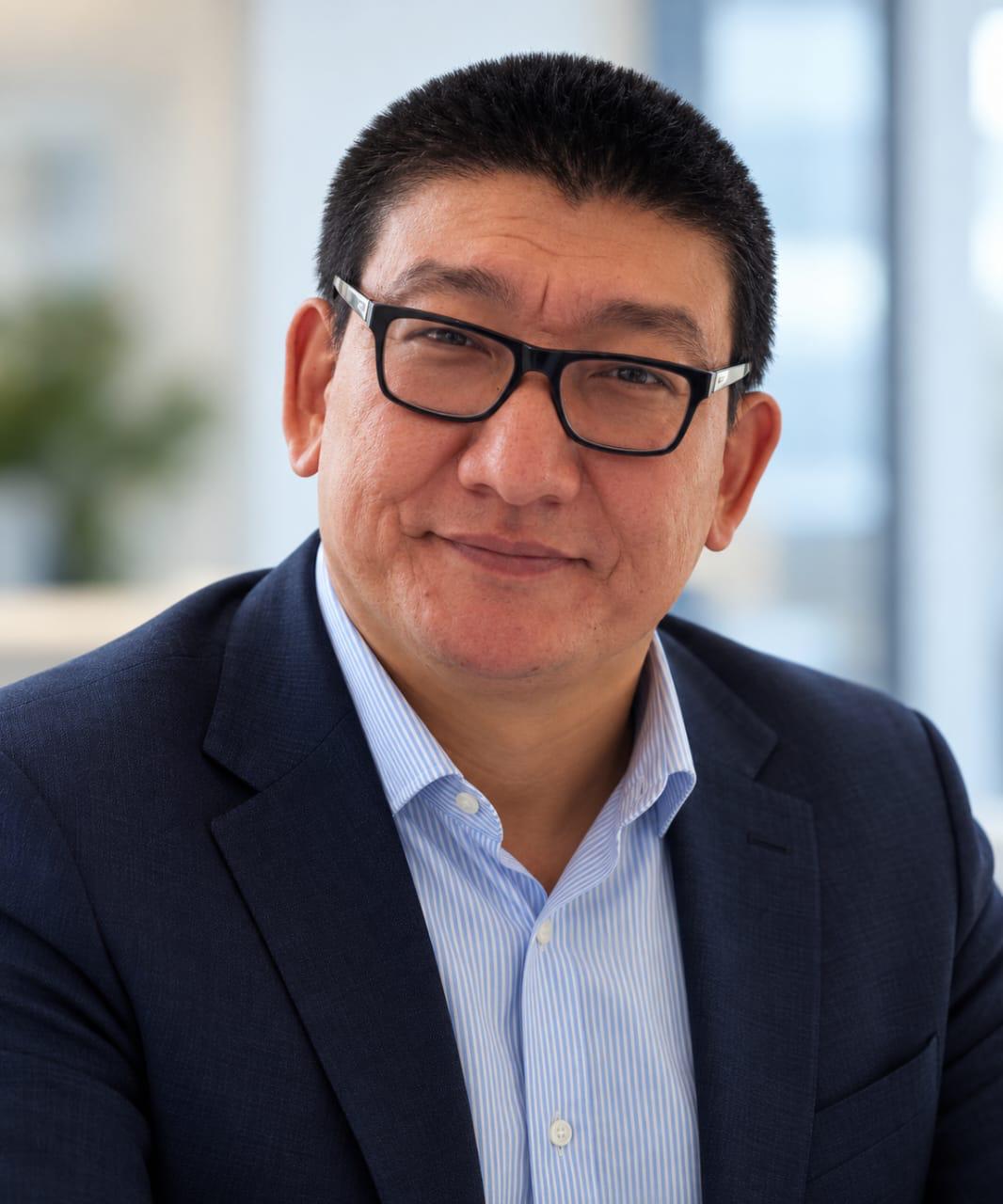
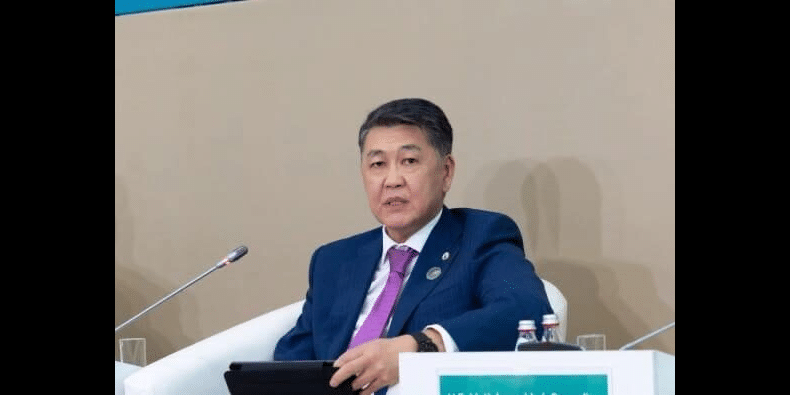
IOFS Director General Berik Aryn, who has led the organization since April 2024, was previously Kazakhstan’s ambassador to Saudi Arabia and permanent representative to the OIC. In an interview with The Times of Central Asia, he explains what must happen before the reserve becomes operational, why Kazakhstan is central to the plan, and how international support for Afghanistan could move from emergency aid toward agricultural recovery.
TCA: During periods of severe water scarcity, how should Central Asian states reconcile the competing demands of agriculture, energy, and ecosystems? Should food security guide interstate decisions on water allocation?
Berik Aryn: Food security is a fundamental pillar of regional stability and human dignity, and IOFS firmly believes it must be recognized as a core criterion in interstate water allocation decisions, particularly during periods of acute scarcity. However, in the complex landscape of Central Asia, food security cannot be treated in isolation. It is part of an inseparable water-energy-food-ecosystem nexus. To reconcile these competing demands during severe droughts, regional mechanisms must move away from zero-sum competition over water volumes. Instead, the focus must shift toward mutual optimization, safeguarding basic human needs, protecting vital ecological flows, and honoring energy requirements through holistic, cross-sectoral cooperation.
To achieve this reconciliation in practice, Central Asian states would benefit from a formal, data-driven regional drought management framework. IOFS advocates for a strategy in which water allocation during crises is guided by real-time hydrological data, transparent information exchange, and joint seasonal forecasting.
Rather than asking nations to compromise on their development goals, the solution lies in maximizing water productivity. By investing in modern transboundary irrigation infrastructure, broadly deploying water-saving technologies, including drip irrigation, adopting digital precision agriculture, and transitioning to high-yield, drought-resistant crops, the region can significantly reduce water losses.
Headquartered in Astana, IOFS stands ready to mobilize international green investment and facilitate technology transfers to help Central Asian states transform water challenges into a shared opportunity for long-term food security and climate resilience.
TCA: IOFS has developed a model for regional food reserves and is considering a pilot involving Central Asian and other OIC states. How close is the initiative to implementation, and what obstacles remain?
Aryn: The establishment of the OIC Regional Food Security Reserve represents a flagship institutional milestone for IOFS and is aimed at developing a more flexible and interconnected regional mechanism for responding to food crises.
The reserve is not intended to replace existing national food reserves, but rather to create an additional line of defense at the interstate and regional levels. Such a mechanism would complement national reserve systems and thereby improve the region’s collective resilience to food crises and emergencies.
Rather than advancing a centralized infrastructure model, our approach respects national sovereignty by allowing participating member states to maintain ownership and operational control over their respective physical allocations within their borders.
The regional mechanism should function as a coordination network that brings together national capacities on the basis of agreed rules and procedures, while providing a common platform for joint decision-making and timely responses to crises.
It is also envisaged that the Regional Food Security Reserve would be supported by a dedicated monitoring and early warning information system. Such a system could facilitate transparent information exchange, track global and regional trends and potential threats to food security, and monitor the status and volumes of food stocks.
As part of this initiative, IOFS prepared a pre-feasibility study and draft founding agreement and conducted a series of consultations with member states and experts. At the Ninth OIC Ministerial Conference on Food Security and Agricultural Development in 2023, it was decided to establish a Sessional Steering Committee, whose first meeting was held on September 1, 2025, in Doha.
The committee recommended moving toward practical implementation through a pilot subregional project involving interested member states, mobilizing the necessary financing, and developing agreed mechanisms for the launch of a regional food security reserve.
Moving this visionary framework into an operational pilot requires navigating complex institutional, political, and financial alignments. This is why IOFS is assessing established models elsewhere. During my recent official visit to Togo, we held technical consultations with the Regional Agency for Agriculture and Food of the Economic Community of West African States to evaluate its regional food reserve model.
While the ultimate decision to establish the reserve rests strictly upon the readiness and sovereign priorities of individual member states, IOFS is translating these institutional insights into an action plan to define clear triggers for emergency intervention, establish sustainable funding mechanisms, and build multilateral trust.
TCA: What role could Kazakhstan play in the regional reserve?
Aryn: Kazakhstan occupies a pivotal role as the natural anchor for the Central Asian pilot phase of this mechanism. It hosts IOFS headquarters in Astana and is a major agricultural producer with extensive grain capacity, advanced logistics networks, and a strategic position in the heart of Eurasia.
Participation in such a mechanism could also bring practical economic benefits for Kazakhstan. In particular, the regional reserve could use market-based mechanisms to purchase part of Kazakhstan’s surplus grain during periods of high domestic supply.
Stocks of selected food commodities that are strategically important and sensitive for Kazakhstan’s food security could, in turn, be maintained in neighboring countries. In this way, the mechanism could contribute to more balanced regional trade and greater resilience to food insecurity.
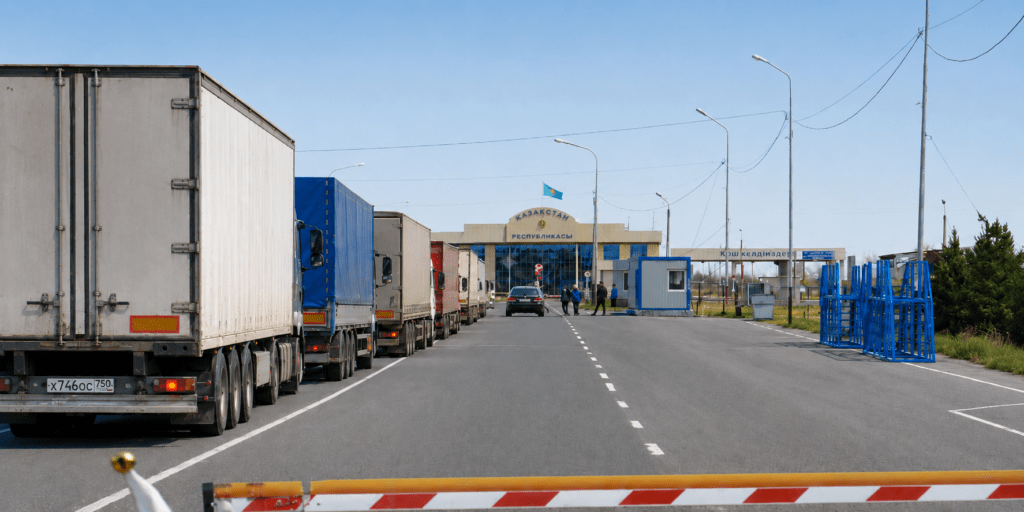
A practical blueprint for implementation begins with anchoring the initiative here. IOFS envisions a phased approach, starting with a collaborative mapping of existing storage capacity, the identification of strategic commodities for earmarking, and an evaluation of cross-border rail corridors.
The preparatory phase would conclude with a comprehensive simulation exercise to test early warning and release protocols. IOFS and Kazakhstan could then apply the resulting model elsewhere in the OIC.
TCA: Afghanistan remains heavily dependent on humanitarian aid. What would a shift toward sustainable recovery require, and what role can IOFS play?
Aryn: Afghanistan remains at the center of one of the most complex food security and development challenges in the world. Decades of conflict, recurring droughts, climate change, rapid demographic growth, and the return of large numbers of refugees continue to place enormous pressure on the country’s economy and food systems.
According to the World Food Programme, approximately 17.4 million people currently require emergency food assistance, including 3.7 million children and 1.2 million women, while 12 provinces are facing critical levels of acute child malnutrition. Although the current harvest season is expected to ease some immediate pressures, humanitarian needs will remain substantial.
Afghanistan is making efforts to shift from emergency response toward longer-term economic recovery. Recent economic indicators suggest cautious optimism. The country’s economy recorded 2.5% growth in 2024, marking a second consecutive year of expansion, and several international assessments project continued, albeit modest, growth over the coming years.
However, sustainable development cannot be achieved through humanitarian assistance alone. It requires building a resilient domestic economy capable of generating employment, increasing agricultural productivity, and creating opportunities for private-sector development.
Agriculture remains the backbone of Afghanistan’s recovery, while industry and services have yet to regain sufficient momentum. Structural constraints, including limited access to finance, dependence on imports, and underdeveloped financial markets, continue to slow investment and economic diversification.
For this reason, the international community must increasingly complement humanitarian assistance with long-term development initiatives that build local capacity and institutions. IOFS follows this approach.
In Afghanistan, IOFS is implementing the Afghanistan Food Security Programme and working with the Turkish Cooperation and Coordination Agency, the United Nations Assistance Mission in Afghanistan, the United Nations Office on Drugs and Crime, the Islamic Committee of the International Crescent, and the governments of Kazakhstan and Turkey.
These programs are aimed at restoring Afghanistan’s agricultural sector by increasing productivity, improving food security, building technical capacity, and supporting more resilient rural livelihoods. Our objective is to address immediate humanitarian needs while helping lay the foundations for sustainable agricultural development and long-term economic growth.