Uzbekistan’s Constitutional Court has struck down provisions allowing people accused of breaking border rules to be held for up to ten days without a judge’s approval. The decision followed complaints about detention beyond the constitution’s 48-hour limit.
The court adopted its ruling on September 22. It took effect on September 25, removing the legal basis for extended detention periods.
The case reached the court through parliamentary ombudsman Feruza Eshmatova. Her office received six complaints in 2025–2026 concerning alleged unlawful administrative detention lasting more than 48 hours, according to the court’s account of the case.
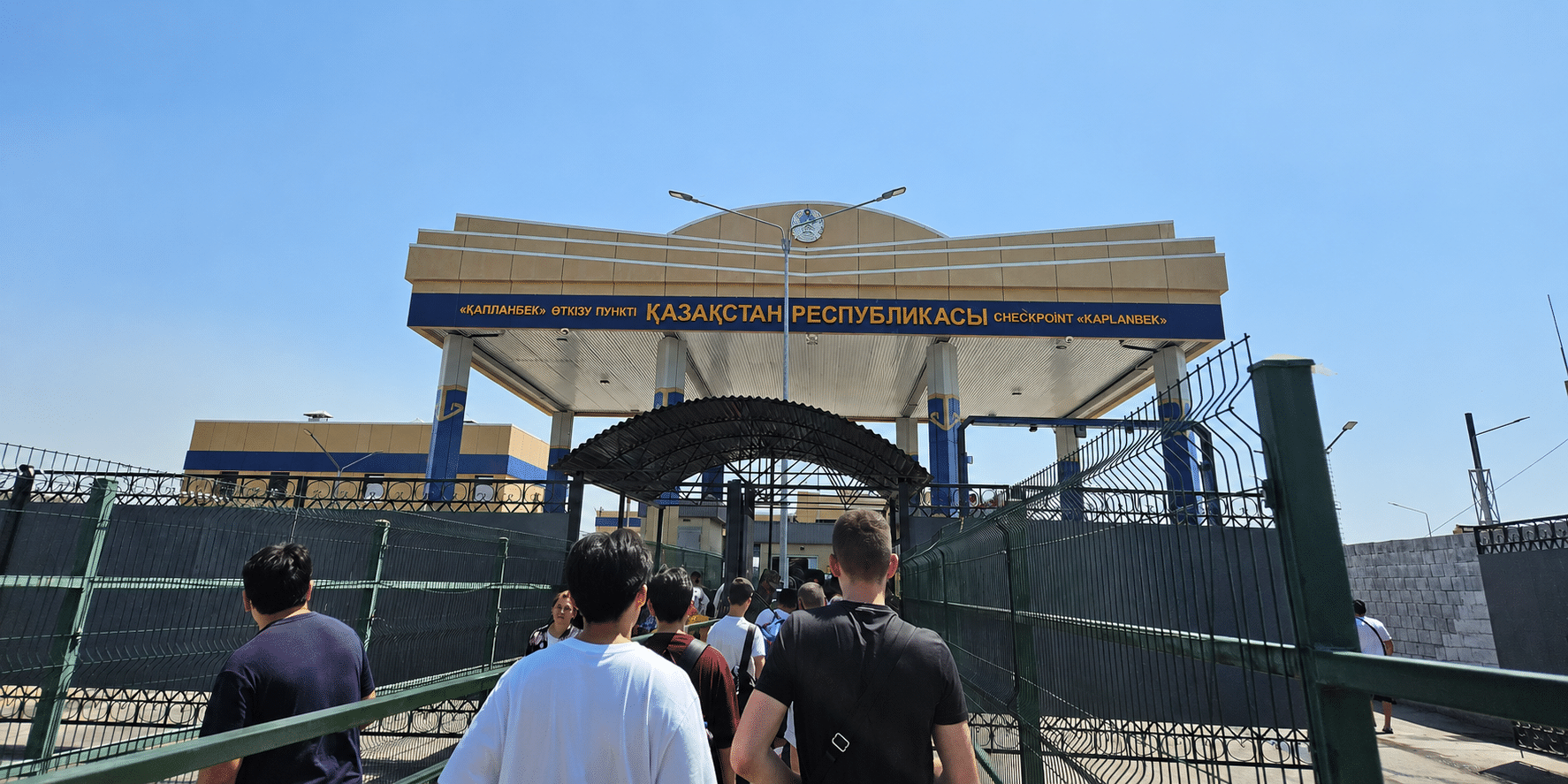
The challenged provisions were part of Article 288 of the Code of Administrative Responsibility. They covered violations of border regulations and rules at state border checkpoints.
Officials could hold a person for up to three hours to prepare a report. If they needed to establish the person’s identity or clarify the circumstances, they could extend detention to three days, though they had to notify a prosecutor in writing within 24 hours.
For someone without identity documents, a prosecutor could authorize detention for up to ten days. Neither extension required officials to seek a court order.
The ombudsman challenged those powers under Article 27 of the Constitution, which bars detention beyond 48 hours without a judicial decision. The court agreed that the longer periods breached that guarantee. It also identified a gap in the code: the provisions contained no mechanism for obtaining judicial approval when officials wanted to hold someone longer.
Notification or authorization by a prosecutor “must not replace a court decision,” the court said in its published account of the ruling.
The decision concerns how long the authorities can hold someone without judicial oversight. It does not abolish border offenses or prevent detention beyond 48 hours when a court authorizes it.
According to Gazeta, the ruling is final and cannot be appealed. The body responsible for the legislation has one month to bring it into line with the constitution. The court did not prescribe the replacement wording.
The ombudsman’s office has also reported unlawful detention elsewhere this month. In a separate case in Nukus district, monitors found three people held without sufficient grounds at a medical facility for intoxicated people. None of the three was intoxicated.
Police inspectors had taken them there while awaiting a court decision on placement in a special reception facility. Following the ombudsman’s intervention, one inspector received a disciplinary sanction. The cases of two others were referred for disciplinary consideration, and the materials were sent to the district prosecutor for a preliminary inquiry.