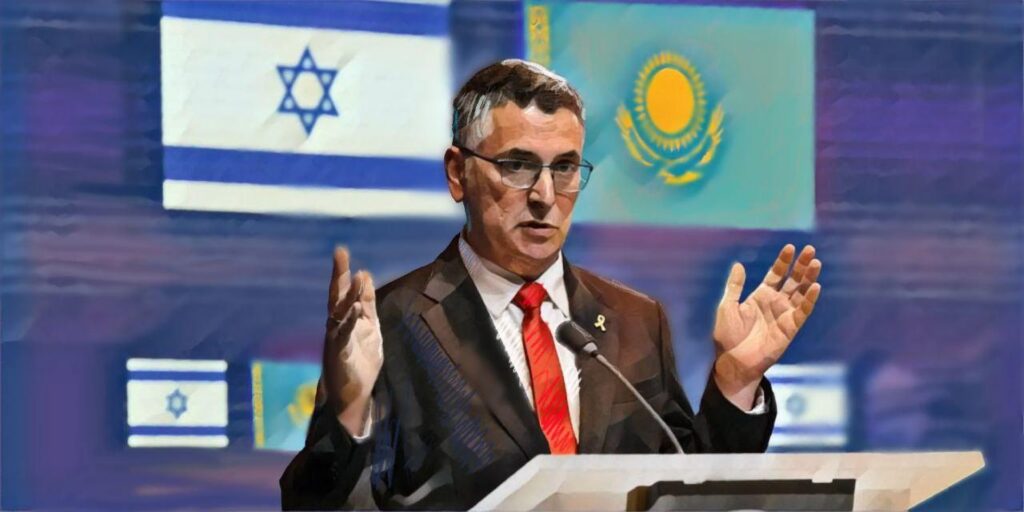
Kazakhstan took part for the first time in an official meeting of Abraham Accords countries on September 24 in New York, as Washington works to revive and expand the framework after nearly three years of disruption following the October 7, 2023 attacks on Israel.
The meeting brought together officials from the United States, Israel, the United Arab Emirates, Bahrain and Morocco. It was the first official gathering of the group since October 2023 and was hosted by the N7 Foundation during the UN General Assembly. U.S. Under Secretary of State for Political Affairs Allison Hooker led the American delegation.
Kazakhstan is the first Central Asian and first non-Arab Muslim-majority country to join the Abraham Accords, extending a framework originally built around normalization between Israel and Arab states into Central Asia.
Erzhan Kazykhan, Special Representative of the President of Kazakhstan for Negotiations with the United States, told CBS News that “We see the Accords as a platform to reinforce political dialogue across the Middle East and neighboring regions,” adding that Kazakhstan sees opportunities to expand trade and investment, strengthen connectivity, promote technological cooperation and create tangible economic opportunities.
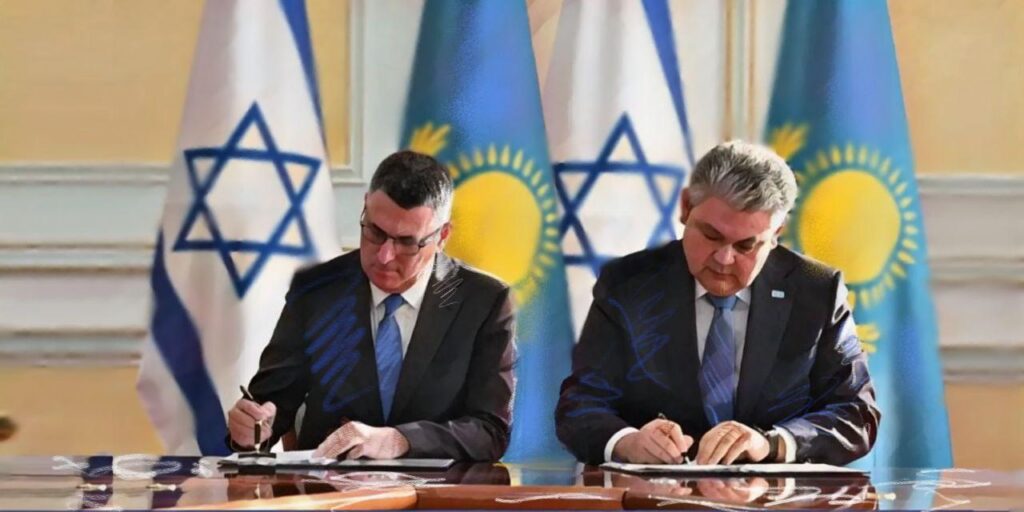
Kazakhstan and Israel already have longstanding relations. The two countries established diplomatic relations on April 10, 1992 and have maintained embassies and bilateral cooperation for more than three decades.
Economic cooperation has been part of the framework from the beginning. The original Israel-UAE Abraham Accords agreement identified energy, agriculture and food security, water, technology and investment among the areas for cooperation.
N7 founder Jeffrey Talpins said the next stage should focus on strengthening existing relationships and finding practical areas where participating countries can work together. He said the Accords show what countries can achieve through shared interests and a common vision for a more integrated and prosperous region.
During bilateral talks with Israel earlier this year, Kazakhstan and Israel discussed possible joint projects in high-tech agriculture, water resource management and digital technologies.
Kazakhstan is also important to energy and critical-mineral supply chains. It is the world’s largest uranium producer and an increasingly important U.S. partner on critical minerals and secure supply chains.
Within Central Asia, Kazakhstan accounts for 56.4% of the region’s combined GDP and 66.4% of its inward foreign direct investment stock.
Kazakhstan is also a transport and logistics link between Central Asia, the South Caucasus and Europe, giving connectivity another practical role in its participation in the Accords.
Signing Ceremony Still Pending
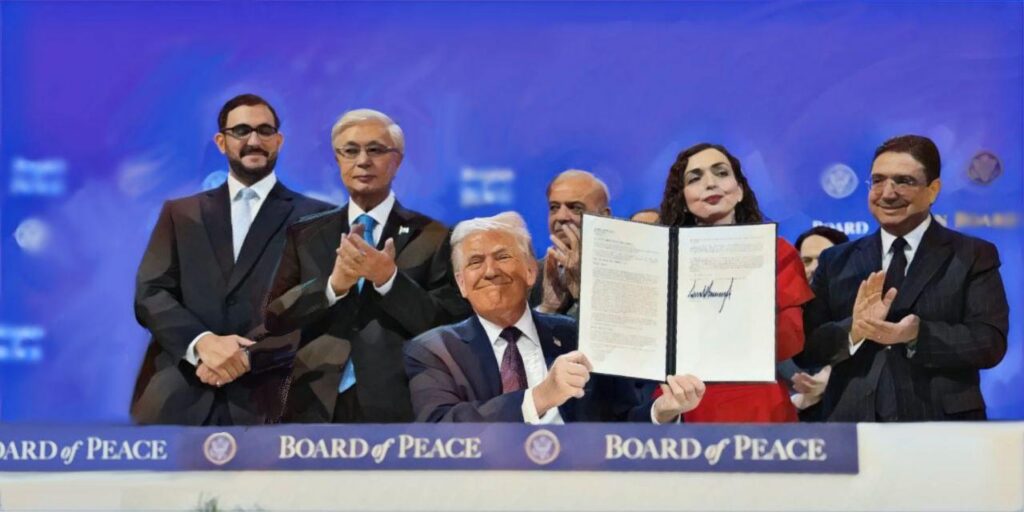
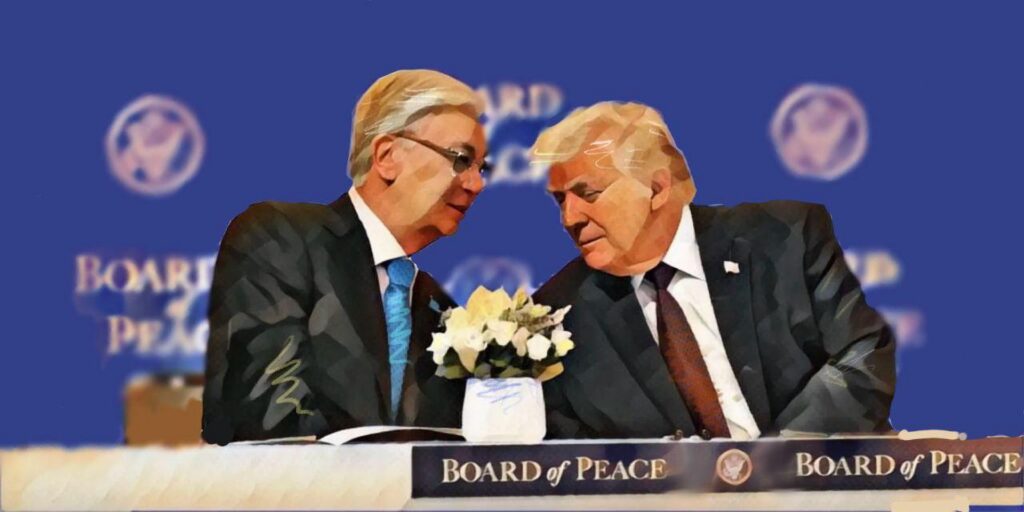
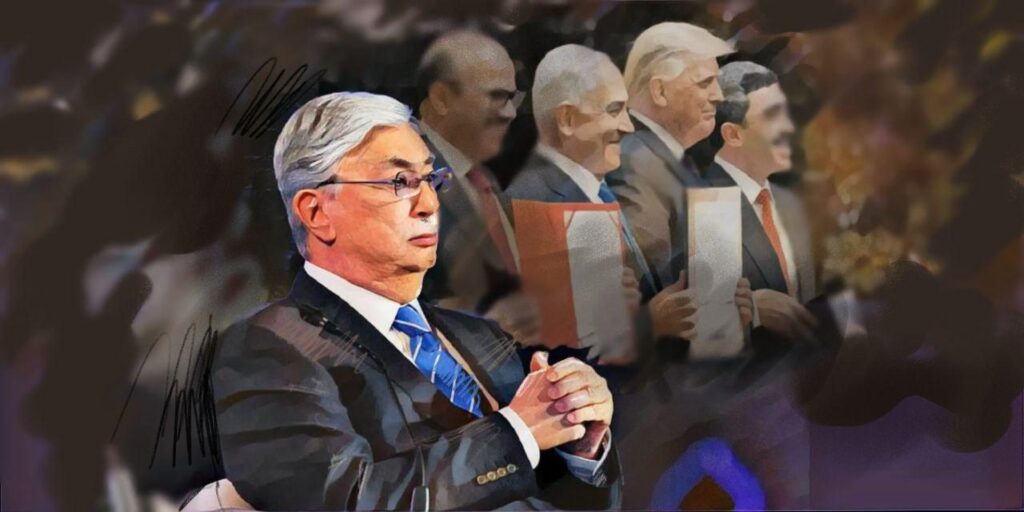
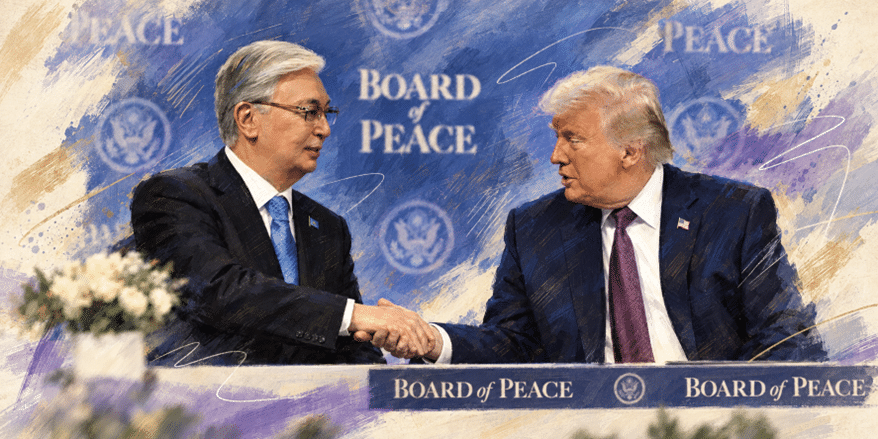
Kazakhstan announced its accession after President Kassym-Jomart Tokayev met U.S. President Donald Trump at the White House in November 2025. Kazakhstan’s Foreign Ministry subsequently announced the country’s accession, describing the decision as consistent with its balanced and peaceful foreign policy and reiterating support for a two-state solution to the Israeli-Palestinian conflict.
Trump highlighted Kazakhstan’s entry at a dinner with the five Central Asian presidents on November 6. He said Kazakhstan had “officially joined the Abraham Accords” and described it as “a tremendous country with a tremendous leader”.
Trump also said a formal ceremony would follow. “We will soon announce a Signing Ceremony to make it official,” he said. Kazakhstan has already announced its accession and is now participating in the framework, but the high-level ceremony anticipated by Trump has yet to take place.
Tokayev renewed his invitation for Trump to visit Kazakhstan during their July 10 telephone call. A visit could provide an occasion for the ceremony, although there is no indication that one has been planned for Astana.
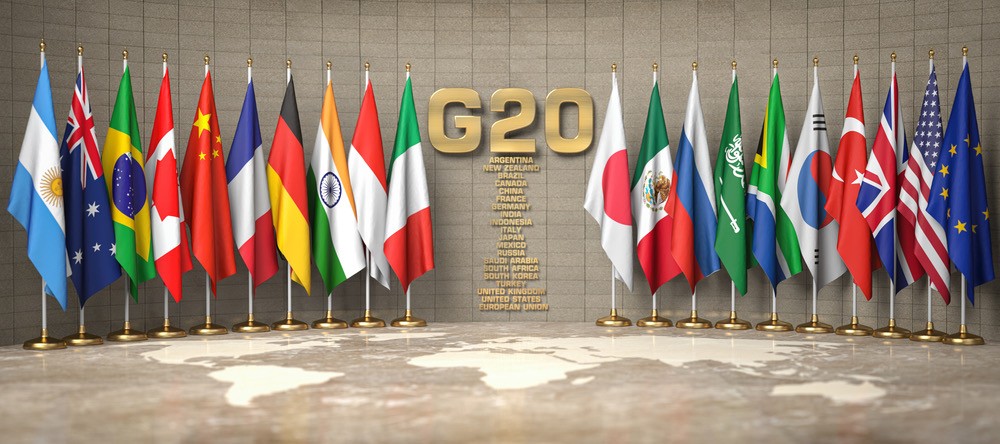
Another possible occasion is the G20 Leaders’ Summit in Miami on December 14–15. Kazakhstan’s Foreign Ministry confirmed that Tokayev will attend at Trump’s invitation and that the two governments are preparing a high-level agenda around the visit.
There is currently no public indication that an Abraham Accords ceremony will take place at the G20 or at the White House beforehand.
Kazakhstan’s entry brings Central Asia into a framework whose agenda now spans political dialogue, trade, technology, connectivity, energy and food security.