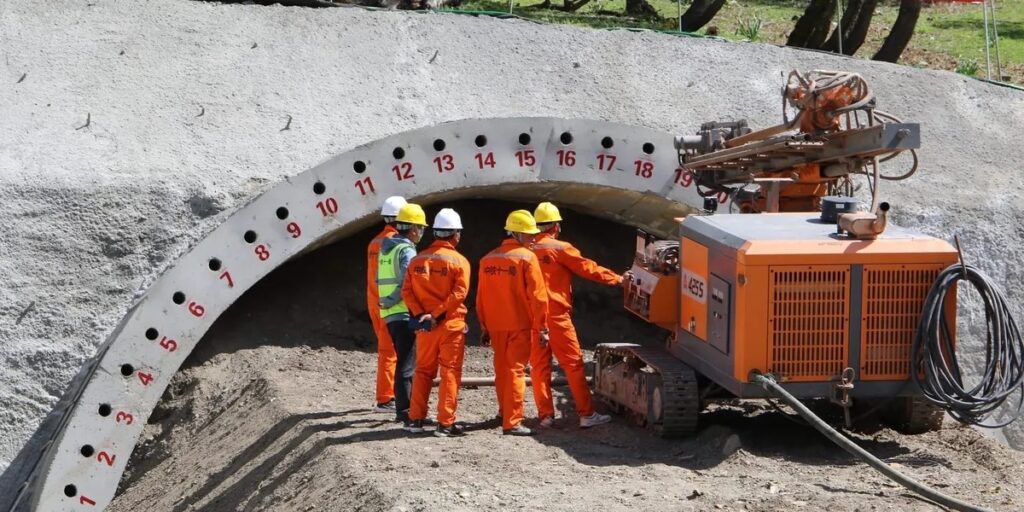
Kyrgyzstan is looking to turn China into a more regular source of gasoline and diesel as it seeks to diversify its fuel supplies. Bishkek is discussing the construction of oil storage facilities near the Chinese border and a petroleum products pipeline with Chinese energy giants CNPC and Sinopec. Russia supplies around 90% of Kyrgyzstan’s fuel, according to President Sadyr Japarov. A new route could reduce dependence on a single supplier.
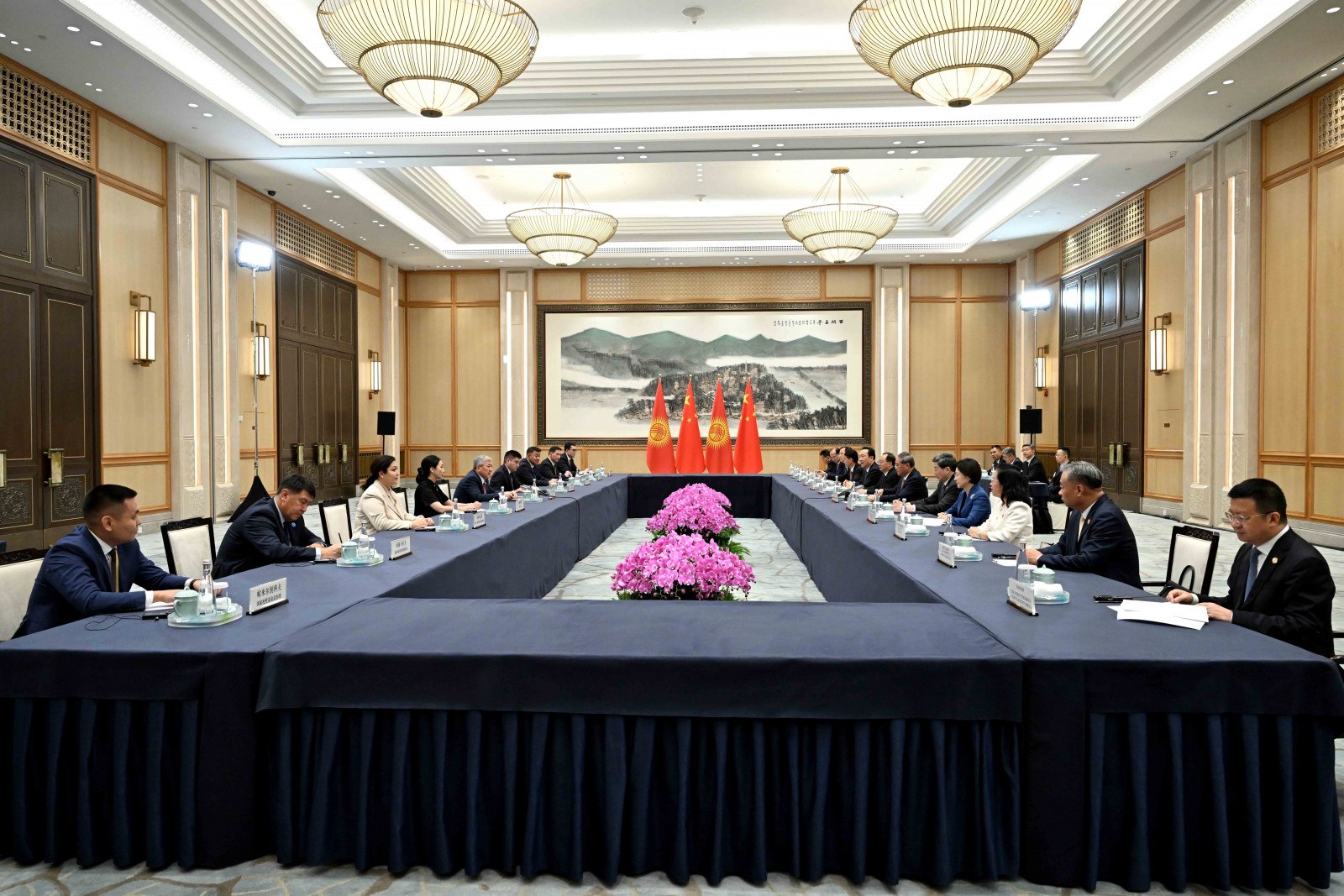
The talks took place in Beijing on September 23. Deputy Chairman of the Cabinet of Ministers Erlist Akunbekov met with executives from CNPC and Sinopec. Kyrgyz companies are signing petroleum product supply agreements with the two groups, according to the Cabinet of Ministers.
The talks come amid disruptions to Russian fuel supplies this year.
Bishkek has proposed building oil storage facilities near Torugart and Irkeshtam, the two main road crossings between the countries. The storage facilities are intended to reduce logistics costs. A separate pipeline for petroleum products is also under discussion, providing another potential route for bringing fuel across the border.
The talks also cover domestic production in Kyrgyzstan. The two sides are considering the construction of a new oil refinery, as well as joint exploration and development of oil fields.
Chinese capital is already present in the sector. The Junda refinery in Kara-Balta, about 60 kilometers west of Bishkek, is controlled by a Chinese investor. The plant has an annual crude-processing capacity of up to 800,000 tons and is undergoing a nearly $194 million modernization program. The upgrade is expected to increase output and enable the refinery to produce Euro 5-standard fuel, which is subject to stricter limits on sulfur and other harmful pollutants.
On the same day, Kyrgyz Cabinet Chairman Adylbek Kasymaliev met Chinese Premier Li Qiang in Hangzhou. Kyrgyzstan’s Energy Ministry and China’s National Energy Administration signed an agreement on cooperation in the electric power sector. The government statement did not specify which projects would be covered by the agreement.
The proposed pipeline and border storage facilities remain under discussion, separate from the fuel supply agreements being concluded by Kyrgyz companies.