U.S. President Donald Trump’s threat to “annihilate” Iran brought the vulnerability of Central Asia’s southern trade routes into focus as the UN General Assembly’s general debate opened in New York. Kyrgyz President Sadyr Japarov challenged unilateral sanctions, while diplomacy over Ukraine raised the prospect of a halt to attacks on energy infrastructure.
For landlocked Central Asia, these developments carry consequences far beyond the speeches. Iranian ports provide access to overseas markets, Kyrgyzstan and Tajikistan rely heavily on fuel from Russian refineries, and restrictions on international payments can complicate commerce even where transport links remain intact.
Iran and Access to the Sea
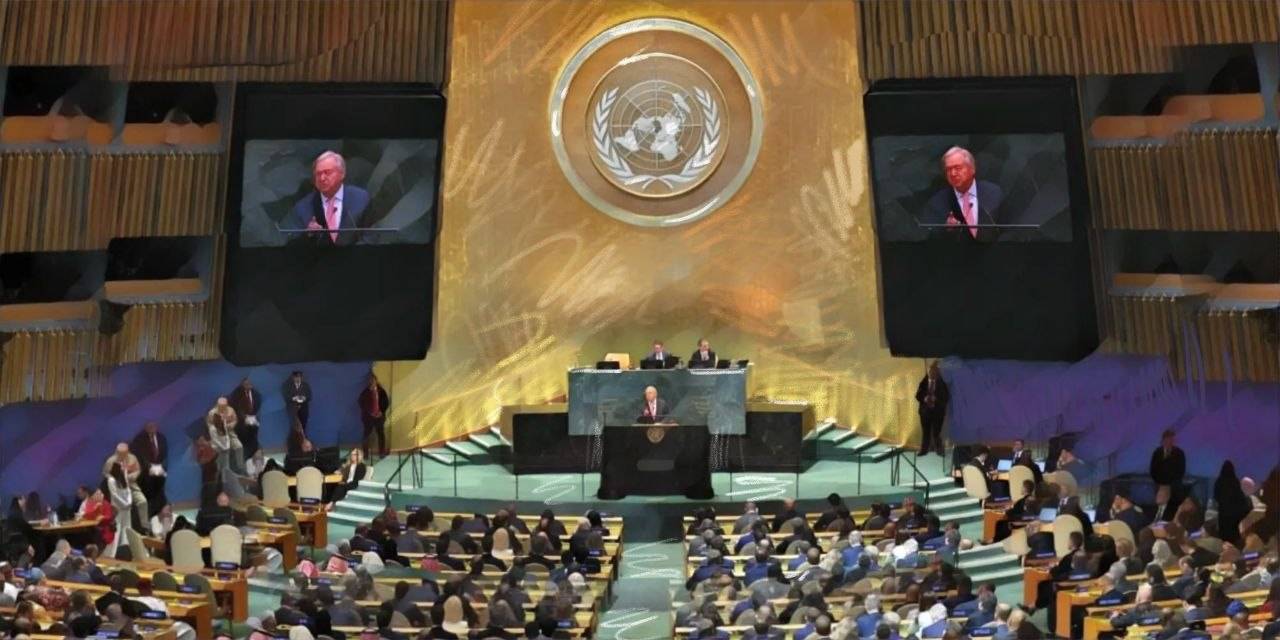
Addressing the General Assembly on September 22, Trump presented a choice between reaching an agreement with Tehran and carrying out his threat to “annihilate the Islamic Republic and do it quickly.” He also predicted that an agreement could follow the U.S. midterm elections, while defending U.S. military action against Iran.
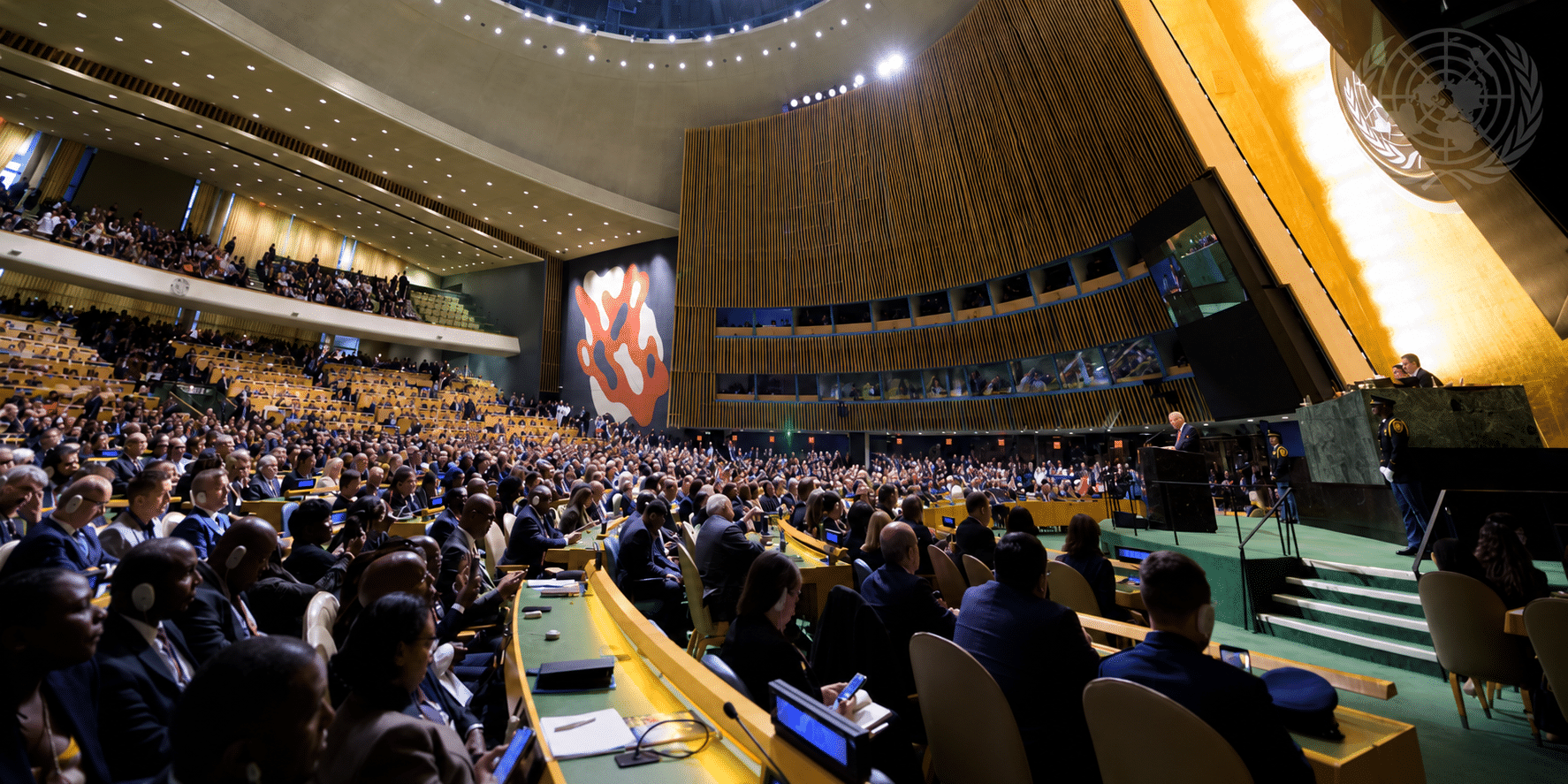
Image: UN
That framing leaves Central Asian countries facing costs regardless of their position on Tehran. Iran provides overland connections to ports serving the Persian Gulf and Indian Ocean. Damage to Iranian infrastructure can therefore disrupt trade between Central Asia and countries that are not parties to the conflict.
Uzbekistan’s exposure illustrates the distinction. According to its Ministry of Economy and Finance, goods worth $3.9 billion entered Uzbekistan through Iran in 2025. That represented about 9% of total imports, including approximately $1 billion in technological equipment. Uzbek exports transiting Iran were worth another $1.4 billion.
Those figures measure transit, not simply purchases from Iranian suppliers. Pressure intended to isolate Tehran can also obstruct Uzbekistan’s access to equipment and customers elsewhere.
Kazakhstan has also sought a larger southern outlet. A 27-year agreement provides for a Kazakh transport and logistics terminal at Shahid Rajaee Port in Bandar Abbas. Kazakhstan’s Ministry of Trade says the project would expand access to Gulf markets and destinations in Asia and East Africa.
The risks differ by port. Bandar Abbas faces the Strait of Hormuz, while Chabahar sits on the Gulf of Oman, outside the strait. Both depend on Iranian infrastructure and remain exposed to the wider conflict and sanctions environment. Developing alternative routes does not make these southern connections dispensable.
Nor is exposure uniform. Kazakh officials have emphasized the limited existing role of Persian Gulf shipments in the country’s logistics. For Astana, the threat concerns future diversification as well as current trade. For Uzbekistan, the transit figures show a substantial flow already at risk.
Tajikistan, meanwhile, has sought 2.55 million tons of Iranian crude oil and fuel following shortages in Russian supplies. Its search for an alternative leaves Dushanbe exposed to two conflicts, with attacks on Russian refineries disrupting its established supplier, and the conflict involving Iran threatening a potential replacement.
Japarov Challenges Sanctions
In his General Assembly address, Kyrgyz President Sadyr Japarov argued that unilateral sanctions harm smaller developing states and can become instruments of political pressure.
“The right to impose sanctions against a particular state should, in our view, belong exclusively to the United Nations,” he said, calling for advance scrutiny of sanctions and regular reviews of their consequences.
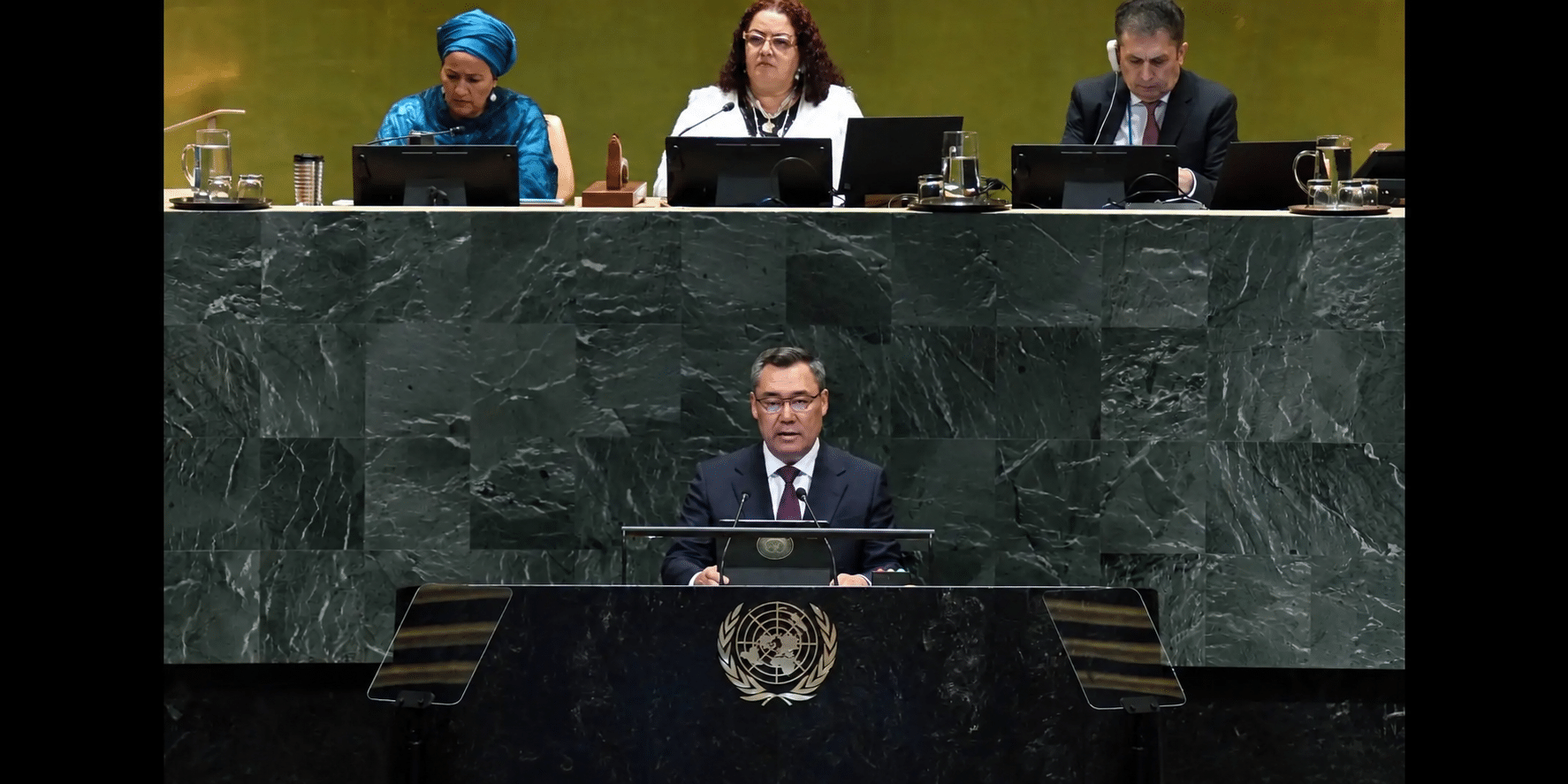
Image: Kyrgyz presidential service
Japarov also thanked Trump for cutting funding to nongovernmental organizations, claiming the move had reduced interference in developing countries.
The issue of sanctions carried into his September 22 meeting with European Council President António Costa. According to the Kyrgyz presidential administration’s account, Japarov expressed concern over restrictions despite regular exchanges with European officials. He cited a May 2026 order for 50 companies to cease activity after the authorities identified heightened sanctions risks.
His message combined opposition to unilateral restrictions with an effort to demonstrate that Bishkek was responding to compliance concerns.
Japarov’s remarks followed his U.S. business meetings. Those talks concerned access to international finance and railway equipment, highlighting the practical relationships Bishkek wants to expand while contesting Western sanctions policy.
Japarov also proposed a UN-backed fund to preserve Issyk-Kul, saying Kyrgyzstan was ready to contribute $10 million from its budget. He linked the initiative to climate pressures on the lake.
Ukraine’s Energy Offer
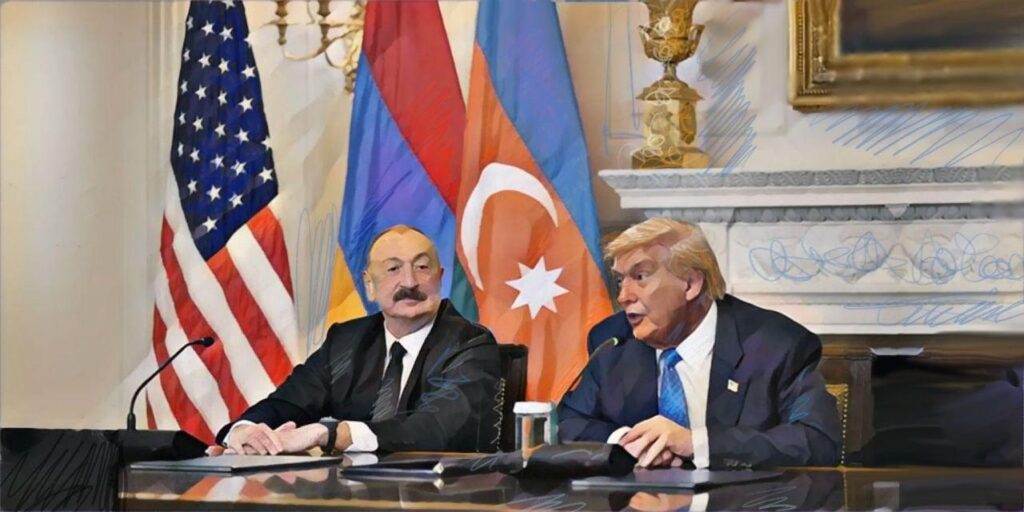
Separately, Ukrainian President Volodymyr Zelensky said after meeting Trump that Kyiv was ready for an energy ceasefire if Russia reciprocated. The offer concerned halting attacks on energy facilities. It did not establish that Moscow had accepted the terms or that a functioning ceasefire would come into place.
Any sustained reduction in refinery attacks could ease one source of uncertainty for Central Asian fuel importers. Russian diesel deliveries recovered sharply in August after a summer slump. Kyrgyzstan received more than 72,000 tons, against 4,400 tons in July. Tajikistan’s deliveries rose from 16,000 to more than 56,000 tons.
However, the rebound did not remove their dependence on Russian supply decisions. A ceasefire covering energy infrastructure could reduce physical disruption, but would not itself guarantee export volumes or lower prices.
Other Regional Initiatives
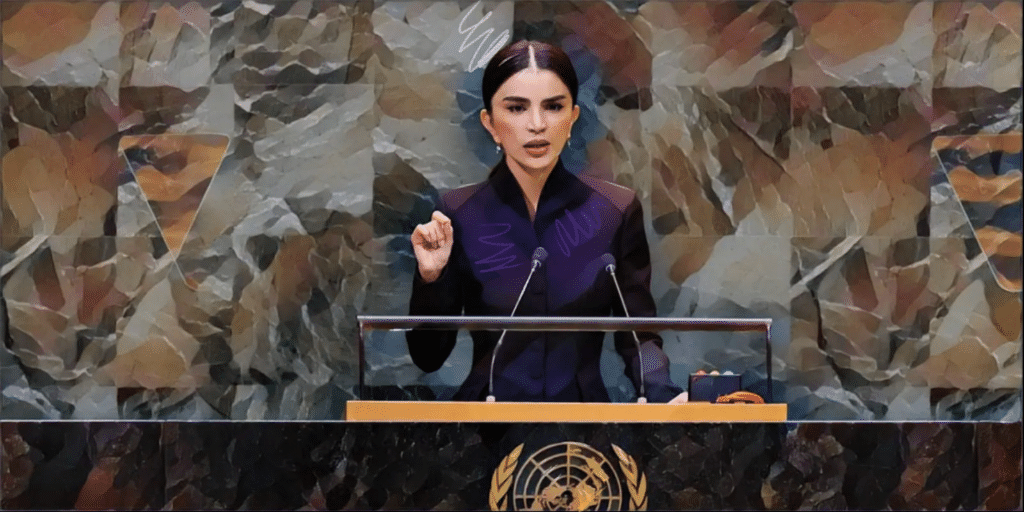
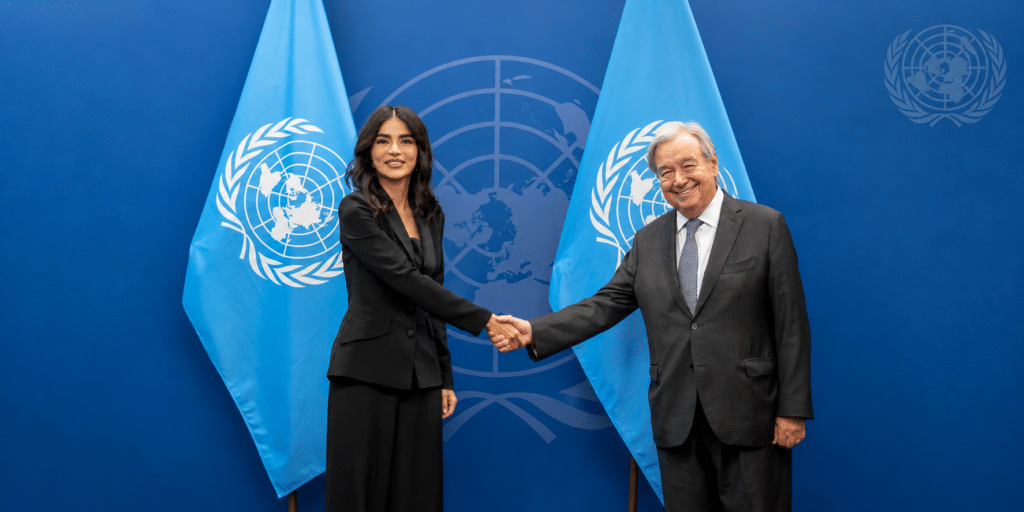
Uzbekistan’s delegation, led by presidential administration chief Saida Mirziyoyeva, pursued commercial discussions alongside the UN proceedings. Her September 23 meeting with Google Vice President Karan Bhatia included talks on introducing YouTube monetization in Uzbekistan.
Mirziyoyeva is due to deliver Uzbekistan’s national address on September 23.
New partnerships can widen Central Asia’s options, but they cannot quickly replace Iranian transit routes or Russian fuel supplies. Decisions made in New York could therefore affect whether Central Asian countries can keep trade moving and secure reliable fuel supplies.